




A gynaecologist treats a wide range of conditions affecting your reproductive and pelvic health. You may seek advice for heavy or painful periods, persistent pelvic pain, fertility concerns, menopause symptoms or changes affecting your vagina or vulva.
They can also assess conditions such as fibroids, endometriosis, polycystic ovary syndrome, ovarian cysts and pelvic organ prolapse. Not every condition requires surgery, and your treatment may involve monitoring, medicines, hormonal therapy, physiotherapy or another approach suited to your symptoms and priorities.
What Does a Gynaecologist Do?
A gynaecologist is a doctor who specialises in conditions affecting your reproductive and pelvic organs, including your uterus, ovaries, fallopian tubes, cervix, vagina and vulva. They can investigate symptoms, diagnose conditions and recommend treatment for concerns such as heavy or painful periods, pelvic pain, fibroids, polyps, endometriosis and ovarian cysts.
Your care may involve medicines, hormonal treatment, physiotherapy, monitoring or surgery, depending on your symptoms and diagnosis. You do not need to know what condition you have before arranging an appointment, as a professional assessment can help identify the possible cause and guide the most suitable treatment for you.
Common Gynaecological Conditions at a Glance
Some symptoms can be linked to several different conditions. For example, heavy periods may occur with fibroids, adenomyosis or endometriosis, while pelvic pain can have gynaecological, urinary, bowel or muscular causes.
The table below provides a general overview, but it cannot confirm the cause of your symptoms.
| Condition or concern | Symptoms you may notice | Possible management |
| Fibroids | Heavy periods, pressure, pelvic discomfort or urinary symptoms | Monitoring, medicines, procedures or surgery |
| Endometriosis | Painful periods, pelvic pain, pain during sex or fertility difficulties | Pain relief, hormonal treatment or surgery |
| Adenomyosis | Heavy or painful periods, pelvic aching or bloating | Medicines, hormonal treatment or surgery |
| PCOS | Irregular periods, acne, increased hair growth or difficulty conceiving | Lifestyle support, hormonal treatment or fertility care |
| Ovarian cysts | Pelvic pain, pressure, bloating or no symptoms | Monitoring, repeat scans or surgery |
| Pelvic organ prolapse | Vaginal bulge, heaviness, bladder or bowel symptoms | Pelvic floor treatment, pessary or surgery |
| Menopause symptoms | Hot flushes, sleep problems, vaginal dryness or mood changes | Lifestyle measures, HRT or non-hormonal treatment |
Your treatment will not be based on the condition’s name alone. Your gynaecologist will consider how the problem affects your life and whether treatment benefits are likely to outweigh possible risks.
Clinical Tip: Symptoms Can Overlap
The same symptom can have several possible causes. Heavy periods may be linked to fibroids, adenomyosis, polyps, hormonal changes or bleeding disorders, while pelvic pain may come from gynaecological, bladder, bowel, muscular or nerve-related causes. This is why a gynaecologist will usually focus on your full symptom pattern rather than one symptom alone.
Abnormal or Heavy Menstrual Bleeding
Heavy menstrual bleeding is one of the most common reasons women seek gynaecological advice. The concern is not only how much blood you lose but also how your periods affect your work, sleep, exercise and everyday activities. If bleeding is disrupting your quality of life, it is worth discussing it with a specialist.
You may need to change period products very frequently, use more than one product at a time or wake during the night because of bleeding. Heavy periods can have several causes, including fibroids, adenomyosis, polyps and hormonal changes. A gynaecological assessment can help identify the cause and explore treatment options that suit your symptoms and future plans.
Evidence Note:
NICE guidance on heavy menstrual bleeding recommends that treatment decisions should take into account how bleeding affects your quality of life, not only the amount of blood loss. Assessment may include a full blood count, pelvic examination, ultrasound or hysteroscopy, depending on your symptoms and whether fibroids, polyps, adenomyosis or another cause is suspected. For you, this means heavy bleeding should be investigated in a structured way rather than treated as something you simply have to tolerate.
Irregular, Infrequent or Absent Periods

Your periods do not need to arrive on exactly the same date every month. However, a noticeable or persistent change from your usual menstrual pattern may be worth discussing with a gynaecologist. You may find that your periods become unpredictable, occur unusually close together or stop for several months.
These changes can occur for a variety of reasons, including pregnancy, hormonal contraception, perimenopause, polycystic ovary syndrome and other hormonal conditions. A gynaecologist may ask about your menstrual cycle and any symptoms such as acne, increased hair growth, pelvic pain or changes in weight. Depending on your circumstances, blood tests, an ultrasound scan or other investigations may be recommended.
Uterine Fibroids
Fibroids are non-cancerous growths that develop in or around your womb and can vary in size, number and location. Some fibroids cause no symptoms and are only discovered during a routine examination or scan. Others can lead to heavy or painful periods, pelvic pressure, lower back pain or urinary symptoms.
Having fibroids does not automatically mean that you need treatment or surgery. Depending on your symptoms, management may include monitoring, medication, hormonal treatments, minimally invasive procedures or surgery. Your future pregnancy plans are also an important consideration when deciding which treatment option may be most suitable for you.
Endometriosis
Endometriosis is a condition in which tissue similar to the lining of the womb grows outside the womb, most commonly within the pelvis. The condition can affect women in different ways, and the type and severity of symptoms can vary considerably from one person to another. Some women experience symptoms that significantly affect their daily lives, while others may have milder concerns.
You may experience severe period pain, ongoing pelvic pain, heavy periods, pain during or after sex, or discomfort when opening your bowels or passing urine. Symptoms do not always reflect how extensive the condition is, and treatment options may include pain relief, hormonal therapies or surgery in selected cases. Your treatment plan should take into account your symptoms, future pregnancy plans and personal preferences.
Evidence Note:
NICE guidance recommends suspecting endometriosis in women with symptoms such as period-related pelvic pain, deep pain during or after sex, period-related painful bowel movements or urinary symptoms, and fertility difficulties. The guidance also highlights that symptoms can have a major impact on quality of life and that normal examination or ultrasound findings do not always exclude endometriosis. For you, this means persistent symptoms should be taken seriously even if earlier tests have not shown a clear cause.
Adenomyosis
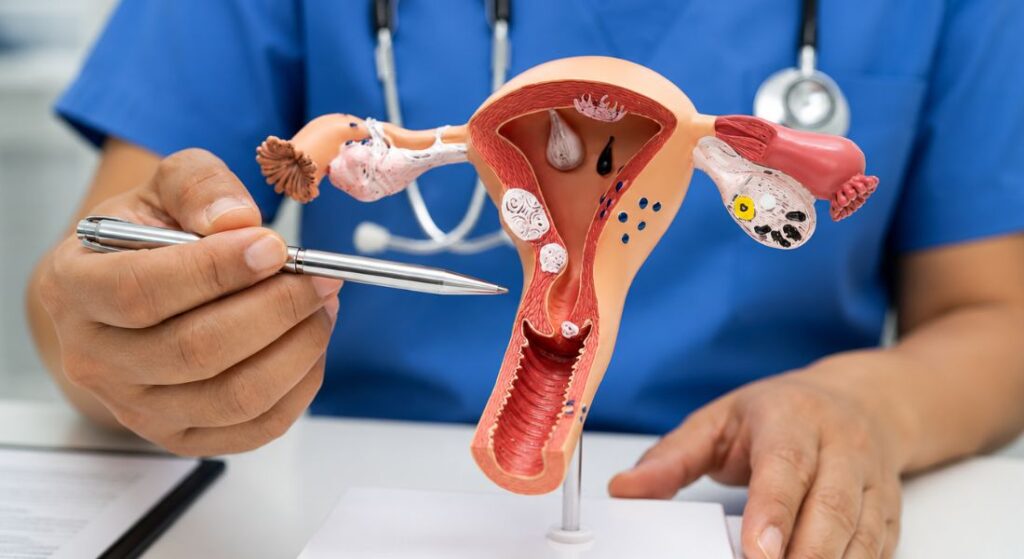
Adenomyosis occurs when tissue similar to the lining of the womb grows within the muscular wall of the uterus. Although it shares some symptoms with endometriosis, it is a separate condition. Some women have no noticeable symptoms, while others experience problems that affect their daily life.
You may experience painful periods, heavy menstrual bleeding, pelvic pain, pressure or bloating. Because these symptoms can overlap with conditions such as fibroids and endometriosis, your gynaecologist may recommend investigations such as an ultrasound scan. Treatment may include pain relief, hormonal therapies or other options depending on the severity of your symptoms and your individual needs.
Polycystic Ovary Syndrome
Polycystic ovary syndrome (PCOS) is a hormonal and metabolic condition that can affect your periods, skin, hair growth, fertility and overall health. Despite the name, having PCOS does not necessarily mean you have large or harmful ovarian cysts. Symptoms can vary from person to person and may affect different aspects of your health.
Possible symptoms include irregular or absent periods, acne, increased facial or body hair, scalp hair thinning and difficulty becoming pregnant. Diagnosis may involve reviewing your symptoms, checking hormone levels and sometimes arranging an ultrasound scan. Treatment is tailored to your individual needs and may include lifestyle changes, medication, hormonal treatments or fertility support.
Ovarian Cysts
An ovarian cyst is a fluid-filled sac that develops on or within an ovary. Many ovarian cysts are linked to the normal menstrual cycle and disappear without treatment. In many cases, they cause no symptoms and are only discovered during a scan performed for another reason.
When symptoms do occur, they may include pelvic pain, bloating, pain during sex, changes in your periods or urinary symptoms. Whether treatment is needed depends on the cyst’s size, appearance and your individual circumstances. Sudden and severe pelvic pain should always be assessed urgently, especially if it is accompanied by sickness or feeling faint.
Persistent or Recurring Pelvic Pain
Pelvic pain is discomfort felt in the lower part of your abdomen or pelvis. It may be constant, come and go, or occur at certain times during your menstrual cycle. The pain can feel like cramping, pressure, aching, burning or a sharp sensation, and it may affect your daily activities in different ways.
Pelvic pain can have a range of causes, including endometriosis, adenomyosis, ovarian cysts, fibroids and other gynaecological conditions. However, it can also be related to your bladder, bowel, muscles or nerves. A gynaecologist will usually ask about the timing, location and triggers of your pain, as well as how it affects your work, sleep, relationships and overall quality of life.
Pain During or After Sex
Pain during or after sex, sometimes called dyspareunia, can occur around the vaginal entrance, deeper within the pelvis or continue after sexual activity has ended. Possible causes include vaginal dryness, infection, endometriosis, pelvic inflammatory disease and other pelvic or vulval conditions. Menopause-related changes can also contribute to discomfort during sex.
Your gynaecologist may ask about when the pain occurs and whether you experience symptoms such as bleeding, discharge or pelvic pain at other times. These details can help identify the underlying cause and guide treatment. Depending on the reason for your symptoms, management may include medication, hormonal treatment, lubricants, pelvic health physiotherapy or treatment of a specific condition.
Vaginal Discharge and Vaginitis
Vaginal discharge is a normal part of reproductive health and can change throughout your menstrual cycle. However, a noticeable change in the amount, colour, smell or consistency of your discharge may suggest irritation, infection or inflammation. Symptoms such as itching, soreness, vaginal dryness or discomfort during sex can also occur.
Your gynaecologist may ask about recent antibiotic use, new sexual partners, products used around the vulva and any associated symptoms such as pelvic pain or bleeding. Swabs or other tests may sometimes be recommended to help identify the cause. If symptoms keep returning or feel different from previous episodes, it is best to seek medical advice rather than repeatedly relying on over-the-counter treatments.
Pelvic Inflammatory Disease
Pelvic inflammatory disease is an infection of the upper female reproductive tract, which may involve the womb, fallopian tubes and surrounding pelvic tissues.
Early diagnosis and treatment are important because untreated PID can sometimes lead to longer-term complications, including pelvic pain and fertility problems. Treatment usually involves antibiotics, and it is important to complete the full course even if your symptoms improve. You should seek urgent medical advice if you have severe pain, a high temperature, vomiting or think you may be pregnant.
Vulval and Vaginal Skin Conditions
The vulva is the external area around the vaginal opening, and symptoms affecting this area can include itching, soreness, burning, skin changes, ulcers or persistent lumps. These symptoms may be caused by irritation, infection, hormonal changes or inflammatory skin conditions. Repeatedly treating symptoms as thrush can sometimes delay the correct diagnosis.
Your gynaecologist may examine the area closely and ask about products you use, including soaps, wipes, sanitary products and medications. In some cases, further investigations may be recommended if the cause is unclear. It is important to seek advice if you notice a persistent lump, ulcer, unexplained bleeding or skin change that does not settle.
Fertility and Reproductive Concerns
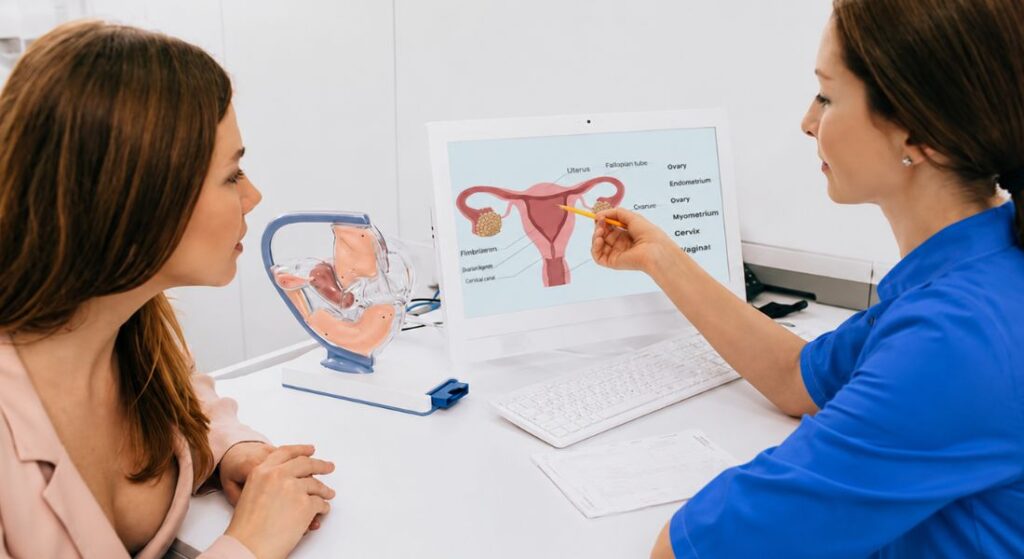
A gynaecologist can help identify factors that may make it more difficult for you to become pregnant. Causes can include ovulation problems, blocked fallopian tubes, fibroids, endometriosis, or polycystic ovary syndrome (PCOS). Fertility assessment usually starts with a discussion about your menstrual cycle, medical history, and how long you have been trying to conceive.
- Further Investigations: These may include blood tests, ultrasound scans, and sometimes tests involving your partner, as fertility difficulties can have multiple causes.
- Timing for Assessment: It is generally recommended to seek an assessment after one year of regular unprotected sex without conception.
- Earlier Advice: If you are aged 36 or over, or if either partner has a known or suspected fertility issue, earlier specialist input is advisable.
- Goal of Assessment: The aim is to identify possible causes and discuss the most suitable next steps for you.
Overall, early evaluation by a gynaecologist helps clarify potential fertility issues and guides you towards the right support and treatment options.
Perimenopause and Menopause Symptoms
Perimenopause is the stage leading up to menopause, when hormone levels and menstrual patterns begin to change. You may experience hot flushes, night sweats, disrupted sleep, mood changes, difficulty concentrating, reduced sexual desire or vaginal dryness. Your periods may also become irregular, heavier or lighter during this time.
A gynaecologist can help if your symptoms are affecting your quality of life or if you are unsure whether they are related to menopause. Treatment may include lifestyle measures, hormone replacement therapy, local vaginal oestrogen, cognitive behavioural therapy or other non-hormonal options, depending on your symptoms, medical history and preferences.
UK Guidance Note
NICE recommends an individualised approach to menopause care, including a discussion of your symptoms, medical history, treatment benefits and risks, and personal preferences. HRT may be suitable for many women with troublesome symptoms, while non-hormonal or local treatments may be appropriate depending on the type of symptom and your individual circumstances.
Pelvic Organ Prolapse and Bladder Symptoms
Pelvic organ prolapse occurs when the muscles and tissues supporting your pelvic organs become weakened, allowing one or more organs to descend into the vagina. You may notice a dragging sensation, vaginal pressure or a bulge that you can feel or see. Some women also experience bladder or bowel symptoms alongside these changes.
Not everyone with prolapse requires surgery, and treatment depends on how much the symptoms affect your daily life. Management may include lifestyle changes, pelvic floor physiotherapy, a vaginal pessary or surgery. Vaginal oestrogen may also be considered for associated menopause-related vaginal or urinary symptoms when appropriate.
Cervical and Endometrial Polyps
Polyps are small growths that can develop on the cervix or within the lining of the womb. Most are benign and may not cause any symptoms, but some can lead to unexpected vaginal bleeding. This may include bleeding between periods, after sex or after menopause.
Your gynaecologist may recommend removing a polyp if it is causing symptoms or requires further assessment. In some cases, a hysteroscopy may be used to examine the inside of the womb and investigate unexplained bleeding. This procedure can sometimes be used to diagnose and treat the problem at the same time.
Suspected Gynaecological Cancer and Urgent Symptoms
Most gynaecological symptoms are not caused by cancer, but some symptoms should be assessed to rule out more serious conditions. These can include persistent bloating, unexplained pelvic or abdominal pain, feeling full unusually quickly, a vulval lump or ulcer, and unusual vaginal bleeding. Bleeding after menopause should always be investigated, even if it only happens once.
You should seek urgent medical attention if you experience sudden severe pelvic pain, very heavy bleeding, fainting, severe dizziness, fever or vomiting. Severe pain when there is a possibility that you could be pregnant also requires urgent assessment. Prompt medical evaluation can help identify the cause of your symptoms and ensure that appropriate treatment is provided if needed.
When to Seek Urgent Help
Some symptoms need urgent assessment rather than a routine appointment. Seek urgent medical advice if you have sudden severe pelvic pain, heavy bleeding with dizziness or fainting, severe pain with possible pregnancy, fever with pelvic pain, vomiting, or you feel seriously unwell.
You should also arrange prompt medical review for bleeding after menopause, persistent bloating, feeling full quickly, unexplained pelvic or abdominal pain, increased urinary frequency or urgency, or a vulval lump, ulcer or skin change that does not settle. NICE ovarian cancer guidance highlights persistent bloating, early satiety, pelvic or abdominal pain and urinary frequency or urgency as symptoms that should prompt assessment, while postmenopausal bleeding requires urgent investigation for possible endometrial cancer.
Myth vs Fact:
| Myth | Fact |
| You only need a gynaecologist if you are pregnant or trying to conceive. | Gynaecologists also assess periods, pelvic pain, menopause, cysts, fibroids, prolapse, vaginal symptoms and vulval concerns. |
| Heavy periods are always normal if they have happened for years. | Heavy bleeding that affects daily life should be assessed, especially if it causes tiredness or anaemia. |
| Endometriosis always shows on an ultrasound scan. | Ultrasound can help, but normal imaging does not always exclude endometriosis. |
| PCOS means you definitely have large ovarian cysts. | PCOS is a hormonal and metabolic condition, and having it does not mean you have large ovarian cysts. |
| Ovarian cysts always need surgery. | Many cysts are monitored and resolve naturally, depending on size, appearance, symptoms and menopause status. |
| Menopause symptoms are something you just have to tolerate. | There are hormonal and non-hormonal options that can be discussed based on your health and preferences. |
Key Takeaways:
- A gynaecologist treats conditions affecting your uterus, ovaries, fallopian tubes, cervix, vagina, vulva and pelvic floor.
- Common reasons to see a gynaecologist include heavy periods, irregular bleeding, pelvic pain, painful sex, ovarian cysts, fibroids, endometriosis, PCOS, menopause symptoms and prolapse.
- Not every gynaecological condition requires surgery; many can be managed with medicines, hormonal treatment, physiotherapy, lifestyle measures or monitoring.
- Because symptoms can overlap, your assessment may include a detailed history, examination, blood tests, swabs, ultrasound or other investigations.
- Bleeding after menopause, persistent bloating, severe pelvic pain, fainting, fever or very heavy bleeding should be assessed promptly.
- Your treatment plan should be based on your diagnosis, symptom severity, fertility plans, medical history and personal priorities.
- A specialist assessment can help you understand the cause of your symptoms and choose the most appropriate next step.
FAQs:
1. When should you see a gynaecologist?
You should consider seeing a gynaecologist if symptoms such as heavy periods, pelvic pain, irregular bleeding, persistent vaginal symptoms or menopause concerns are affecting your daily life. Assessment may also be helpful for fertility concerns, ovarian cysts or suspected fibroids. Seeking advice early can help identify the cause and discuss appropriate treatment options.
2. Do all gynaecological conditions require surgery?
No, many gynaecological conditions can be managed without surgery. Treatment may involve medication, hormonal therapy, lifestyle changes, pelvic floor physiotherapy or regular monitoring. The most suitable approach depends on the diagnosis, symptom severity and individual preferences.
3. Can a gynaecologist help with menopause symptoms?
Yes, gynaecologists regularly assess and treat symptoms related to perimenopause and menopause. These may include hot flushes, night sweats, sleep disturbances, mood changes and vaginal dryness. Treatment options can include lifestyle measures, hormone replacement therapy (HRT) and non-hormonal alternatives.
4. What tests might be recommended during a gynaecology appointment?
The investigations recommended will depend on the symptoms being assessed. These may include blood tests, ultrasound, vaginal swabs, hysteroscopy or endometrial sampling. Your clinician may also review whether routine cervical screening is up to date, but cervical screening does not replace diagnostic investigation of symptoms.
5. Can pelvic pain have causes other than a gynaecological condition?
Yes, pelvic pain is not always caused by a gynaecological problem. Conditions affecting the bladder, bowel, muscles, joints or nerves can sometimes produce similar symptoms. A thorough assessment helps determine whether the pain is related to a gynaecological condition or another health issue that may require different treatment.
Final Thoughts: Understanding When a Gynaecologist Can Help
Gynaecologists diagnose and treat a wide range of conditions that can affect your reproductive health, menstrual cycle, pelvic organs and overall wellbeing. Whether you are experiencing heavy periods, pelvic pain, menopause symptoms, fertility concerns or changes that do not feel normal for you, specialist assessment can help identify the cause and guide appropriate treatment. Many conditions can be managed successfully with medication, hormonal therapies, lifestyle changes or monitoring, and surgery is not always required.
If you are concerned about ongoing gynaecological symptoms or would like specialist advice, you can contact Gynaecology Clinic London to arrange an assessment and discuss the investigations or treatment options that may be appropriate for you.
References:
- National Institute for Health and Care Excellence (NICE) (2018, last updated 2021) Heavy menstrual bleeding: assessment and management. NICE guideline NG88. Available at: https://www.nice.org.uk/guidance/ng88
- National Institute for Health and Care Excellence (NICE) (2017, last updated 2024) Endometriosis: diagnosis and management. NICE guideline NG73. Available at: https://www.nice.org.uk/guidance/ng73
- National Institute for Health and Care Excellence (NICE) (2015, last updated 2026) Menopause: identification and management. NICE guideline NG23. Available at: https://www.nice.org.uk/guidance/ng23
- National Institute for Health and Care Excellence (NICE) (2015, last updated 2026) Suspected cancer: recognition and referral. NICE guideline NG12. Available at: https://www.nice.org.uk/guidance/ng12
- National Institute for Health and Care Excellence (NICE) (2019, last updated 2019) Urinary incontinence and pelvic organ prolapse in women: management. NICE guideline NG123. Available at: https://www.nice.org.uk/guidance/ng123
- National Institute for Health and Care Excellence (NICE) (2026) Fertility problems: assessment and treatment. NICE guideline NG257. Available at: https://www.nice.org.uk/guidance/ng257
- National Institute for Health and Care Excellence (NICE) (no date) Polycystic ovary syndrome. Clinical Knowledge Summary. Available at: https://cks.nice.org.uk/topics/polycystic-ovary-syndrome/
- NHS (no date) Ovarian cyst. Available at: https://www.nhs.uk/conditions/ovarian-cyst/
- National Institute for Health and Care Excellence (NICE) (no date) Pelvic inflammatory disease. Clinical Knowledge Summary. Available at: https://cks.nice.org.uk/topics/pelvic-inflammatory-disease/