

 Message Us



Endometrial Polyp Treatment in London
Endometrial Polyp Treatment Clinic in London
Expert Diagnosis and Treatment from Consultant Gynaecologists
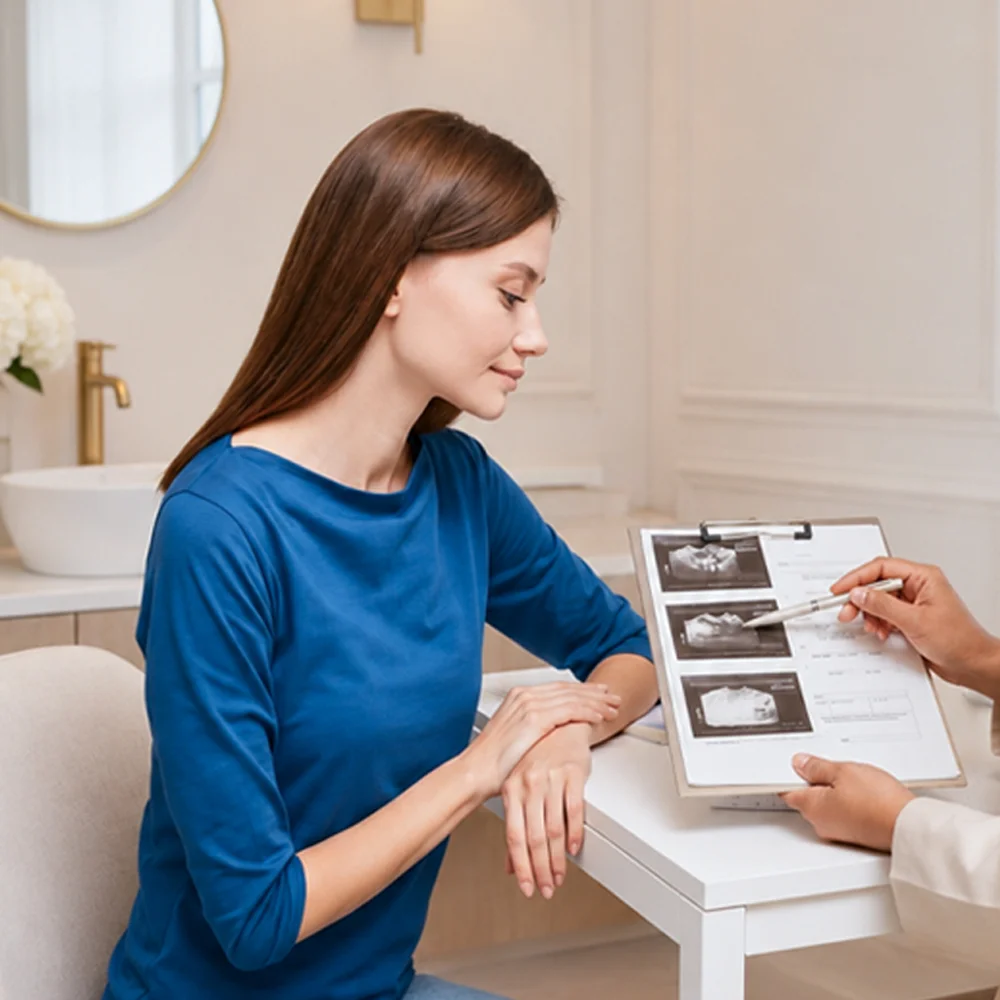
Endometrial polyps are common growths that develop within the lining of the womb and are a frequent cause of abnormal bleeding. Although most polyps are benign, they can sometimes lead to heavy periods, bleeding between periods, postmenopausal bleeding, and fertility problems. Many women are diagnosed during investigations for abnormal bleeding or following an ultrasound scan.
At Gynaecology Clinic London, our experienced consultant gynaecologists provide expert private assessment, diagnosis, and treatment for women with suspected or confirmed endometrial polyps. We understand that unexpected bleeding and abnormal scan findings can be worrying, which is why we focus on providing clear answers, prompt investigations, and personalised treatment tailored to your individual needs.
Whether you are experiencing heavy or irregular bleeding, have been diagnosed with an endometrial polyp on ultrasound, or are undergoing fertility investigations, our specialists provide fast access to expert care aimed at relieving symptoms, providing reassurance, and helping you achieve the best possible long-term outcomes.

Dr Luxmi Velauthar
MBChB, MRCOG, MD


Why Choose Gynaecology Clinic London for Your Endometrial Polyp Care?
Consultant-Led Specialist Care
Your care is led by experienced consultant gynaecologists with expertise in diagnosing and treating endometrial polyps, abnormal bleeding, and related gynaecological conditions.
Personalised Treatment Plans
Every woman is different. We tailor investigations, treatment recommendations, and ongoing care around your symptoms, fertility plans, and individual health needs.
Accurate Diagnosis
We focus on identifying the underlying cause of abnormal bleeding and providing the most appropriate treatment to help achieve the best possible outcomes.
Compassionate and Supportive Care
We understand that unexpected bleeding and abnormal scan findings can be worrying and are committed to ensuring you feel listened to, supported, and fully informed throughout your care.
Accepted by Major Health Insurers
We welcome both self-pay and insured patients and work with all major private health insurers, helping make access to specialist care as straightforward as possible.
Fast Access to Consultations and Treatment
Private care provides prompt access to consultations, investigations, and treatment, helping you obtain answers and achieve effective symptom relief without unnecessary delays.
Testimonials

Book Your Consultation
Expert gynaecological care tailored to your individual needs.
Book a Consultation
Private Medical Insurance
At Gynaecology Clinic London, we aim to make access to specialist women’s healthcare as straightforward and transparent as possible. We welcome both insured and self-pay patients, and work with most major private medical insurers. Our team can provide guidance on appointments, insurance cover, and payment options, helping ensure the process is clear and supportive from the outset, so you can focus on your health and wellbeing with confidence.







Fees and Pricing
Clear and transparent pricing is an important part of planning your care. The following guide outlines our consultation fees. If further investigations, procedures, or treatments are recommended, these will be discussed with you in advance so that you fully understand the costs involved.
Initial
Consultation
£250
Your initial consultation includes a comprehensive assessment of your symptoms and medical history, along with any appropriate examinations, investigations, and treatment options. A personalised care plan will be developed based on your individual needs.
Follow-Up
Consultation
£200
Follow-up consultations provide an opportunity to review your progress, discuss investigation results, assess your response to treatment, and ensure your care plan continues to meet your needs.

What Are Endometrial Polyps?
Common Symptoms of Endometrial Polyps


When Should You See a Specialist?

Endometrial Polyp Diagnosis
Diagnosing endometrial polyps involves understanding your symptoms and carrying out appropriate investigations. At Gynaecology Clinic London, your consultation will include a detailed discussion about your symptoms, medical history, and any concerns you may have.
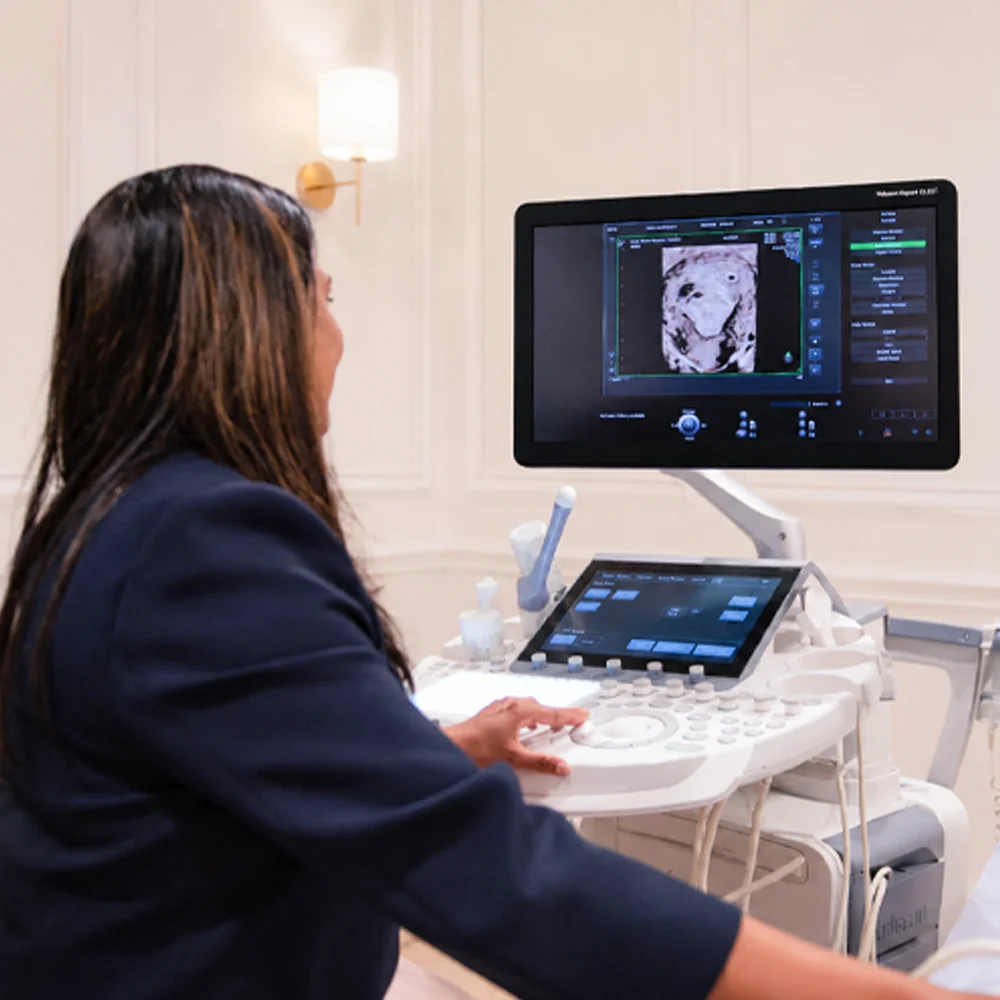
Investigations may include pelvic ultrasound scanning, hysteroscopy, and other specialist tests where appropriate. These investigations can help confirm the diagnosis, assess the size and location of the polyp, and determine whether treatment is recommended. Our aim is to provide an accurate diagnosis and develop a personalised treatment plan tailored to your symptoms, reproductive health, and individual needs.
Endometrial Polyp Treatment Options
Monitoring and Follow-Up
Small polyps that are not causing symptoms may sometimes be monitored, particularly when they are discovered incidentally.
Hysteroscopic Polyp Removal
Hysteroscopy allows endometrial polyps to be removed safely and accurately while providing a detailed assessment of the inside of the womb.
Investigation of Abnormal Bleeding
Further assessment may be recommended to determine whether other factors are contributing to heavy or irregular bleeding.
Fertility Assessment
Endometrial polyps can sometimes affect fertility, and treatment may be recommended as part of fertility investigations or pregnancy planning.
Histological Examination
Polyps removed during treatment are routinely sent for laboratory analysis to confirm the diagnosis and exclude abnormal changes.
Ongoing Monitoring and Follow-Up
Further review may be recommended depending on your symptoms, age, fertility plans, and individual circumstances to ensure appropriate ongoing care.
Endometrial Polyps and Fertility

Endometrial Polyps and Abnormal Bleeding
Book a Private Consultation for Endometrial Polyps

Frequently Asked Questions
Are endometrial polyps cancerous?
Most endometrial polyps are benign and do not pose a serious health risk. However, because a small proportion may contain abnormal or precancerous changes, polyps removed during treatment are routinely sent for laboratory analysis to confirm the diagnosis and provide reassurance.
Do all endometrial polyps need to be removed?
Not always. Small polyps that are not causing symptoms may sometimes be monitored. However, removal is often recommended if a polyp is causing abnormal bleeding, is discovered after menopause, or is identified during fertility investigations. Your consultant will discuss the most appropriate approach based on your individual circumstances.
How are endometrial polyps removed?
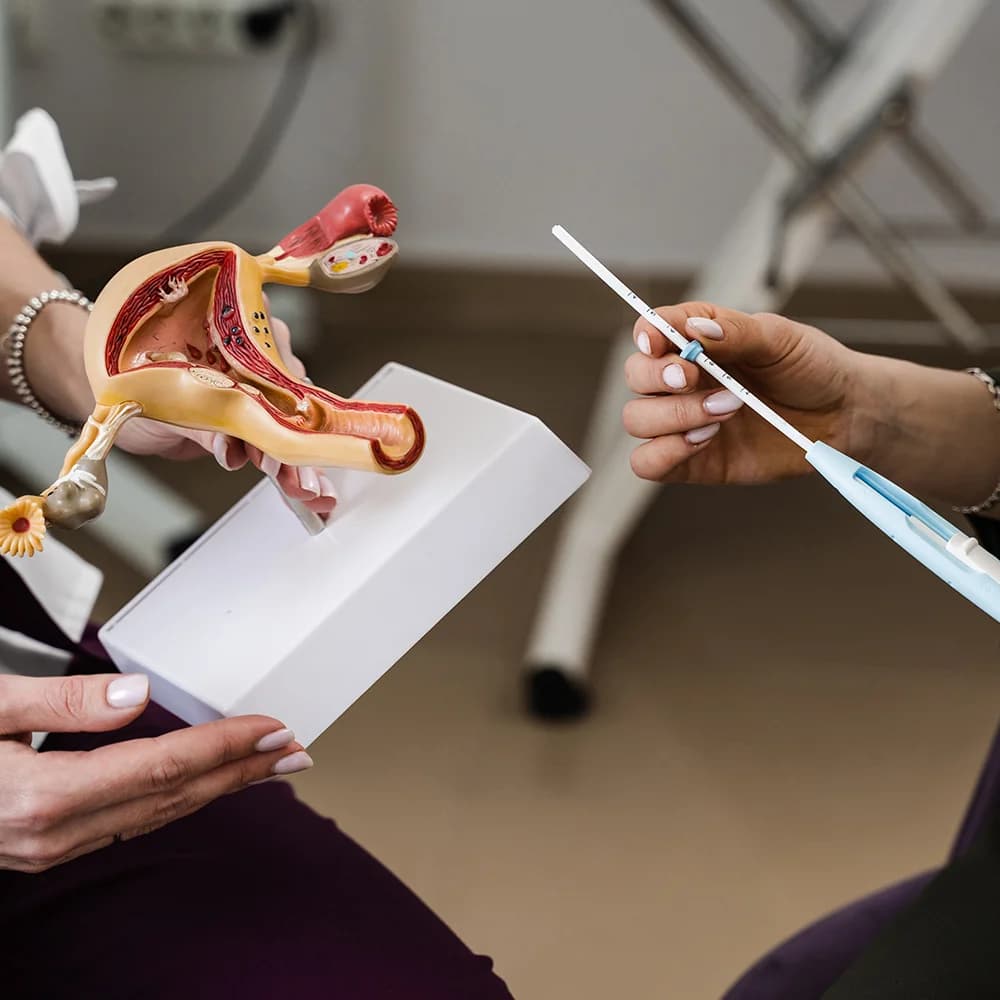
Endometrial polyps are most commonly removed during a hysteroscopy. This minimally invasive procedure allows your consultant to examine the inside of the womb and remove the polyp safely and accurately, often avoiding the need for more invasive surgery.
Is endometrial polyp removal painful?
Most women tolerate treatment well and experience only mild discomfort or cramping. Your consultant will explain the procedure in detail beforehand and discuss the most appropriate options to ensure you are as comfortable and reassured as possible throughout treatment.
Can endometrial polyps come back?
Yes. Although treatment is usually successful, endometrial polyps can occasionally recur. Depending on your symptoms, age, and medical history, your consultant may recommend follow-up to monitor your ongoing gynaecological health.
Can I get pregnant with an endometrial polyp?
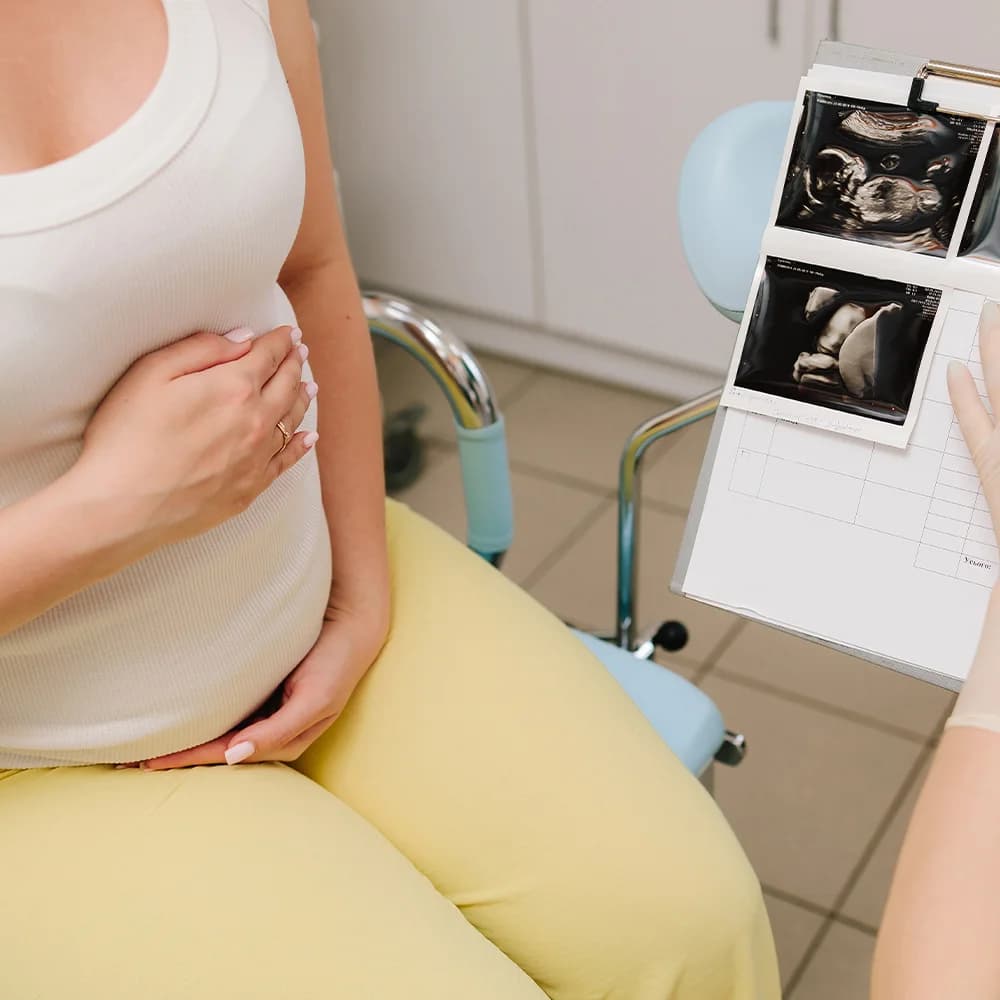
Many women with endometrial polyps conceive naturally and go on to have successful pregnancies. However, in some cases, polyps may interfere with implantation or contribute to fertility problems. Treatment may improve reproductive outcomes in selected women.

What happens after an endometrial polyp is removed?
Following removal, the polyp is routinely sent for laboratory analysis to confirm the diagnosis and exclude abnormal changes. Most women recover quickly, and your consultant will discuss the results and whether any further treatment or follow-up is required.
Do endometrial polyps become more common after menopause?
Yes. Endometrial polyps are more common during the years leading up to menopause and after menopause. Because postmenopausal bleeding should always be investigated, specialist assessment is important to identify the cause and ensure appropriate management.

Our Professional Associations
At Gynaecology Clinic London, we are proud to be associated with leading professional organisations in gynaecology, obstetrics, and fetal medicine. These affiliations reflect our commitment to clinical excellence, evidence-based care, and staying at the forefront of women’s healthcare.




Our Locations
Our consultants at Gynaecology Clinic London see patients across leading private hospitals and clinics in London, including Harley Street, Canary Wharf, The Portland Hospital and Syon Clinic. These locations provide access to high-quality facilities, advanced diagnostics, and specialist women’s healthcare within comfortable and modern clinical settings.
10 Harley Street
Central London
10 Harley Street,
London,
W1G 9PF
Portland Hospital
Central London
The Portland Hospital,
212 Great Portland St,
London,
W1W 5QN
LycaHealth
Canary Wharf
1 Westferry Circus,
Canary Wharf,
London,
E14 4HA
Syon Clinic
Brentford
941 Great West Rd,
Brentford,
TW8 9DU