

 Message Us



Heavy Periods Treatment
Heavy Periods Treatment Clinic in London
Expert Heavy Period Treatment from Experienced Consultant Gynaecologists
Heavy periods (menorrhagia) are one of the most common gynaecological conditions affecting women of all ages. Excessive menstrual bleeding can affect your health, confidence, work, and everyday life, and may lead to iron deficiency anaemia, pelvic pain, and significant disruption to your daily routine. Although many women believe heavy periods are simply something they have to tolerate, effective treatment is available.
At Gynaecology Clinic London, our experienced consultant gynaecologists provide expert assessment and treatment for heavy menstrual bleeding in a professional, supportive, and discreet environment. We take the time to identify the underlying cause of your symptoms and recommend the most appropriate treatment based on your individual needs and future plans.
Whether your periods have always been heavy, have recently become heavier, or are accompanied by pain, irregular bleeding, or blood clots, our specialists provide prompt access to expert care and a comprehensive range of treatment options to help reduce your symptoms and improve your quality of life.

Dr Luxmi Velauthar
MBChB, MRCOG, MD


Why Choose Gynaecology Clinic London for Heavy Periods?
Consultant-Led Care
Your assessment and treatment are provided by experienced consultant gynaecologists with expertise in diagnosing and treating the many causes of heavy menstrual bleeding, ensuring the highest standards of care throughout your treatment journey.
Accurate Diagnosis
Identifying the underlying cause of heavy periods is essential for effective treatment. From pelvic ultrasound and blood tests to hysteroscopy and endometrial biopsy where appropriate, we provide a comprehensive range of investigations to ensure an accurate diagnosis.
Comprehensive Treatment Options
We offer a full range of evidence-based treatments, including medication, hormonal therapies, minimally invasive procedures, and surgery where appropriate. Your treatment plan will be tailored to the underlying cause of your symptoms, your lifestyle, and your future pregnancy plans where relevant.
Improving Quality of Life
Our aim is not only to reduce menstrual bleeding but also to improve your energy levels, relieve associated symptoms, restore your confidence, and help you return to your normal daily activities with greater comfort and peace of mind.
Accepted by Major Health Insurers
We welcome both self-pay and insured patients and work with all major private health insurers where appropriate, helping make access to specialist care as straightforward as possible.
Fast Access to Appointments
Private care provides prompt access to consultations, investigations, and treatment, allowing you to receive expert care without unnecessary delays.
Testimonials

Book Your Consultation
Expert gynaecological care tailored to your individual needs.
Book a Consultation
Private Medical Insurance
At Gynaecology Clinic London, we aim to make access to specialist women’s healthcare as straightforward and transparent as possible. We welcome both insured and self-pay patients, and work with most major private medical insurers. Our team can provide guidance on appointments, insurance cover, and payment options, helping ensure the process is clear and supportive from the outset, so you can focus on your health and wellbeing with confidence.







Fees and Pricing
Clear and transparent pricing is an important part of planning your care. The following guide outlines our consultation fees. If further investigations, procedures, or treatments are recommended, these will be discussed with you in advance so that you fully understand the costs involved.
Initial
Consultation
£250
Your initial consultation includes a comprehensive assessment of your symptoms and medical history, along with any appropriate examinations, investigations, and treatment options. A personalised care plan will be developed based on your individual needs.
Follow-Up
Consultation
£200
Follow-up consultations provide an opportunity to review your progress, discuss investigation results, assess your response to treatment, and ensure your care plan continues to meet your needs.

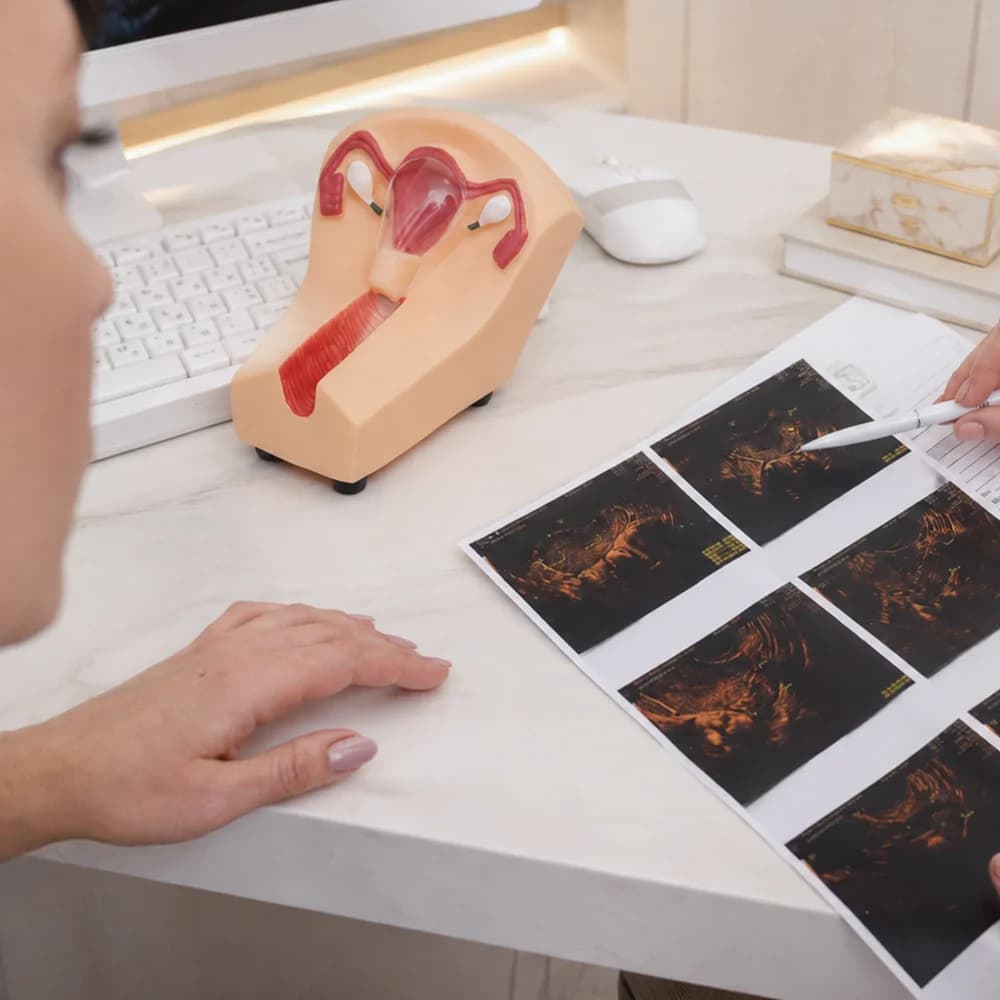
What Are Heavy Periods?
What Causes Heavy Periods?


Symptoms Associated with Heavy Periods

When Should You Seek Specialist Advice?


What Does Your Consultation Involve?


Treatment for Heavy Periods
Heavy Periods and Fibroids

Heavy Periods and Adenomyosis
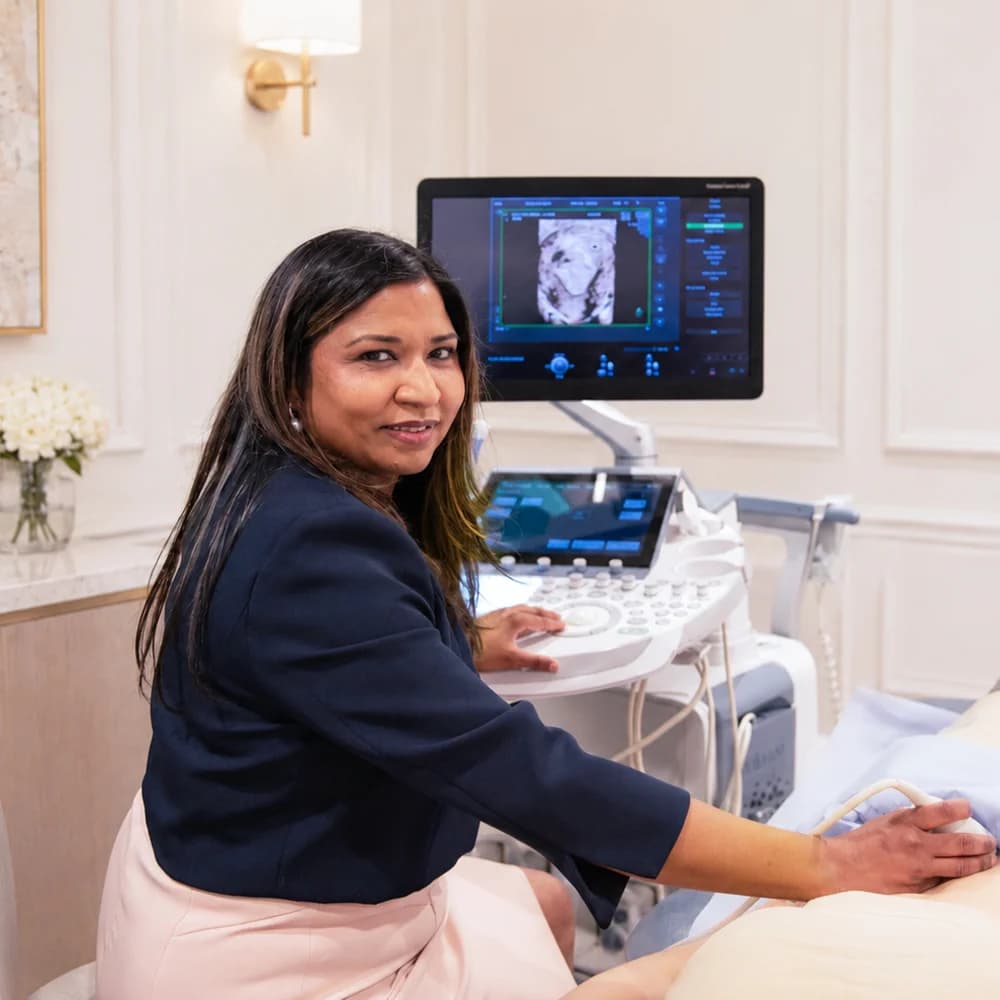
Book Your Heavy Periods Consultation

Frequently Asked Questions
How do I know if my periods are heavier than normal?
Heavy periods are not defined by a specific amount of bleeding. If your periods regularly interfere with your daily life, require frequent changes of sanitary protection, involve passing large blood clots, or cause fatigue or symptoms of anaemia, it is worth seeking specialist assessment.
Can heavy periods cause anaemia?
Yes. Excessive menstrual bleeding can lead to iron deficiency anaemia, which may cause tiredness, dizziness, shortness of breath, headaches, and reduced energy levels. Blood tests can help determine whether anaemia is contributing to your symptoms.

Will I need an ultrasound scan?
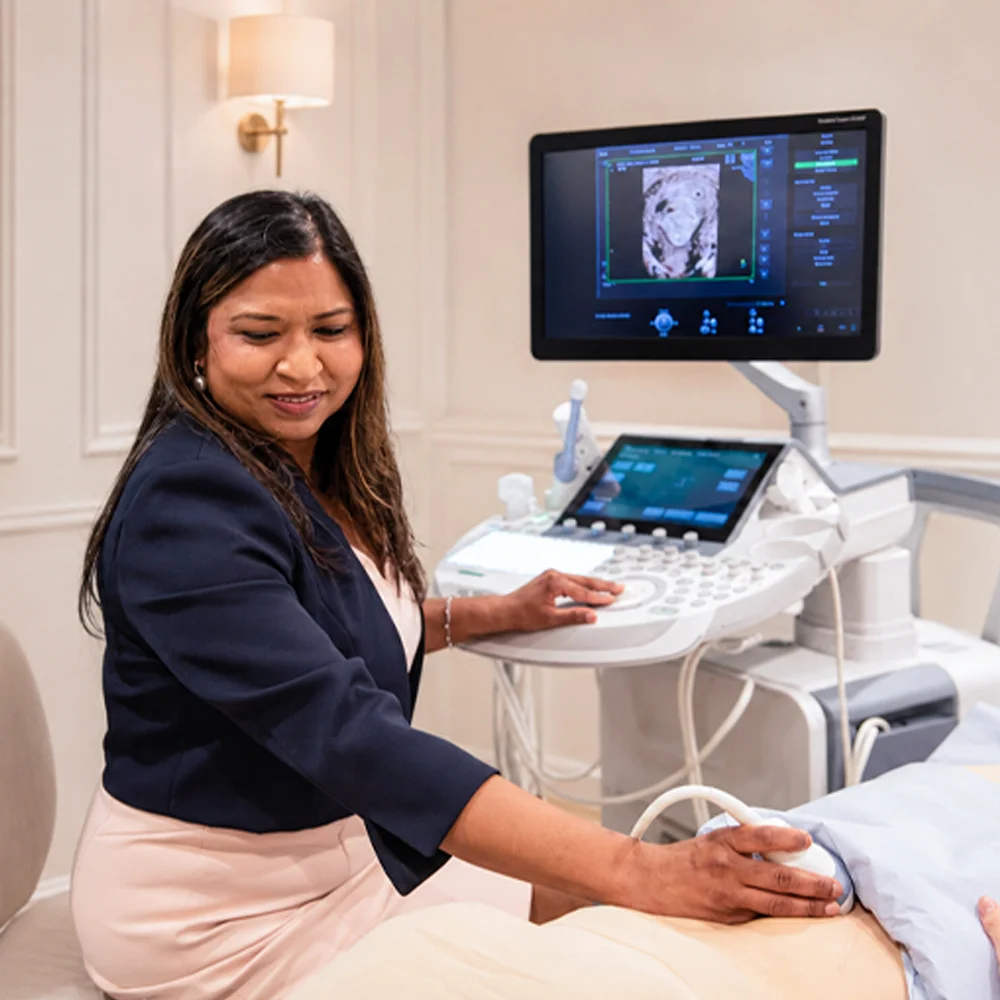
Many women benefit from a pelvic ultrasound to assess the uterus and ovaries and identify conditions such as fibroids, adenomyosis, or ovarian cysts. Your consultant will advise whether imaging is appropriate based on your symptoms and examination findings.
Will I need a hysteroscopy?
Not always. A hysteroscopy may be recommended if further assessment of the lining of the womb is required or if conditions such as endometrial polyps or other abnormalities are suspected.

Can heavy periods be treated without surgery?
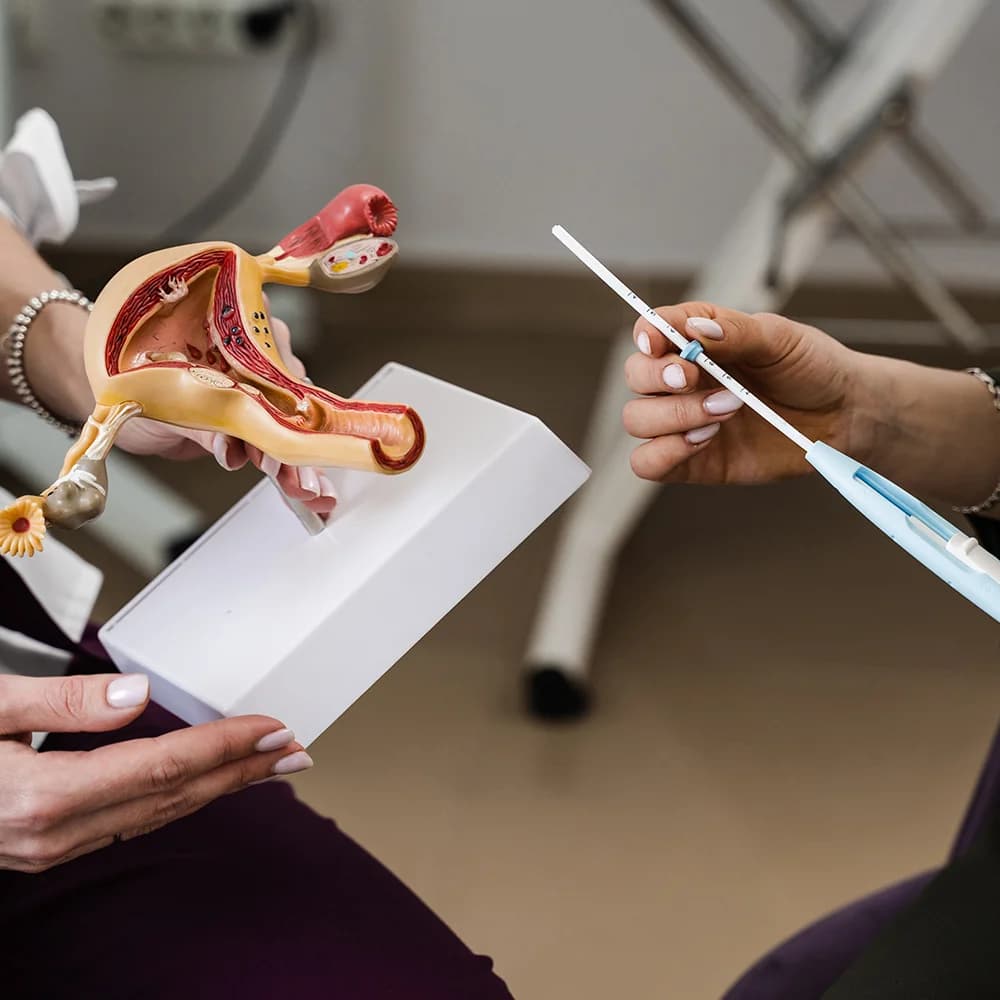
Yes. Many women achieve excellent symptom control with medication, hormonal treatments, or the hormonal intrauterine device (Mirena® coil). Surgery is usually only considered when conservative treatments have not been effective or are not appropriate.
Can heavy periods affect fertility?
Heavy periods do not necessarily affect fertility, but some of the underlying conditions responsible for heavy menstrual bleeding, such as fibroids or endometriosis, may do so. Your consultant will discuss this with you if it is relevant to your individual circumstances.

When should I seek urgent medical attention?
You should seek urgent medical advice if you experience extremely heavy bleeding causing dizziness or fainting, severe pelvic pain, bleeding during pregnancy, or if you are concerned that your symptoms require immediate medical attention.
What happens if no underlying cause is found?
In some women, investigations do not identify a specific cause for heavy periods. Effective treatment is still available, and your consultant will recommend the most appropriate options to help control your bleeding and improve your quality of life.

Do I need a GP referral?
No. Many women choose to self-refer for private assessment. Referrals from GPs and other healthcare professionals are also welcome.
How quickly can I be seen?
We provide fast access to consultations, investigations, and treatment, helping women receive expert assessment, prompt diagnosis, and timely care without unnecessary delays.

Our Professional Associations
At Gynaecology Clinic London, we are proud to be associated with leading professional organisations in gynaecology, obstetrics, and fetal medicine. These affiliations reflect our commitment to clinical excellence, evidence-based care, and staying at the forefront of women’s healthcare.




Our Locations
Our consultants at Gynaecology Clinic London see patients across leading private hospitals and clinics in London, including Harley Street, Canary Wharf, The Portland Hospital and Syon Clinic. These locations provide access to high-quality facilities, advanced diagnostics, and specialist women’s healthcare within comfortable and modern clinical settings.
10 Harley Street
Central London
10 Harley Street,
London,
W1G 9PF
Portland Hospital
Central London
The Portland Hospital,
212 Great Portland St,
London,
W1W 5QN
LycaHealth
Canary Wharf
1 Westferry Circus,
Canary Wharf,
London,
E14 4HA
Syon Clinic
Brentford
941 Great West Rd,
Brentford,
TW8 9DU