

 Message Us



Pelvic Prolapse Treatment
Pelvic Prolapse Treatment in London
Expert Pelvic Prolapse Treatment from Experienced Consultant Gynaecologists
Pelvic prolapse occurs when the muscles and supporting tissues of the pelvic floor become weakened, allowing the bladder, uterus, bowel, or top of the vagina to descend from their normal position. Many women experience symptoms such as a feeling of vaginal heaviness, a noticeable bulge, bladder or bowel problems, or discomfort that can affect everyday activities, exercise, intimacy, and overall quality of life. Although prolapse is a common condition, many women delay seeking treatment because they believe it is a normal part of ageing or childbirth or feel embarrassed discussing their symptoms.
At Gynaecology Clinic London, our experienced consultant gynaecologists provide expert assessment and treatment for pelvic prolapse in a professional, supportive, and discreet environment. We understand that every woman’s symptoms and treatment goals are different and are committed to providing evidence-based care tailored to your individual needs, helping you regain comfort, confidence, and quality of life.
Whether you have recently noticed symptoms or have been living with prolapse for some time, our specialists provide prompt access to expert advice and a full range of treatment options. From conservative management to specialist surgery where appropriate, we are committed to helping you find the most effective solution for your symptoms and lifestyle.

Dr Luxmi Velauthar
MBChB, MRCOG, MD


Why Choose Gynaecology Clinic London for Pelvic Prolapse?
Consultant-Led Care
Your assessment and treatment are provided by experienced consultant gynaecologists with expertise in pelvic floor disorders and pelvic prolapse, ensuring the highest standards of care throughout your treatment journey.
Comprehensive Treatment Options
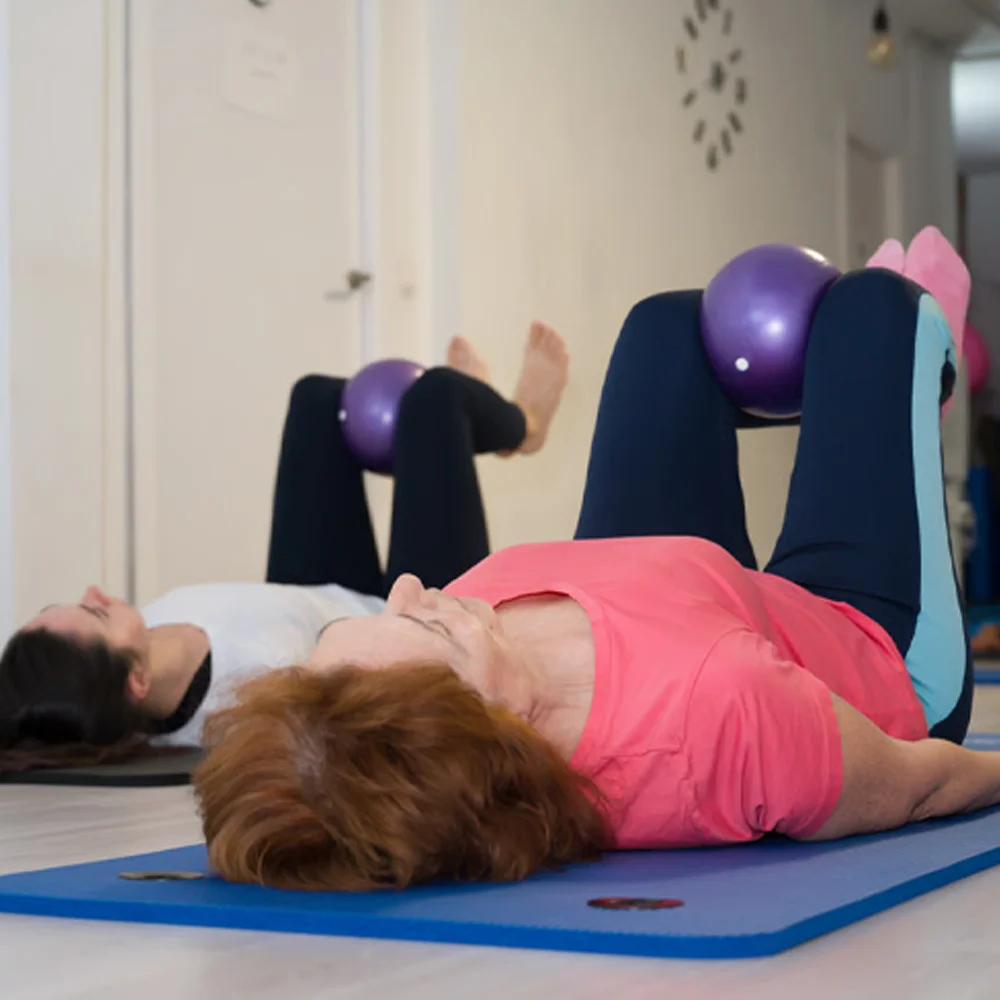
From pelvic floor physiotherapy and pessary management to specialist prolapse surgery where appropriate, we offer a complete range of evidence-based treatment options tailored to the type and severity of your prolapse.
Comprehensive Improving Everyday Life
Our aim is not only to treat prolapse but also to improve your comfort, mobility, bladder and bowel function, sexual wellbeing, confidence, and overall quality of life, helping you return to your normal daily activities.
Individualised Treatment Planning
Every woman's symptoms and treatment goals are different. We take the time to explain your diagnosis, discuss every appropriate treatment option, and develop a management plan that best suits your lifestyle, symptoms, and personal preferences.
Accepted by Major Health Insurers
We welcome both self-pay and insured patients and work with all major private health insurers where appropriate, helping make access to specialist care as straightforward as possible.
Fast Access to Appointments
Private care provides prompt access to consultations, investigations, and treatment, allowing you to receive expert care without unnecessary delays.
Testimonials

Book Your Consultation
Expert gynaecological care tailored to your individual needs.
Book a Consultation
Private Medical Insurance
At Gynaecology Clinic London, we aim to make access to specialist women’s healthcare as straightforward and transparent as possible. We welcome both insured and self-pay patients, and work with most major private medical insurers. Our team can provide guidance on appointments, insurance cover, and payment options, helping ensure the process is clear and supportive from the outset, so you can focus on your health and wellbeing with confidence.







Fees and Pricing
Clear and transparent pricing is an important part of planning your care. The following guide outlines our consultation fees. If further investigations, procedures, or treatments are recommended, these will be discussed with you in advance so that you fully understand the costs involved.
Initial
Consultation
£250
Your initial consultation includes a comprehensive assessment of your symptoms and medical history, along with any appropriate examinations, investigations, and treatment options. A personalised care plan will be developed based on your individual needs.
Follow-Up
Consultation
£200
Follow-up consultations provide an opportunity to review your progress, discuss investigation results, assess your response to treatment, and ensure your care plan continues to meet your needs.

What Is Pelvic Prolapse?

What Causes Pelvic Prolapse?


Symptoms of Pelvic Prolapse


When Should You Seek Specialist Advice?

What Does Your Consultation Involve?
Treatment for Pelvic Prolapse

Pelvic Prolapse and Pelvic Floor Physiotherapy


Pelvic Prolapse Surgery
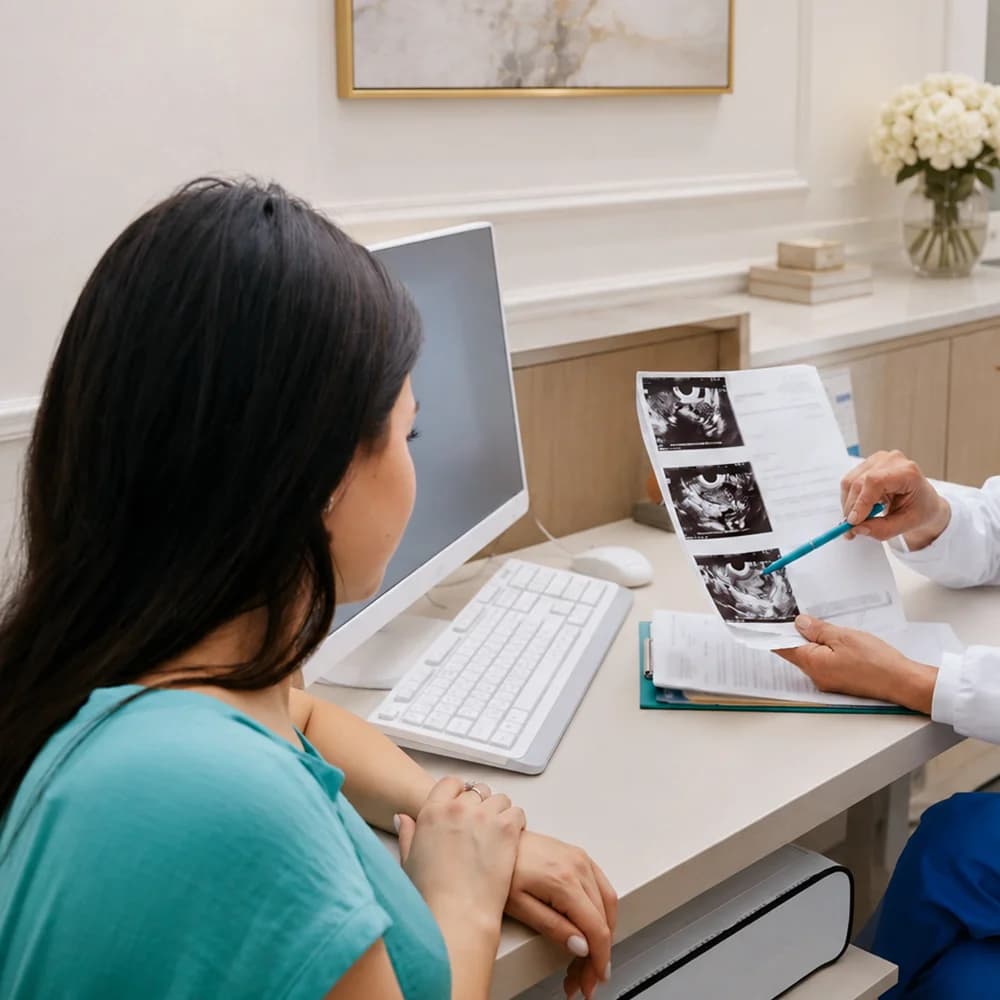
Book Your Pelvic Prolapse Consultation

Frequently Asked Questions
Does pelvic prolapse always require surgery?
No. Many women can successfully manage pelvic prolapse without surgery. Depending on the type and severity of your prolapse, treatment may include pelvic floor physiotherapy, lifestyle changes, vaginal pessaries, or other conservative treatments.
What is a vaginal pessary?
A vaginal pessary is a removable device placed inside the vagina to support the pelvic structures and help relieve prolapse symptoms. For many women, it provides an effective alternative to surgery and can significantly improve comfort and quality of life.

Will pelvic prolapse get worse over time?
Not always. Mild prolapse may remain stable for many years, while more significant prolapse can gradually worsen over time. Early assessment and appropriate treatment may help improve symptoms and reduce the likelihood of further progression.
Can pelvic prolapse affect my bladder or bowel?
Yes. Depending on the type and severity of the prolapse, some women experience urinary leakage, difficulty emptying the bladder, constipation, difficulty emptying the bowel, or a feeling of incomplete bladder or bowel emptying.

When is surgery recommended?
Surgery may be recommended if your symptoms are severe, conservative treatments have not provided sufficient relief, or prolapse is significantly affecting your daily activities, bladder or bowel function, or overall quality of life. Your consultant will discuss whether surgery is the most appropriate option for your individual circumstances.
Can I continue exercising if I have pelvic prolapse?
In many cases, yes. However, some forms of exercise may worsen symptoms. Your consultant can advise which activities are appropriate and recommend strategies to help protect your pelvic floor while remaining active.

Can pelvic prolapse return after treatment?
Although treatment is often very successful, pelvic prolapse can recur in some women over time. Maintaining a healthy weight, avoiding excessive straining, performing pelvic floor exercises where appropriate, and attending follow-up appointments may help reduce the risk of recurrence.
Do I need a GP referral?
No. Many women choose to self-refer for private assessment. Referrals from GPs and other healthcare professionals are also welcome.

How quickly can I be seen?
We provide fast access to consultations, investigations, and treatment, helping women receive expert assessment and timely care without unnecessary delays.
What happens at my first appointment?
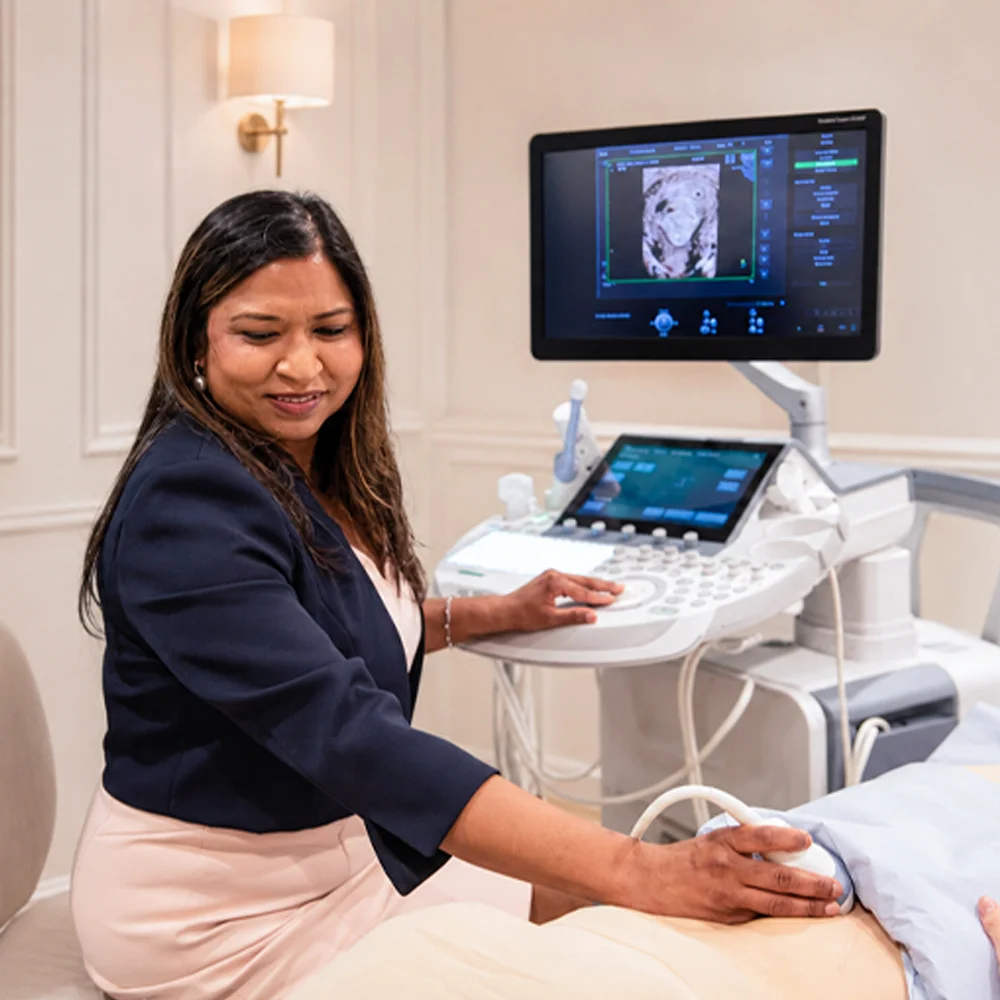
Your consultant will discuss your symptoms, medical history, and how prolapse is affecting your daily life before performing an examination where appropriate. Any findings will be explained clearly, and a personalised treatment plan will be recommended based on your individual needs and treatment goals.

Our Professional Associations
At Gynaecology Clinic London, we are proud to be associated with leading professional organisations in gynaecology, obstetrics, and fetal medicine. These affiliations reflect our commitment to clinical excellence, evidence-based care, and staying at the forefront of women’s healthcare.




Our Locations
Our consultants at Gynaecology Clinic London see patients across leading private hospitals and clinics in London, including Harley Street, Canary Wharf, The Portland Hospital and Syon Clinic. These locations provide access to high-quality facilities, advanced diagnostics, and specialist women’s healthcare within comfortable and modern clinical settings.
10 Harley Street
Central London
10 Harley Street,
London,
W1G 9PF
Portland Hospital
Central London
The Portland Hospital,
212 Great Portland St,
London,
W1W 5QN
LycaHealth
Canary Wharf
1 Westferry Circus,
Canary Wharf,
London,
E14 4HA
Syon Clinic
Brentford
941 Great West Rd,
Brentford,
TW8 9DU