

 Message Us



Vulval Biopsy in London
Vulval Biopsy Clinic in London
Expert Vulval Biopsy from Experienced Consultant Gynaecologists
A vulval biopsy is a minor procedure performed to investigate persistent vulval symptoms or skin changes that cannot be diagnosed by examination alone. It involves removing a very small sample of tissue from the affected area, which is then examined under a microscope to identify the underlying cause. A vulval biopsy is often the most reliable way of confirming a diagnosis, helping distinguish between inflammatory skin conditions, precancerous abnormalities, vulval cancer, and other disorders, so that the most appropriate treatment can be recommended with confidence.
At Gynaecology Clinic London, our experienced consultant gynaecologists perform vulval biopsies in a professional, supportive, and discreet environment. We understand that many women feel anxious about procedures involving the vulva, which is why we take the time to explain the reasons for the biopsy, answer your questions, and ensure you feel fully informed and comfortable throughout your care. Using modern techniques and local anaesthetic, we aim to make the procedure as straightforward as possible while obtaining the information needed for an accurate diagnosis.
Whether you have persistent vulval itching, soreness, burning, unexplained skin changes, a lump, ulcer, or pigmented lesion, have symptoms that have not responded to treatment, or have been advised that you may require a vulval biopsy, our consultants provide prompt access to specialist assessment, expert investigation, and personalised follow-up to help you obtain a clear diagnosis and the most appropriate treatment for your condition.

Dr Luxmi Velauthar
MBChB, MRCOG, MD


Why Choose Gynaecology Clinic London?
Consultant-Led Care
Your consultation and vulval biopsy are performed by experienced consultant gynaecologists with expertise in vulval conditions, ensuring accurate assessment, safe investigation, and high-quality care from diagnosis through to follow-up.
Comprehensive Assessment
We carry out a thorough assessment of your symptoms, medical history, and vulval skin before recommending a biopsy, ensuring the procedure is appropriate and helping identify the underlying cause of your symptoms.
Accurate Diagnosis
Your biopsy sample is examined by an experienced specialist pathologist, providing a precise diagnosis that allows us to develop the most appropriate treatment plan and any further investigations that may be required.
Clear Results and Follow-Up
We explain your biopsy results in clear, straightforward language, discuss any treatment or further investigations that may be needed, and provide ongoing support throughout every stage of your care.
Accepted by Major Health Insurers
We welcome both self-pay and insured patients and work with all major private health insurers where appropriate, helping make access to specialist assessment, investigation, and treatment as straightforward as possible.
Fast Access to Appointments
Private care provides prompt access to specialist consultations, vulval biopsy, diagnosis, and follow-up, allowing you to obtain answers quickly and begin appropriate treatment without unnecessary delays.
Testimonials

Book Your Consultation
Expert gynaecological care tailored to your individual needs.
Book a Consultation
Private Medical Insurance
At Gynaecology Clinic London, we aim to make access to specialist women’s healthcare as straightforward and transparent as possible. We welcome both insured and self-pay patients, and work with most major private medical insurers. Our team can provide guidance on appointments, insurance cover, and payment options, helping ensure the process is clear and supportive from the outset, so you can focus on your health and wellbeing with confidence.







Fees and Pricing
Clear and transparent pricing is an important part of planning your care. The following guide outlines our consultation fees. If further investigations, procedures, or treatments are recommended, these will be discussed with you in advance so that you fully understand the costs involved.
Initial
Consultation
£250
Your initial consultation includes a comprehensive assessment of your symptoms and medical history, along with any appropriate examinations, investigations, and treatment options. A personalised care plan will be developed based on your individual needs.
Follow-Up
Consultation
£200
Follow-up consultations provide an opportunity to review your progress, discuss investigation results, assess your response to treatment, and ensure your care plan continues to meet your needs.

What Is a Vulval Biopsy?

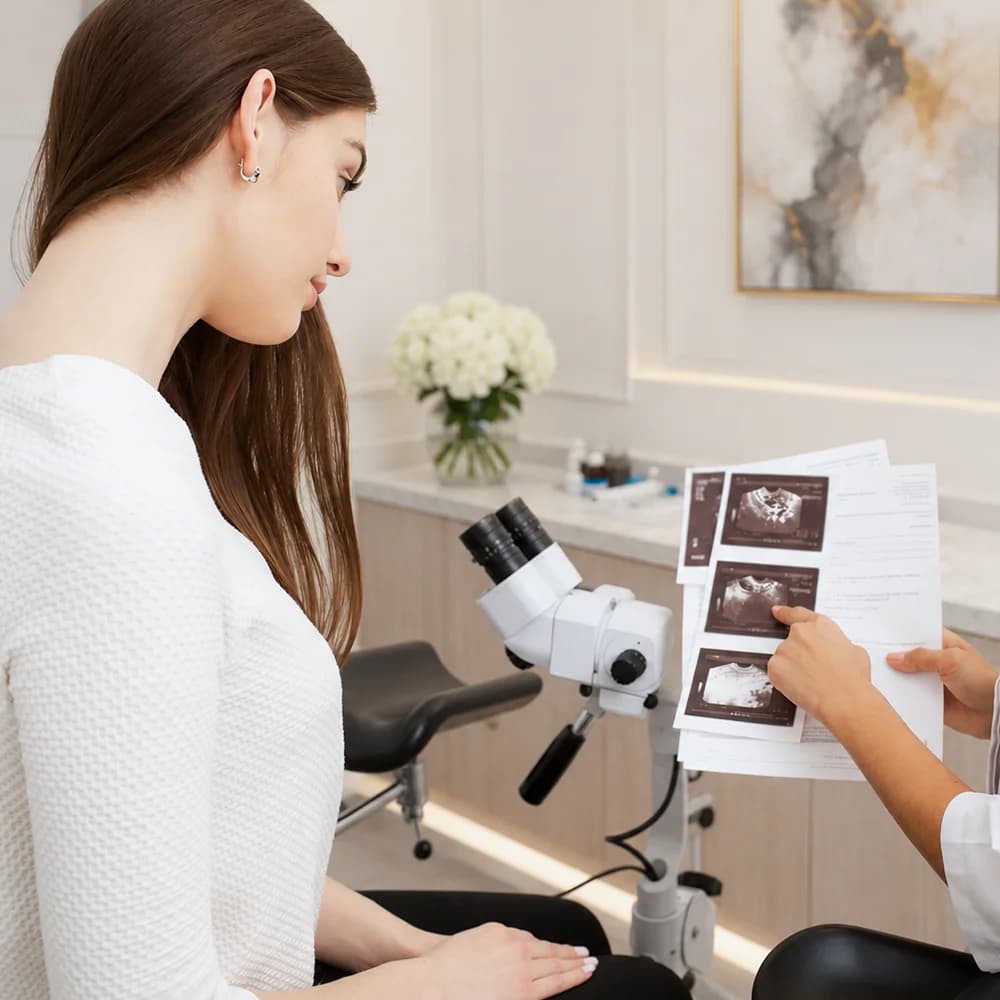
Why Might You Need a Vulval Biopsy?

Conditions a Vulval Biopsy Can Help Diagnose

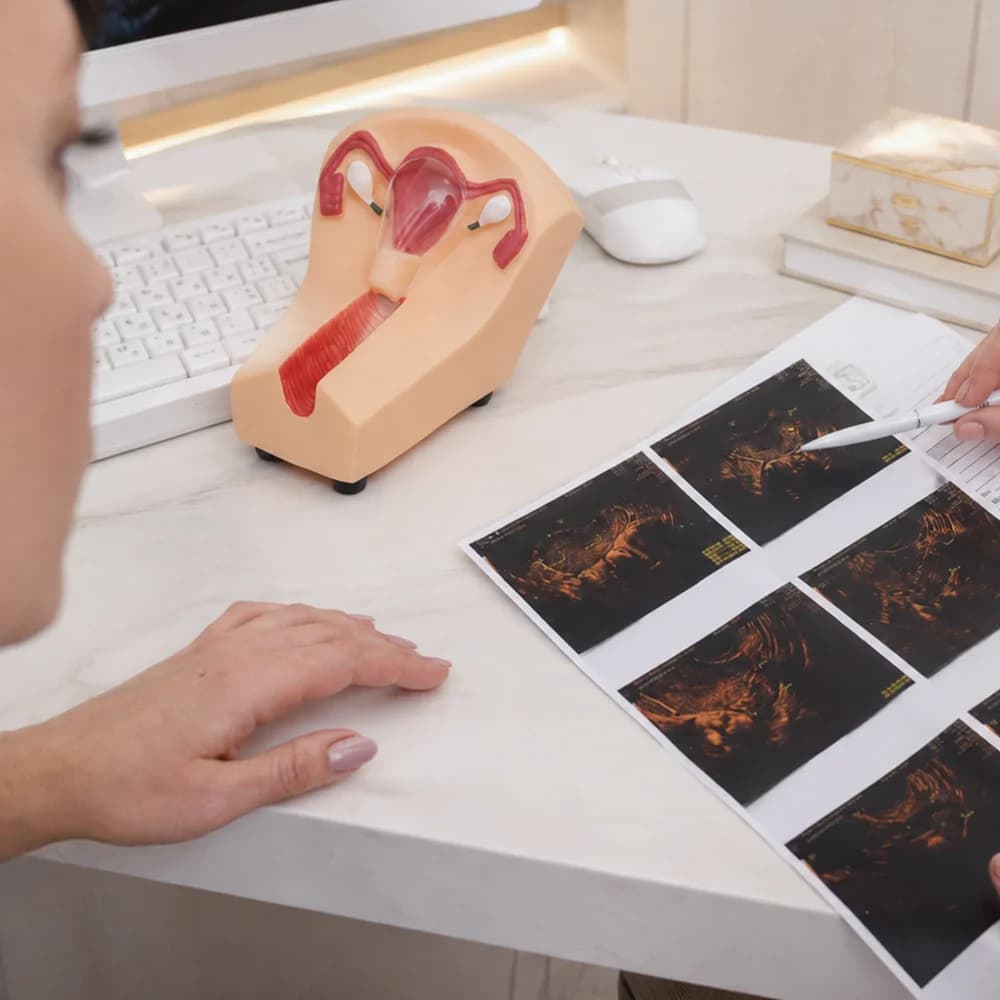
What Does Your Consultation Involve?
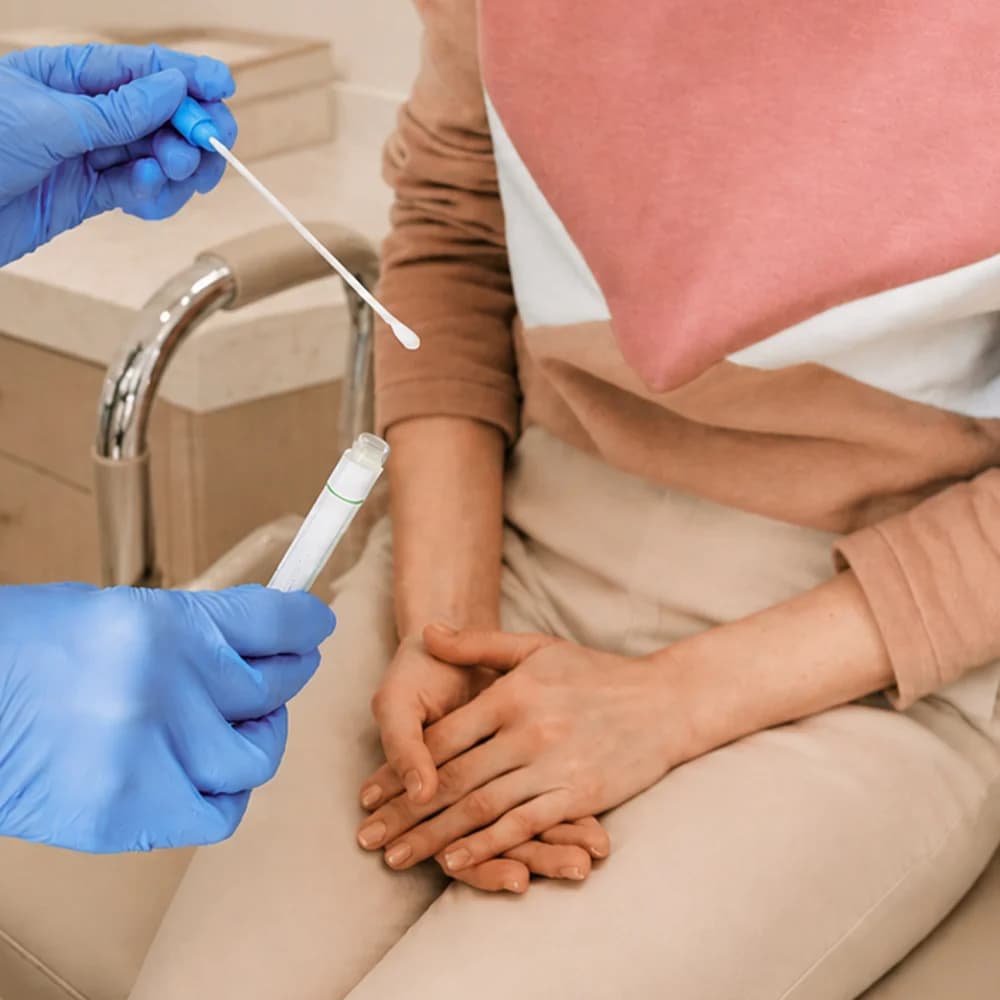
How Is a Vulval Biopsy Performed?

Recovery After a Vulval Biopsy
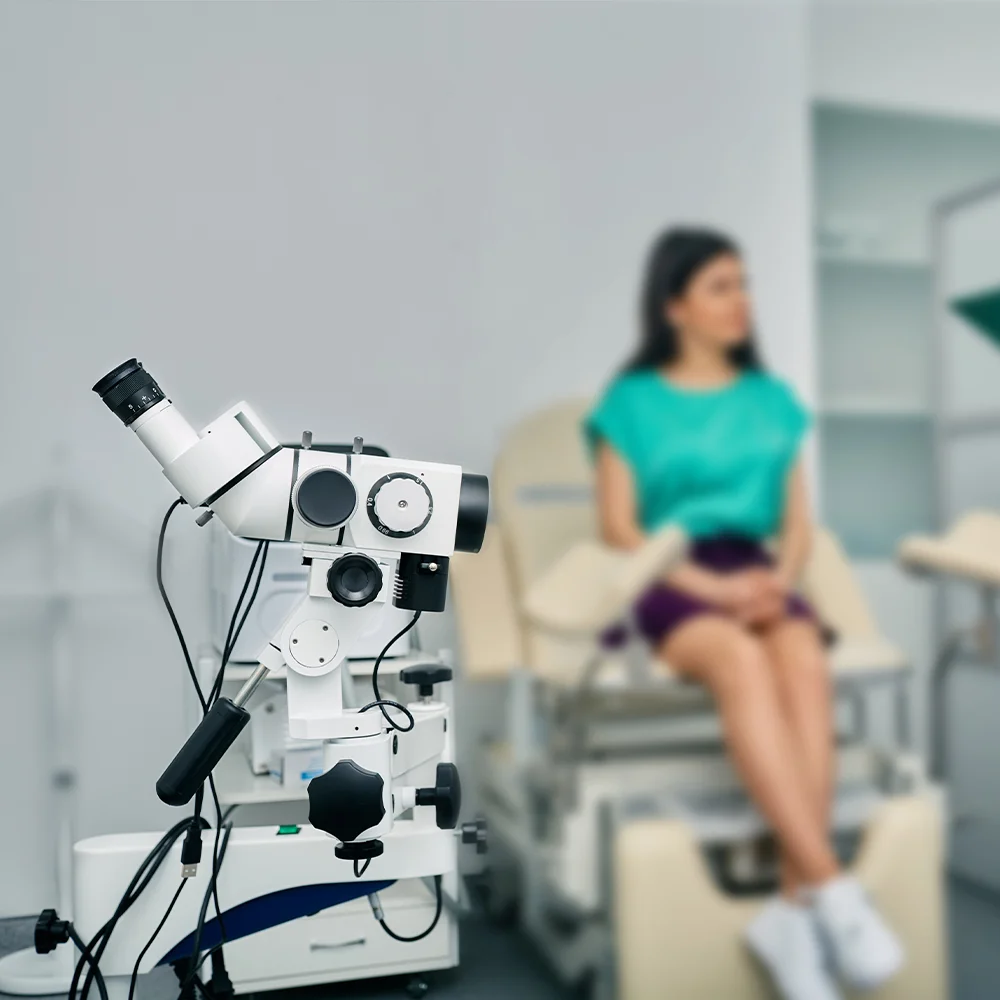
Understanding Your Biopsy Results
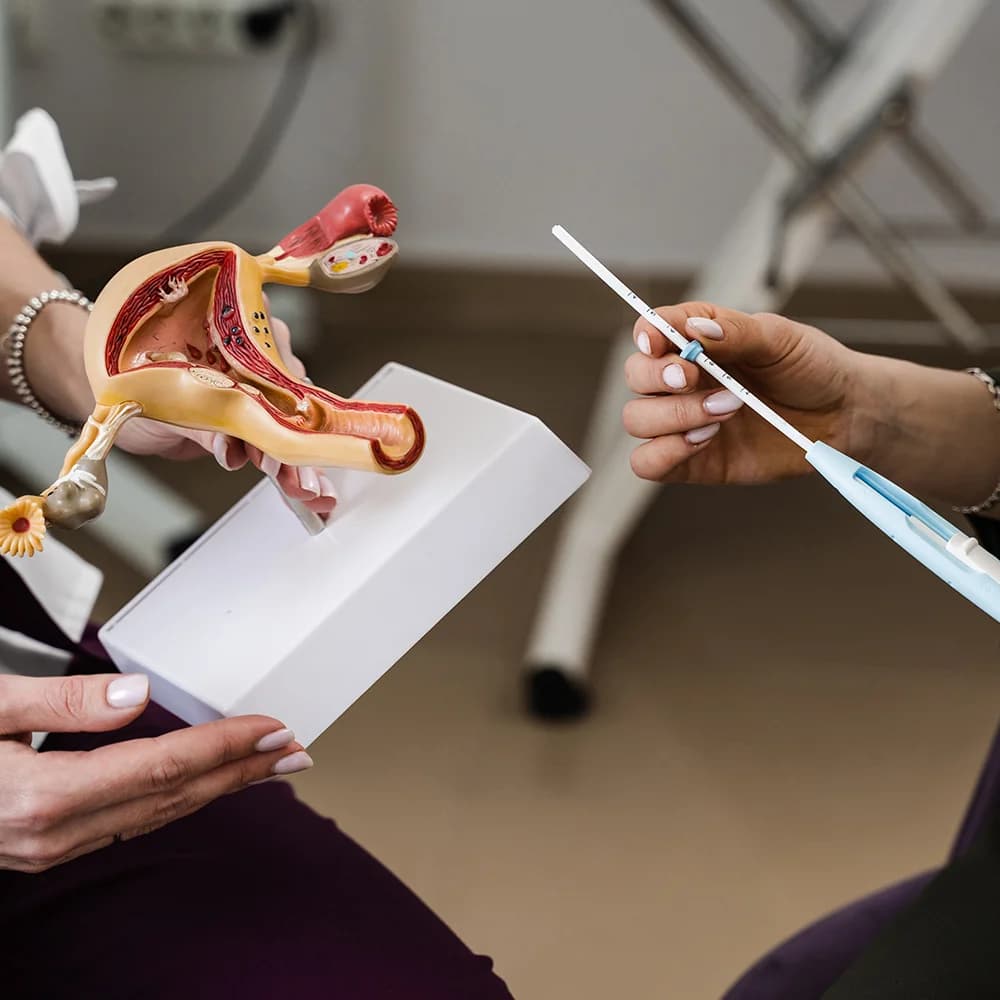
Book Your Vulval Biopsy Consultation

Frequently Asked Questions
Why has my consultant recommended a vulval biopsy?
A vulval biopsy is recommended when a diagnosis cannot be confirmed by examination alone or when persistent symptoms or skin changes require further investigation. The results help your consultant identify the exact cause of your symptoms and recommend the most appropriate treatment.
Is a vulval biopsy painful?
The procedure is performed under local anaesthetic, so the area is numbed before the biopsy begins. You may notice a brief sting when the anaesthetic is injected, but most women experience little discomfort during the biopsy itself.
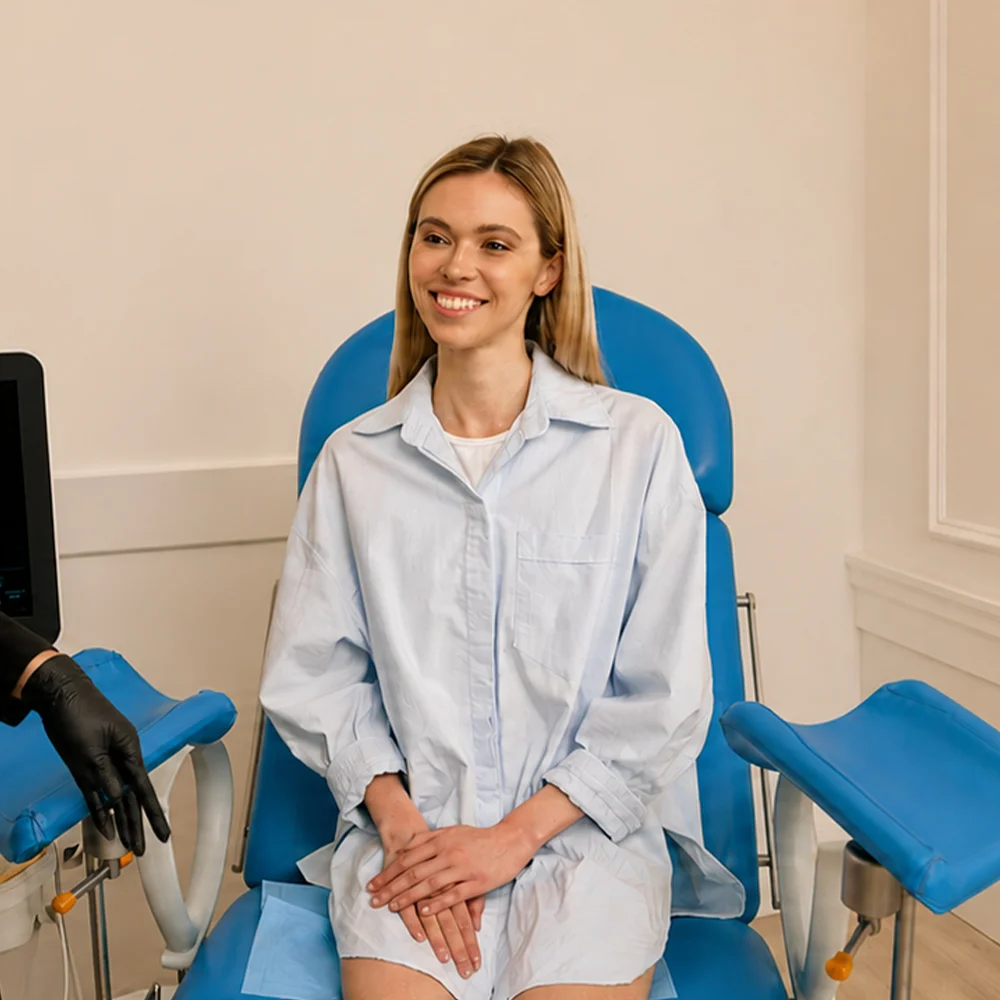
Does needing a vulval biopsy mean I have cancer?
No. Most vulval biopsies are performed to diagnose inflammatory skin conditions or investigate persistent symptoms that have not responded to treatment. In many cases, the biopsy confirms a benign condition rather than cancer.
How long does the procedure take?
A vulval biopsy is usually completed within 15 to 30 minutes, including preparation, administration of the local anaesthetic, and the procedure itself. You can normally return home shortly afterwards.

Will I need stitches?
Depending on the size and location of the biopsy, a small dissolvable stitch may be used to help the area heal. Your consultant will explain exactly what to expect before the procedure is carried out.
When will I receive my biopsy results?
Your tissue sample is sent to a specialist laboratory for analysis, and results are usually available within a few weeks. Your consultant will explain the findings clearly and discuss whether any further treatment or follow-up is recommended.

How long does recovery take?
Most women recover within one to two weeks. Mild tenderness, discomfort, or light spotting is common during the first few days, and your consultant will provide detailed aftercare advice to help promote healing.
Can I return to work after a vulval biopsy?
Most women are able to return to work and normal daily activities within a day or two, although this depends on the location of the biopsy and the nature of your job. Your consultant will advise you if any temporary restrictions are recommended.

Do I need a GP referral?
No. Many women choose to self-refer for a private consultation. Referrals from GPs and other healthcare professionals are also welcome.
How quickly can I be seen?
We provide fast access to consultant-led assessment, vulval biopsy, diagnosis, and follow-up, allowing you to receive timely answers and begin appropriate treatment without unnecessary delays.
Our Professional Associations
At Gynaecology Clinic London, we are proud to be associated with leading professional organisations in gynaecology, obstetrics, and fetal medicine. These affiliations reflect our commitment to clinical excellence, evidence-based care, and staying at the forefront of women’s healthcare.




Our Locations
Our consultants at Gynaecology Clinic London see patients across leading private hospitals and clinics in London, including Harley Street, Canary Wharf, The Portland Hospital and Syon Clinic. These locations provide access to high-quality facilities, advanced diagnostics, and specialist women’s healthcare within comfortable and modern clinical settings.
10 Harley Street
Central London
10 Harley Street,
London,
W1G 9PF
Portland Hospital
Central London
The Portland Hospital,
212 Great Portland St,
London,
W1W 5QN
LycaHealth
Canary Wharf
1 Westferry Circus,
Canary Wharf,
London,
E14 4HA
Syon Clinic
Brentford
941 Great West Rd,
Brentford,
TW8 9DU