

 Message Us



Vulvodynia Treatment in London
Vulvodynia Treatment Clinic in London
Expert Diagnosis and Treatment from Consultant Gynaecologists
Vulvodynia is a chronic pain condition affecting the vulva that can cause persistent burning, stinging, soreness, or discomfort without an obvious cause. For many women, symptoms can be physically and emotionally exhausting, affecting everyday activities, intimate relationships, confidence, and overall quality of life. Unfortunately, many women live with symptoms for months or even years before receiving an accurate diagnosis and appropriate treatment.
At Gynaecology Clinic London, our experienced consultant gynaecologists provide expert private assessment and treatment for women experiencing vulvodynia. We understand how distressing persistent vulval pain can be and take a compassionate, personalised approach focused on identifying contributing factors, relieving symptoms, and helping women regain comfort and confidence.
Whether you are experiencing pain during sex, burning or irritation affecting daily life, or symptoms that have not improved with previous treatments, our specialists provide prompt access to expert care and tailored treatment plans designed around your individual needs. Our aim is to help you achieve lasting symptom relief and improve your overall quality of life.

Dr Luxmi Velauthar
MBChB, MRCOG, MD


Why Choose Gynaecology Clinic London for Your Vulvodynia Care?
Consultant-Led Specialist Care
Your care is led by experienced consultant gynaecologists with expertise in vulval disorders, chronic pelvic pain, and women's health, ensuring you receive expert assessment and evidence-based treatment.
Accurate Diagnosis
Vulvodynia can often be mistaken for infections and other vulval conditions. We focus on identifying the underlying cause of your symptoms and excluding other conditions to ensure the most appropriate treatment.
Personalised Treatment Plans
Every woman's experience of vulvodynia is unique. We tailor investigations and treatment recommendations around your symptoms, medical history, and individual health needs.
Compassionate and Understanding Care
We understand how frustrating and distressing persistent vulval pain can be. Our team is committed to ensuring you feel listened to, supported, and fully informed throughout your treatment journey.
Accepted by Major Health Insurers
We welcome both self-pay and insured patients and work with all major private health insurers, helping make access to specialist care as straightforward as possible.
Fast Access to Expert Care
Private care provides prompt access to specialist consultations and treatment, helping minimise delays in diagnosis and enabling you to begin effective management sooner.
Testimonials

Book Your Consultation
Expert gynaecological care tailored to your individual needs.
Book a Consultation
Private Medical Insurance
At Gynaecology Clinic London, we aim to make access to specialist women’s healthcare as straightforward and transparent as possible. We welcome both insured and self-pay patients, and work with most major private medical insurers. Our team can provide guidance on appointments, insurance cover, and payment options, helping ensure the process is clear and supportive from the outset, so you can focus on your health and wellbeing with confidence.







Fees and Pricing
Clear and transparent pricing is an important part of planning your care. The following guide outlines our consultation fees. If further investigations, procedures, or treatments are recommended, these will be discussed with you in advance so that you fully understand the costs involved.
Initial
Consultation
£250
Your initial consultation includes a comprehensive assessment of your symptoms and medical history, along with any appropriate examinations, investigations, and treatment options. A personalised care plan will be developed based on your individual needs.
Follow-Up
Consultation
£200
Follow-up consultations provide an opportunity to review your progress, discuss investigation results, assess your response to treatment, and ensure your care plan continues to meet your needs.

What Is Vulvodynia?
Although the exact cause of vulvodynia is not always clear, factors involving nerves, muscles, hormones, inflammation, or previous infections may play a role. While the condition is not dangerous, it can have a significant impact on physical comfort, emotional wellbeing, and intimate relationships. Importantly, vulvodynia is a recognised medical condition, and specialist assessment can help provide an accurate diagnosis and guide effective treatment.

Common Symptoms of Vulvodynia
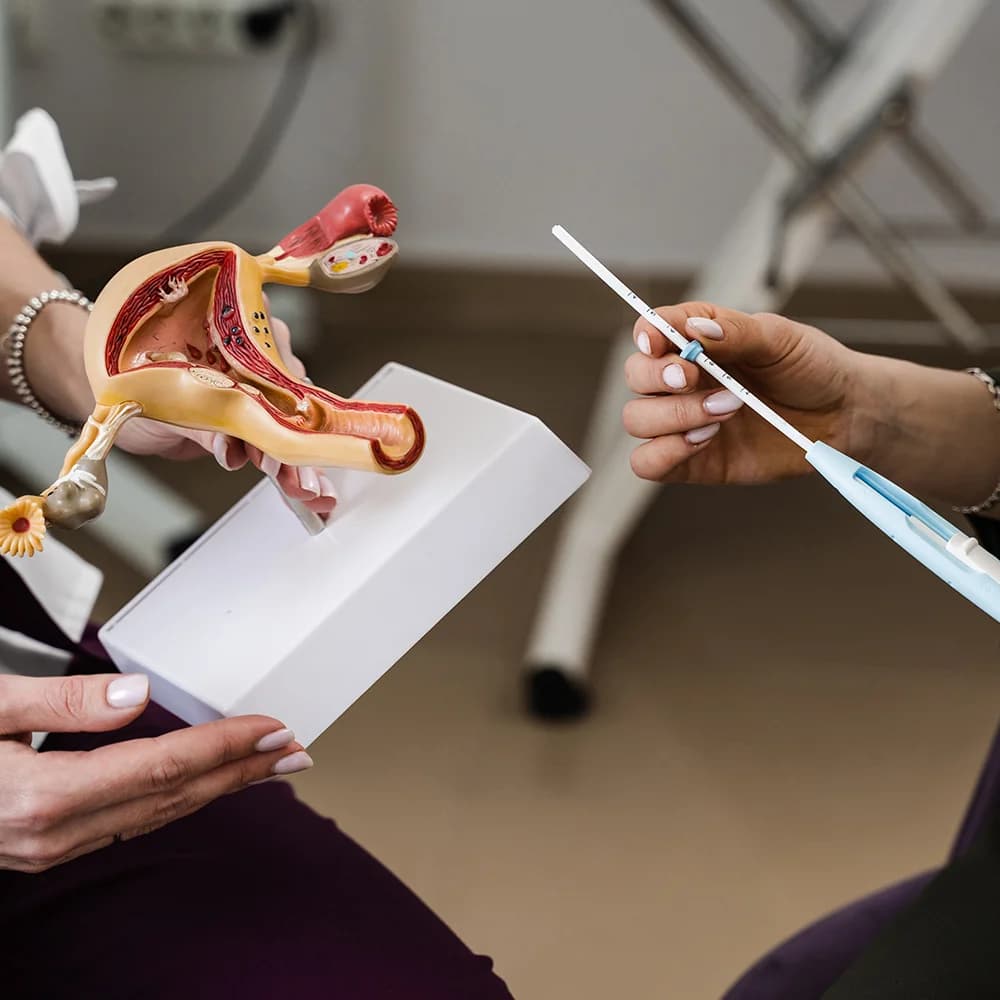

When Should You See a Specialist?
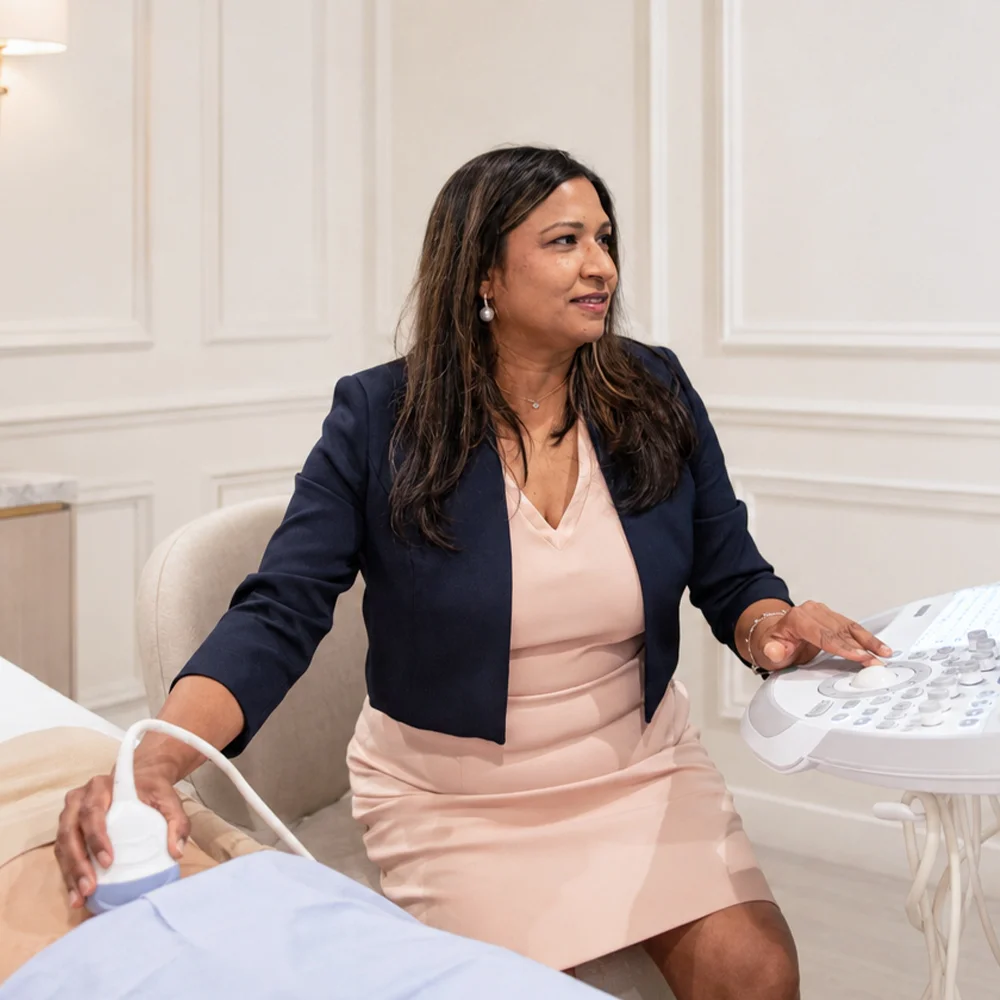
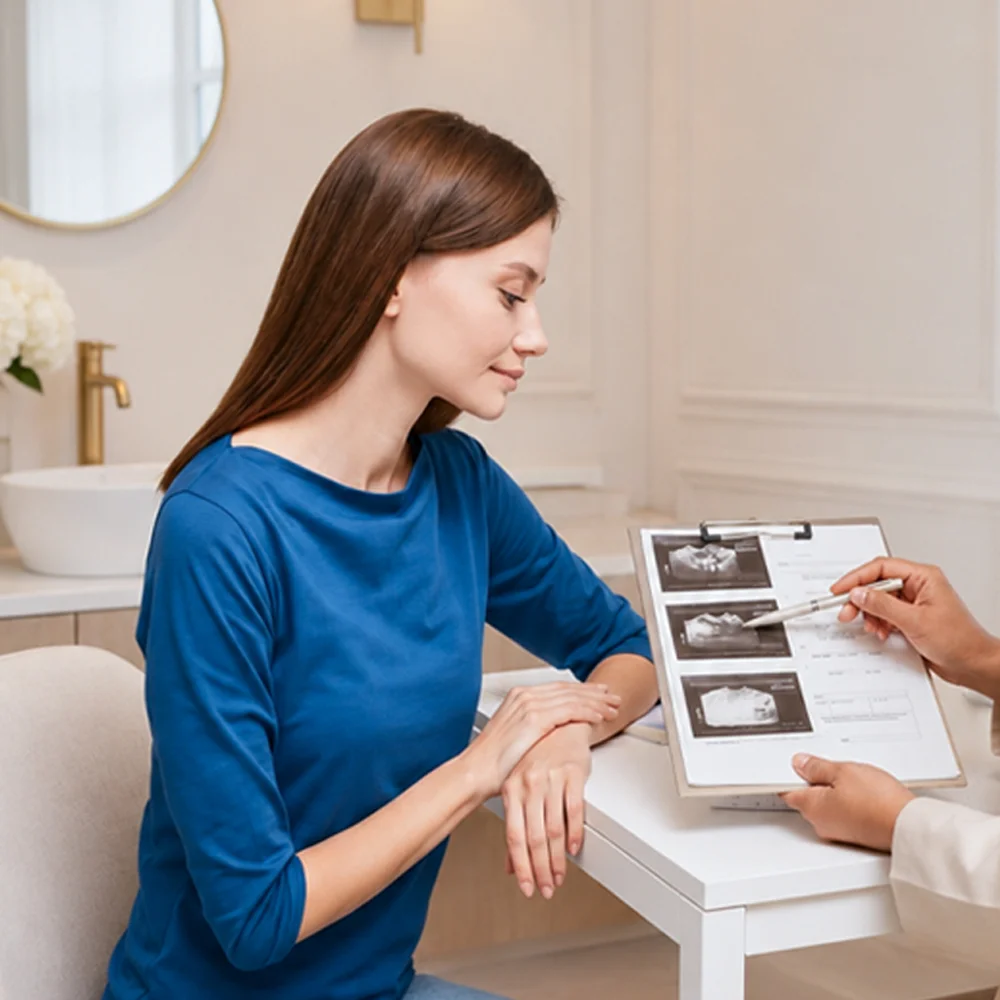
Vulvodynia Diagnosis
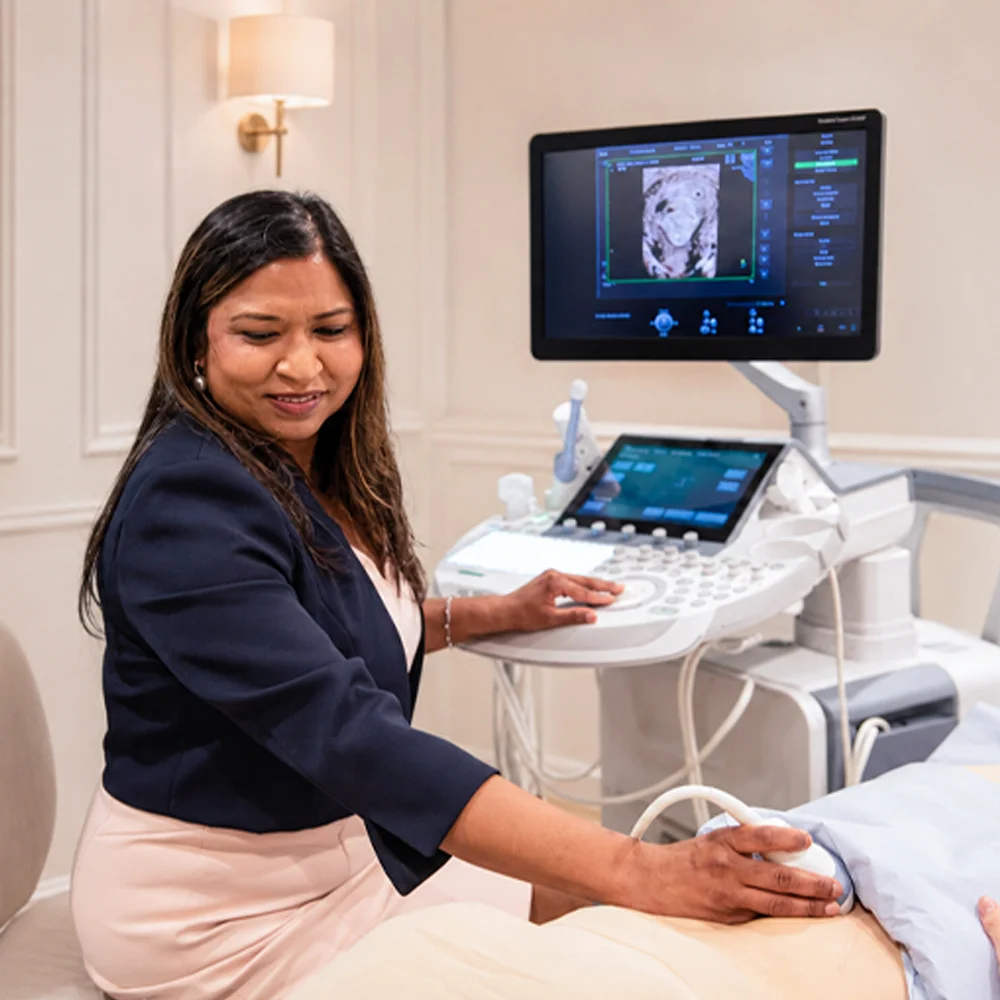
Vulvodynia Treatment Options
Medical Treatment
Medications and topical treatments may help reduce pain, improve comfort, and relieve symptoms in selected cases. Your consultant will recommend the most appropriate treatment based on your symptoms and medical history.
Pelvic Floor Therapy
Pelvic floor muscle tension and dysfunction can sometimes contribute to vulvodynia. Specific therapies may help reduce pain, improve muscle function, and alleviate discomfort during daily activities and sexual intercourse.
Lifestyle and Vulval Care Advice
Simple changes in vulval care, clothing choices, and lifestyle measures may help minimise irritation and support long-term symptom control. Your consultant will provide practical advice tailored to your individual needs.
Management of Contributing Factors
Where contributing factors such as hormonal changes, previous infections, skin conditions, or associated medical problems are identified, targeted treatment may help improve symptoms and overall comfort.
Pain Management Strategies
A combination of treatments may sometimes be required to help manage chronic pain effectively. Our aim is to help reduce discomfort and enable you to return to normal daily activities with greater confidence.
Personalised Long-Term Management
Because every woman's experience of vulvodynia is different, treatment recommendations are tailored to your symptoms, medical history, and overall wellbeing. Our goal is to provide lasting symptom relief, improve quality of life, and help you regain comfort, confidence, and intimacy.
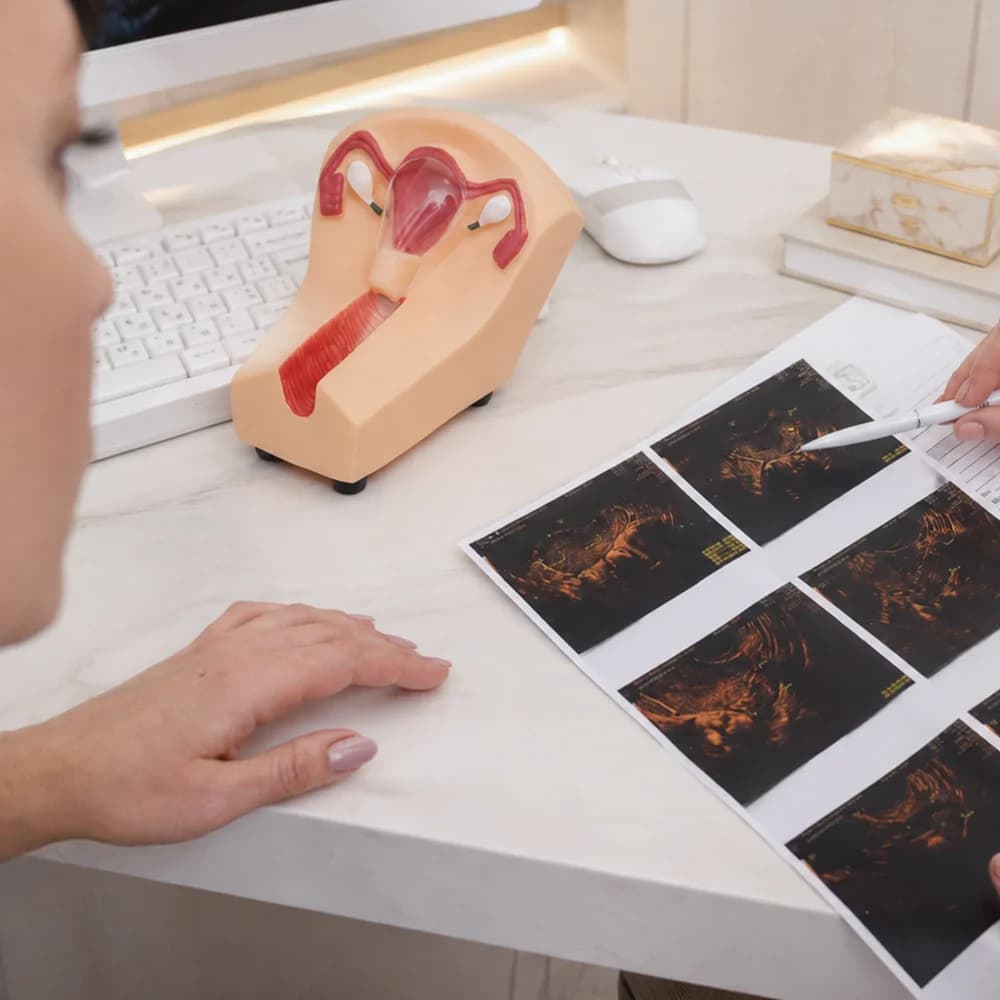
Vulvodynia and Quality of Life
Vulvodynia and Pain During Sex

Book a Private Consultation for Vulvodynia

Frequently Asked Questions
Is vulvodynia a common condition?
Yes. Vulvodynia is more common than many women realise, although it is frequently underdiagnosed. Many women experience symptoms for prolonged periods before receiving an accurate diagnosis and appropriate treatment.
Will vulvodynia go away on its own?
Symptoms can fluctuate over time, but persistent vulval pain should not be ignored. Seeking specialist advice can help identify contributing factors and improve the likelihood of achieving effective long-term symptom control.

Can vulvodynia affect my relationships and emotional wellbeing?
Yes. Chronic pain and discomfort can affect intimacy, confidence, and overall quality of life. Many women feel frustrated or isolated, which is why compassionate support and personalised care are an important part of treatment.
Can vulvodynia make sexual intercourse painful?
Yes. Pain during sex is one of the most common symptoms of vulvodynia. With appropriate assessment and treatment, many women experience significant improvements in comfort and intimacy.

Will I need tests?
Investigations are sometimes recommended to exclude infections, skin conditions, hormonal changes, and other causes of vulval pain. Your consultant will advise which tests, if any, are appropriate based on your symptoms and medical history.
Is surgery required for vulvodynia?
Most women with vulvodynia are managed without surgery. Treatment usually focuses on relieving symptoms and addressing any contributing factors through a personalised management plan.

Can vulvodynia be successfully treated?
Although treatment varies from one woman to another, many women experience substantial improvement in symptoms and quality of life with appropriate specialist care and ongoing management.
Do I need a GP referral?
No. Many women choose to self-refer for private vulvodynia assessment and treatment. Referrals from GPs and other healthcare professionals are also welcome.

Can symptoms improve after years of discomfort?
Yes. Even women who have experienced symptoms for a long time may benefit from specialist assessment and personalised treatment. It is never too late to seek help.
How quickly can I be seen?
We provide fast access to specialist consultations and treatment, helping women receive answers and begin effective management without unnecessary delays.

Our Professional Associations
At Gynaecology Clinic London, we are proud to be associated with leading professional organisations in gynaecology, obstetrics, and fetal medicine. These affiliations reflect our commitment to clinical excellence, evidence-based care, and staying at the forefront of women’s healthcare.




Our Locations
Our consultants at Gynaecology Clinic London see patients across leading private hospitals and clinics in London, including Harley Street, Canary Wharf, The Portland Hospital and Syon Clinic. These locations provide access to high-quality facilities, advanced diagnostics, and specialist women’s healthcare within comfortable and modern clinical settings.
10 Harley Street
Central London
10 Harley Street,
London,
W1G 9PF
Portland Hospital
Central London
The Portland Hospital,
212 Great Portland St,
London,
W1W 5QN
LycaHealth
Canary Wharf
1 Westferry Circus,
Canary Wharf,
London,
E14 4HA
Syon Clinic
Brentford
941 Great West Rd,
Brentford,
TW8 9DU