



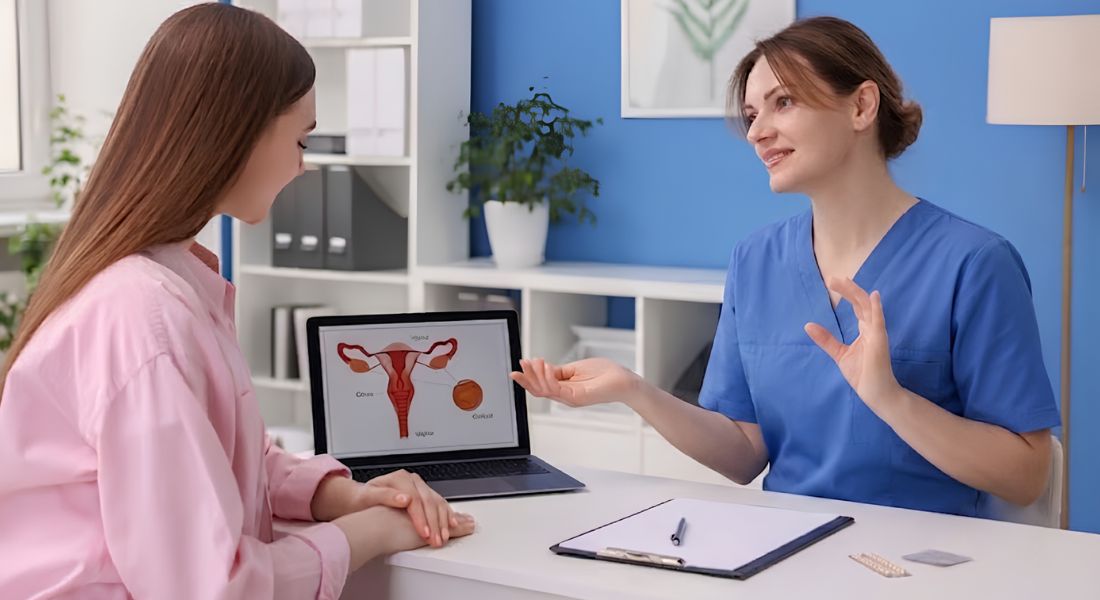
Many gynaecological symptoms can leave you wondering whether you should book an appointment or simply wait to see if the problem settles on its own. Changes to your periods, pelvic health, vaginal wellbeing or menopause symptoms can sometimes feel difficult to talk about, which may make you put off seeking advice.
You do not need to wait until a symptom becomes severe before speaking to a doctor. If something is new, keeps coming back, lasts longer than expected or starts affecting your daily life, it may be worth arranging a gynaecological assessment. This can help you understand possible causes of your symptoms and whether treatment or further investigation may be appropriate.
When Should You Consider Seeing a Gynaecologist?
| Symptom | When to seek advice |
| Heavy periods | If bleeding affects daily activities, causes fatigue or becomes difficult to manage |
| Pelvic pain | If persistent, worsening or affecting everyday life |
| Bleeding after sex | If repeated, unexplained or associated with other symptoms |
| Postmenopausal bleeding | Always arrange medical assessment, even if it happens once |
| Fertility concerns | If conception is taking longer than expected or risk factors exist |
| Menopause symptoms | If symptoms affect quality of life |
Clinical Insight: Symptoms Do Not Always Reflect Severity
The severity of a gynaecological condition is not always measured by how intense your symptoms feel. Some conditions may cause significant symptoms with relatively minor findings, while others may develop with subtle or changing symptoms. This is why persistent, unusual or disruptive changes are worth discussing with a healthcare professional.
What Can a Gynaecologist Help You With?
A gynaecologist specialises in conditions that affect your reproductive and pelvic health. This includes your uterus, ovaries, fallopian tubes, cervix, vagina and vulva. They can assess a wide range of symptoms and help identify what may be causing them.
You may choose to see a gynaecologist if you’re experiencing menstrual problems, pelvic pain, fertility concerns or menopause symptoms. You do not need to know exactly what is causing your symptoms before seeking advice. Your consultation is designed to explore your concerns and determine whether any examinations or investigations may be helpful.
Do You Need a Gynaecologist for Cervical Screening?
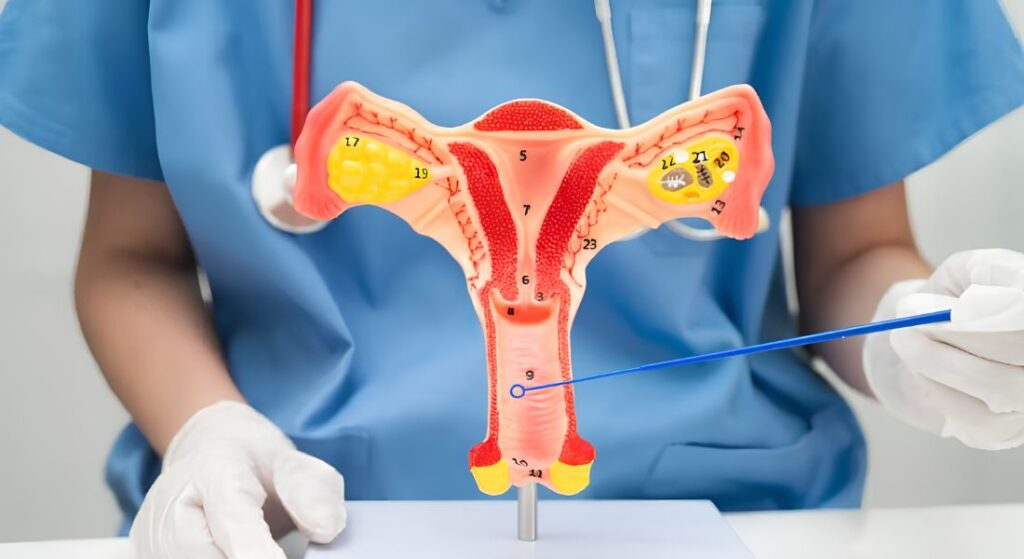
Routine cervical screening and a gynaecology consultation have different purposes. Cervical screening first checks for high-risk HPV. If HPV is found, the sample may then be examined for cervical cell changes, while a gynaecology appointment is used to investigate symptoms or concerns.
If you have symptoms such as bleeding after sex, unusual bleeding, pelvic pain or persistent discharge, you should seek medical advice rather than waiting for your next screening appointment.
Key Fact: Cervical Screening Does Not Replace Symptom Assessment
Cervical screening is designed for people without symptoms to detect HPV-related cervical changes. If you develop symptoms such as bleeding after sex, unusual bleeding or persistent pelvic pain, you should seek medical advice rather than waiting for your next screening appointment.
When Heavy Periods Start Affecting Your Life
Heavy periods aren’t just about the amount of blood you lose; they also matter in terms of how they affect your daily life. If your periods regularly disrupt work, social activities, or exercise, it may be worth seeking medical advice.
- Frequent Product Changes: Needing to change sanitary products very often can be a sign that your periods are heavier than normal.
- Bleeding Through: Passing large clots or bleeding through clothing or bedding may indicate heavy menstrual bleeding.
- Impact on Quality of Life: If your periods are affecting your comfort, routine, or wellbeing, a medical assessment can help.
- Check for Anaemia: Your doctor may recommend blood tests to check for iron deficiency, especially if you feel tired, weak, or short of breath.
Overall, noticing how your periods affect daily life helps you understand when to seek help. Early assessment can guide investigations and management to improve both health and quality of life.
When Your Periods Become Irregular
Your menstrual cycle does not need to arrive on exactly the same day every month. However, if you notice a significant or ongoing change from your usual pattern, it may be worth discussing it with a gynaecologist. Changes that are new, persistent or becoming more noticeable can sometimes indicate an underlying issue that needs assessment.
You may find that your periods become more frequent, much further apart or increasingly unpredictable. Some women also begin missing periods without an obvious reason. Keeping a record of when your periods start, how long they last and any other symptoms you experience can provide useful information during your consultation.
When Period Pain Feels Difficult to Manage
Period pain can be uncomfortable, but it should not regularly stop you from working, studying, exercising or enjoying your usual activities. If your pain is affecting your daily life or becoming harder to manage, it is worth seeking medical advice.
You should speak to a gynaecologist if your pain is severe, getting worse over time or no longer improving with measures that previously helped. Symptoms such as pain during sex or pain when opening your bowels during your period should also be discussed, as they may help identify the possible cause.
Lifestyle Factors and Self-Monitoring Indicators
| Factor | Why It Matters | Practical Advice |
| Tracking Menstrual Cycle | Helps identify irregularities or changes that may indicate underlying conditions | Use a calendar or app to note dates, flow, and symptoms |
| Pain Diary | Can reveal patterns related to period, ovulation, or sexual activity | Record severity, timing, and triggers of pelvic or menstrual pain |
| Discharge Observation | Changes in colour, odour, or consistency may signal infection or hormonal changes | Note any unusual changes and associated symptoms like itching or burning |
| Fertility Awareness | Delays in conception could indicate fertility issues | Seek earlier advice if you have been trying to conceive for 12 months, or sooner if you are aged 36 or over or have known fertility risk factors. |
| Lifestyle Impact | Weight, stress, or exercise can influence cycles and symptoms | Track how lifestyle changes affect your menstrual health |
| Contraception Effects | Hormonal methods may cause irregular bleeding | Monitor bleeding patterns and discuss persistent changes with a gynaecologist |
| Symptom Duration | Persistent symptoms are more likely to indicate an underlying issue | Seek medical assessment if new or recurring symptoms last >1–2 cycles |
Bleeding Between Your Periods
Bleeding or spotting between periods can happen for several reasons. While the cause is often not serious, it is important to seek medical advice if the bleeding is unexplained, keeps returning or is different from your usual cycle.
It can help to note when the bleeding happens, how often it occurs and whether it is linked to any other symptoms. You should mention concerns such as pelvic pain, unusual discharge or discomfort, as this information can help your doctor understand what may be causing the change.
Bleeding During or After Sex
Unexpected bleeding during or after sex can understandably feel worrying. There are several possible causes, including changes affecting the cervix, vaginal dryness, inflammation or infection. If the bleeding happens repeatedly, after menopause, or alongside pelvic pain or unusual discharge, it is important to arrange a medical assessment.
Your doctor may ask about your cervical screening history, contraception, vaginal discharge and whether you experience pain during sex. The aim of the assessment is to understand what may be causing the bleeding and provide appropriate advice, reassurance or treatment where needed.
Persistent or Recurring Pelvic Pain

Pelvic pain can feel like pressure, cramping, aching or a sharper discomfort in your lower abdomen or pelvis. If the pain is persistent, keeps returning or starts affecting your daily life, it is worth seeking medical advice.
It can be helpful to notice whether your pain is linked to your periods, sex, urination or bowel movements. Pelvic pain can have both gynaecological and non-gynaecological causes, so a thorough assessment can help identify the reason for your symptoms and whether further investigations are needed.
Pain During or After Sex
Pain during or after sex is a genuine medical concern and something you should feel comfortable discussing with a healthcare professional. If discomfort is affecting your wellbeing, relationships or quality of life, seeking advice can help you understand the possible causes and explore suitable treatment options.
You may experience pain around the vaginal opening, deeper pelvic discomfort or pain that continues after sex. The location, timing and nature of the pain can provide useful information, as possible causes include vaginal dryness, infections, endometriosis and other pelvic or vulval conditions.
Changes in Vaginal Discharge
Vaginal discharge is a normal part of reproductive health, and it can naturally change throughout your menstrual cycle. However, if you notice a clear difference from what is normal for you, especially if it persists, it is worth seeking medical advice.
You should speak to a gynaecologist if your discharge changes in colour, smell, amount or consistency, particularly when it is accompanied by itching, soreness, pain or bleeding. Identifying the underlying cause can help you receive the right treatment, as different conditions can cause similar symptoms.
Concerns About Endometriosis
Endometriosis can affect women in different ways, so symptoms can vary from person to person. Some women experience severe symptoms, while others may notice milder changes that gradually become more noticeable over time.
You may experience severe period pain, ongoing pelvic discomfort, pain during or after sex, painful bowel movements during your period or difficulty becoming pregnant. If these symptoms are affecting your daily life, it is worth discussing them with a healthcare professional. Keeping a symptom diary can also help identify patterns in your symptoms throughout your menstrual cycle.
Concerns About Fibroids
Fibroids are non-cancerous growths that develop in or around the womb and are a common gynaecological condition. Some women have no symptoms, while others may experience changes that affect their comfort and daily life.
You may notice heavy periods, pelvic pressure, discomfort or a feeling of fullness in your lower abdomen. Larger fibroids or those positioned near surrounding organs may sometimes affect bladder or bowel symptoms. Treatment is not always needed, and your management options will depend on your symptoms, individual circumstances and future pregnancy plans.
When You Are Worried About an Ovarian Cyst
Being told that you have an ovarian cyst can understandably feel concerning. However, many ovarian cysts are benign and may not cause symptoms, with some resolving on their own or only requiring monitoring.
Whether you need further investigation or treatment depends on factors such as your symptoms, age, menopausal status and the appearance of the cyst. You should seek medical advice if you have ongoing pelvic pain, pressure or unexplained symptoms, and urgent help if you develop sudden and severe pelvic pain.
When You Have Fertility Concerns
Trying to become pregnant without success can be an emotional and stressful experience. You may wonder when it is the right time to seek advice or whether you should continue trying naturally. A fertility assessment can help you understand your options and identify any factors that may be affecting conception.
The right time to seek help depends on factors such as your age, how long you have been trying and whether you have conditions that may affect fertility, including irregular periods, absent periods, endometriosis or previous pelvic surgery. Fertility assessments often involve both partners, as difficulties conceiving can have several possible causes.
Perimenopause and Menopause Symptoms
Perimenopause and menopause are natural stages of life, but symptoms can affect you in different ways. While some women experience mild changes, others may find that symptoms start affecting their comfort, confidence and everyday wellbeing.
Common symptoms include hot flushes, night sweats, sleep problems, mood changes, difficulty concentrating, vaginal dryness and discomfort during sex. A consultation allows you to discuss your symptoms and explore suitable treatment options based on your individual needs, preferences and medical history.
Bleeding After Menopause
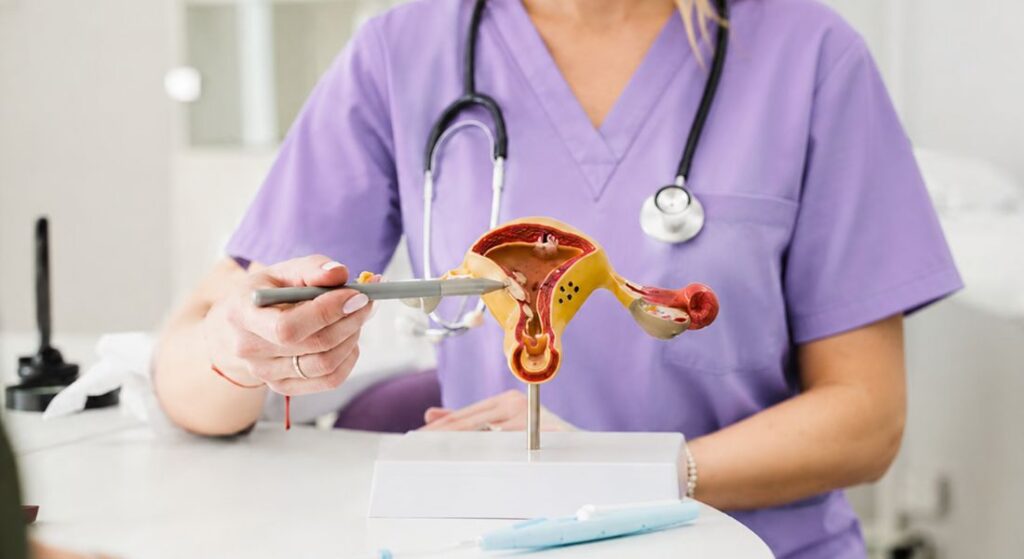
Any vaginal bleeding after menopause should be assessed by a healthcare professional, even if it only happens once. You may notice light spotting, heavier bleeding or pink or brown vaginal discharge. Although there are several possible causes and many are not serious, it is important to investigate any unexpected bleeding after your periods have stopped.
It is best not to wait and see whether the bleeding happens again before seeking advice. A single unexplained episode is enough reason to arrange an assessment. Prompt evaluation can help identify possible causes of the bleeding and determine whether further investigations or treatment may be recommended.
Pelvic Pressure, Heaviness or a Vaginal Bulge
A feeling of pressure, heaviness or dragging in your pelvis can be uncomfortable and may become more noticeable throughout the day. Some women also notice a bulge inside or around the vagina, which can sometimes be linked to pelvic organ prolapse. If these symptoms affect your daily activities or comfort, it is worth seeking medical advice.
You may also experience urinary leakage, difficulty emptying your bladder, bowel symptoms or discomfort during sex. Treatment is not always surgical and will depend on your symptoms and individual circumstances. Options may include lifestyle changes, pelvic floor therapy or other specialist treatments to help improve your quality of life.
Persistent Vulval Symptoms
Symptoms affecting the vulva can sometimes feel uncomfortable to discuss, which may lead you to ignore them or try repeated self-treatment. However, persistent or recurring symptoms should not be overlooked, as seeking advice can help identify the cause and provide appropriate care.
You should arrange an assessment if you experience ongoing itching, soreness, skin changes, unexplained bleeding, an ulcer or a lump that does not settle. Many vulval conditions have treatable causes, including irritation, infection and skin conditions. An examination can help determine the reason for your symptoms and whether any further investigation or treatment is needed.
What Happens During a Gynaecology Appointment?
Your appointment will usually start with a discussion about your symptoms, concerns and medical history. Your gynaecologist may ask when the problem began, whether anything has changed and how it is affecting your daily life. This helps them understand your situation and decide what assessment or advice may be most suitable.
You may also be asked about your periods, previous pregnancies, contraception, medications, fertility plans or menopause symptoms. Depending on your concerns, your gynaecologist may recommend an examination or further investigations. They should explain what is being suggested, why it may help and answer any questions you have before moving forward.
When Should You Seek Urgent Medical Advice?
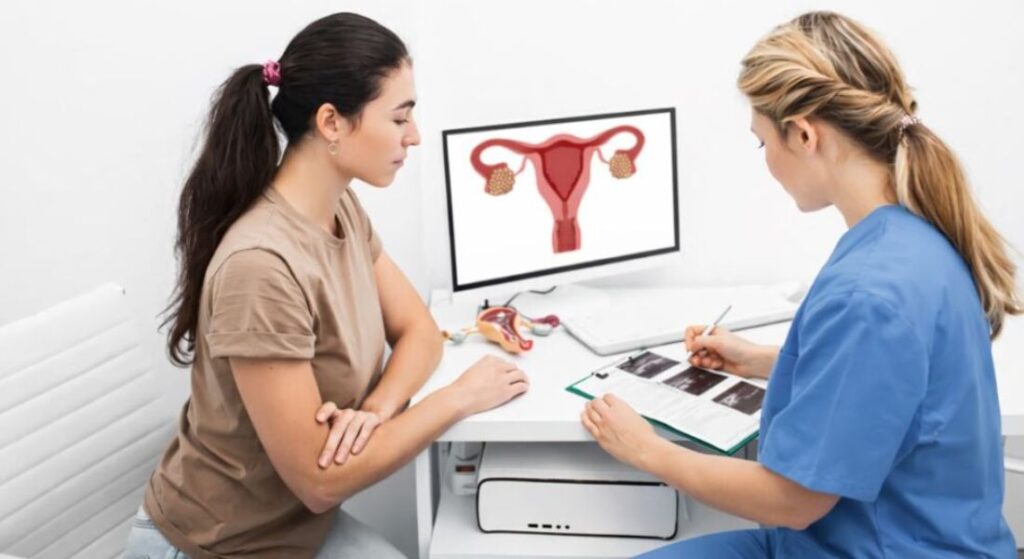
While many gynaecological concerns can be discussed during a routine appointment, some symptoms need more urgent medical attention. Recognising when to seek help can ensure you receive the right care without unnecessary delays.
You should seek urgent medical advice if you experience severe or worsening pelvic or abdominal pain, especially if there is a possibility that you could be pregnant. Heavy bleeding with fainting, severe dizziness, fever, vomiting or feeling seriously unwell should also be assessed promptly. Depending on the severity of your symptoms, you may need advice from NHS 111, an urgent treatment service or emergency care.
Myth vs Fact:
| Myth | Fact |
| You only need a gynaecologist for serious problems. | Many symptoms are easier to manage when assessed early. |
| Painful periods are always normal. | Severe or disruptive period pain may need investigation. |
| Bleeding after menopause can wait if it stops. | Any postmenopausal bleeding should be assessed. |
| Fertility concerns only involve women. | Fertility difficulties can involve either partner. |
| You need to know what is wrong before booking. | A gynaecologist helps identify the cause of symptoms. |
Key Takeaways:
- You do not need to wait until symptoms become severe before seeking advice.
- Heavy periods, pelvic pain and unusual bleeding are common reasons to see a gynaecologist.
- Postmenopausal bleeding should always be assessed.
- Fertility concerns may benefit from earlier specialist advice when risk factors are present.
- Menopause symptoms can be discussed if they affect your quality of life.
- A gynaecology appointment is designed to understand your symptoms and guide appropriate investigations.
- Early assessment does not always mean you need treatment, but it can help identify causes, provide reassurance and guide appropriate next steps.
FAQs:
1. How do you know when you need to see a gynaecologist?
You may need to see a gynaecologist if you experience changes to your periods, pelvic pain, unusual bleeding, fertility concerns or menopause symptoms. You do not need to wait until symptoms become severe or difficult to manage before seeking advice. A specialist assessment can help identify the cause of your symptoms and recommend the most appropriate next steps.
2. Should heavy or painful periods be checked by a gynaecologist?
Heavy or painful periods should be assessed if they affect your daily activities, work, exercise or overall wellbeing. Symptoms such as very heavy bleeding, large blood clots or pain that does not improve with usual measures may need further investigation. A gynaecologist can help identify possible causes, including fibroids, adenomyosis or endometriosis.
3. What symptoms should not be ignored and require a gynaecology appointment?
Symptoms such as persistent pelvic pain, bleeding between periods, bleeding after sex, unusual discharge or ongoing vulval discomfort should be discussed with a gynaecologist. These symptoms can have several possible causes, and an assessment can help determine whether further tests or treatment are needed. Seeking advice can also provide reassurance and help prevent symptoms from becoming more difficult to manage.
4. Can a gynaecologist help with fertility concerns?
Yes, a gynaecologist can assess factors that may be affecting your ability to conceive and discuss available options. You may benefit from an appointment if you have been trying to become pregnant without success or have concerns such as irregular periods or endometriosis. A fertility assessment can help you understand your reproductive health and the next steps available.
5. When should menopause symptoms be discussed with a gynaecologist?
You may wish to speak to a gynaecologist if menopause symptoms are affecting your comfort, sleep, relationships or quality of life. Symptoms such as hot flushes, night sweats, mood changes, vaginal dryness and discomfort during sex can often be managed with personalised advice. A consultation allows you to explore treatment options that suit your symptoms and medical history.
Final Thoughts: Knowing When to Seek Gynaecological Advice
Many gynaecological symptoms are common, but that does not mean you have to live with them or wait for them to become severe before seeking help. Whether you are experiencing heavy periods, pelvic pain, irregular bleeding, fertility concerns, menopause symptoms or changes that simply do not feel normal for you, getting the right assessment can provide clarity, reassurance and appropriate treatment when needed.
The most important thing is to pay attention to persistent, unusual or disruptive symptoms and seek advice if they are affecting your quality of life. If you are experiencing ongoing symptoms or would like specialist advice, Gynaecology Clinic London can assess your concerns and discuss suitable investigations or treatment options based on your individual circumstances
References:
- National Institute for Health and Care Excellence (NICE) (2018, last updated 2021) Heavy menstrual bleeding: assessment and management. NICE guideline NG88. Available at: https://www.nice.org.uk/guidance/ng88
- National Institute for Health and Care Excellence (NICE) (2026) Fertility problems: assessment and treatment. NICE guideline NG257. Available at: https://www.nice.org.uk/guidance/ng257
- National Institute for Health and Care Excellence (NICE) (2015, last updated 2026) Menopause: identification and management. NICE guideline NG23. Available at: https://www.nice.org.uk/guidance/ng23
- National Institute for Health and Care Excellence (NICE) (no date) Hormone replacement therapy (HRT). Clinical Knowledge Summary: Menopause. Available at: https://cks.nice.org.uk/topics/menopause/prescribing-information/hormone-replacement-therapy-hrt/
- NHS (2023) Postmenopausal bleeding. Available at: https://www.nhs.uk/symptoms/post-menopausal-bleeding/
- NHS (2024) Vaginal bleeding between periods or after sex. Available at: https://www.nhs.uk/symptoms/vaginal-bleeding-between-periods-or-after-sex/
- National Institute for Health and Care Excellence (NICE) (2015, last updated 2026) Suspected cancer: recognition and referral. NICE guideline NG12. Available at: https://www.nice.org.uk/guidance/ng12
- National Institute for Health and Care Excellence (NICE) (2017, last updated 2024) Endometriosis: diagnosis and management. NICE guideline NG73. Available at: https://www.nice.org.uk/guidance/ng73
- National Institute for Health and Care Excellence (NICE) (2019, last updated 2019) Urinary incontinence and pelvic organ prolapse in women: management. NICE guideline NG123. Available at: https://www.nice.org.uk/guidance/ng123
- NHS (2023) Ovarian cyst. Available at: https://www.nhs.uk/conditions/ovarian-cyst/
- National Institute for Health and Care Excellence (NICE) (no date) Pelvic inflammatory disease. Clinical Knowledge Summary. Available at: https://cks.nice.org.uk/topics/pelvic-inflammatory-disease/
- Filip, L. et al. (2020) ‘Endometriosis Associated Infertility: A Critical Review and Analysis on Etiopathogenesis and Therapeutic Approaches’, Medicina, 56(9), 460. Available at: https://www.mdpi.com/1648-9144/56/9/460
- Allaire, C., Bedaiwy, M.A. and Yong, P.J. (2023) ‘Diagnosis and management of endometriosis’, CMAJ, 195(10), pp.E363–E371. Available at: https://pmc.ncbi.nlm.nih.gov/articles/PMC10120420/
- Munro, M.G. (2014) ‘Investigation of Women with Postmenopausal Uterine Bleeding: Clinical Practice Recommendations’, The Permanente Journal, 18(1), pp.55–70. Available at: https://pmc.ncbi.nlm.nih.gov/articles/PMC3951032/
- Saunders, P.T.K. and Horne, A.W. (2021) ‘Endometriosis: Etiology, pathobiology, and therapeutic prospects’, Cell, 184(11), pp.2807–2824. Available at: https://www.sciencedirect.com/science/article/pii/S0092867421005766
- Mitchell, C. and Prabhu, M. (2013) ‘Pelvic inflammatory disease: current concepts in pathogenesis, diagnosis and treatment’, Infectious Disease Clinics of North America, 27(4), pp.793–809. Available at: https://pmc.ncbi.nlm.nih.gov/articles/PMC3843151/