Excellent rating on Doctify
Book a Consultation

Irregular Periods Treatment

Get in Touch

Irregular Periods Treatment Clinic in London

Expert Treatment from Experienced Consultant Gynaecologists

Irregular periods are a common gynaecological concern and can affect women at any stage of life. Menstrual cycles that become unpredictable, occur too frequently, are delayed, or stop altogether may be a sign of an underlying hormonal or gynaecological condition. Although occasional changes to your menstrual cycle are common, persistent irregular periods should be assessed to identify the underlying cause and ensure that appropriate treatment is provided where necessary.

At Gynaecology Clinic London, our experienced consultant gynaecologists provide expert assessment and treatment for irregular periods in a professional, supportive, and discreet environment. We understand that every woman’s menstrual cycle is unique, which is why we take the time to identify the cause of your symptoms before recommending the most appropriate treatment for your individual needs and future health goals.

Whether your periods have recently become irregular, you are experiencing infrequent or absent periods, have irregular bleeding together with other symptoms, or are concerned about your fertility or hormonal health, our specialists provide prompt access to consultant-led care and a comprehensive range of treatment options to help restore your menstrual health, improve your wellbeing, and give you greater confidence in your reproductive health.

Dr Luxmi Velauthar signature

Dr Luxmi Velauthar
MBChB, MRCOG, MD

Why Choose Gynaecology Clinic London for Irregular Periods?

Consultant-Led Care

Your assessment and treatment are provided by experienced consultant gynaecologists with expertise in diagnosing and treating the many causes of irregular periods, ensuring the highest standards of care throughout your treatment journey.

Accurate Diagnosis

Identifying the underlying cause of irregular periods is essential for effective treatment. We provide comprehensive investigations, including pelvic ultrasound, blood tests, hormone assessment, and other specialist investigations where appropriate, to ensure an accurate diagnosis.

Comprehensive Treatment Options

We offer a full range of evidence-based treatments, including lifestyle advice, hormonal therapies, medication, fertility support, and specialist procedures where appropriate. Your treatment plan is tailored to your diagnosis, symptoms, and future health goals.

Supporting Your Reproductive Health

Our aim is not only to help regulate your menstrual cycle but also to support your hormonal health, fertility where relevant, and long-term reproductive wellbeing, helping you feel more confident about your health.

Accepted by Major Health Insurers

We welcome both self-pay and insured patients and work with all major private health insurers where appropriate, helping make access to specialist care as straightforward as possible.

Fast Access to Appointments

Private care provides prompt access to consultations, investigations, and treatment, allowing you to receive expert care without unnecessary delays.

Testimonials

Book Your Consultation

Expert gynaecological care tailored to your individual needs.

Book a Consultation

Private Medical Insurance

At Gynaecology Clinic London, we aim to make access to specialist women’s healthcare as straightforward and transparent as possible. We welcome both insured and self-pay patients, and work with most major private medical insurers. Our team can provide guidance on appointments, insurance cover, and payment options, helping ensure the process is clear and supportive from the outset, so you can focus on your health and wellbeing with confidence.


Axa
Aviva
Simplyhealth
Cigna
Bupa
CS Healthcare
Vitality
Axa
Aviva
Simplyhealth
Cigna
Bupa
CS Healthcare
Vitality
Axa
Aviva
Simplyhealth
Cigna
Bupa
CS Healthcare
Vitality

Fees and Pricing

Clear and transparent pricing is an important part of planning your care. The following guide outlines our consultation fees. If further investigations, procedures, or treatments are recommended, these will be discussed with you in advance so that you fully understand the costs involved.

Initial
Consultation

£250

Your initial consultation includes a comprehensive assessment of your symptoms and medical history, along with any appropriate examinations, investigations, and treatment options. A personalised care plan will be developed based on your individual needs.

Follow-Up
Consultation

£200

Follow-up consultations provide an opportunity to review your progress, discuss investigation results, assess your response to treatment, and ensure your care plan continues to meet your needs.

Dr Luxmi Velauthar, Consultant Gynaecologist, in consultation

What Are Irregular Periods?

Irregular periods describe menstrual cycles that consistently occur outside your usual pattern or vary significantly in their timing, frequency, or duration. While every woman’s menstrual cycle is naturally different, persistent changes to your normal cycle may be a sign of an underlying hormonal imbalance or gynaecological condition that requires specialist assessment. Understanding what is causing these changes is an important first step towards appropriate treatment and protecting your long-term reproductive health.
Irregular periods may include periods that occur too frequently, are widely spaced apart, arrive unpredictably, are unusually light or heavy, last longer than normal, or stop altogether. Although occasional changes to your menstrual cycle are common, persistent irregularities should not be ignored, particularly if they are accompanied by pelvic pain, abnormal bleeding, or fertility concerns.
Woman experiencing menstrual cycle changes

What Causes Irregular Periods?

Irregular periods can develop for many different reasons, and in some women more than one contributing factor may be present. Hormonal changes are among the most common causes, but menstrual irregularities may also be associated with underlying gynaecological or medical conditions. Identifying the underlying cause is essential for effective treatment and, where appropriate, to exclude more serious conditions that may require further investigation.
Woman affected by hormonal imbalance
Common causes include polycystic ovary syndrome (PCOS), perimenopause, thyroid disorders, stress, significant weight loss or gain, excessive exercise, certain medications, pregnancy, breastfeeding, premature ovarian insufficiency (POI), hormonal contraception, uterine fibroids, endometrial polyps, and other hormonal or reproductive conditions. Following a comprehensive assessment, our experienced consultant gynaecologists will recommend the most appropriate investigations and treatment based on your individual diagnosis and health needs.
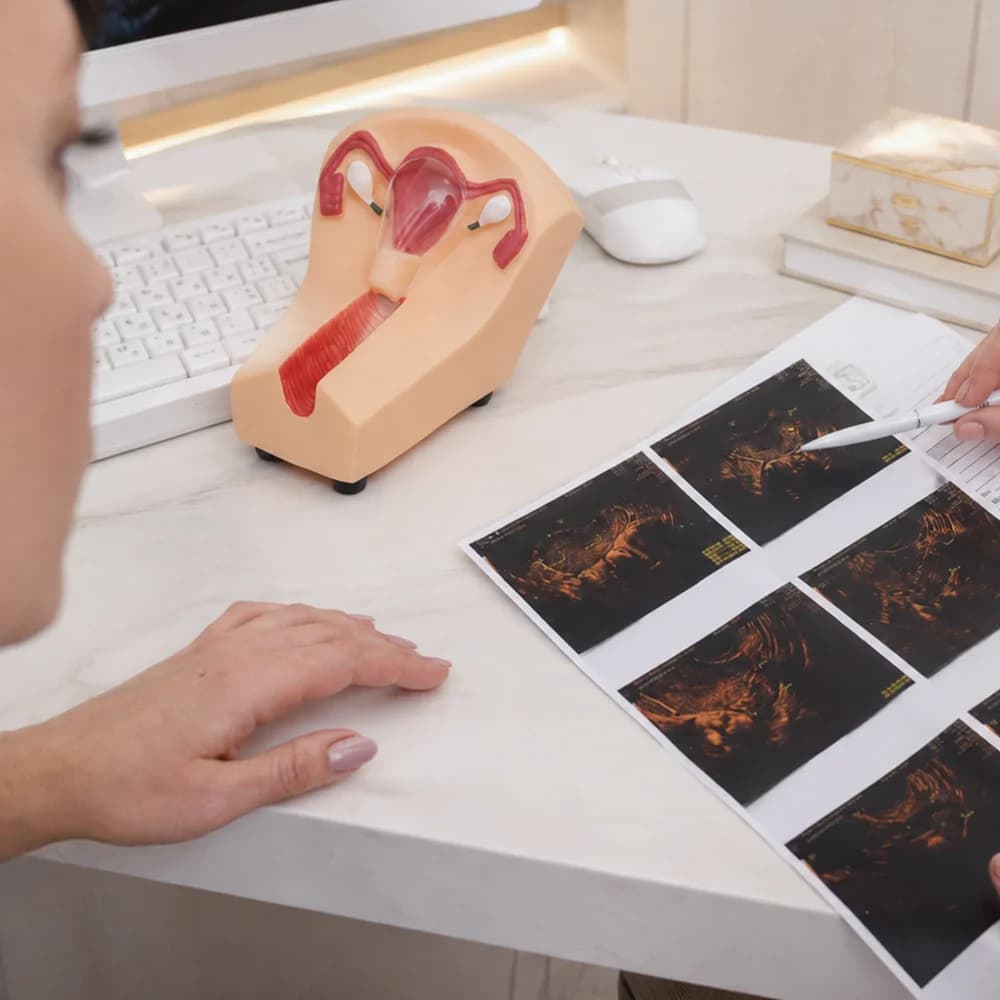
Ultrasound assessment of the uterus and ovaries

Symptoms Associated with Irregular Periods

Irregular periods often involve more than changes to the timing of your menstrual cycle and may be accompanied by a range of other symptoms depending on the underlying cause. These symptoms can affect your hormonal health, fertility, and overall wellbeing, and may develop gradually or appear quite suddenly. In some women, irregular periods are the first sign of an underlying hormonal or gynaecological condition, making early assessment important for achieving an accurate diagnosis and appropriate treatment.
Consultant discussing symptoms with a patient
Common symptoms include unpredictable menstrual cycles, missed periods, infrequent periods, frequent periods, unusually heavy or light bleeding, prolonged periods, bleeding between periods, pelvic pain, acne, excessive hair growth, unexplained weight changes, fertility concerns, and other symptoms of hormonal imbalance. If your symptoms are persistent or worsening, specialist assessment can help identify the cause and guide the most appropriate treatment.
Consultant gynaecologist reviewing results with a patient

When Should You Seek Specialist Advice?

Occasional changes to your menstrual cycle are common, but persistent irregular periods should not be ignored, particularly if they are becoming more frequent, lasting longer than usual, or are accompanied by other symptoms. Changes to your menstrual cycle can sometimes indicate an underlying hormonal imbalance or gynaecological condition, and early specialist assessment can help identify the cause, exclude more serious conditions where appropriate, and ensure that effective treatment is started without unnecessary delay.
Symptoms associated with hormonal imbalance
You may benefit from specialist assessment if your periods have become persistently irregular, stop unexpectedly, occur more frequently than usual, are associated with heavy bleeding, pelvic pain, or fertility concerns, or if you develop symptoms of hormonal imbalance such as acne, excessive hair growth, or unexplained weight changes. Early diagnosis and treatment can often help restore your menstrual health and improve your overall wellbeing.
Patient discussing her symptoms during a consultation

What Does Your Consultation Involve?

Your consultation will begin with a detailed discussion about your menstrual cycle, medical history, medications, lifestyle, family history, and any symptoms associated with your irregular periods. We will take the time to understand how changes to your menstrual cycle are affecting your health, fertility, and overall quality of life, while also considering your future pregnancy plans and any other health concerns. This allows us to build a complete picture of your health and tailor your assessment to your individual circumstances.
Pelvic ultrasound scan being performed
A pelvic examination may be recommended where appropriate, together with investigations such as pelvic ultrasound, blood tests, hormone assessment, or other specialist investigations depending on your symptoms and medical history. Once any necessary investigations have been completed, your consultant will explain the findings clearly, answer any questions you may have, and discuss the treatment options available to develop a management plan that addresses the underlying cause of your symptoms and supports your long-term reproductive health.
Treatment options discussed at the clinic

Treatment for Irregular Periods

Treatment for irregular periods depends on the underlying cause, your age, your symptoms, future pregnancy plans, and your individual health goals. The aim of treatment is not only to help regulate your menstrual cycle but also to address the underlying hormonal or gynaecological condition, relieve associated symptoms, protect your reproductive health, and support your overall wellbeing. Following a comprehensive assessment, your consultant will recommend the treatment approach that is most appropriate for your individual circumstances.
Hormonal treatment prescribed for irregular periods
Treatment options may include lifestyle advice, hormonal treatments, non-hormonal medication, management of underlying medical conditions, fertility treatment where appropriate, or specialist procedures if a structural cause such as fibroids or polyps is identified. Our experienced consultant gynaecologists will explain the benefits and potential risks of each option, answer any questions you may have, and work with you to develop a treatment plan that best meets your needs and long-term health goals.
Woman experiencing symptoms associated with PCOS

Irregular Periods and PCOS

Polycystic ovary syndrome (PCOS) is one of the most common causes of irregular periods. The hormonal changes associated with PCOS can disrupt ovulation, leading to infrequent, unpredictable, or absent periods. Many women with PCOS also experience symptoms such as acne, excessive hair growth, weight gain, and fertility concerns, making an accurate diagnosis important for both symptom management and long-term health.
Consultant carrying out a hormone assessment
Our experienced consultant gynaecologists provide comprehensive assessment for PCOS, including hormone evaluation, pelvic ultrasound, and other investigations where appropriate. Following an accurate diagnosis, we will explain the treatment options available and develop a personalised management plan to help regulate your menstrual cycle, manage associated symptoms, and support your reproductive and long-term health.
Consultant reviewing a patient's assessment

Irregular Periods and Perimenopause

Changes in the length, frequency, and pattern of your menstrual cycle are common during perimenopause as hormone levels begin to fluctuate. Periods may become more frequent, less frequent, heavier, lighter, or more unpredictable before eventually stopping altogether at menopause. Although these changes are often a normal part of the menopause transition, irregular bleeding should still be assessed to exclude other underlying gynaecological conditions.
Woman experiencing perimenopausal cycle changes
Our experienced consultant gynaecologists provide expert assessment to determine whether hormonal changes are responsible for your symptoms and to identify any other possible causes of irregular bleeding. Where appropriate, we will discuss the treatment options available to help regulate symptoms, improve your quality of life, and support your health throughout the menopause transition.

Book Your Irregular Periods Consultation

If your periods have become irregular, have stopped unexpectedly, or are affecting your health, fertility, or everyday life, our experienced consultant gynaecologists provide expert assessment and a comprehensive range of treatment options to help identify the underlying cause of your symptoms. Our aim is to restore your menstrual health, improve your hormonal wellbeing, and help you feel confident about your reproductive health.
Book a Consultation
Consultant gynaecologist welcoming a patient to the clinic

Frequently Asked Questions

Can stress cause irregular periods?

Yes. Physical or emotional stress can affect hormone levels and temporarily disrupt your menstrual cycle. However, persistent irregular periods should always be assessed to exclude other hormonal or gynaecological conditions.

Will I need blood tests?

Many women benefit from blood tests to assess hormone levels, thyroid function, and other factors that may contribute to irregular periods. Your consultant will recommend the most appropriate investigations based on your symptoms and medical history.

Woman tracking changes to her menstrual cycle
Will I need an ultrasound scan?

A pelvic ultrasound is commonly recommended to assess the uterus and ovaries and identify conditions such as PCOS, fibroids, ovarian cysts, or endometrial abnormalities. Your consultant will advise whether imaging is appropriate for your individual circumstances.

Can irregular periods affect fertility?

Yes. Some of the conditions that cause irregular periods can affect ovulation and fertility. Identifying and treating the underlying cause may improve your chances of conceiving and support your reproductive health.
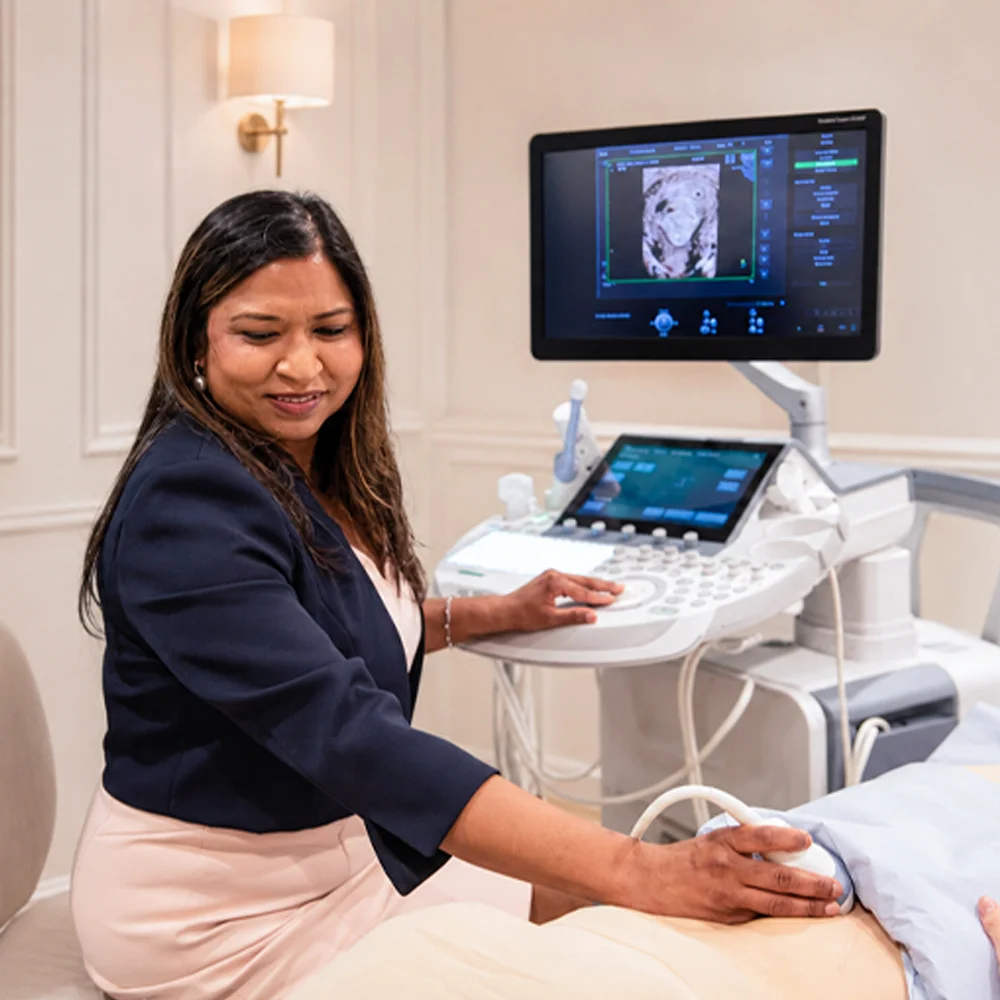
Pelvic ultrasound scan of the uterus and ovaries
Can irregular periods be treated?

Yes. In many cases, irregular periods can be successfully managed once the underlying cause has been identified. Treatment depends on your diagnosis, symptoms, age, and future pregnancy plans.

Should I worry if my periods stop suddenly?

Not always, but periods that stop unexpectedly without an obvious explanation should be assessed. They may be caused by pregnancy, hormonal changes, stress, certain medications, or an underlying medical or gynaecological condition that requires further investigation.

Medication used to help regulate the menstrual cycle
Can hormonal contraception cause irregular periods?

Yes. Some forms of hormonal contraception can affect the timing, frequency, or amount of menstrual bleeding. Your consultant can determine whether your symptoms are related to contraception or another underlying cause.

Do I need a GP referral?

No. Many women choose to self-refer for private assessment. Referrals from GPs and other healthcare professionals are also welcome.

Patient attending a follow-up appointment over time
When should I seek urgent medical attention?

You should seek urgent medical advice if you experience very heavy bleeding, severe pelvic pain, bleeding during pregnancy, or any symptoms that cause significant concern.

How quickly can I be seen?

We provide fast access to consultations, investigations, and treatment, helping women receive expert assessment, prompt diagnosis, and timely care without unnecessary delays.

Dr Luxmi Velauthar with a patient

Our Professional Associations

At Gynaecology Clinic London, we are proud to be associated with leading professional organisations in gynaecology, obstetrics, and fetal medicine. These affiliations reflect our commitment to clinical excellence, evidence-based care, and staying at the forefront of women’s healthcare.


Royal College of Obstetricians & Gynaecologists
ISUOG
The Fetal Medicine Foundation
BMFMS
Royal College of Obstetricians & Gynaecologists
ISUOG
The Fetal Medicine Foundation
BMFMS
Royal College of Obstetricians & Gynaecologists
ISUOG
The Fetal Medicine Foundation
BMFMS

Our Locations

Our consultants at Gynaecology Clinic London see patients across leading private hospitals and clinics in London, including Harley Street, Canary Wharf, and The Portland Hospital. These locations provide access to high-quality facilities, advanced diagnostics, and specialist women’s healthcare within comfortable and modern clinical settings.

10 Harley Street

Central London

10 Harley Street,
London,
W1G 9PF

Portland Hospital

Central London

The Portland Hospital,
212 Great Portland St,
London,
W1W 5QN

LycaHealth

Canary Wharf

1 Westferry Circus,
Canary Wharf,
London,
E14 4HA