



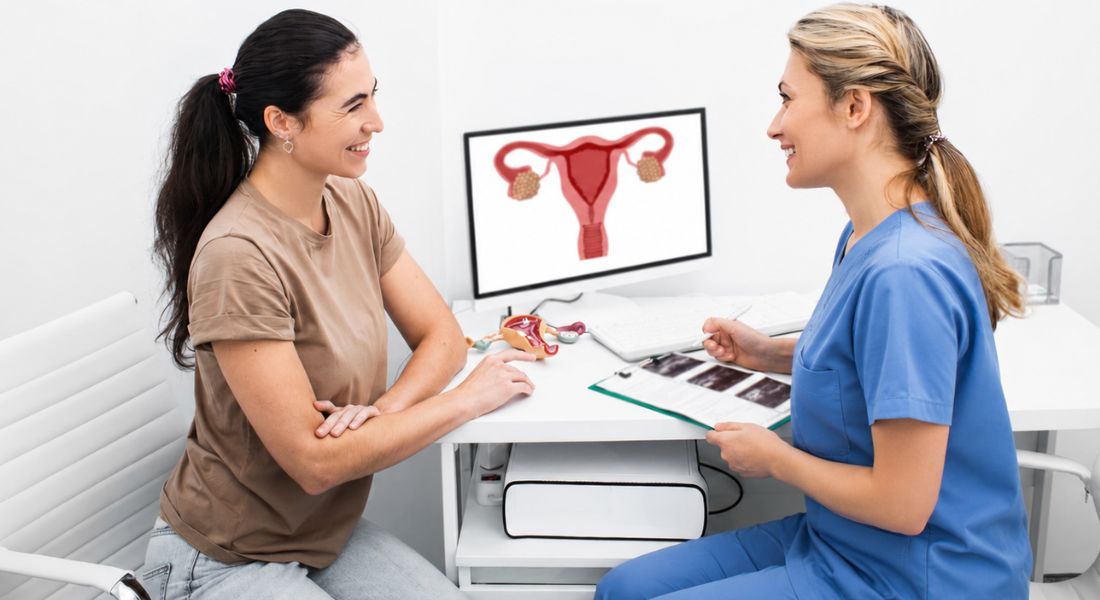
If you have never seen a gynaecologist before, you may feel unsure about what to expect. You might have questions about whether you will need an examination, what information you should bring or how much detail you need to share about your symptoms.
It is completely normal to feel nervous before your first appointment. Many women delay seeking advice because they feel embarrassed or are worried about what may happen during the consultation.
A first gynaecology appointment is usually focused on understanding your concerns, discussing your medical history and deciding whether any further assessment or treatment may be helpful. It is also an opportunity to ask questions, explain what has been worrying you and work with a specialist to better understand your health.
Why Might You Need Your First Gynaecologist Appointment?
There are many reasons why you may be referred to or choose to see a gynaecologist, and you do not need to have a serious condition to benefit from specialist advice. You may be experiencing symptoms such as heavy periods, irregular bleeding, pelvic pain, painful periods, discomfort during sex or changes in vaginal discharge.
Some women see a gynaecologist because they are planning a pregnancy, experiencing fertility difficulties or looking for advice about contraception, menopause or hormonal changes. Others may have been diagnosed with conditions such as fibroids, ovarian cysts or endometriosis and need specialist input. Your first appointment is designed to understand your individual situation and address all of your concerns rather than focus on a single symptom.
Preparing Before Your Appointment
A little preparation before your appointment can help you feel more comfortable and make sure you discuss everything that matters to you. You may find it helpful to write down your main symptoms, when they started and whether anything makes them better or worse.
If your concerns relate to your periods, it can be useful to note your cycle pattern, including how often you bleed, how long your periods last and whether you experience pain or heavy bleeding. You should also bring a list of any medications you take and write down any questions you would like to ask, so you can make the most of your consultation.
What Happens When You Arrive?
When you arrive for your appointment, you will usually check in before meeting your gynaecologist. The consultation environment should be professional and respectful, and your doctor will understand that discussing intimate health concerns can sometimes feel uncomfortable.
Your appointment will usually begin with a conversation rather than an examination, giving you time to explain your symptoms and concerns. Your gynaecologist will ask questions about your health history and what you would like help with, and there is no need to feel embarrassed, as these discussions are a routine part of their work.
Discussing Your Medical History
One of the most important parts of your first appointment is discussing your medical history. Your gynaecologist may ask about your periods, previous pregnancies, fertility plans, contraception, previous operations and any gynaecological conditions you have experienced.
You may also be asked about your general health, family history, allergies and any medications you currently take. These details help your doctor understand the bigger picture and assess your symptoms in the context of your overall health and medical history.
Talking About Your Menstrual Cycle
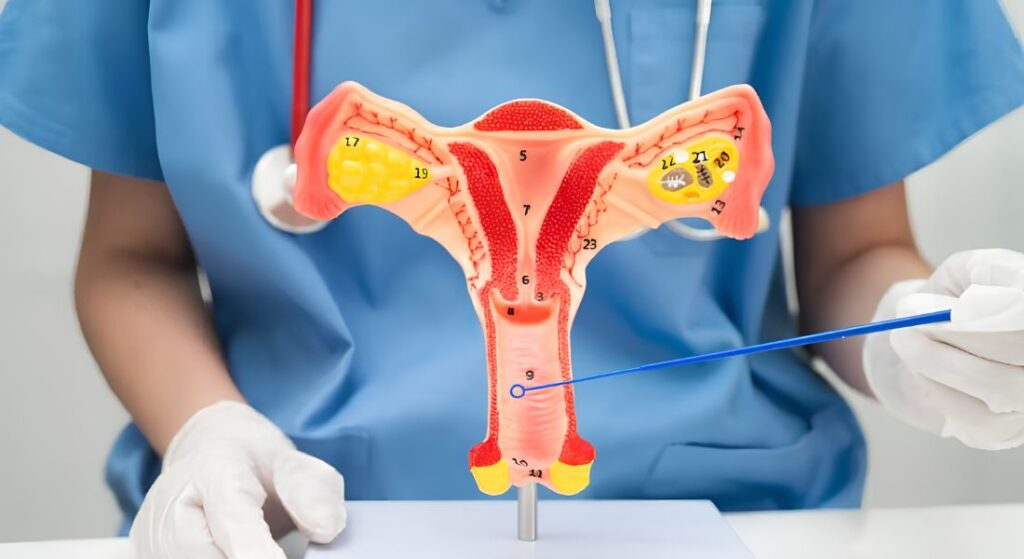
Your menstrual cycle provides important information about your reproductive health, so your gynaecologist will often ask detailed questions about your periods. You may be asked when your last period started, how regular your cycles are and whether you have noticed any recent changes in your bleeding.
Your doctor may also ask about period pain, heavy bleeding, spotting between periods or bleeding after sex. Try to be as open as possible, as even small details can help identify patterns and guide further investigations. If you track your periods using an app or diary, having this information available can be helpful during your appointment.
Discussing Your Symptoms in Detail
During your consultation, your gynaecologist will want to understand exactly what you are experiencing and how your symptoms are affecting your daily life. You may be asked about the location, severity and timing of symptoms such as pelvic pain, discomfort or abnormal bleeding.
For example, your doctor may ask whether pain occurs during your period, during sex, when passing urine or when opening your bowels. If you have bleeding concerns, you may be asked about the colour, frequency and amount of bleeding. There is no need to describe your symptoms perfectly, as explaining them in your own words is often the most helpful information.
Will You Need a Physical Examination?
Many people feel most nervous about the possibility of an examination during their first appointment. Whether you need a physical examination depends on your symptoms, the reason for your appointment and what your gynaecologist feels is appropriate.
Some consultations only involve discussion and planning, while others may include an examination to help investigate your symptoms. Your doctor should explain what is being recommended and why it may be helpful, and you have the right to ask questions or discuss any concerns before agreeing to an examination.
What May Happen During Your First Gynaecology Appointment?
| Part of the Appointment | What It May Involve | Important Point |
| Initial consultation | Discussion about your symptoms, periods, medical history, medicines and concerns | Most appointments begin with a conversation |
| General examination | Blood pressure, weight or abdominal examination where relevant | Not every patient needs all checks |
| External examination | Examination of the external genital area | This should only happen when clinically appropriate and with your consent |
| Speculum examination | A smooth speculum may be used to view the vagina and cervix | You can ask questions, pause or stop the examination at any time |
| Bimanual examination | The clinician may gently assess the uterus and pelvic area using one hand internally and one on the abdomen | Not everyone needs this examination |
| Swabs or cervical samples | Samples may be taken when infection, discharge or cervical concerns are being investigated | A diagnostic cervical examination is not the same as routine cervical screening |
| Abdominal ultrasound | A probe is moved over the lower abdomen, usually with a full bladder | It provides an overview of the pelvic organs |
| Transvaginal ultrasound | A slim ultrasound probe is gently placed inside the vagina | It requires consent and may provide clearer images of the uterus and ovaries |
| Blood or urine tests | Tests may assess anaemia, hormones, pregnancy, infection or other concerns | Tests should be selected according to your symptoms |
| Treatment planning | Discussion of medicines, monitoring, further tests or procedures | You should have an opportunity to ask questions before deciding |
What May a Pelvic Examination Involve?
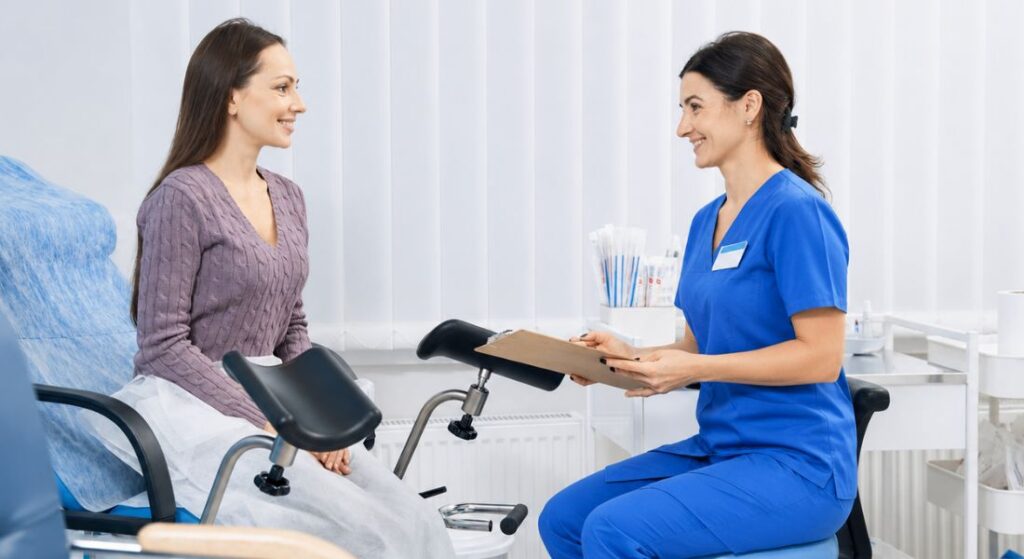
The exact examination depends on your symptoms. Your gynaecologist may first examine the external genital area. A speculum examination may then be recommended to view the vagina and cervix, while a bimanual examination may be used to assess areas such as the uterus, ovaries and surrounding tissues through gentle internal and abdominal examination.
You may not need every part of a pelvic examination. Your gynaecologist should explain each step separately, tell you what information it may provide and ask for your consent before proceeding. You can ask for the examination to pause or stop at any stage.
UK Chaperone and Consent Note
Before an intimate examination, your gynaecologist should explain what they recommend, why it may be helpful and what the examination will involve. You should be asked for your consent before it begins and offered an appropriate chaperone.
You can ask questions, request a pause or ask for the examination to stop at any time. Agreeing to a consultation does not mean that you have automatically agreed to an internal examination, swabs, a cervical test or any other procedure.
Will You Need an Ultrasound Scan?
An ultrasound scan is a common investigation used in gynaecology and can provide useful information about your uterus, ovaries and other pelvic structures. It may be recommended if you have symptoms such as pelvic pain, abnormal bleeding or concerns about an ovarian cyst.
Depending on your symptoms, you may be offered an abdominal ultrasound or a transvaginal ultrasound, which provides a more detailed view of the pelvic organs. Your doctor will explain why the scan is being recommended and what information it may provide before any investigation takes place.
Other Tests You May Need
Not everyone needs additional tests after their first appointment. However, depending on your symptoms, your gynaecologist may recommend investigations such as blood tests, cervical tests, swabs or imaging to gather more information.
For fertility concerns, different investigations may be considered based on your medical history and individual circumstances. The purpose of testing is not to overwhelm you with procedures but to better understand what may be causing your symptoms and decide on the most appropriate next steps.
Evidence Note
Gynaecology investigations are most useful when they are selected according to your symptoms and clinical history. For example, NICE recommends assessment of heavy menstrual bleeding based on its effect on quality of life, relevant history, examination where appropriate and targeted investigations rather than a single standard test for everyone.
Discussing Previous Medical Treatments

Your gynaecologist will usually ask about any treatments you have already tried for your symptoms. This may include pain relief, hormonal treatments, contraception, antibiotics or other approaches that you have used in the past.
Knowing what has or has not helped can guide future treatment decisions and help avoid treatments that may not be suitable for you. It is helpful to be honest about your experiences, especially if a treatment caused side effects or did not improve your symptoms.
Talking About Fertility and Pregnancy Plans
If fertility is one of your concerns, your first appointment may include a discussion about your pregnancy plans and reproductive goals. Your gynaecologist may ask whether you are trying to conceive, considering pregnancy in the future or seeking advice about preserving your fertility.
You may also discuss your menstrual cycle, previous pregnancies and any conditions that could affect fertility. These conversations are personal, and your doctor should approach them sensitively while taking your individual goals and preferences into account.
Discussing Menopause Concerns
If you are experiencing symptoms related to perimenopause or menopause, your appointment may focus on understanding how these changes are affecting your daily life and wellbeing. You may discuss symptoms such as hot flushes, sleep problems, mood changes, vaginal dryness or changes in your periods.
Your gynaecologist can explain the available management options and help you understand which approaches may be suitable for your health needs and preferences. Menopause care should be personalised because every woman experiences this stage of life differently.
Creating Your Treatment Plan
After discussing your symptoms and reviewing any investigations, your gynaecologist will explain the possible next steps. Your treatment plan will be based on your diagnosis, symptoms, lifestyle, preferences and future health goals.
Treatment may involve medication, lifestyle changes, monitoring, further investigations or procedures where appropriate. A good treatment plan is not only about treating a condition but also about finding an approach that works realistically for your individual needs and circumstances.
Can You Bring Someone with You?
Many clinics allow you to bring someone with you for support, although individual policies may vary. Having a partner, family member or trusted friend with you can help you feel more comfortable, particularly if you are feeling anxious about your appointment.
They may also help you remember information that is discussed during the consultation. However, the decision is entirely yours, and some people prefer to attend alone so they can speak openly and privately with their doctor.
You may be able to bring a trusted person for emotional support, depending on the clinic’s policy. However, a friend or relative does not necessarily replace the trained clinical chaperone who may be offered during an intimate examination.
How Long Does a First Gynaecology Appointment Take?
The length of your first gynaecology appointment can vary depending on your symptoms and whether you need an examination or further investigations. A first consultation is often longer than a follow-up appointment because your doctor will need time to understand your medical history and discuss your concerns in detail.
If possible, try not to schedule your appointment too close to another commitment. Allowing enough time can help you feel more relaxed and give you the opportunity to ask any questions you may have without feeling rushed.
Choosing the Right Gynaecology Clinic

Feeling comfortable with your healthcare provider is an important part of your experience. You may prefer a clinic where you feel listened to, where your concerns are taken seriously and where explanations are clear and easy to understand.
At Gynaecology Clinic London, you can discuss your symptoms with experienced specialists and explore assessment and treatment options that are tailored to your individual needs. A supportive and understanding environment can make it easier to talk openly about concerns that may otherwise feel difficult to discuss.
What Happens After Your Appointment?
After your consultation, the next steps will depend on your symptoms and what was discussed during the appointment. You may be advised to have further tests, start treatment, monitor your symptoms or arrange a follow-up appointment.
Your gynaecologist should explain what happens next and when you should seek further advice. It can also be helpful to keep a record of any changes in your symptoms while you are waiting for investigations or follow-up care.
UK Safety-Net Note
Do not wait for a routine gynaecology appointment if you have severe or rapidly worsening pelvic pain, very heavy bleeding with dizziness or fainting, possible pregnancy with significant pain or bleeding, fever with pelvic pain, collapse, severe weakness or symptoms that make you feel seriously unwell. Seek urgent help through NHS 111, an urgent treatment service or A&E depending on the severity of your symptoms. Call 999 if there is an immediate threat to life.
Myth vs Fact:
| Myth | Fact |
| You will always need an internal examination at your first appointment. | Many first appointments begin with discussion only. An examination is recommended only when it may help assess your symptoms. |
| Agreeing to the appointment means you have agreed to every examination or test. | You should be asked for consent before each intimate examination, scan, swab or procedure. You can decline or ask to stop at any time. |
| A pelvic examination should always be painful. | You may feel pressure or discomfort, but you should tell the clinician immediately if the examination becomes painful or distressing. |
| You cannot attend while you are having your period. | In most cases, you can still attend. Certain tests or examinations may occasionally need to be rearranged depending on the reason for your appointment. |
| A friend or relative automatically replaces a medical chaperone. | A trusted person can provide emotional support, but they may not replace the trained clinical chaperone offered for an intimate examination. |
| Every patient needs an ultrasound scan. | Ultrasound is only recommended when it may help investigate your symptoms or clarify a possible diagnosis. |
| You need to shave or prepare your body in a particular way. | No special grooming is required. Normal personal hygiene is enough unless the clinic gives you specific preparation instructions. |
| The gynaecologist will diagnose everything during the first visit. | Some conditions require blood tests, scans, swabs or follow-up appointments before a clear diagnosis can be made. |
Key Takeaways:
- Your first appointment usually begins with a detailed conversation.
- An internal examination is not automatically required.
- Any intimate examination should be explained and performed only with your consent.
- You should be offered a chaperone for an intimate examination.
- Tests depend on your symptoms and may be arranged for another day.
- Bring information about your periods, medicines, previous results and main concerns.
- You can ask questions, request privacy and stop an examination at any time.
- Urgent symptoms should not wait for a routine appointment.
FAQs:
1. Do I need a referral to see a gynaecologist?
Not always. Many private gynaecology clinics allow you to book an appointment directly without a GP referral. However, some insurance providers may require a referral, so it is worth checking your policy beforehand.
2. Should I be worried about having a pelvic examination?
It is normal to feel anxious, but not every first appointment involves an examination. If an examination is recommended, your gynaecologist will explain why it may be helpful and will only proceed with your consent.
3. What should I bring to my first gynaecologist appointment?
It can be helpful to bring a list of your symptoms, information about your menstrual cycle, details of any medicines you take and any questions you would like to ask. If you have previous test results or scan reports, bringing these may also be useful.
4. Can I attend my appointment if I am on my period?
In most cases, yes. Being on your period does not usually prevent you from having a consultation. Depending on your symptoms and any planned examinations or tests, your gynaecologist will advise whether any arrangements need to be changed.
5. How do I know if I should see a gynaecologist?
You may benefit from seeing a gynaecologist if you have symptoms such as heavy periods, irregular bleeding, pelvic pain, painful periods, concerns about fertility, menopause symptoms or any changes in your gynaecological health that are causing concern. Early assessment can often provide reassurance and help identify appropriate treatment options.
Final Thoughts: Taking the First Step Towards Better Gynaecological Health
Your first gynaecologist appointment is an opportunity to discuss your concerns, ask questions and gain a better understanding of your health in a supportive and professional environment. Although it is natural to feel nervous beforehand, most first consultations focus on listening to your symptoms, understanding your medical history and creating a personalised plan for any further investigations or treatment that may be needed.
If you are preparing for your first gynaecology appointment or would like specialist advice about ongoing symptoms, Gynaecology Clinic London can assess your concerns and discuss suitable investigations or treatment options based on your individual circumstances. Seeking advice early can provide reassurance, help identify the cause of your symptoms and ensure you receive the care and support that is right for you.
References:
- General Medical Council (GMC) (2024) Intimate examinations and chaperones. Available at: https://www.gmc-uk.org/professional-standards/the-professional-standards/intimate-examinations-and-chaperones/intimate-examinations-and-chaperones
- National Institute for Health and Care Excellence (NICE) (2018, last updated 2021) Heavy menstrual bleeding: assessment and management. NICE guideline NG88. Available at: https://www.nice.org.uk/guidance/ng88
- National Institute for Health and Care Excellence (NICE) (2026) Fertility problems: assessment and treatment. NICE guideline NG257. Available at: https://www.nice.org.uk/guidance/ng257
- National Institute for Health and Care Excellence (NICE) (2015, last updated 2026) Menopause: identification and management. NICE guideline NG23. Available at: https://www.nice.org.uk/guidance/ng23
- NHS (2025) Ultrasound scan. Available at: https://www.nhs.uk/tests-and-treatments/ultrasound-scan/
- Pham, T.T. et al. (2019) ‘Characterizing anxiety at the first encounter in women presenting for pelvic floor disorders’, Female Pelvic Medicine & Reconstructive Surgery. Available at: https://pubmed.ncbi.nlm.nih.gov/31201810/
- Ferguson, A.N. et al. (2018) ‘Factors influencing young women’s preparedness for their first pelvic examination’, Obstetrics & Gynaecology, 132(2), pp.479–486. Available at: https://pubmed.ncbi.nlm.nih.gov/29995736/