



Finding a lump near the opening of your vagina can feel worrying, especially if it appears suddenly or becomes painful. A Bartholin cyst develops when the duct draining one of the Bartholin glands becomes blocked, causing mucus to collect and form a swelling near the vaginal opening.
A small cyst may not cause symptoms and can sometimes settle without treatment. If the trapped fluid becomes infected, it can turn into a painful Bartholin abscess that may require medical attention. Most Bartholin cysts and abscesses are benign, but you should have any new vulval lump checked, particularly if it is painful, keeps returning or appears after the age of 40.
What Are the Bartholin Glands?
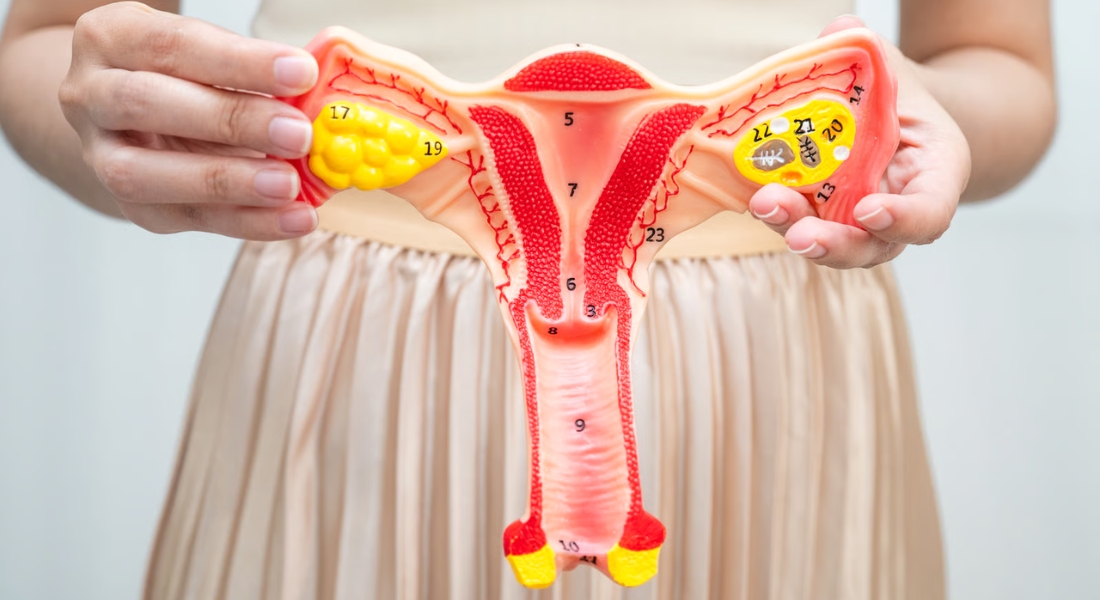
You have two Bartholin glands, with one located on each side of the opening of your vagina. These small glands sit deep within the lower part of your vulva, so you would not normally see or feel them.
Your Bartholin glands release a small amount of mucus through tiny ducts to help with natural lubrication around your vaginal opening. If one of these ducts becomes blocked, fluid can build up and you may notice a swelling that can develop into a Bartholin cyst, usually on one side of your vulva.
How Does a Bartholin Cyst Form?
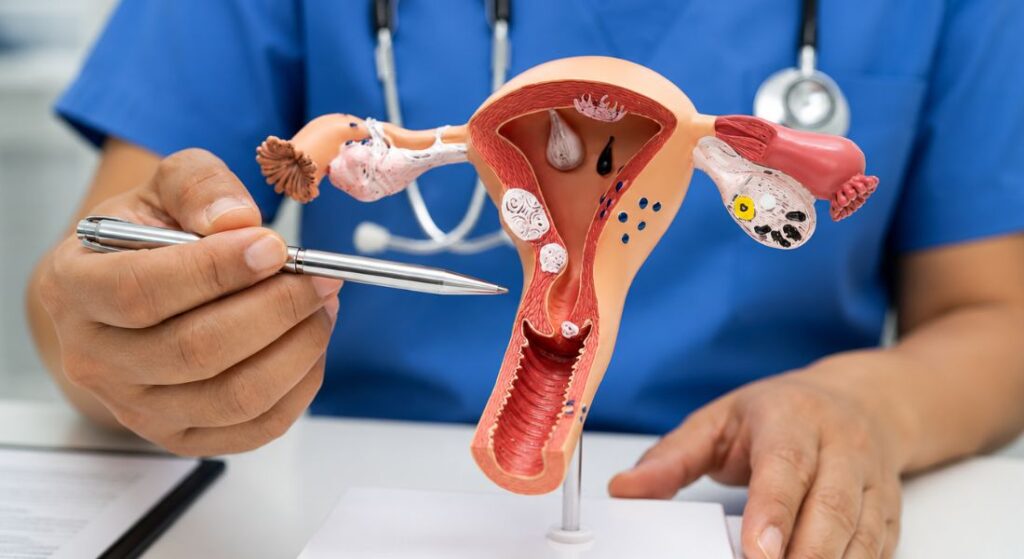
A Bartholin cyst forms when the small duct that drains fluid from your Bartholin gland becomes blocked. Your gland may continue producing mucus, but the fluid cannot escape properly, causing it to collect and create a swelling.
You may not always know what caused the blockage, as it can happen due to irritation, inflammation, infection or changes in the mucus. Over time, the trapped fluid can create a small lump near the opening of your vagina, which may stay unnoticed or become larger and more noticeable.
What Is the Difference Between a Cyst and an Abscess?
A Bartholin cyst is a fluid-filled swelling that may not be infected and often causes little or no pain. However, if the cyst becomes larger, you may notice pressure, discomfort when sitting or pain during sex.
A Bartholin abscess develops when the gland or a blocked duct becomes infected and a collection of pus forms. It may develop from a known cyst, although you may not have noticed a cyst beforehand.
| Feature | Bartholin cyst | Bartholin abscess |
| Contents | Usually clear or mucus-like fluid | Infected fluid or pus |
| Pain | Often painless or mildly uncomfortable | Usually painful and very tender |
| Development | May grow gradually | Can worsen quickly |
| Skin changes | Often little redness | Redness, warmth and swelling may occur |
| Fever or feeling unwell | Unusual | Can occur |
| Effect on walking or sitting | Mainly if the cyst is large | Often significant |
| Usual management | Observation if small and painless | Medical assessment and often drainage |
| Antibiotics | Usually not needed | Used selectively, not automatically |
| Urgency | Routine assessment if persistent or uncertain | Prompt assessment when painful or worsening |
What Does a Bartholin Cyst Feel Like?
You may notice a Bartholin cyst as a small, soft lump near one side of your vaginal opening. A smaller cyst may not cause any symptoms and may only be found when you are washing, checking the area or inserting a tampon.
A larger cyst can feel like a smooth, rounded swelling under your skin and may cause pressure or discomfort when you sit, walk, exercise or have sex. However, not every lump in this area is a Bartholin cyst, so it is important to have any new vulval swelling assessed by a healthcare professional.
What Are the Symptoms of a Bartholin Abscess?
A Bartholin abscess usually causes a rapidly worsening, painful lump on one side of the opening of your vagina. You may notice that the area feels hot, swollen and extremely tender, with pain that can continue even when you are not touching it.
As the abscess grows, you may find sitting, walking or having sex uncomfortable because of pressure on the swollen tissue. You may also notice redness, pus, an unpleasant-smelling discharge, fever or chills, and you should seek medical advice if the swelling becomes very painful or increases quickly.
What Causes a Bartholin Abscess?

A Bartholin abscess develops when bacteria infect the fluid trapped inside your Bartholin cyst or gland. The infection is often caused by a mixture of bacteria that may normally live on your skin, around your bowel or in the genital area without causing problems.
Some sexually transmitted infections, such as gonorrhoea or chlamydia, can sometimes contribute to an abscess, but many cases are not linked to an STI. Having a Bartholin abscess does not mean that you or your partner has an STI, and your doctor can advise whether testing is appropriate based on your symptoms and circumstances.
Who Can Develop a Bartholin Cyst?
You are most likely to develop a Bartholin cyst during your reproductive years because your Bartholin glands are more active after puberty and before menopause. However, you do not need to be sexually active, and a cyst can develop without an STI or any obvious cause.
A Bartholin cyst is not related to poor hygiene and does not mean you have done anything wrong. If you have had previous cysts, abscesses or drainage procedures, tell your doctor, as this information can help guide the most suitable treatment for you.
Is a Bartholin Cyst Caused by Poor Hygiene or Sex?
A Bartholin cyst is not usually caused by poor hygiene, and you cannot prevent it simply by washing more often. Using perfumed soaps, vaginal washes or douching may irritate your vulval skin, so gentle cleaning with water or a mild unperfumed product is usually better.
Sex does not directly cause a Bartholin cyst, although friction or pressure may make an existing cyst feel more uncomfortable. Some abscesses can involve sexually transmitted infections, but many are caused by ordinary bacteria, so your doctor will consider your individual symptoms and risks when deciding whether testing is needed.
When Should You See a Doctor?
You should arrange an appointment if you notice a new lump near the opening of your vagina, especially when you are unsure what it is. Many vulval lumps are harmless, but an examination can help confirm the cause and ensure you receive the right advice.
You should seek medical advice sooner if the swelling becomes painful, increases in size, keeps returning or affects activities such as walking, sitting or sex. If you are aged 40 or over, have been through menopause or notice redness, pus or unusual discharge, it is important to have the area assessed.
How Is a Bartholin Cyst Diagnosed?
When you see your doctor about a possible Bartholin cyst, they will ask when you first noticed the lump and whether it has changed in size or become painful. You may also be asked about discharge, fever, previous cysts and any treatments you have already tried.
Your doctor will usually examine your vulva to assess the position and appearance of the swelling. They may check for tenderness, warmth, redness or signs of infection, while further tests such as swabs, STI testing or an ultrasound scan may be considered if the diagnosis is unclear or the lump is unusual.
Why Is a New Bartholin Lump After 40 Assessed More Carefully?
If you are aged 40 or over and notice a new lump in the Bartholin gland area, your doctor may recommend a more careful assessment. Bartholin gland cancer is very rare, and most lumps are benign, but new swellings are less common after the glands become less active with age.
Your doctor may suggest further tests, such as a biopsy, to confirm the cause of the lump. Features like a firm or fixed swelling, irregular surface, ulceration or a lump that does not improve may need closer investigation, although these signs do not automatically mean cancer.
Can a Small Bartholin Cyst Go Away on Its Own?

If you have a small Bartholin cyst that is not infected and does not cause much discomfort, it may settle without treatment. Some cysts can remain unchanged, reduce in size or drain naturally over time.
You can try warm baths or a warm compress to ease mild discomfort and encourage natural drainage. However, you should not squeeze or puncture the cyst yourself, as this can increase the risk of infection and make the problem harder to assess.
Are Antibiotics Always Needed?
If you have a Bartholin cyst without signs of infection, you usually do not need antibiotics because there is no bacterial infection to treat. Even when you have an abscess, drainage is often more important than antibiotics alone because medicine may not work effectively inside a trapped collection of pus.
Antibiotics may be considered when there is surrounding cellulitis, fever, systemic illness, pregnancy-related clinical concern, reduced immunity, recurrent infection or a confirmed infection requiring specific treatment. Whether antibiotics are needed depends on your examination findings, whether the abscess has been drained and local prescribing guidance.
What Is a Word Catheter?
A Word catheter is a small flexible tube used to drain a Bartholin cyst or abscess and help create a new drainage channel. If you need this treatment, your clinician will numb the area, make a small opening in the swelling and place the catheter with a small balloon to keep it in position.
The catheter is usually intended to remain in place for up to about four weeks while your body forms a new opening for drainage. The procedure is often carried out as an outpatient treatment, although you may feel some pressure or discomfort during and after insertion.
Clinical Tip: Living With a Word Catheter
You may feel pressure or mild discomfort for the first few days after insertion. Follow your clinic’s instructions about washing, pain relief, exercise, sex and follow-up. Some NHS services advise resting for one or two days before gradually returning to normal daily activity.
If the catheter falls out early, contact the team that inserted it rather than attempting to replace it yourself. Whether it needs reinsertion depends on how long it was in place, whether the opening is still draining and whether your symptoms have improved.
Seek advice if pain or swelling is getting worse, the catheter feels displaced, you develop a fever, the area becomes increasingly red or you feel generally unwell.
What Is Marsupialisation?
Marsupialisation is a procedure used to treat a Bartholin cyst or abscess by opening and draining the swelling, then stitching the edges of the opening to create a lasting drainage channel. Your doctor may consider this option if your cyst keeps returning, is large or has not improved after other treatments.
The procedure may require a general anaesthetic and can involve a longer recovery than a Word catheter. You may experience some swelling, discomfort or discharge while healing, and your specialist will explain aftercare, activity limits and when you can return to normal activities.
Why Is Simple Incision and Drainage Not Always Enough?
Simple incision and drainage can quickly relieve the pressure and pain caused by a Bartholin abscess by allowing pus to escape. However, the opening can close before a proper drainage channel forms, which may allow another cyst or abscess to develop.
For this reason, your doctor may recommend treatments such as a Word catheter or marsupialisation, which help keep the drainage pathway open for longer. The most suitable option for you will depend on factors such as the size of the swelling, previous episodes and your overall situation.
Evidence Note: Word Catheter Versus Marsupialisation
The WoMan randomised trial compared Word catheter treatment with marsupialisation for Bartholin cysts and abscesses. Recurrence requiring treatment within one year occurred in approximately 12% of women treated with a Word catheter and 10% treated with marsupialisation, with no significant difference between the groups.
A later meta-analysis also found no clear difference in recurrence. This means that the choice may depend on anaesthetic requirements, recovery, previous episodes, local expertise and your preferences rather than one procedure being consistently superior.
When is the Bartholin Gland Removed?

Removing your Bartholin gland is not usually the first treatment for a simple cyst or abscess. Your doctor may consider gland removal if you have repeated cysts despite other treatments or if a lump needs further examination to rule out a more serious cause.
Because the gland has a rich blood supply, surgery can carry risks such as bleeding, infection, scarring and discomfort. Removing one gland does not usually cause major loss of natural lubrication because other vulval and vaginal tissues also contribute. However, surgery can occasionally cause scarring, altered sensation or persistent discomfort.
What Should You Expect During Recovery?
Recovery depends on whether the cyst drains naturally or you have a Word catheter, marsupialisation or gland excision. Some soreness, swelling and light discharge can occur after a drainage procedure. Follow your clinician’s advice about pain relief, washing, period products, exercise, sex and returning to work.
After Word catheter placement, the catheter is usually left for around four weeks so that a new drainage tract can form. Marsupialisation and gland excision may require a longer recovery, particularly when performed under general anaesthetic.
Myth vs Fact
| Myth | Fact |
| A Bartholin cyst is always caused by an STI. | Most cysts are caused by duct blockage, and many abscesses are not linked to an STI. |
| A Bartholin cyst means you have poor hygiene. | The condition is not caused by being unclean. |
| You should squeeze the cyst to make it drain. | Squeezing or puncturing it can cause injury and infection. |
| Every Bartholin cyst needs antibiotics. | Antibiotics do not treat a non-infected cyst and are not always needed after abscess drainage. |
| An abscess can always be treated with antibiotics alone. | A well-formed abscess usually needs drainage. |
| Marsupialisation always prevents recurrence. | Recurrence can happen after any treatment. |
| A new lump after age 40 is probably cancer. | Cancer is rare, but assessment and sometimes biopsy are advised as a precaution. |
| Removing one Bartholin gland always causes vaginal dryness or sexual dysfunction. | Other tissues contribute to lubrication, so major dryness is not expected solely from removing one gland, although scarring or persistent discomfort can occur. |
Key Takeaways
- A Bartholin cyst forms when the duct draining a Bartholin gland becomes blocked.
- A cyst may be painless, while an abscess is usually painful, swollen and infected.
- Small painless cysts may not need treatment.
- You should not squeeze, puncture or attempt to drain the lump yourself.
- A painful or rapidly enlarging swelling should be assessed promptly.
- Antibiotics are not always needed; drainage is often the main treatment for an abscess.
- A randomised trial and later meta-analysis found no clear recurrence difference between Word catheter treatment and marsupialisation.
- A Word catheter is commonly left in place for around four weeks to allow a new drainage tract to form.
- A new Bartholin-area lump after age 40 or after menopause should be assessed carefully, and biopsy may be considered.
- Recurrent cysts may require a different drainage procedure or, less commonly, gland excision.
FAQs:
1. Can a Bartholin cyst go away without treatment?
Yes, a small Bartholin cyst that is not infected may settle on its own or remain harmless without treatment. Warm baths and simple pain relief may help ease mild discomfort. However, you should seek medical advice if the lump becomes painful, grows larger or does not improve.
2. Is a Bartholin cyst caused by an STI?
No, a Bartholin cyst is not usually caused by a sexually transmitted infection. It develops when the drainage duct of the Bartholin gland becomes blocked and fluid collects. Some abscesses may involve bacteria linked to STIs, so your doctor may recommend testing if appropriate.
3. How is a Bartholin cyst treated?
Treatment depends on the size of the cyst, whether it has become infected and whether it keeps returning. A small painless cyst may only need monitoring, while a painful abscess may require drainage with a Word catheter or marsupialisation.
4. When should you see a doctor about a Bartholin cyst?
You should arrange an assessment if you notice a new lump near the vaginal opening, especially if it is painful, increasing in size, repeatedly returning or affecting daily activities. Any new Bartholin-area lump after the age of 40 should be checked carefully by a healthcare professional.
5. Can a Bartholin cyst come back after treatment?
Yes, a Bartholin cyst or abscess can sometimes return after treatment if the drainage pathway closes again. Procedures such as Word catheter placement or marsupialisation aim to reduce recurrence by creating a longer-lasting drainage opening.
Final Thoughts: Understanding Your Bartholin Cyst Treatment Options
A Bartholin cyst is usually benign and treatable, but any new lump near the vaginal opening deserves assessment when the diagnosis is uncertain. Seek prompt advice if the swelling becomes severely painful, enlarges quickly, affects walking or sitting, or is accompanied by fever or feeling unwell.
Small, painless cysts may only need observation. A painful abscess commonly requires drainage, while Word catheter treatment or marsupialisation may help create a longer-lasting drainage opening and reduce recurrence. Antibiotics are used selectively according to infection severity and other clinical factors.
A new Bartholin-area lump after age 40 or after menopause should be assessed carefully, and biopsy may be considered depending on the examination findings. If you are considering Bartholin cyst treatment in London, you can contact Gynaecology Clinic London to discuss appointment arrangements, examination and the treatment options that may be relevant to your symptoms.
References:
- National Institute for Health and Care Excellence (NICE) (2009) Balloon catheter insertion for Bartholin’s cyst or abscess. HealthTech guidance HTG204. Available at: https://www.nice.org.uk/guidance/htg204
- NHS (no date) Bartholin’s cyst. Available at: https://www.nhs.uk/conditions/bartholins-cyst/
- Right Decisions Scotland (no date) Management of Bartholin’s cyst and abscess, Gynaecology (066). Available at: https://rightdecisions.scot.nhs.uk/maternity-gynaecology-guidelines/gynaecology/gynaecology-guidelines/guidelines-a-z-all-gynaecology-guidelines/management-of-bartholin-s-cyst-and-abscess-gynaecology-066/
- Chelsea and Westminster Hospital NHS Foundation Trust (no date) Word catheter for Bartholin’s abscess. Available at: https://www.chelwest.nhs.uk/your-visit/patient-leaflets/womens-services/word-catheter-for-bartholins-abscess
- Kroese, J.A., van der Velde, M., Morssink, L.P. et al. (2017) ‘Word catheter and marsupialisation in women with a cyst or abscess of the Bartholin gland: the WoMan-trial, a randomised clinical trial’, BJOG: An International Journal of Obstetrics and Gynaecology, 124(2), pp.243–249. Available at: https://pubmed.ncbi.nlm.nih.gov/27640367/
- Bakouei, F. et al. (2024) ‘Comparison of Word catheter and marsupialisation in Bartholin cyst or abscess: a systematic review and meta-analysis’, Journal of Obstetrics and Gynaecology Canada. Available at: https://www.sciencedirect.com/science/article/abs/pii/S1701216324000318
- Boama, V. and Horton, J. (2016) ‘Word balloon catheter for Bartholin’s cyst and abscess as an office procedure: clinical time gained’, BMC Research Notes, 9, article 13. Available at: https://pmc.ncbi.nlm.nih.gov/articles/PMC4702305/
- Reif, P., Ulrich, D., Bjelic-Radisic, V., Häusler, M., Schnedl-Lamprecht, E. and Tamussino, K. (2015) ‘Management of Bartholin’s cyst and abscess using the Word catheter: implementation, recurrence rates and costs’, European Journal of Obstetrics & Gynecology and Reproductive Biology, 190, pp.81–84. Available at: https://pubmed.ncbi.nlm.nih.gov/25963974/