
Gynaecology Clinic London

What Are the Latest Treatments for Fibroids?
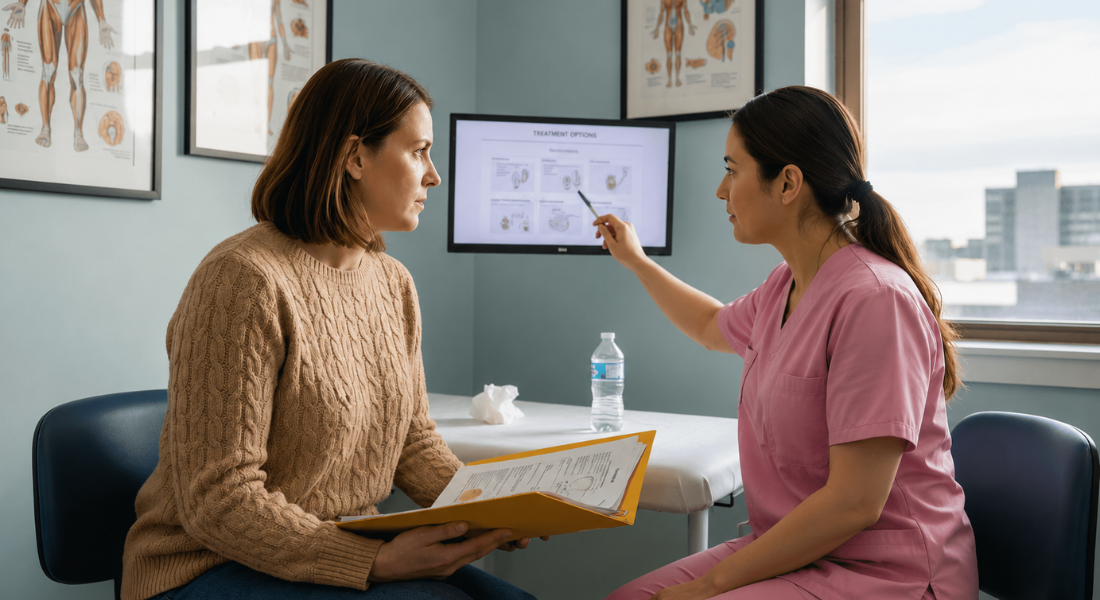
Newer does not always mean more effective. The most appropriate treatment depends on your symptoms, fibroid characteristics and personal goals. Alongside established treatments such as medicines, myomectomy and hysterectomy, you may now be offered newer oral medicines and minimally invasive procedures that can reduce symptoms while helping you avoid major surgery. The most suitable treatment … Read more
Do Fibroids Need to Be Removed?

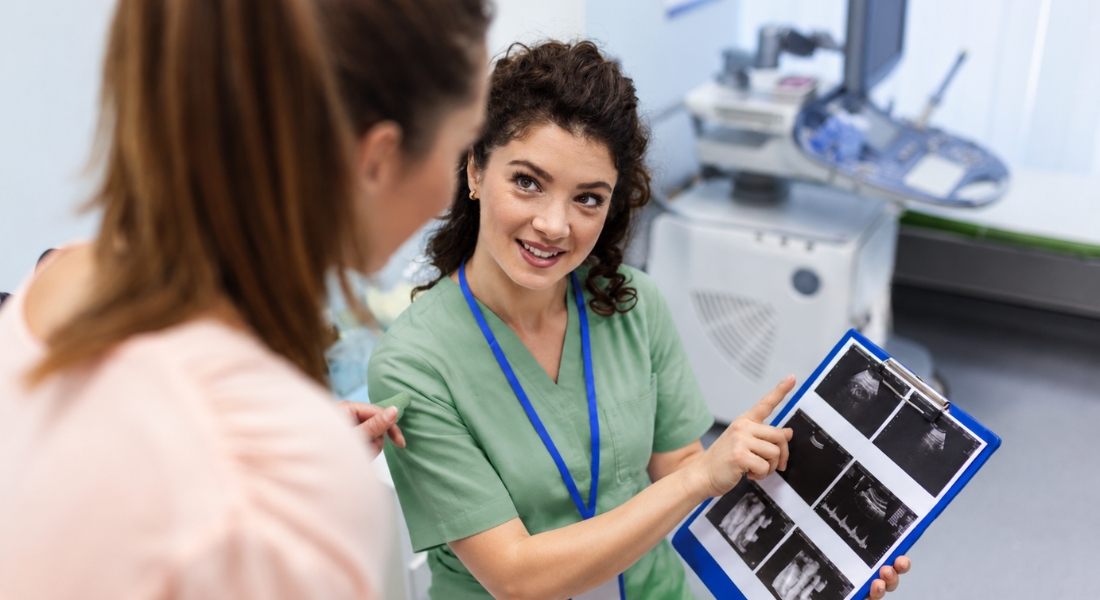
Fibroids do not always need to be removed. Many fibroids cause no symptoms and can be safely monitored, while others may need treatment because they cause heavy bleeding, pain, pressure symptoms, fertility problems or other concerns. The right approach depends on your symptoms, the size and location of your fibroids, your future pregnancy plans and … Read more

What Are Fibroids?

Fibroids are non-cancerous growths that develop from the muscle and fibrous tissue of your womb. You may have a single fibroid or several of different sizes, and they can grow within the womb wall, project into the womb cavity or develop on the outer surface of the womb. Many fibroids cause no symptoms and are … Read more

Endometriosis vs Adenomyosis: What’s the Difference?

Endometriosis and adenomyosis can cause similar symptoms, including painful periods, pelvic discomfort, heavy bleeding and fertility difficulties. However, they are different conditions because they affect different areas of your body. Because their symptoms overlap, you may find it difficult to tell the conditions apart, and it is also possible to have both at the same … Read more

How Is Endometriosis Diagnosed?

Endometriosis can be difficult to diagnose because the symptoms vary from person to person and often overlap with other gynaecological, bowel or bladder conditions. You may experience severe period pain, painful bowel movements or fertility problems, while someone else with endometriosis may have very different symptoms. Your diagnosis is usually based on a combination of … Read more

Can You Get Pregnant with Endometriosis?

Yes, you can get pregnant if you have endometriosis. Many women with the condition conceive naturally, while others may benefit from fertility treatments such as intrauterine insemination (IUI) or in vitro fertilisation (IVF). Your chances of becoming pregnant can vary depending on factors such as your age, ovarian reserve, the health of your fallopian tubes … Read more

Why Do Endometrial Polyps Keep Coming Back?

Having an endometrial polyp removed can bring relief, but it can feel worrying if your symptoms return or another polyp develops. This does not usually mean your previous treatment was unsuccessful, as hysteroscopy removes the existing polyp but cannot always prevent new ones from forming. Endometrial polyps may come back because of hormonal changes, the … Read more

Hysteroscopic Polyp Removal: What to Expect

Being told that you need an endometrial polyp removed can naturally leave you with questions about pain, anaesthetic options and recovery. Hysteroscopic polyp removal is a minimally invasive procedure where a thin telescope is passed through your vagina and cervix to view the inside of your womb. Small instruments can then be passed through the … Read more

Can Endometrial Polyps Affect Fertility and IVF?

Finding an endometrial polyp while you are trying to conceive can leave you wondering whether it is affecting implantation, delaying pregnancy or interfering with IVF treatment. Polyps can affect fertility in some cases, but their impact is not always predictable, and smaller polyps may have little measurable effect. Evidence more clearly supports removing a confirmed … Read more