



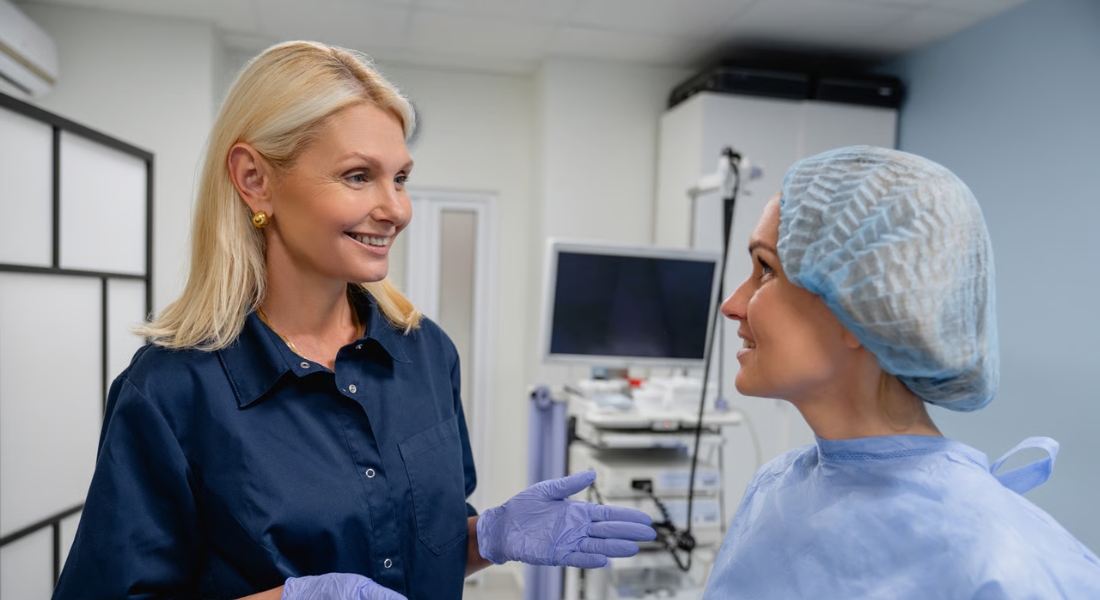
Being told that you need an endometrial polyp removed can naturally leave you with questions about pain, anaesthetic options and recovery. Hysteroscopic polyp removal is a minimally invasive procedure where a thin telescope is passed through your vagina and cervix to view the inside of your womb. Small instruments can then be passed through the hysteroscope to remove the polyp from the womb lining.
Depending on the size and position of the polyp, the procedure may be carried out as an outpatient treatment while you are awake or with sedation or an anaesthetic in a day-surgery setting. Most people return home the same day, and mild period-like cramps and light bleeding are common afterwards, while serious complications are uncommon.
What Is an Endometrial Polyp?
An endometrial polyp is a growth that develops from the lining inside your womb, known as the endometrium. It may be attached by a thin stalk or have a broader base, and you may have one polyp or several that vary in size. Some polyps cause no symptoms, while others may contribute to heavy periods, bleeding between periods, irregular bleeding or bleeding after menopause.
An ultrasound scan can suggest that you have a polyp, but hysteroscopy allows your gynaecologist to look directly inside your womb and confirm the finding. If a polyp is removed, the tissue is usually sent to a laboratory for examination, as this helps confirm its nature.
What Is Hysteroscopic Polyp Removal?
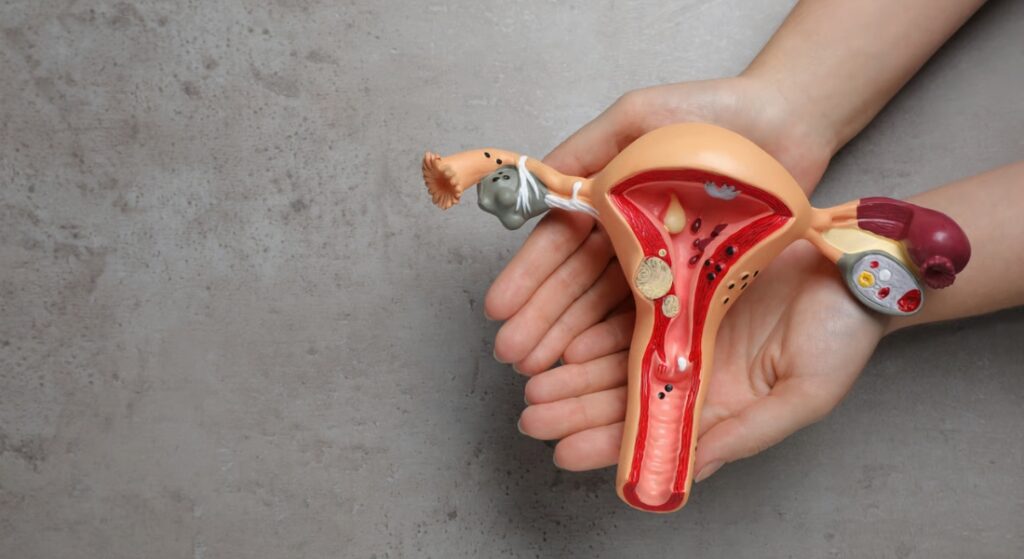
Hysteroscopic polyp removal, also known as hysteroscopic polypectomy or endometrial polypectomy, is a procedure used to examine your womb cavity and remove an endometrial polyp. A thin telescope called a hysteroscope is passed through your vagina and cervix, allowing your clinician to view the inside of your womb on a monitor.
Small instruments can be passed through the hysteroscope to separate and remove the polyp. The technique used depends on the size, shape and position of the polyp, but the aim is to remove it while protecting the surrounding womb lining. As the procedure uses the natural opening of your cervix, you do not usually need abdominal cuts or stitches, which can support a quicker recovery.
Why Might Your Gynaecologist Recommend Removal?
Your gynaecologist may recommend removing an endometrial polyp if it is thought to be contributing to symptoms such as heavy periods, prolonged bleeding, bleeding between periods or bleeding after menopause. Removal may also be considered if a polyp is found during fertility assessment, particularly when its size or position may affect the womb cavity.
A polyp may also be removed so the tissue can be examined under a microscope, especially when you have postmenopausal bleeding, persistent irregular bleeding or other factors that require closer assessment. Your doctor should explain why removal is recommended in your situation and discuss alternatives such as monitoring or further investigations based on your symptoms, medical history and fertility plans.
Evidence Note: Why Hysteroscopy Is Used
Guidelines recommend hysteroscopy as an important method for assessing the uterine cavity because it allows direct visualisation of the womb lining and enables treatment of some abnormalities during the same procedure. Removing the tissue also allows laboratory examination to exclude uncommon but important abnormalities.
Outpatient Treatment or Theatre Treatment?
Many suitable polyps can be removed during outpatient hysteroscopy while you are awake. Pain relief options should be discussed beforehand and may include local anaesthetic, medication or other approaches depending on your needs and preferences.
A theatre procedure may be recommended when the polyp is larger, there are several polyps or access through the cervix is difficult. It may also be more appropriate when you prefer sedation or a general or regional anaesthetic.
| Feature | Outpatient polyp removal | Polyp removal in theatre |
| Where it happens | Hysteroscopy clinic or treatment room | Day-surgery operating theatre |
| Anaesthetic | None, local anaesthetic or other clinic-based pain relief | Sedation, regional anaesthetic or general anaesthetic |
| Awareness | You remain awake | You may be relaxed, numb or asleep |
| Usual discharge | Usually shortly after treatment | Usually the same day, although observation may be longer |
| Transport home | Usually not required unless medication, pain relief or local instructions affect your ability to travel or drive safely | A responsible adult will generally need to collect you and follow the hospital’s instructions about supporting you afterwards |
| Recovery | Frequently rapid | May include temporary effects from sedation or anaesthetic |
| Suitable for | Many small or accessible polyps | Larger, complex or difficult-to-access polyps and patient preference |
RCOG guidance states that you should receive information about outpatient hysteroscopy, possible pain relief and alternative care settings before treatment. You may choose to stop or reschedule the outpatient procedure and discuss having it under anaesthetic or with sedation instead.
Having the procedure in theatre does not mean that your polyp is necessarily more serious. The setting may simply reflect technical considerations, pain-management needs or your informed preference.
What Is a See-and-Treat Hysteroscopy?

A see-and-treat hysteroscopy allows your clinician to examine the inside of your womb and remove a polyp during the same appointment. This approach may help you avoid returning for a separate procedure, although it depends on your individual circumstances and whether removal is suitable at that time.
Before treatment, your clinician should explain what is being proposed and confirm that you are happy to proceed. Removal may need to be delayed if the polyp is larger or more complex than expected, or if continuing the procedure would not be safe or comfortable. You can ask beforehand whether your appointment may include polyp removal and what pain-relief options are available.
How Should You Prepare for an Outpatient Procedure?
Before an outpatient hysteroscopy, you can usually eat and drink as normal unless your clinic has given you different instructions. Your team may suggest taking a suitable painkiller before the appointment, but you should check what is safe for you, especially if you have other health conditions or take regular medicines.
Bring an up-to-date list of your medications and tell the team if you take blood-thinning medicines or have a bleeding condition. Wearing comfortable clothing and bringing a sanitary pad can be helpful, as you may have light bleeding or fluid discharge afterwards. If you have any concerns before your appointment, contact your clinic so you feel prepared and informed.
What If You Are Having Sedation or a General Anaesthetic?
If your polyp removal is planned under sedation or a general anaesthetic, your hospital will give you instructions about fasting before the procedure. It is important to follow these carefully, as eating or drinking at the wrong time may affect your safety and could mean the procedure needs to be delayed.
You will usually need someone to take you home afterwards and should avoid driving, alcohol and important decisions while the anaesthetic is affecting you. Tell your anaesthetic team about your medicines, allergies, previous anaesthetic experiences and any possibility of pregnancy.
Clinical Tip:
If you are concerned about discomfort during an outpatient hysteroscopy, ask your clinic before your appointment what pain-relief options are available. You may also wish to ask whether you can take a suitable painkiller beforehand and whether a friend or family member can accompany you if local arrangements allow.
Can You Have the Procedure During Your Period?
You should usually keep your appointment if your period starts, as the procedure may still be possible. However, very heavy bleeding can sometimes make it harder for your clinician to see the womb clearly, so contact the clinic if you are unsure.
Hysteroscopy should not be carried out if there is a possibility that you are pregnant. Tell your clinic if your period is late, you think you may be pregnant or you have symptoms of infection, as your procedure may need to be postponed.
What Happens When You Arrive?
Before the procedure, you will usually meet your clinician to discuss your symptoms, scan results, medical history and why polyp removal has been recommended. They should explain the procedure, possible benefits, risks and alternatives before asking for your consent.
This is a good opportunity to ask questions about pain relief, the instruments used and what happens if the polyp cannot be removed. You can withdraw your consent at any point, and a nurse or healthcare professional will normally support you throughout the procedure.
What Happens During the Hysteroscopy?
During a hysteroscopy, you will usually change from the waist down and be positioned comfortably while the clinical team explains each step. A thin hysteroscope is gently passed through your vagina and cervix, allowing the clinician to view the inside of your womb on a monitor.
- Using sterile fluid: Saline is used to open the womb cavity and improve visibility, so you may notice some fluid leakage afterwards.
- Identifying the polyp: The clinician locates the polyp, checks how it is attached and examines the rest of the womb lining.
- Deciding next steps: Once the polyp is assessed, your clinician decides whether it can be removed during the appointment or whether further treatment should be arranged.
- Comfort and explanation: The team will explain what is happening throughout the procedure to help you feel at ease.
Overall, hysteroscopy allows your clinician to directly assess the womb cavity and identify polyps, helping guide the most appropriate treatment approach.
How Is the Polyp Removed During Hysteroscopy?

Once your clinician has located the polyp, a small instrument is passed through the hysteroscope to remove it from the womb lining. Depending on the size, shape and attachment of the polyp, it may be cut away, shaved down or removed using a specialised device.
The removed tissue is collected and sent to a laboratory for examination, even if it appears benign during the procedure. Your clinician will also check the area afterwards to ensure the visible polyp has been removed and may take a sample of the womb lining if this is clinically needed.
Will Hysteroscopic Polyp Removal Hurt?
Pain during hysteroscopic polyp removal varies from person to person. You may feel period-like cramping as the hysteroscope passes through your cervix and fluid is used to expand your womb. Some people experience mild or moderate discomfort, while others may experience severe pain, particularly when a biopsy or polyp removal is performed.
If the pain becomes difficult to tolerate, tell your clinician straight away. The procedure can be paused or stopped, and you can discuss options such as additional pain relief, sedation or another anaesthetic approach if needed.
How Long Does the Procedure Take?
A straightforward hysteroscopy may only take around 5 to 10 minutes, but polyp removal can take longer depending on the size, number and position of the polyp. Theatre-based procedures or those involving additional treatment may require more time.
Your full appointment will usually be longer than the procedure itself because it includes preparation, consent, treatment and recovery. It is best to keep your schedule flexible afterwards in case you need extra time to rest or the clinic is delayed.
What If the Polyp Cannot Be Removed?
Sometimes a polyp cannot be removed during an outpatient hysteroscopy. This may happen if the polyp is larger than expected, access through the cervix is difficult, visibility is limited or the procedure becomes too uncomfortable.
Stopping the procedure does not mean you have failed, as your comfort and safety are important. Your gynaecologist may discuss another attempt with different pain-relief options or arrange removal in a theatre setting with sedation or an anaesthetic if needed.
What Are the Possible Risks?
If you undergo hysteroscopic polyp removal, the procedure is generally very safe, but it still carries some risks. Possible complications include pain, bleeding, infection, feeling faint or sick, an incomplete procedure and a small risk of creating a hole in the wall of your womb, known as uterine perforation.
Your clinician should explain the benefits and risks based on your individual situation before treatment. You should seek medical advice if you develop heavy bleeding, severe pain, fever or unpleasant-smelling discharge after the procedure, as these symptoms may require prompt assessment.
What Happens Immediately Afterwards?
After outpatient treatment, you will usually rest in a recovery area until you feel ready to leave. You may be offered pain relief, a drink and some time to recover if you feel dizzy, light-headed or uncomfortable.
Most people can return home shortly afterwards, although you may prefer to have someone accompany you for support. If you have had a general anaesthetic, you will be monitored until you are awake and comfortable, and you should receive aftercare instructions before leaving.
What Is Normal During Recovery?
Mild period-like cramps and light bleeding or spotting are common after hysteroscopy and polyp removal. These symptoms usually improve over time, although cramps may last for a few hours and sometimes continue for several days.
You may also notice watery or blood-stained discharge while your womb lining heals. Use sanitary pads rather than tampons while you are bleeding, and seek medical advice if bleeding becomes heavier instead of gradually reducing or you notice a sudden increase.
When Can You Return to Work, Exercise and Sex?
Many people can return to their usual activities on the same day after an uncomplicated outpatient procedure, although you may prefer to rest if you have cramps or discomfort. You can return to work when you feel ready, but you may need more time if your job involves physical activity or you have had sedation or a general anaesthetic.
Avoid strenuous exercise and penetrative sex while you are still bleeding or uncomfortable. Follow your clinic’s advice about when it is safe to resume activities, as recovery times can vary depending on your procedure and how you feel afterwards.
When Will You Receive the Laboratory Results?

The removed polyp is usually sent to a laboratory for histological examination, where a pathologist checks the tissue and confirms whether it is benign or whether any further assessment is needed. You will not normally receive the result immediately after the procedure, and the timeframe can vary between hospitals.
Your clinic should explain how and when you will receive your results, which may be by letter, telephone, online system or a follow-up appointment. Most endometrial polyps are not cancerous, but checking the tissue is an important part of your care and helps guide any further treatment if needed.
Myth vs Fact
| Myth | Fact |
| Every endometrial polyp causes symptoms. | Many endometrial polyps are found incidentally and cause no symptoms. |
| Everyone needs a general anaesthetic. | Many hysteroscopic polypectomies can be performed safely in an outpatient clinic while you are awake. |
| Outpatient hysteroscopy is painless for everyone. | Pain varies considerably, and some people experience severe pain. You can ask for the procedure to stop at any time. |
| Once the procedure starts, it must be completed. | You can withdraw consent or ask for the procedure to stop. Removal can be rearranged with different pain relief, sedation or an anaesthetic if necessary. |
Key Takeaways
- Most endometrial polyps are benign.
- Hysteroscopic removal is usually a day procedure.
- Recovery is generally quick, with mild cramping and light bleeding being common.
- The removed tissue is usually sent for laboratory examination.
- Seek medical advice if you develop heavy bleeding, fever, severe pain or foul-smelling discharge.
FAQs:
1. Is hysteroscopic polyp removal a major operation?
No. Hysteroscopic polyp removal is a minimally invasive procedure that uses a thin telescope passed through your vagina and cervix, so you do not need any cuts on your abdomen. You can usually go home the same day and return to your normal routine soon afterwards.
2. Will you need a general anaesthetic for hysteroscopic polyp removal?
Not always. You may have the procedure while you are awake in an outpatient clinic, or your gynaecologist may recommend sedation or a general anaesthetic depending on the size of the polyp, your medical history and your personal preferences.
3. How long does it take to recover after hysteroscopic polyp removal?
You may experience mild cramping and light bleeding for a few days while your womb heals. Most people return to normal daily activities quickly, although you should follow your clinician’s advice about exercise, sex and work based on your individual recovery.
4. When should you seek medical advice after hysteroscopic polyp removal?
You should contact your healthcare team if you develop heavy bleeding, severe pain, fever, foul-smelling discharge or symptoms that become worse instead of improving. Prompt assessment can help identify infection or other uncommon complications that may need treatment.
5. Can hysteroscopic polyp removal improve your fertility?
If an endometrial polyp may be affecting implantation or fertility treatment outcomes, removal may be considered in selected situations. Your specialist can discuss whether removal is likely to be beneficial based on your individual circumstances.
Final Thoughts: Understanding Your Treatment and Recovery
Hysteroscopic polyp removal is a commonly used minimally invasive procedure that allows your gynaecologist to diagnose and treat endometrial polyps without the need for abdominal surgery. Most people recover quickly, and although mild cramping and light bleeding are common for a short time afterwards, serious complications are uncommon. Knowing what to expect before, during and after the procedure can help you feel more prepared and confident about your treatment.
Every person’s situation is different, so the decision to remove a polyp should always take into account your symptoms, medical history, fertility plans and the characteristics of the polyp itself. If you would like specialist support, our team providing endometrial polyps treatment in London can assess your symptoms, discuss your concerns and recommend the most appropriate investigations or treatment options based on your individual needs and circumstances.
References:
- De Silva, P.M., Smith, P.P., Cooper, N.A.M. and Clark, T.J. (2024) ‘Outpatient hysteroscopy: Green-top Guideline No. 59’, BJOG: An International Journal of Obstetrics & Gynaecology, 131(13), pp. e86–e110. Available at: https://www.rcog.org.uk/guidance/browse-all-guidance/green-top-guidelines/outpatient-hysteroscopy-green-top-guideline-no-59/
- National Institute for Health and Care Excellence (NICE) (2018, updated 2026) Heavy menstrual bleeding: assessment and management. NICE guideline NG88. Available at: https://www.nice.org.uk/guidance/ng88
- National Institute for Health and Care Excellence (NICE) (2013, updated 2020) Heavy menstrual bleeding. Quality standard QS47, Quality statement 2: Outpatient hysteroscopy. Available at: https://www.nice.org.uk/guidance/qs47/chapter/quality-statement-2-outpatient-hysteroscopy
- Royal College of Obstetricians and Gynaecologists (2025) Outpatient hysteroscopy. Available at: https://www.rcog.org.uk/for-the-public/browse-our-patient-information/outpatient-hysteroscopy/
- NHS (2024) Hysteroscopy. Available at: https://www.nhs.uk/tests-and-treatments/hysteroscopy/