



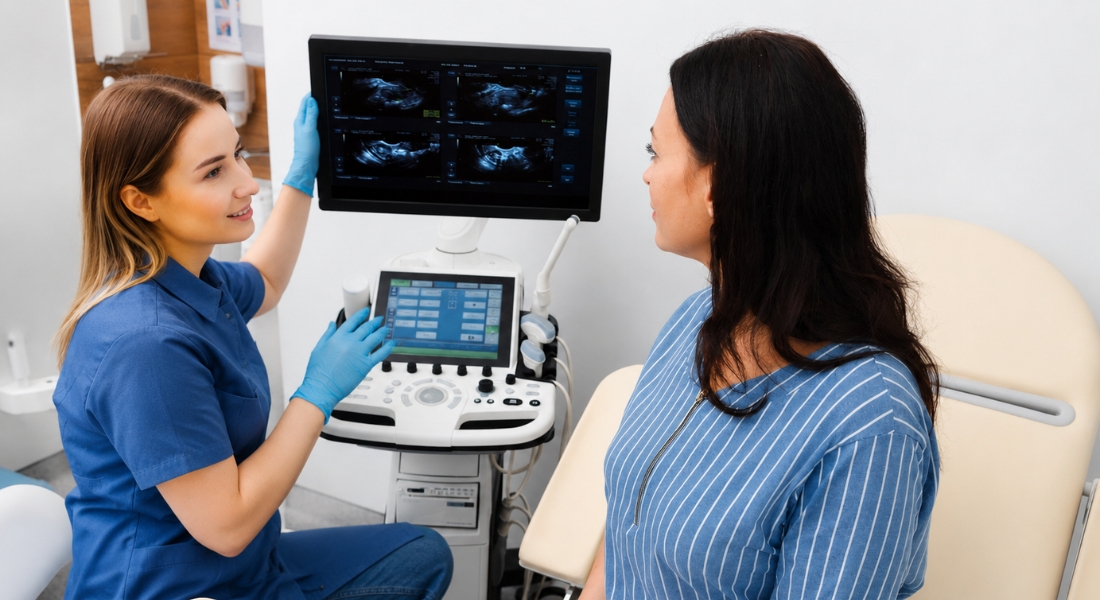
Endometriosis is a long-term gynaecological condition where tissue similar to the lining of your womb grows outside the womb, most commonly within the pelvis. It can cause painful periods, ongoing pelvic pain, discomfort during sex and difficulties becoming pregnant, while also affecting your daily activities, sleep and emotional wellbeing.
You may have been told that severe period pain is normal, but pain that regularly affects your work, studies, exercise or quality of life should be assessed. Endometriosis affects everyone differently, and while there is no guaranteed cure, treatments such as medicines, hormonal therapies and surgery can help you manage your symptoms.
How Does Endometriosis Affect the Body?
Endometriosis occurs when tissue similar to the lining of your womb grows outside the womb, most commonly within your pelvis. This tissue can respond to hormonal changes during your menstrual cycle, leading to inflammation, irritation and sometimes the formation of scar tissue and adhesions over time.
Endometriosis is not an infection, is not contagious and cannot be passed from one person to another. Although it is not cancerous, it can still have a significant impact on your life by causing pain, fertility difficulties and ongoing symptoms.
What Are the Main Symptoms?
If you have endometriosis, you may experience a combination of pain, bleeding, bowel, bladder or fertility-related symptoms. Your symptoms can vary over time, and you may not experience the same pattern as someone else.
| Possible symptom or effect | What you may notice |
| Painful periods | Cramping or pelvic pain that affects your daily activities |
| Persistent pelvic pain | Aching, pressure, burning or sharp pain between periods |
| Pain during or after sex | Deep pelvic discomfort that may continue afterwards |
| Bowel symptoms | Painful bowel movements, constipation, diarrhoea or cyclical rectal pain |
| Bladder symptoms | Pain when passing urine, urgency or bladder discomfort that follows your cycle |
| Heavy periods | Heavy bleeding, clots or needing to change period products frequently |
| Fertility difficulties | Taking longer to conceive or needing fertility support |
| Fatigue | Ongoing tiredness, poor concentration or reduced energy |
| Lower back or leg pain | Pain that spreads from your pelvis |
| Emotional effects | Stress, low mood or frustration linked with ongoing symptoms |
You should speak to your healthcare professional if you have symptoms such as chronic pelvic pain, period pain that affects your daily life, pain during or after sex, cyclical bowel or bladder symptoms or difficulty becoming pregnant.
These symptoms can suggest endometriosis, but other conditions such as fibroids, adenomyosis, ovarian cysts and bowel or bladder problems can cause similar issues.
How Painful Can Endometriosis Periods Be?
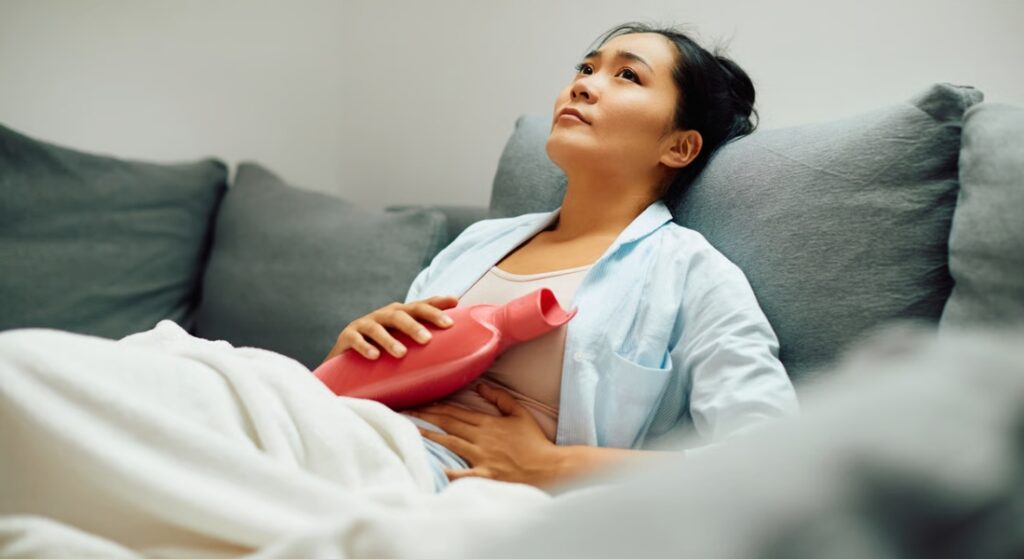
If you have endometriosis, your period pain may be much more severe than typical menstrual cramps. You may experience intense pain before, during or after your period, and it can affect your ability to work, sleep, exercise or carry out everyday activities.
You may also find that usual pain relief becomes less effective over time. If your period pain is regularly disrupting your life, it is important to speak to your doctor, as severe pain should not be considered a normal part of menstruation.
Can Endometriosis Cause Pain Between Periods?
Yes. Although endometriosis pain is often worse around your period, you can also experience symptoms at other times of the month. You may notice a constant ache, pelvic pressure, sharp pain or discomfort that comes and goes without a clear pattern.
Pain between periods can happen because endometriosis involves inflammation, scar tissue, pelvic muscle tension and changes in how your body processes pain. Keeping a diary of your symptoms, including when the pain occurs and how it affects your daily life, can help your specialist understand your condition more clearly.
How Can Endometriosis Affect Your Bowel and Bladder?
Endometriosis can sometimes affect areas near the bowel and bladder, causing symptoms that may change throughout your menstrual cycle. However, having bowel or bladder symptoms does not always mean endometriosis has directly involved these organs.
- Bowel-related pain: You may experience pain when opening your bowels, particularly during your period.
- Digestive symptoms: Bloating, constipation or diarrhoea can occur, especially around menstruation.
- Bladder discomfort: Some people experience pain when passing urine or discomfort in the bladder area.
- Changes in urination: Endometriosis may be linked with increased urgency or needing to urinate more frequently.
- Specialist assessment: If deep endometriosis is suspected, scans such as expert ultrasound or MRI may help assess the location and extent of disease.
These symptoms can also be caused by other conditions, so a proper assessment is important. Your specialist can help determine whether your symptoms are related to endometriosis and discuss the most appropriate next steps.
Can Endometriosis Cause Pain During Sex?
If you have endometriosis, you may experience pain during or after penetrative sex. The discomfort is often felt deep within your pelvis and may feel like pressure, aching or a sharp pain, depending on where the endometriosis is located.
Pain during sex can affect your confidence, relationships and quality of life, so it is important to discuss it with your gynaecologist. Your specialist will consider other possible causes too, such as pelvic-floor problems, infections, vaginal conditions or menopause-related changes, to understand the full picture.
Can Endometriosis Cause Fatigue and Emotional Distress?
If you have endometriosis, you may experience ongoing fatigue that affects your concentration, daily activities and overall quality of life. Pain, disrupted sleep, emotional stress and, in some cases, heavy menstrual bleeding or iron deficiency may contribute to feeling exhausted.
Endometriosis can also affect your emotional wellbeing, particularly when symptoms interfere with work, relationships or fertility plans. Feeling anxious, frustrated or low does not mean your symptoms are psychological, and emotional support can be an important part of your overall care.
What Causes Endometriosis?
The exact cause of endometriosis is still not fully understood, and researchers believe several factors may be involved. These may include genetic influences, immune system differences, hormonal responses and changes in how certain cells develop or behave. Retrograde menstruation, where menstrual blood flows backwards through the fallopian tubes, is one proposed explanation, but it does not explain every case.
You can develop endometriosis even if you have no family history, and it is not caused by anything you have done. Your diet, exercise, sexual activity or personal hygiene do not cause the condition, although lifestyle changes may help you manage some symptoms and support your overall wellbeing.
Evidence Note: Why Endometriosis Can Be Difficult to Diagnose
A diagnosis of endometriosis can sometimes take time because symptoms vary widely and may overlap with other pelvic conditions. NICE recommends considering endometriosis in people with symptoms such as chronic pelvic pain, painful periods affecting daily activities, deep pain during sex, or cyclical bowel and bladder symptoms. A normal examination or scan does not always exclude the condition, particularly superficial endometriosis.
Endometriosis or Adenomyosis: What Is the Difference?
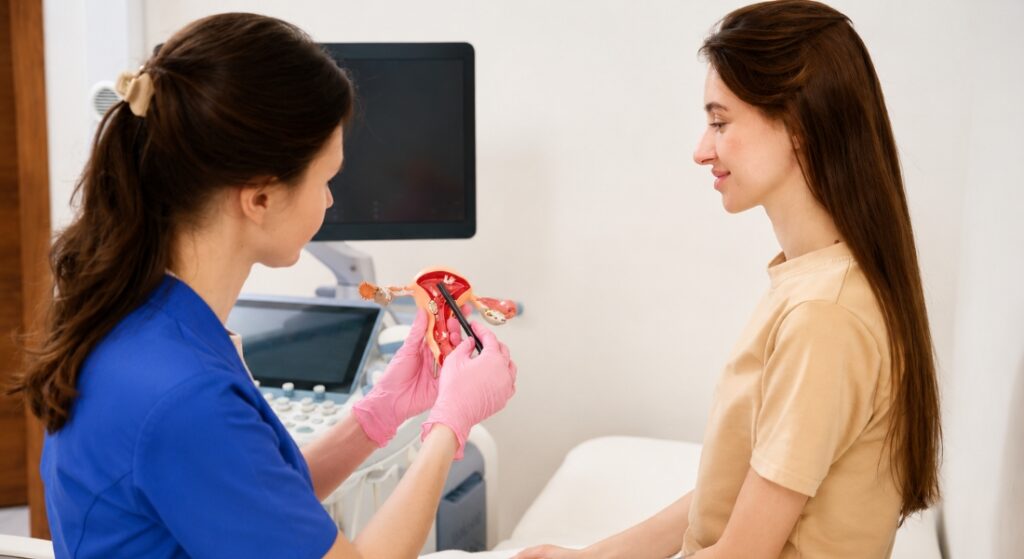
Endometriosis and adenomyosis can cause similar symptoms, including painful periods, heavy bleeding, pelvic pain and discomfort during sex. The main difference is where the endometrial-like tissue develops, as endometriosis usually affects areas outside your womb, while adenomyosis occurs within the muscular wall of your womb.
If you have adenomyosis, you may experience a bulky or tender womb and heavier periods, while endometriosis may cause symptoms affecting other areas of your pelvis. You can have both conditions together, so your specialist will consider your full range of symptoms when planning your treatment.
Can Endometriosis Affect Fertility?
If you have endometriosis, you may find it more difficult to become pregnant, but it does not mean you cannot conceive. Many people with endometriosis become pregnant naturally, depending on factors such as your age, ovarian reserve, fallopian tubes and the extent of the condition.
Endometriosis can affect fertility by causing inflammation, scar tissue, changes around the fallopian tubes or ovarian cysts called endometriomas. Your specialist will consider your individual circumstances and may discuss options such as monitoring, surgery or fertility treatments if needed.
When Should You See a Gynaecologist?
You should speak to a gynaecologist if your pelvic pain regularly affects your daily life, including your work, sleep, exercise or relationships. Ongoing pain during sex, bowel movements or urination should also be assessed, especially if your symptoms are persistent or getting worse.
You do not need to wait until your symptoms become severe before seeking help. Keeping a symptom diary and bringing details of previous scans, treatments or surgery can help your gynaecologist understand your concerns and plan the most appropriate care.
UK Guidance Note: Getting Help for Suspected Endometriosis
NICE recommends considering endometriosis when symptoms include chronic pelvic pain, painful periods that affect daily activities, deep pain during or after sex, or cyclical bowel and bladder symptoms. If these symptoms are affecting your quality of life, specialist assessment can help identify possible causes and guide appropriate treatment options.
What Happens During an Endometriosis Assessment?
During your endometriosis assessment, your clinician will ask about your pain, periods, bowel or bladder symptoms, sexual symptoms and fertility plans. You should explain how your symptoms affect your daily life, as this helps your specialist understand the full impact of your condition.
Your clinician may perform an abdominal or internal examination to check for tenderness, pelvic masses or other signs of endometriosis. Even if your examination is normal, endometriosis can still be present, so your symptoms and medical history remain important.
Clinical Tip: Keep a Symptom Diary
Recording when your pain occurs, where you feel it, how it affects your activities and whether symptoms change during your menstrual cycle can help your specialist understand your symptoms more clearly. Bringing previous scan reports, treatment history and fertility concerns to your appointment can also support a more focused assessment.
Can Ultrasound Diagnose Endometriosis?
A transvaginal ultrasound can help your specialist look for signs of endometriosis, including ovarian endometriomas and deep endometriosis. It uses a slim probe placed gently inside your vagina to examine your pelvic organs in more detail.
However, a normal ultrasound does not always rule out endometriosis. Some types of endometriosis, particularly superficial disease, may not be visible, so your symptoms and medical history are also important when deciding on further assessment.
When Are MRI and Laparoscopy Used?
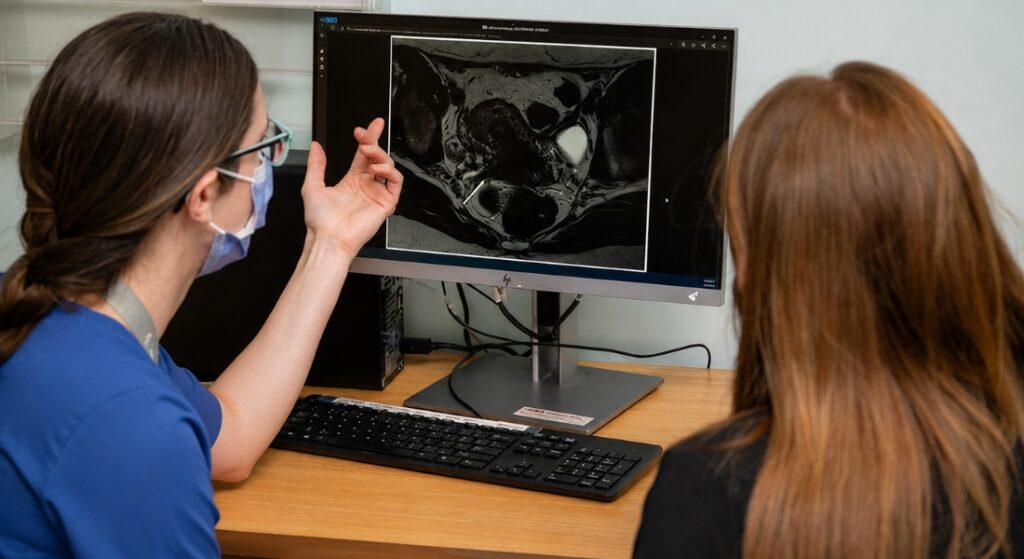
If your specialist suspects deep endometriosis or needs detailed information before surgery, you may be offered a pelvic MRI. It can help identify whether endometriosis affects areas such as your bowel, bladder or ureters, although it may not detect every small or superficial area.
A laparoscopy is a keyhole procedure that allows your surgeon to look inside your pelvis and treat visible endometriosis during the same operation in some cases. However, you do not always need surgery before treatment begins, as your symptoms and scan results may be enough to guide initial management.
Do Endometriosis Stages Match Symptom Severity?
Endometriosis can be classified into stages based on what your surgeon sees during a procedure, including the location of the disease, adhesions and ovarian endometriomas. However, the stage does not reliably show how much pain or discomfort you may experience.
You can have early-stage endometriosis with severe symptoms or more extensive disease with fewer symptoms. Your treatment plan should therefore focus on your symptoms, fertility goals, overall health and personal priorities rather than the stage alone.
Which Medicines Can Help?
If you have endometriosis, medicines can help manage your symptoms but do not permanently remove all areas of the condition. Pain-relieving medicines, including anti-inflammatory medicines, may help some people, while hormonal treatments can reduce symptoms by controlling your menstrual cycle and limiting hormonal stimulation.
Your specialist may discuss options such as the contraceptive pill, progestogen treatments, implants, injections or a hormonal coil depending on your symptoms and health. The most suitable medicine for you will depend on your fertility plans, contraceptive needs and how you respond to treatment.
| Treatment approach | What it may help with | Important considerations |
| Pain-relieving medicines | May reduce pain symptoms for some people | Effectiveness varies and suitability depends on your health |
| Hormonal treatments | May reduce symptoms by controlling hormonal stimulation | Not suitable for everyone, especially depending on fertility plans |
| Laparoscopic surgery | May treat visible endometriosis or adhesions | Benefits and risks should be discussed individually |
| Fertility treatment | May support conception where needed | Depends on age, fertility factors and disease extent |
When Is Surgery Considered?
Surgery may be considered if your endometriosis symptoms continue to affect your daily life, medicines are not suitable or the condition is affecting your fertility or other organs. Most endometriosis surgery is performed using laparoscopy, where your specialist can remove or treat visible areas of endometriosis and divide adhesions.
Surgery can improve pain and symptoms, but it cannot guarantee that endometriosis will never return. If you have an ovarian endometrioma or deep endometriosis affecting your bowel, bladder or ureter, your specialist will carefully discuss the potential benefits, risks and impact on your fertility before recommending treatment.
How Can You Live With and Monitor Endometriosis?
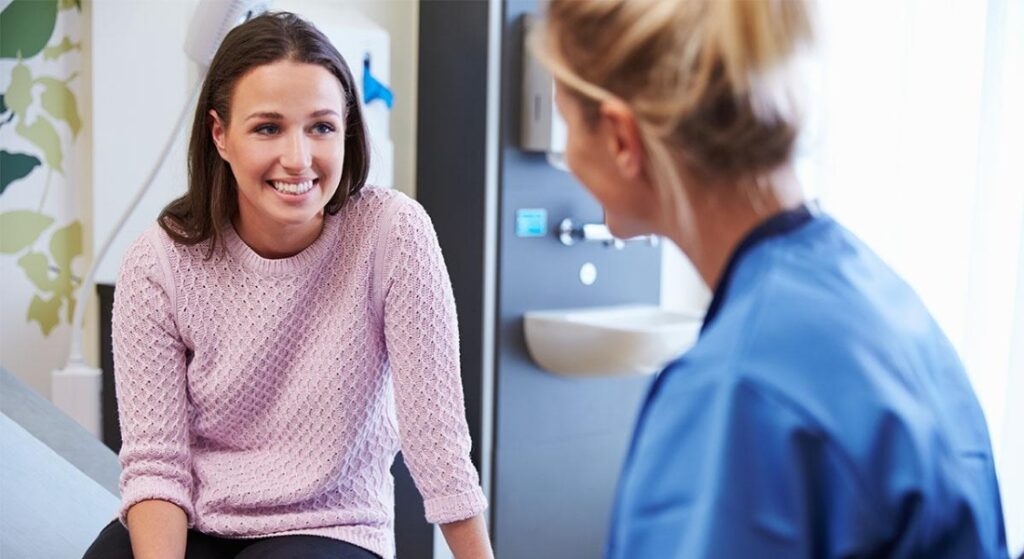
Living with endometriosis often involves finding a management plan that suits your symptoms, lifestyle and future plans. Your care may include medication, hormonal treatment, surgery, pelvic health physiotherapy or pain-management support, with regular reviews to adjust your treatment when your needs change.
Lifestyle approaches such as gentle movement, heat, good sleep and pacing your activities may help you manage symptoms alongside medical care. You should seek urgent advice if you experience sudden severe pelvic pain, heavy bleeding, faintness, fever or symptoms that feel different from your usual endometriosis pattern.
Myth vs Fact
| Myth | Fact |
| Severe period pain is just a normal part of menstruation. | Period pain that regularly affects your work, studies, sleep or daily activities should be assessed, as it may be a sign of a condition such as endometriosis. |
| A normal ultrasound means you cannot have endometriosis. | A normal ultrasound does not always rule out endometriosis, particularly superficial disease that may not be visible on imaging. Your symptoms and medical history are also important. |
| Endometriosis always causes infertility. | Endometriosis can affect fertility for some people, but many people with the condition conceive naturally depending on factors such as age, ovarian reserve and the extent of the disease. |
| Surgery permanently cures endometriosis. | Surgery may help reduce symptoms and treat visible areas of endometriosis, but it cannot guarantee that symptoms will never return. |
| Endometriosis only affects the womb. | Endometriosis develops outside the womb and can affect areas such as the ovaries, pelvic lining, bowel, bladder or other structures within the pelvis. |
| If symptoms are not visible on a scan, they are not serious. | The severity of symptoms does not always match what appears on imaging. Persistent pain and other symptoms should still be discussed with a healthcare professional. |
Key Takeaways
- Endometriosis occurs when tissue similar to the womb lining grows outside the womb, usually within the pelvis.
- Symptoms can vary widely and may include painful periods, pelvic pain, pain during sex, bowel or bladder symptoms, fatigue and fertility difficulties.
- Period pain that affects your quality of life should not be considered something you simply have to tolerate.
- A normal ultrasound does not always exclude endometriosis, so your symptoms and medical history remain important during assessment.
- Treatment depends on your symptoms, fertility plans, overall health and personal preferences, and may include medicines, hormonal treatments, surgery or supportive therapies.
- Endometriosis can affect emotional wellbeing as well as physical health, and seeking support can help you manage the condition more effectively.
- Specialist assessment can help you understand your symptoms, explore suitable treatment options and make informed decisions about your care.
FAQs:
1. Can you have endometriosis even if your ultrasound is normal?
Yes. A normal ultrasound does not completely rule out endometriosis, particularly superficial disease that may not be visible on imaging. If your symptoms strongly suggest endometriosis, your gynaecologist may still recommend further assessment or treatment based on your symptoms.
2. Does endometriosis always cause severe pain?
No. Endometriosis affects people differently, and some people have little or no pain despite having the condition. Others may experience severe period pain, pelvic pain, painful sex, bowel or bladder symptoms that significantly affect daily life.
3. Can endometriosis be cured permanently?
There is currently no treatment that guarantees endometriosis will never return. However, hormonal treatments, pain management, surgery and specialist support can help control symptoms and improve your quality of life.
4. Can you get pregnant if you have endometriosis?
Yes. Many people with endometriosis conceive naturally, although the condition can make pregnancy more difficult for some. Fertility depends on factors such as your age, ovarian reserve, fallopian tubes, the location of endometriosis and your partner’s fertility.
5. When should you see a doctor about possible endometriosis?
You should seek medical advice if period pain, pelvic pain, painful sex, bowel or bladder symptoms, or fertility concerns are affecting your daily life. Early assessment can help you access appropriate treatment and support.
Final Thoughts: Understanding Your Endometriosis and Treatment Options
Endometriosis can affect many aspects of your life, from painful periods and pelvic discomfort to fertility concerns, fatigue and emotional wellbeing. If you have ongoing symptoms or feel that your concerns have not been fully addressed, seeking specialist advice can help you understand your condition and explore the most suitable next steps.
If you are looking for expert endometriosis treatment in London, our specialist team can provide a thorough assessment, help you understand your symptoms and recommend the most appropriate investigations or treatment options. At Gynaecology Clinic London, we tailor care to your individual symptoms, fertility plans and overall health, supporting you in making informed decisions with confidence while focusing on improving your long-term gynaecological wellbeing.
References:
- National Institute for Health and Care Excellence (NICE) (2017, amended 2024; reviewed 2025) Endometriosis: diagnosis and management. NICE guideline NG73. Available at: https://www.nice.org.uk/guidance/ng73
- Becker, C.M. et al. (2022) ‘ESHRE guideline: endometriosis’, Human Reproduction Open, 2022(2), article hoac009. Available at: https://academic.oup.com/hropen/article/2022/2/hoac009/6537540
- Taylor, H.S., Kotlyar, A.M. and Flores, V.A. (2021) ‘Endometriosis is a chronic systemic disease: clinical challenges and novel innovations’, The Lancet, 397(10276), pp.839–852. Available at: https://pubmed.ncbi.nlm.nih.gov/33640070/
- NHS (2024) Endometriosis. Last reviewed 27 August 2024. Available at: https://www.nhs.uk/conditions/endometriosis/
- Royal College of Obstetricians and Gynaecologists (RCOG) (no date) Endometriosis. Available at: https://www.rcog.org.uk/for-the-public/browse-our-patient-information/endometriosis/