



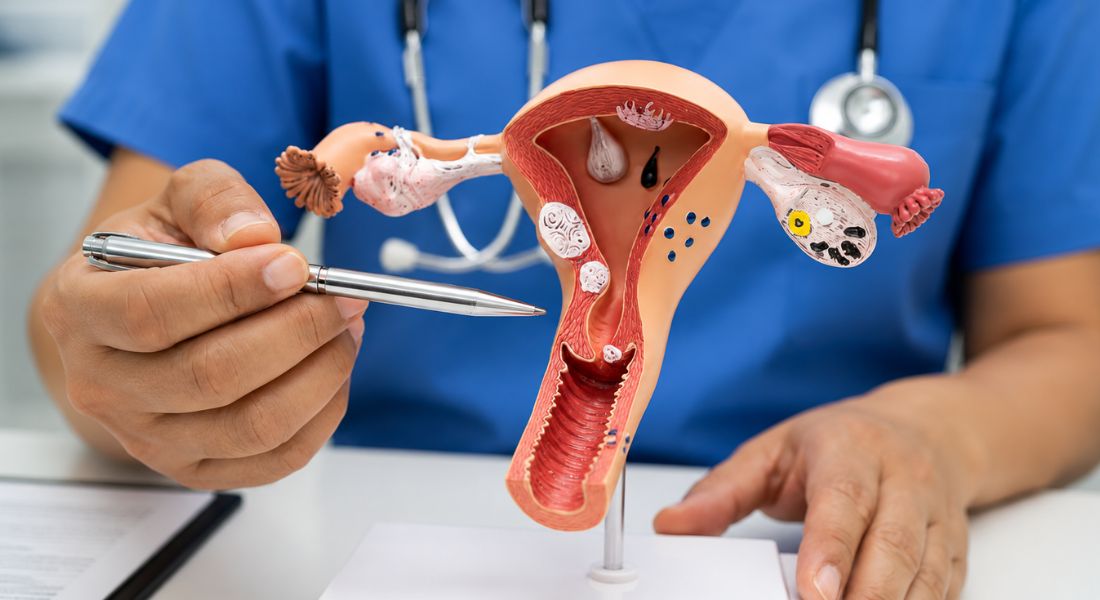
Finding out that you have adenomyosis can make pregnancy feel more uncertain. You may have concerns about miscarriage, your baby’s growth, whether you need additional monitoring or if the condition could affect your birth experience. It is completely understandable to have questions when you are trying to understand what adenomyosis may mean for your pregnancy.
Adenomyosis does not mean that you cannot have a healthy pregnancy. Many women with the condition conceive and give birth successfully, although some studies suggest that certain pregnancy complications may be more common. The evidence is still developing, and your individual pregnancy experience will depend on factors such as your age, overall health, previous pregnancies, the severity of adenomyosis and whether you conceived naturally or through fertility treatment.
What Does Adenomyosis Mean During Pregnancy?
Adenomyosis is a benign condition where tissue similar to the lining of your womb grows within the muscular wall of the uterus. It may cause symptoms such as heavy periods, painful periods and pelvic discomfort, although some women have no noticeable symptoms.
During pregnancy, your womb changes significantly to support your growing baby and the placenta. Researchers have explored whether the inflammation and structural changes linked to adenomyosis could affect implantation, placental development or how your womb adapts during pregnancy. However, having adenomyosis does not mean that complications will definitely happen, as your individual experience depends on factors such as the extent of the condition, your age, fertility history and overall health.
Can You Have a Healthy Pregnancy with Adenomyosis?

Yes, you can have a healthy pregnancy if you have adenomyosis. Having the condition does not mean that miscarriage, preterm birth or other pregnancy complications will definitely happen. Many women with adenomyosis go on to have successful pregnancies and healthy babies.
Some women have no symptoms and only discover they may have adenomyosis during fertility investigations or an ultrasound for another reason. Your individual pregnancy experience cannot be predicted by research statistics alone, as your age, overall health, previous pregnancies, method of conception and other medical factors will also influence your care and monitoring.
What Should You Do Before Trying to Conceive?
If you have adenomyosis and are planning a pregnancy, a preconception appointment can help you prepare. This gives you an opportunity to review your diagnosis, discuss symptoms like heavy periods or pain, and consider whether any treatment is needed before trying to conceive.
- Review Your Condition: Your doctor can discuss your adenomyosis, previous scans, and any symptoms that may need attention before pregnancy.
- Check for Other Conditions: You may be assessed for conditions such as fibroids or endometriosis, which can sometimes occur alongside adenomyosis.
- Review Your Health: Blood tests may be recommended to check for issues such as anaemia, especially if you have heavy bleeding.
- Discuss Medications: Some treatments may need to be stopped, changed, or timed carefully depending on your pregnancy plans.
Overall, planning ahead can help you feel more prepared before trying to conceive with adenomyosis. A preconception discussion allows your doctor to review your health, optimise your treatment plan, and support your fertility goals.
What Should You Do After a Positive Pregnancy Test?
After confirming your pregnancy, contact your GP or maternity service so your antenatal care can be arranged. It is important to tell your midwife that you have adenomyosis, even if you feel well, and share any previous ultrasound or MRI reports if they are not already available.
Your maternity team should also know whether you conceived naturally or through fertility treatment and whether you have experienced previous pregnancy complications. Details such as past miscarriages, preterm birth, womb surgery or other procedures can help your team decide what monitoring and support you may need during pregnancy. Your care plan will be based on your overall health and pregnancy history, not adenomyosis alone.
What Does Research Say About Pregnancy Outcomes?
Research suggests that adenomyosis may be linked with a higher risk of certain pregnancy complications, including miscarriage, preterm birth and placental problems. However, studies vary in their findings, and factors such as your age, overall health, endometriosis and method of conception can also influence your pregnancy outcomes.
These findings show possible associations rather than predicting what will happen to you. Many women with adenomyosis still have healthy pregnancies, and your maternity team will consider your individual circumstances when planning your care.
Evidence Note: What the Research Shows
Systematic reviews of observational studies have found associations between adenomyosis and several adverse pregnancy outcomes, including miscarriage, preterm birth, babies who are small for gestational age and hypertensive disorders such as pre-eclampsia. One review included 17 observational studies and concluded that adenomyosis was associated with poorer fertility, pregnancy and neonatal outcomes. However, the studies varied considerably in how adenomyosis was diagnosed and how well they adjusted for age, IVF, endometriosis and other factors. For you, this means the evidence supports careful individual assessment, but it cannot predict that a complication will happen in your pregnancy.
Does Adenomyosis Increase the Risk of Miscarriage?
Research suggests that adenomyosis may be associated with a higher risk of miscarriage, particularly in fertility and pregnancy studies. Possible reasons include changes in inflammation, womb contractions and the way the embryo or placenta attaches, although these factors do not explain every pregnancy loss.
Having adenomyosis does not mean that you will miscarry. Many women with the condition have successful pregnancies, and factors such as embryo chromosome changes and age can also play an important role. If you experience bleeding or pain during pregnancy, contact your maternity team so they can assess you and provide appropriate care.
What Should You Know About Pain and Bleeding in Early Pregnancy?
Mild cramping or light spotting can happen in many healthy pregnancies, but you should seek advice rather than assuming it is related to adenomyosis. Bleeding or pain in early pregnancy can have several causes, including normal changes, infection, miscarriage or ectopic pregnancy.
If you experience new or worsening pain, do not simply manage it at home because you have had adenomyosis symptoms before pregnancy. Contact your maternity team, early pregnancy unit or NHS 111 for advice, especially if bleeding is heavy or you have severe pain, dizziness, fainting or shoulder pain. Early assessment can help identify any concerns and provide reassurance when everything is progressing normally.
Can Adenomyosis Affect the Placenta?
Your placenta provides oxygen and nutrients to your developing baby, and researchers have explored whether adenomyosis may affect how the placenta develops and attaches to your womb. Some observational studies have explored links between adenomyosis and placental complications, although findings are inconsistent and individual risks cannot be predicted from adenomyosis alone. The evidence is also less consistent than for outcomes such as miscarriage, preterm birth and hypertensive disorders.
Your placenta position will be checked during routine ultrasound scans, and a low-lying placenta may move as your womb grows. If it remains close to or covers the cervix, your obstetric team will discuss the safest approach for monitoring and delivery. It is also important to tell your maternity team about any previous womb surgery, as this may affect your pregnancy care.
Is Pre-Eclampsia More Likely?
Some studies suggest that adenomyosis may be linked with a slightly higher risk of pre-eclampsia and other high blood pressure conditions during pregnancy. However, adenomyosis is only one factor, and your overall risk will also depend on your age, previous pregnancies, blood pressure, weight and any other health conditions.
Your maternity team will monitor your blood pressure and urine throughout pregnancy to look for early signs of problems. If your overall risk is higher, your doctor or midwife may recommend additional measures, such as low-dose aspirin, but you should only take this if advised by a healthcare professional.
Clinical Note: Aspirin Is Based on Your Overall Risk
Adenomyosis is not currently listed by NICE as a standalone reason to take aspirin during pregnancy. NICE recommends aspirin for women with recognised high-risk factors or more than one moderate-risk factor for pre-eclampsia. You should not start aspirin yourself, as your maternity team needs to assess whether it is appropriate, when it should begin and whether you have any reasons not to take it.
Can Adenomyosis Increase the Chance of Preterm Birth?
Research suggests that adenomyosis may be associated with a higher chance of preterm birth, although the level of risk varies between studies. Possible reasons include inflammation, changes in womb activity and placental factors, but these do not mean that you will experience preterm labour.
Your maternity team may discuss the signs of early labour, such as regular contractions, pelvic pressure, unusual backache, vaginal fluid loss or bleeding. If you have symptoms, contact your maternity unit promptly, as your care will depend on your pregnancy stage, medical history and any other risk factors.
Does Adenomyosis Affect Fetal Growth During Pregnancy?
Some studies suggest that adenomyosis may be linked with a higher chance of having a baby who is small for gestational age or has a lower birth weight. However, this does not mean that your baby’s growth will be affected, as many women with adenomyosis have healthy pregnancies and babies.
Your maternity team may recommend additional growth scans if they feel you have a higher risk based on your adenomyosis, fertility treatment or other factors. Attending your appointments and reporting any changes in your baby’s movements can help your team identify and manage any concerns as early as possible.
Does Adenomyosis Mean You Will Need a Caesarean Birth?
Having adenomyosis does not automatically mean that you will need a caesarean birth. Many women with the condition have vaginal deliveries when there are no other pregnancy complications or medical reasons to recommend surgery. However, some studies have found higher caesarean rates among women with adenomyosis, although this does not mean the condition directly causes every caesarean birth.
Your method of delivery will depend on your individual circumstances, including factors such as placenta position, your baby’s growth, previous womb surgery, your baby’s position and how your labour progresses. Your obstetrician will discuss the safest options with you while considering both your preferences and the wellbeing of you and your baby.
Is Postpartum Haemorrhage More Likely?
Some studies suggest that adenomyosis may be linked with a higher chance of postpartum haemorrhage, which is heavier-than-expected bleeding after birth. This may be related to changes in the womb muscle that affect how well the uterus contracts after delivery, although bleeding can happen for many different reasons.
Having adenomyosis does not mean that you will experience excessive bleeding after birth. Your maternity team can plan your care based on your individual risk factors and may take steps to monitor and manage bleeding, especially if you have a history of anaemia or previous heavy bleeding after delivery.
Do the Type and Severity of Adenomyosis Matter?
Adenomyosis can vary from person to person, with some women having a more widespread form and others having a smaller, localised area affected. Factors such as the pattern of adenomyosis, womb size and the number of ultrasound features may influence symptoms, although researchers are still studying how these differences affect pregnancy outcomes.
There is currently no single scan finding that can accurately predict your pregnancy risks. Your specialist will consider your scan results alongside your age, symptoms, fertility history and previous pregnancies to provide a more personalised assessment.
Factors That Influence Pregnancy Outcomes with Adenomyosis
| Factor | Why It Matters During Pregnancy | How Your Care May Be Affected |
| Extent and features of adenomyosis | More widespread changes within the womb may be associated with a higher chance of certain pregnancy complications | Your specialist may consider scan findings alongside your symptoms and pregnancy history |
| Age | Age can influence fertility, miscarriage risk and pregnancy complications independently of adenomyosis | Your maternity team will consider your age when assessing overall pregnancy risk |
| Method of Conception | IVF pregnancies may involve additional factors, including infertility history and embryo transfer details | Your antenatal care may take into account both adenomyosis and fertility treatment history |
| Previous Pregnancy History | Previous miscarriage, preterm birth or pregnancy complications can influence future care | Your team may recommend closer monitoring depending on your history |
| Coexisting Conditions | Endometriosis, fibroids or other conditions may contribute to fertility and pregnancy risks | Your care plan may address all relevant gynaecological conditions rather than adenomyosis alone |
| Previous Uterine Surgery | Procedures such as adenomyomectomy can affect decisions about monitoring and delivery | Your obstetric team may review surgical details and discuss the safest delivery approach |
| Symptoms During Pregnancy | Pain, bleeding or other symptoms may require assessment because they can have several causes | New or worsening symptoms should be discussed with your maternity team rather than assumed to be adenomyosis-related |
Does Conceiving Through IVF Change Your Pregnancy Care?
If you become pregnant through IVF, your maternity care may take into account both your adenomyosis and your fertility treatment history. IVF pregnancies can involve additional factors such as maternal age, infertility causes, embryo-transfer methods and the number of babies you are carrying, which may also influence pregnancy care.
Adenomyosis has been linked with certain fertility-treatment outcomes, including a higher miscarriage risk in some studies, but it does not mean that your IVF pregnancy will be complicated. Tell your maternity team about your treatment history, including whether donor eggs were used, so they can provide care based on your individual circumstances.
What If You Have Had an Adenomyomectomy or Another Procedure?
If you have had an adenomyomectomy, your pregnancy may need more specialised planning because the procedure involves removing adenomyosis from the womb muscle and repairing the uterus. Although pregnancy is possible after this surgery, there are potential risks such as uterine rupture or placenta-related complications, which your obstetric team will consider.
Tell your obstetrician exactly what procedure you had, when it was performed and provide the surgical details if available. Your care plan may include specialist monitoring and discussions about the safest method and timing of delivery, depending on how much of your womb was affected and how it was repaired.
Can Adenomyosis Be Treated During Pregnancy?
Treatment for adenomyosis during pregnancy focuses on supporting your health and your baby’s wellbeing rather than removing the condition. Hormonal treatments and procedures used to manage adenomyosis are generally not used once you are pregnant, as care is focused on safe pregnancy monitoring.
If you experience pain during pregnancy, it should be assessed rather than automatically assumed to be caused by adenomyosis. Your doctor will consider other possible causes, such as infection, miscarriage or preterm labour, and advise you on suitable treatment options. Always check any medication with a healthcare professional before taking it during pregnancy.
What Antenatal Monitoring Might You Need?

Your antenatal care will begin with a review of your medical history, previous pregnancies, medications and any treatment you have had for adenomyosis. Routine checks such as blood pressure monitoring, urine tests and ultrasound scans help your maternity team identify any concerns early.
The level of additional monitoring you need will depend on your individual circumstances rather than adenomyosis alone. Your team may recommend extra scans or obstetric review if you have factors such as IVF, previous miscarriage, womb surgery or high blood pressure. Your care plan can be adjusted throughout pregnancy as your needs change.
UK Guidance Note
There is no single NICE antenatal monitoring schedule specifically for every pregnancy affected by adenomyosis. NICE antenatal care guidance recommends routine assessment of your health, blood pressure, urine, fetal development and pregnancy wellbeing. Additional obstetric review or growth scans may be recommended when your wider risk profile includes factors such as IVF conception, high blood pressure, previous pregnancy complications, fetal growth concerns or previous surgery involving the womb muscle.
When Should You Seek Urgent Medical Help?
If you have adenomyosis and are pregnant, you should contact your maternity unit, early pregnancy service or NHS 111 if you experience vaginal bleeding, ongoing abdominal pain, fluid loss, fever or feel generally unwell. These symptoms should not be assumed to be caused by adenomyosis, as they may have other causes that need assessment.
Seek urgent help if you have heavy bleeding, severe pain, faintness, dizziness, reduced baby movements, signs of pre-eclampsia or symptoms of preterm labour such as regular contractions, pelvic pressure or fluid leakage. Getting medical advice early can help identify problems quickly and ensure you receive the right support.
Myth vs Fact
| Myth | Fact |
| Adenomyosis means you cannot have a healthy pregnancy. | Many women with adenomyosis have healthy pregnancies and babies. |
| Every pregnancy with adenomyosis is high risk. | Your care depends on your complete health, pregnancy and surgical history rather than the diagnosis alone. |
| Adenomyosis always causes miscarriage. | Research reports an association in some groups, but miscarriage is not inevitable. |
| You must have a caesarean birth. | Many women can have a vaginal birth when there is no separate obstetric reason for caesarean delivery. |
| You automatically need extra scans. | Some women may have additional scans if their maternity team identifies other risk factors. |
| You should take aspirin because adenomyosis increases pre-eclampsia risk. | Aspirin should only be taken when your maternity team recommends it after a recognised risk assessment. |
| Pregnancy pain is probably caused by adenomyosis. | New or worsening pain during pregnancy needs assessment because it can have other causes. |
Key Takeaways
- Adenomyosis does not prevent you from having a healthy pregnancy.
- Observational studies associate adenomyosis with miscarriage, preterm birth, pre-eclampsia, fetal growth concerns and some placental complications.
- These associations do not mean that you will experience any of these problems.
- Your maternity care should be based on your full risk profile, including age, IVF treatment, previous pregnancies, other health conditions and any previous womb surgery.
- Adenomyosis alone does not automatically mean you need a caesarean birth or a fixed programme of additional scans.
- Low-dose aspirin should only be taken if your maternity team recommends it after assessing recognised pre-eclampsia risk factors.
- New pain, bleeding, fluid loss, reduced baby movements or symptoms of pre-eclampsia should be reported promptly.
- If you previously had an adenomyomectomy, provide your obstetric team with the operation report whenever possible.
FAQs:
1. Can you have a healthy pregnancy with adenomyosis?
Yes, many women with adenomyosis have healthy pregnancies and give birth successfully. Although research suggests that some complications may be more common, having adenomyosis does not mean that problems will definitely occur.
2. Does adenomyosis increase the risk of miscarriage?
Some studies suggest that adenomyosis may be linked with a higher risk of miscarriage, particularly in certain fertility-treatment groups. However, many pregnancies continue normally, and factors such as age, embryo health and overall health also play an important role.
3. Will adenomyosis affect how your baby grows during pregnancy?
Adenomyosis has been associated in some studies with a higher chance of reduced fetal growth or a baby being small for gestational age. If your maternity team feels you have additional risk factors, they may recommend extra growth scans to monitor your baby’s development.
4. Does adenomyosis mean you will need a caesarean birth?
No. Adenomyosis alone does not mean that you need a caesarean birth. Your method of delivery will depend on your overall pregnancy, the position of the placenta, your baby’s wellbeing, any previous womb surgery and other obstetric factors.
5. Do you need extra pregnancy monitoring if you have adenomyosis?
Your care plan will depend on your individual circumstances. Some women with adenomyosis need only routine antenatal care, while others may benefit from additional scans or obstetric reviews based on factors such as IVF conception, previous pregnancy complications or the severity of the condition.
Final Thoughts: Supporting a Healthy Pregnancy with Adenomyosis
Having adenomyosis during pregnancy can raise understandable concerns, but the diagnosis does not mean that you will experience complications. Many women with adenomyosis have healthy pregnancies and give birth successfully. Although observational research reports associations with miscarriage, preterm birth, hypertensive disorders and some placental complications, your individual care should be based on your complete medical and pregnancy history.
Tell your maternity team about your adenomyosis, fertility treatment and any previous surgery involving the womb. This allows them to consider whether routine antenatal care is sufficient or whether additional review or monitoring may be appropriate.
If you are planning a pregnancy and would like advice about adenomyosis treatment in London, or you are already pregnant and want to discuss how your diagnosis may affect your care, you can contact Gynaecology Clinic London to discuss appointment arrangements and assessment options.
References:
- Nirgianakis, K., Kalaitzopoulos, D.R., Schwartz, A.S.K., Spaanderman, M., Kramer, B.W., Mueller, M.D. and Mueller, M. (2021) ‘Fertility, pregnancy and neonatal outcomes of patients with adenomyosis: a systematic review and meta-analysis’, Reproductive BioMedicine Online, 42(1), pp. 185–206. Available at: https://pubmed.ncbi.nlm.nih.gov/33191131/
- Razavi, M., Maleki-Hajiagha, A., Sepidarkish, M., Rouholamin, S., Almasi-Hashiani, A. and Rezaeinejad, M. (2019) ‘Systematic review and meta-analysis of adverse pregnancy outcomes after uterine adenomyosis’, International Journal of Gynaecology and Obstetrics, 145(2), pp. 149–157. Available at: https://pubmed.ncbi.nlm.nih.gov/30828808/
- Harada, T., Taniguchi, F., Amano, H., Kurozawa, Y., Ideno, Y., Hayashi, K., Harada, T. and the Japan Environment and Children’s Study Group (2022) ‘Increased risk of obstetric complications in patients with adenomyosis: a cross-sectional study using data from the Japan Environment and Children’s Study’, BMC Pregnancy and Childbirth, 22, Article 569. Available at: https://pmc.ncbi.nlm.nih.gov/articles/PMC9260064/
- National Institute for Health and Care Excellence (2021) Antenatal care (NG201). Updated December 2024. Available at: https://www.nice.org.uk/guidance/ng201
- National Institute for Health and Care Excellence (2019, updated 2023) Hypertension in pregnancy: diagnosis and management (NG133). Available at: https://www.nice.org.uk/guidance/ng133
- NHS (2024) Pregnancy and baby. Available at: https://www.nhs.uk/pregnancy/