




The best treatment for PMS depends on your symptoms, their severity and whether you need contraception or are planning a pregnancy. Mild symptoms may improve with lifestyle changes, while more severe PMS may need medical or psychological treatment.
You can track your symptoms for at least two menstrual cycles to confirm a clear pattern. If PMS continues to affect your daily life, you can speak to your GP about suitable treatment or specialist advice.
How Do You Know Which PMS Treatment Is Best?
There is no single treatment that works best for everyone with PMS. You can choose an approach based on your main symptoms, how much they affect your daily life, your medical history and whether you need contraception or are planning a pregnancy.
Mild symptoms may respond to lifestyle changes, while more disruptive PMS may need medical or psychological treatment. You can discuss your priorities with your clinician to find an option that suits you.
Start by Tracking Your Symptoms
A symptom diary can help you and your clinician understand whether your symptoms follow a clear menstrual pattern. You can record physical and emotional symptoms every day for at least two cycles, including their severity and how they affect your work, sleep, relationships or daily activities.
You can continue tracking your symptoms after starting treatment to see whether it is genuinely helping. Comparing several cycles gives you a clearer idea of whether your symptoms are consistently improving.
Can Regular Exercise Reduce PMS Symptoms?
Regular exercise may help reduce some PMS symptoms while also supporting your sleep, mood and general wellbeing. You can choose activities such as walking, swimming, cycling, strength training or yoga, depending on what feels comfortable for you.
You do not need to exercise intensely for it to be helpful. You can adjust the intensity when you feel more tired or uncomfortable before your period, while keeping your routine manageable and consistent.
Does Diet Make a Difference to PMS?

A balanced diet can support your energy and general wellbeing throughout your menstrual cycle. You may find that regular or smaller, more frequent meals make appetite and energy changes easier to manage.
You do not need to follow a restrictive “PMS diet” or avoid specific foods without a medical reason. Appetite changes and cravings can be part of PMS, but if eating becomes extreme or causes significant anxiety, you should discuss this with a healthcare professional.
How Important Are Sleep and Stress Management?
Good sleep can help you manage tiredness, poor concentration, irritability and emotional sensitivity linked to PMS. You can also try mindfulness, meditation, breathing exercises or yoga if these help you manage stress and feel more relaxed.
These habits can support your wellbeing but may not be enough when PMS is severe. If you experience significant mood changes or symptoms that regularly disrupt your life, you can discuss medical treatment with your GP.
Can Painkillers Help PMS?
Painkillers can help with physical PMS symptoms such as headaches, muscle aches and cramps. You may be able to use paracetamol or ibuprofen when appropriate, following the recommended instructions.
Anti-inflammatory medicines are not suitable for everyone, particularly if you have certain medical conditions or take other medicines. If you need frequent pain relief or your pain is getting worse, you should speak to your GP to check whether another condition may be involved.
Can Cognitive Behavioural Therapy Help?
Cognitive behavioural therapy (CBT) can help you manage the emotional and behavioural effects of PMS, particularly when symptoms affect your mood, relationships or everyday activities. It focuses on practical strategies for recognising patterns and responding differently to difficult thoughts, emotions and stress.
- Manage Mood Changes: CBT can help you develop practical ways to cope with irritability, anxiety and emotional sensitivity before your period.
- Recognise Patterns: You can learn to identify how thoughts, emotions and behaviours change during the premenstrual phase.
- Improve Daily Coping: CBT may help you manage the effect PMS has on your work, relationships, confidence and everyday routines.
- Combine With Other Treatments: You can use CBT alongside medication or hormonal treatment when one approach alone does not provide enough relief.
CBT does not suggest that your PMS symptoms are imaginary or purely psychological. It can form part of a broader treatment plan that addresses both the emotional and physical effects of PMS.
Are Antidepressants Effective for PMS?
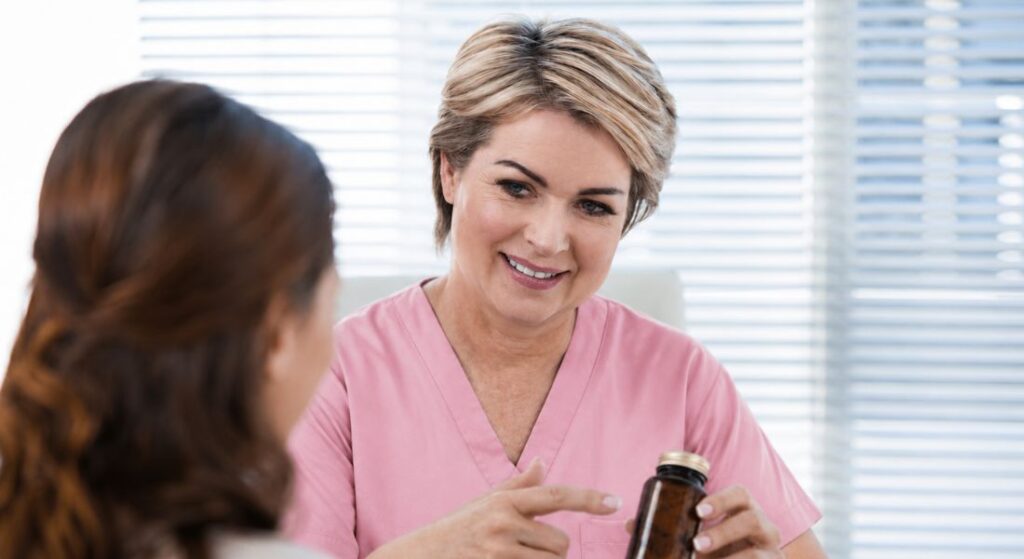
Certain antidepressants can help significant or severe PMS symptoms, particularly when emotional or behavioural symptoms are prominent. SSRIs are among the main medical treatments used, and you may be advised to take them throughout the month or only during the premenstrual phase.
You may also be offered an SNRI in some circumstances. Side effects can include nausea, sleep changes, tiredness and reduced sexual interest, so you should discuss the potential benefits and risks with your doctor.
Do You Have to Take an SSRI Every Day?
Not necessarily. You may be advised to take an SSRI only during the luteal phase, when your PMS symptoms usually occur, rather than every day of the month.
Some people may benefit from continuous treatment, particularly when symptoms are difficult to predict or another mood condition is present. You should follow the schedule prescribed for you rather than changing it yourself. If you take an antidepressant continuously, your clinician can advise you how to reduce or stop it safely because abrupt changes to ongoing treatment can cause withdrawal symptoms.
Can the Combined Contraceptive Pill Improve PMS?
The combined contraceptive pill can help some people manage PMS by suppressing ovulation and reducing hormonal fluctuations. You may find it particularly useful if you also need reliable contraception, and pills containing drospirenone may be considered.
Your clinician may recommend a continuous or extended regimen to reduce hormone-free intervals. The combined pill is not suitable for everyone, so you should discuss factors such as migraine with aura, blood-clot risk, smoking and blood pressure with your clinician.
How Do Pregnancy Plans Affect PMS Treatment Choices?
If you are planning a pregnancy, some PMS treatments may not be suitable because they prevent pregnancy or have specific considerations before conception. You should tell your clinician if you are trying to conceive, may become pregnant or want to preserve your fertility before starting hormonal or medical treatment.
Combined hormonal contraception prevents pregnancy while you are using it, whereas transdermal oestrogen used for PMS is not a contraceptive. Other treatments may also need individual review depending on your medical history, medicines and pregnancy plans.
If pregnancy is one of your priorities, your clinician can help you compare symptom-control options that fit with your reproductive plans. You should not stop prescribed medication or change contraception without discussing it first, as the safest approach depends on the treatment you are using and your individual circumstances.
How Do the Main PMS Treatments Compare?
The most appropriate treatment depends on whether your main symptoms are physical, emotional or both, how severely they affect your life and your wider health needs.
| Treatment | When it may help | Important considerations |
| Lifestyle measures | Mild symptoms or alongside other treatments | Exercise, sleep, balanced eating and stress management can help but may not be enough for severe PMS |
| CBT | Emotional symptoms and the effect PMS has on daily life | Can be used alone or alongside medication |
| SSRIs/SNRIs | Moderate or severe symptoms, particularly prominent mood symptoms | May be used continuously or during the premenstrual phase |
| Drospirenone-containing combined pill | When hormonal suppression is medically suitable | May also provide contraception; combined hormonal contraception is not suitable for everyone |
| Oestrogen patches or gel | Selected patients who need stronger suppression of cyclical symptoms | Progestogen protection is required if you still have your womb; this is not contraception |
| Spironolactone | Selected physical symptoms such as troublesome fluid retention | Prescription treatment requiring individual assessment |
| GnRH analogues | Severe symptoms when other options have failed or are unsuitable | Specialist treatment causing temporary ovarian suppression; longer use has bone-health implications |
| Surgery | Exceptional, treatment-resistant severe PMS | Irreversible, affects fertility and causes permanent menopause |
RCOG supports this stepped approach and reserves GnRH analogues and surgery for more severe or treatment-resistant cases.
What If the First PMS Treatment Does Not Work?
If your first PMS treatment does not provide enough relief, this does not necessarily mean that other options will not help. You may need to review your symptom diary, confirm that your symptoms still follow a premenstrual pattern and discuss whether the treatment was used for long enough to judge its effect.
Your clinician may suggest adjusting the treatment, trying a different option or combining approaches such as CBT with medication or hormonal treatment. For example, one combined contraceptive pill may not suit you even though another formulation or dosing schedule may be more appropriate. Similarly, some people may respond better to continuous SSRI treatment while others use it only during the premenstrual phase.
If symptoms remain severe despite initial treatment, your GP may consider referral to a gynaecologist or another appropriate specialist for further assessment and treatment planning.
What If One Contraceptive Pill Makes Symptoms Worse?
Hormonal treatments can affect people differently, so one contraceptive pill may improve your PMS while another causes mood changes, headaches or irregular bleeding. You can track any changes after starting treatment and discuss them with your clinician.
You may benefit from trying a different formulation, dosing schedule or non-hormonal treatment. One unsuccessful pill does not necessarily mean that all hormonal options will cause the same problems.
Can Oestrogen Patches or Gel Be Used for PMS?
Transdermal oestrogen patches or gel can improve physical and psychological PMS symptoms in selected patients and may be considered as part of an individual treatment plan.
If you still have your womb, you will usually need progestogen to protect the womb lining. Oestrogen treatment is not reliable contraception, so you should discuss suitable contraception with your clinician if pregnancy is possible.
Can Treatment Help Bloating and Fluid Retention?
Bloating and temporary fluid retention are common PMS symptoms. You may find that regular movement, balanced meals and avoiding personal triggers help when these symptoms are mild.
If bloating remains troublesome, your doctor may consider treatments such as spironolactone in selected cases. You should not use water tablets or “detox” products without medical advice, as they can affect your blood pressure, kidneys and electrolyte levels.
Which Supplements May Help PMS?
You may see supplements such as calcium, vitamin D, vitamin B6 and magnesium recommended for PMS, although evidence for their effectiveness is less consistent than for established treatments such as CBT, SSRIs and hormonal medication. Herbal products such as Vitex agnus-castus are also available, but “natural” does not always mean safe or effective.
You should speak to your GP or pharmacist before taking supplements regularly, particularly if you take prescription medicines or could become pregnant. Avoid combining several high-dose products, as excessive amounts of some vitamins and minerals can cause harmful side effects.
What About Acupuncture and Other Complementary Treatments?
You may try acupuncture, reflexology, herbal remedies or other complementary approaches to manage PMS. Some people find these helpful or relaxing, but evidence for many of these treatments remains limited.
You should not rely on complementary treatments instead of established medical care when PMS is affecting your quality of life. Tell your clinician about any supplements or herbal products you use, as they can interact with medicines such as hormonal treatments or antidepressants.
Myth vs Fact
| Myth | Fact |
| There is one treatment that works best for everyone with PMS. | Treatment depends on symptom severity, medical history, contraception needs, pregnancy plans and personal preferences. |
| Lifestyle changes are always enough to control PMS. | They may help mild symptoms but moderate or severe PMS can require CBT, antidepressants or hormonal treatment. |
| Antidepressants are only used when someone has depression. | SSRIs and SNRIs can specifically treat significant premenstrual symptoms even when a depressive disorder is not present. |
| You always have to take an SSRI every day. | Some people use SSRIs only during the premenstrual phase, while others need continuous treatment. |
| Every combined contraceptive pill has the same effect on PMS. | Responses differ, although drospirenone-containing combined pills have specific evidence for improving PMS symptoms. |
| Oestrogen patches used for PMS also prevent pregnancy. | Transdermal oestrogen used for PMS is not contraception. |
| Natural supplements cannot cause harm. | Supplements and herbal products can cause side effects and interact with medicines. |
| GnRH treatment causes permanent menopause. | GnRH analogues cause temporary and reversible ovarian suppression; surgical menopause is different and irreversible. |
| Hysterectomy alone cures PMS. | Removing the uterus while leaving functioning ovaries does not stop the ovarian hormonal cycle and is not recommended as PMS treatment. |
When Are GnRH Analogues Used?
GnRH analogues may be considered for severe PMS when other treatments have not worked or are unsuitable. They temporarily suppress ovarian function and create a reversible menopause-like state, which can help reduce severe symptoms.
GnRH analogues can cause menopausal symptoms such as hot flushes and vaginal dryness, and longer-term treatment can affect bone health. If they are used for more than six months, HRT is usually advised to help protect bone strength and reduce menopausal symptoms. Regular bone-density monitoring is advised when treatment continues for more than two years.
Is Surgery Ever Used to Treat PMS?

Surgery is very rarely used for PMS and may only be considered when symptoms are severe, disabling and have not improved with other treatments. You may need specialist assessment before this option is considered.
For severe PMS, RCOG describes surgical treatment as removal of the uterus together with both ovaries and fallopian tubes; removing the womb alone while leaving functioning ovaries does not stop ovarian hormone cycling. Before surgery is considered, RCOG advises a 3–6-month trial of GnRH analogues with HRT to help assess whether ovarian suppression improves your symptoms and whether HRT is suitable for you.
How Does PMDD Affect Treatment Choices?
PMDD can cause more severe emotional and behavioural symptoms than typical PMS, including anxiety, irritability, depression and hopelessness. You may be offered treatments such as SSRIs, hormonal options or CBT, depending on your symptoms.
You may also benefit from support from both gynaecology and mental health professionals when symptoms are severe. If you have PMDD symptoms and feel suicidal or unable to keep yourself safe, call 999 or go to A&E rather than waiting for a routine appointment. If you need urgent mental-health support but there is no immediate danger, contact NHS 111.
When Should You See a Specialist for PMS?
You can speak to your GP if PMS is affecting your daily life or lifestyle changes have not provided enough relief. Your GP can review your symptoms, consider other possible causes and discuss treatments such as CBT, hormonal contraception or antidepressants.
You may be referred to a gynaecologist if symptoms remain troublesome despite treatment or your diagnosis is uncertain. You can also benefit from mental health support when depression, anxiety or severe emotional symptoms are affecting you.
Key Takeaways
- There is no single PMS treatment that works best for everyone.
- Prospective daily symptom tracking for at least two menstrual cycles helps confirm the diagnosis and assess treatment response.
- Exercise, balanced eating, adequate sleep and stress-management strategies can support symptom management.
- CBT is an established treatment option and can be used alone or alongside medical treatment.
- SSRIs and SNRIs can treat significant PMS symptoms and may be prescribed continuously or during the premenstrual phase.
- Drospirenone-containing combined pills have specific evidence for PMS symptom improvement but combined hormonal contraception is not suitable for everyone.
- Transdermal oestrogen can be used in selected cases, requires progestogen protection if the uterus is present and is not contraception.
- Spironolactone may help selected physical symptoms, while evidence for supplements and complementary treatments is less consistent.
- GnRH analogues are specialist treatments for severe PMS and require attention to menopause-like symptoms and bone health.
- Surgery is exceptional and last-line; suicidal PMDD symptoms require immediate emergency assessment.
Frequently Asked Questions
1. What is the most effective treatment for PMS?
The best treatment depends on your symptoms, their severity and your health needs. Lifestyle changes, CBT, SSRIs and hormonal treatments such as the combined contraceptive pill may all be considered.
2. Can exercise help reduce PMS symptoms?
Regular exercise may help improve some physical and emotional PMS symptoms, including tiredness, low mood and irritability. Activities such as walking, swimming, cycling, yoga or strength training can be useful when you can maintain them consistently.
3. Can antidepressants treat PMS?
Yes, certain antidepressants, particularly SSRIs, can be effective for moderate to severe PMS. Your doctor may recommend taking them continuously or only during the premenstrual phase, depending on your symptoms and circumstances.
4. Can the contraceptive pill help with PMS?
The combined contraceptive pill can improve PMS symptoms for some people by suppressing ovulation and reducing hormonal fluctuations. Pills containing drospirenone may be considered, although combined hormonal contraception is not suitable for everyone.
5. When should you see a specialist for PMS?
You can speak to your GP when PMS regularly affects your daily life or does not improve with initial treatment. A specialist referral may be appropriate when symptoms remain severe, the diagnosis is uncertain or you are considering advanced hormonal treatments.
Final Thoughts: Finding the Right Treatment for PMS
The best PMS treatment depends on your symptoms, their severity and how much they affect your daily life. You may benefit from lifestyle changes and CBT for milder symptoms, while more severe PMS may require medication such as SSRIs, hormonal treatment or specialist care.
If you’re thinking about PMS treatment in London, you can contact our team at Gynaecology Clinic London to discuss your symptoms and treatment options.
References:
- Royal College of Obstetricians and Gynaecologists (RCOG) (2018). Managing premenstrual syndrome (PMS). Available at: https://www.rcog.org.uk/for-the-public/browse-our-patient-information/managing-premenstrual-syndrome-pms/
- Green, L.J., O’Brien, P.M.S., Panay, N. and Craig, M. (2017). Management of Premenstrual Syndrome: Green-top Guideline No. 48. BJOG: An International Journal of Obstetrics & Gynaecology, 124(3), pp. e73–e105. Available at: https://pubmed.ncbi.nlm.nih.gov/27900828/
- NHS (2024). PMS (premenstrual syndrome). Available at: https://www.nhs.uk/conditions/pre-menstrual-syndrome/
- NHS (2024). Who can take the combined pill. Available at: https://www.nhs.uk/contraception/methods-of-contraception/combined-pill/who-can-take-it/
- Robinson, J., Ferreira, A., Iacovou, M. and Kellow, N.J. (2025). Effect of nutritional interventions on the psychological symptoms of premenstrual syndrome in women of reproductive age: a systematic review of randomized controlled trials. Nutrition Reviews, 83(2), pp. 280–306. Available at: https://pubmed.ncbi.nlm.nih.gov/38684926/