



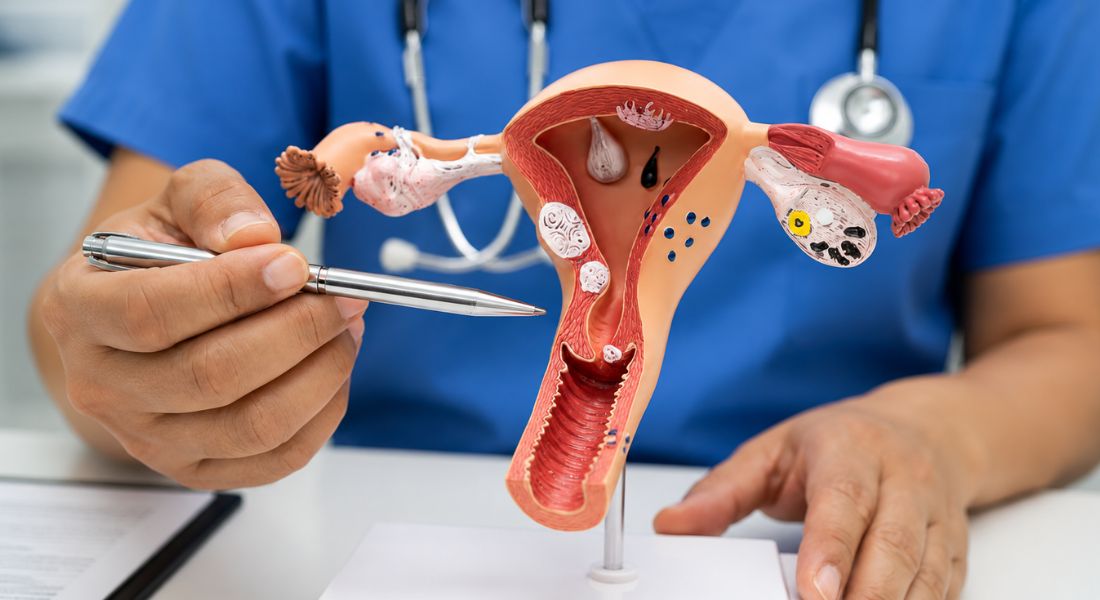
If you’re due to have a colposcopy, it’s completely understandable to wonder whether it will hurt. A colposcopy is generally well tolerated, and most women experience little more than mild discomfort. You may notice some pressure when the speculum is inserted, similar to cervical screening, while the liquids applied to the cervix can occasionally cause a mild stinging sensation.
If a small cervical biopsy is needed, you may feel a brief pinch or period-like cramp. Your comfort is important throughout the examination, so let your doctor or nurse know if you feel uncomfortable at any point. They can pause, help you adjust your position or use a smaller speculum if appropriate.
What Exactly Does a Colposcopy Look For?
A colposcopy is a detailed examination of your cervix using a magnifying instrument called a colposcope. Your doctor or specially trained nurse uses it to look for abnormal areas that may not be visible during a routine examination.
Special liquids may be applied to your cervix to make unusual cell changes easier to see. Some abnormal cervical cell changes are linked to persistent high-risk HPV and can, in some cases, progress towards cancer if they are not monitored or treated appropriately. If an area looks concerning, your doctor may take a biopsy so it can be examined more closely.
Is Colposcopy the Same as Cervical Screening?
No, cervical screening and colposcopy are different tests, although they are closely connected within the cervical screening pathway. Cervical screening helps identify high-risk HPV and abnormal cell changes, while colposcopy provides a closer examination of your cervix.
- Cervical Screening: Screening checks for high-risk HPV and may identify abnormal cervical cells that need further assessment.
- Colposcopy: A colposcopy allows your clinician to examine your cervix under magnification and look more closely at any abnormal areas.
- Further Investigation: If an area looks unusual during colposcopy, your clinician may take a biopsy to determine exactly what type of cell changes are present.
- Cancer Is Not Assumed: Being referred after an abnormal screening result does not mean that you have cervical cancer.
Your colposcopy may show that your cervix looks normal or identify changes that need monitoring, biopsy or treatment. The examination provides more detailed information than cervical screening alone and helps determine the appropriate next step.
Can a Colposcopist See Cervical Cancer During the Examination?
A colposcopist may sometimes see changes that look suspicious for cervical cancer, such as unusual tissue or abnormal blood vessels. However, the appearance of your cervix alone cannot usually confirm whether cancer is present, as some precancerous changes can look similar.
If an area looks concerning, your colposcopist may take a biopsy for laboratory examination. This allows a pathologist to examine the cells under a microscope and determine whether they are normal, precancerous or cancerous. An abnormal-looking area does not automatically mean you have cancer.
Why Is a Biopsy Needed to Diagnose Cervical Cancer?

A biopsy involves taking a small sample of tissue from an area of your cervix that needs closer examination. The sample is analysed under a microscope by a pathologist, who can determine whether the cells are normal, precancerous or cancerous.
A colposcopy can show that an area looks suspicious, but a biopsy provides the tissue diagnosis needed to understand what is happening. Depending on the findings, you may need a small punch biopsy or, in selected situations, a larger excisional sample such as LLETZ or a cone biopsy.
UK Guidance Note
NHS Cervical Screening Programme guidance recommends that colposcopy during pregnancy is performed by an experienced colposcopist. If invasive disease is suspected, an adequate biopsy is required to establish the diagnosis, while suspected precancerous changes are generally monitored during pregnancy.
Does Finding Abnormal Cells Mean You Have Cervical Cancer?
No. Finding abnormal cells on your cervix does not mean you have cervical cancer. These changes are often described as cervical intraepithelial neoplasia (CIN), which refers to precancerous changes in the surface cells of the cervix.
CIN is graded from CIN 1 to CIN 3, depending on how significant the changes are. Even CIN 3 is not the same as invasive cervical cancer, but it is a high-grade abnormality and treatment is usually recommended to reduce the risk of progression.
What Are CIN 1, CIN 2 and CIN 3?
CIN grades describe the extent of abnormal cells in the surface lining of your cervix. CIN 1 involves mild changes and often improves naturally, while CIN 2 and CIN 3 involve more significant changes and are more likely to need treatment.
CIN is not the same as cervical cancer because the abnormal cells remain within the surface layer of the cervix. In invasive cancer, abnormal cells have spread into the underlying tissue. Your biopsy helps confirm the type and grade of changes and guides your doctor on whether monitoring or treatment is needed.
What Is CGIN and Can It Become Cervical Cancer?
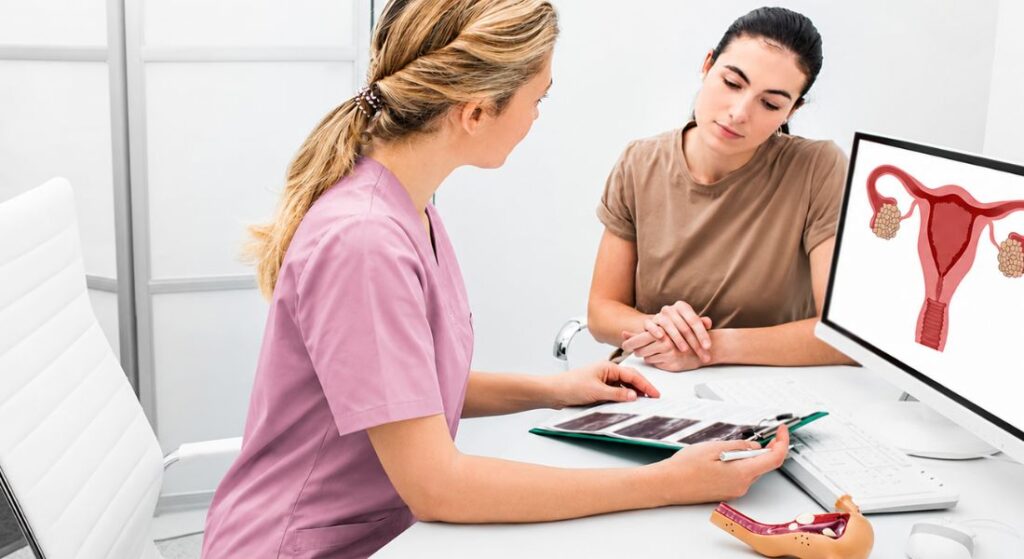
CGIN stands for cervical glandular intraepithelial neoplasia and affects the glandular cells inside your cervical canal. If you receive this result, it does not mean you have cervical cancer, but untreated CGIN can potentially develop into adenocarcinoma, a type of cervical cancer.
Because these cells are inside your cervical canal, your doctor may find them harder to assess during a colposcopy. If you are diagnosed with CGIN, you will usually be offered treatment, and your doctor can examine the removed tissue to check whether there are any more significant changes.
What Happens During a Colposcopy If Cancer Is Suspected?
During your colposcopy, you will usually lie on an examination couch while a speculum allows your cervix to be examined. Your colposcopist uses a colposcope outside your body to view your cervix under magnification.
If your doctor sees an area that looks concerning, they may take a biopsy for further testing. You may feel a brief pinch or some period-like cramping. Having a biopsy does not mean you have cancer, as the tissue needs to be examined before your result can be confirmed.
Can a Colposcopy Find Cancer at an Early Stage?
A colposcopy can contribute to the early diagnosis of cervical cancer by allowing your cervix to be examined closely and suspicious areas to be biopsied. It is commonly used after cervical screening identifies changes that need further assessment.
If cancer is found, detecting it through this pathway may mean you receive a diagnosis before you develop advanced symptoms. However, most people having a colposcopy do not have cervical cancer. Your individual risk depends on your screening results, symptoms and what your doctor sees during the examination.
What Results Can You Receive After a Colposcopy?
Your colposcopy result depends on what your doctor sees and whether a biopsy is needed. You may be told that your cervix looks normal, or a biopsy may show low-grade or high-grade abnormal cells, glandular changes or, less commonly, cervical cancer. If a biopsy is taken, NHS information advises that results may take around 4 to 8 weeks, although the exact timing can vary between clinics.
If you receive a result such as CIN 1, CIN 2, CIN 3 or CGIN, your doctor will explain what it means and whether you need monitoring or treatment. Being referred for colposcopy does not mean you have cancer; the purpose is to check your cervix more closely and identify any changes that need attention.
Evidence Note
Most people referred for colposcopy do not have cervical cancer. Current NHS cervical screening information states that around 4 in 10 people have a normal colposcopy result, around 6 in 10 have abnormal cells, and cervical cancer is found in around 2 in 100 people. These figures describe people attending colposcopy after screening and do not predict an individual result. Your result still needs to be interpreted alongside your screening history and any biopsy findings.
What Happens If the Biopsy Confirms Cervical Cancer?
If your biopsy confirms cervical cancer, you will be referred to a specialist gynaecological cancer team for further assessment. Your doctors may arrange scans or other tests to understand the type, size and extent of the cancer before recommending treatment.
Your treatment will depend on your individual diagnosis, stage, general health and, where relevant, your future fertility plans. Being diagnosed with cervical cancer does not automatically mean you have advanced disease, particularly if it has been found through screening.
Can Colposcopy Miss Cervical Cancer?
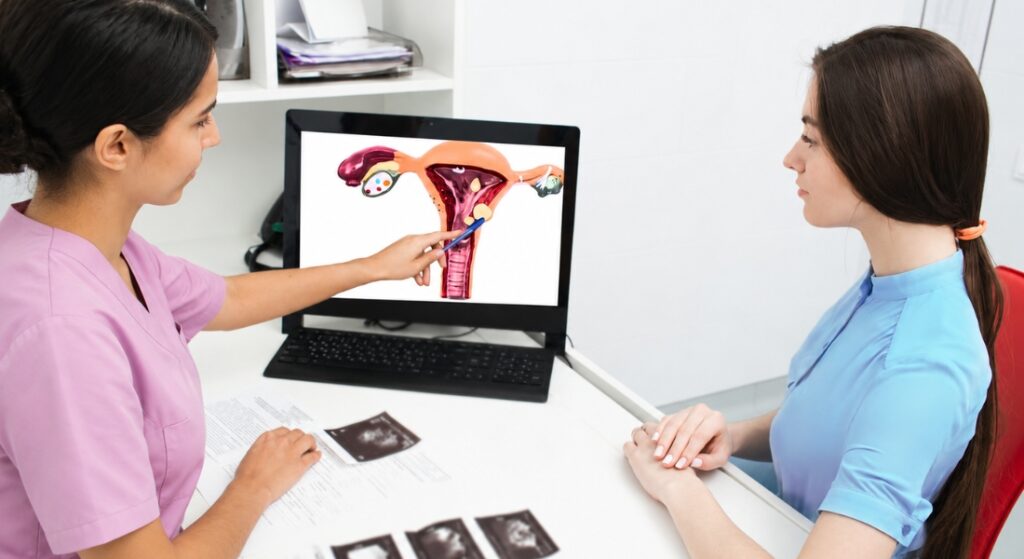
Colposcopy is not perfect, and in some situations a cervical abnormality may be difficult to see clearly, particularly if it extends into the cervical canal. Your previous screening results, the area being examined and the experience of your colposcopist can all affect the assessment.
A biopsy can improve the accuracy of the diagnosis by allowing suspicious tissue to be examined under a microscope. If your symptoms, screening results and colposcopy findings do not match, your doctor may recommend further investigation.
Research Insight
A 2026 systematic review and meta-analysis of 141,355 colposcopic examinations reported pooled sensitivity of 74.5% and specificity of 83.1% for detecting CIN2 or worse. The results also showed substantial variation between studies, reinforcing that colposcopic appearance should be interpreted alongside biopsy and histology when tissue confirmation is needed.
Can You Have Cervical Cancer With a Normal Screening Result?
Yes, although cervical screening greatly reduces your risk, it cannot detect every case of cervical cancer. If you develop unusual vaginal bleeding, changes in discharge, pain during sex or persistent pelvic pain, you should speak to your GP even if your last screening result was normal.
These symptoms can have many causes and do not necessarily mean you have cancer. However, your doctor can assess your symptoms and decide whether you need further examination or referral. You should not wait for your next routine screening appointment if you notice a new or persistent change.
Can Colposcopy Be Performed During Pregnancy?
Yes, you can have a colposcopy during pregnancy when your doctor feels it is necessary. Pregnancy can change the appearance of your cervix, so your colposcopy may be carried out by someone experienced in assessing pregnant patients.
If invasive disease is suspected during pregnancy, an adequate biopsy may be needed to establish the diagnosis. Precancerous changes such as CIN are generally monitored during pregnancy, with treatment usually deferred unless there is concern about invasive cancer.
Can Treatment During Colposcopy Also Help Diagnose Cancer?
Yes. Some procedures used to remove abnormal cervical cells can also provide tissue that helps your doctor confirm a diagnosis. LLETZ, for example, removes a section of cervical tissue containing abnormal cells so it can be examined by a pathologist.
You may also be offered a cone biopsy if a larger sample is needed. These procedures are often used to treat precancerous changes, so having one does not mean you have cervical cancer. Your doctor can explain whether the procedure is being recommended for treatment, diagnosis or both.
Myth vs Fact
| Myth | Fact |
| Being referred for colposcopy means you probably have cervical cancer. | Most people referred for colposcopy do not have cervical cancer. |
| A colposcopist can confirm cancer simply by looking at the cervix. | Colposcopy can identify suspicious changes, but tissue examination is needed to confirm a diagnosis. |
| CIN 3 means you already have cervical cancer. | CIN 3 is a high-grade precancerous change, not invasive cervical cancer. |
| Every abnormal colposcopy requires a biopsy. | A biopsy is taken when it is clinically needed based on the screening result and colposcopic findings. |
| A normal cervical screening result means cervical cancer is impossible. | Screening greatly reduces risk but cannot identify every cancer, so new or persistent symptoms still need medical assessment. |
| CGIN is the same as cervical cancer. | CGIN is an abnormal glandular cell change that is not cancer, although treatment is usually recommended because it can develop into adenocarcinoma if untreated. |
What Should You Ask After Your Colposcopy?

Before you leave your colposcopy appointment, ask what your doctor found and whether a biopsy was taken. If you had a biopsy, you should also ask when you can expect your results and who to contact if they do not arrive.
If your result mentions CIN or CGIN, ask your doctor what the grade means and whether you need treatment or monitoring. If anything is unclear, do not hesitate to ask for an explanation so you understand what has been found and what happens next.
Key Takeaways
- A colposcopy can identify abnormal or suspicious areas of your cervix but cannot usually confirm cervical cancer by appearance alone.
- A biopsy allows tissue to be examined and can distinguish precancerous changes from invasive cancer.
- CIN 1, CIN 2, CIN 3 and CGIN are abnormal or precancerous changes, not cervical cancer.
- Most people referred for colposcopy do not have cervical cancer.
- Symptoms such as unusual vaginal bleeding, changes in discharge, pain during sex or persistent pelvic pain should still be assessed even if your previous screening result was normal.
- If cancer is confirmed, you will be referred to a specialist gynaecological cancer team for further assessment.
Frequently Asked Questions
1. Can a colposcopy detect cervical cancer?
A colposcopy can identify areas of the cervix that look abnormal or suspicious, but it cannot usually confirm cervical cancer on its own. If a concerning area is found, a biopsy can be taken and examined under a microscope to determine whether the cells are precancerous or cancerous.
2. Does having abnormal cells mean you have cervical cancer?
No. Abnormal cervical cells do not necessarily mean you have cancer. Findings such as CIN 1, CIN 2 and CIN 3 describe precancerous changes, which can often be monitored or treated to reduce the risk of cervical cancer developing.
3. Why might you need a biopsy during a colposcopy?
You may need a biopsy if your colposcopist sees an area that requires closer examination. The tissue sample allows a pathologist to examine the cells under a microscope and provide a more definite diagnosis than visual examination alone.
4. What happens if your colposcopy biopsy shows cervical cancer?
If the biopsy confirms cervical cancer, you will usually be referred to a specialist gynaecological cancer team. You may need further examinations or scans to determine the extent of the cancer before your specialists discuss the most appropriate treatment with you.
5. Can you have cervical cancer despite having a normal screening result?
Although cervical screening significantly reduces the risk of cervical cancer, no screening test can detect every cancer. If you develop symptoms such as unusual vaginal bleeding, bleeding after sex, unusual discharge or persistent pelvic pain, you should seek medical advice rather than waiting for your next routine screening test.
Final Thoughts: Can a Colposcopy Detect Cervical Cancer?
A colposcopy can identify abnormal or suspicious changes on your cervix, but a biopsy is usually needed to confirm whether cancer is present. Most people referred for colposcopy do not have cervical cancer, and many findings are either normal or precancerous changes that can be monitored or treated.
If you are looking for colposcopy in London, you can contact our team at Gynaecology Clinic London to arrange a consultation with one of our specialists.
References:
- Loopik, D.L., Bentley, H.A., Eijgenraam, M.N., IntHout, J., Bekkers, R.L.M. and Bentley, J.R. (2021) ‘The natural history of cervical intraepithelial neoplasia grades 1, 2, and 3: A systematic review and meta-analysis’, Journal of Lower Genital Tract Disease, 25(3), pp. 221–231. Available at: https://pubmed.ncbi.nlm.nih.gov/34176914/
- Teoh, D., Musa, F., Salani, R., Huh, W. and Jimenez, E. (2020) ‘Diagnosis and management of adenocarcinoma in situ: A Society of Gynecologic Oncology evidence-based review and recommendations’, Obstetrics & Gynecology, 135(4), pp. 869–878. Available at: https://pubmed.ncbi.nlm.nih.gov/32168211/
- Chen, C., Xu, Y., Huang, W., Du, Y. and Hu, C. (2021) ‘Natural history of histologically confirmed high-grade cervical intraepithelial neoplasia during pregnancy: Meta-analysis’, BMJ Open, 11(8), article e048055. Available at: https://pmc.ncbi.nlm.nih.gov/articles/PMC8381303/
- Cerbone, M., De Vincenzo, R., Auriola, A., Dellino, M., Cascardi, E., Carriero, C., Pinto, V., Maiorano, M.F.P., Baldini, G.M., Ricci, C., Evangelista, M.T., Loizzi, V., Cormio, G. and Cicinelli, E. (2026) ‘Colposcopy “under the loupe”: Diagnostic accuracy of colposcopic examination of CIN2+ lesions: Systematic review and meta-analysis of 141,355 cases’, Cancers, 18(14), article 2239. Available at: https://www.mdpi.com/2072-6694/18/14/2239
- Dhollander, N., Jaafar, I., Almonte, M., Rezhake, R., Downham, L., Valls, J., Ramirez, A.T., Baena, A., Gaffikin, L., Blumenthal, P.D., Hovland, S., Gultekin, M., Zhao, F., Sankaranarayanan, R., Basu, P., Dang, L., Qiao, Y. and Arbyn, M. (2026) ‘Accuracy of colposcopy to triage HPV-positive women in cervical cancer screening: A systematic review and meta-analysis’, eClinicalMedicine, 96, article 104009. Available at: https://www.sciencedirect.com/science/article/pii/S2589537026002580
- NHS England (2025) Colposcopic diagnosis, treatment and follow up. NHS Cervical Screening Programme. Updated 9 July 2025. Available at: https://www.gov.uk/government/publications/cervical-screening-programme-and-colposcopy-management/3-colposcopic-diagnosis-treatment-and-follow-up
- NHS England (2025) Management of cases relating to pregnancy, menopause, contraception and hysterectomy. NHS Cervical Screening Programme. Updated 9 July 2025. Available at: https://www.gov.uk/government/publications/cervical-screening-programme-and-colposcopy-management/4-management-of-cases-relating-to-pregnancy-menopause-contraception-and-hysterectomy
- NHS England Digital (2024) Cervical Screening Programme, England – 2023–2024: Appendices. Published 28 November 2024. Available at: https://digital.nhs.uk/data-and-information/publications/statistical/cervical-screening-annual/england-2023-24/appendices
- NHS England (2026) NHS cervical screening: having a colposcopy. Updated 24 June 2026. Available at: https://www.gov.uk/government/publications/cervical-screening-colposcopy/cervical-screening-having-a-colposcopy
- NHS England (2025) Your guide to NHS cervical screening. Published 31 October 2025. Available at: https://www.england.nhs.uk/long-read/your-guide-to-nhs-cervical-screening/