




If something about your periods, pelvic pain, discharge or menopause symptoms has changed, you may wonder whether you should wait, speak to your GP or see a gynaecologist. A useful rule is to ask for medical advice when symptoms persist, keep returning, affect your daily life or simply feel unusual for you.
Some symptoms should not wait for routine care. Unexplained or unexpected bleeding after the menopause should be checked even if it happens only once. If you use HRT, whether bleeding needs investigation depends on your HRT regimen and when the bleeding occurs.
What Can a Gynaecology Clinic Help You With?
A gynaecology clinic can help you with many reproductive and pelvic health concerns. You may seek advice for changes in your periods, pelvic pain, unusual bleeding, fibroids, endometriosis, ovarian cysts, vulval symptoms or menopause concerns.
You do not always need to know which service you need before asking for help. A GP can assess many period, menopause, discharge and pelvic-pain symptoms and arrange tests or specialist referral where appropriate. You may also be able to book directly with a private gynaecologist if you prefer specialist assessment.
A sexual-health clinic may be appropriate if an infection or sexually transmitted infection is possible. Symptoms suggesting an ectopic pregnancy or another acute pelvic problem need urgent assessment rather than a routine clinic appointment. If you are unsure and your symptoms are worsening, NHS 111 can help you decide where to seek care.
When Should Changes in Your Periods Be Checked?
Your periods can change because of stress, contraception, pregnancy, weight changes or perimenopause. However, you should seek medical advice if your periods become much heavier, more painful or persistently irregular, or if changes start affecting your daily life. Depending on your symptoms, you may initially see a GP or arrange a specialist gynaecology assessment.
Keeping a record of your bleeding and symptoms can help you explain what has changed. A period change does not automatically mean something serious, but finding the cause can help you access appropriate treatment.
When Is Heavy Menstrual Bleeding a Reason to See a Gynaecologist?
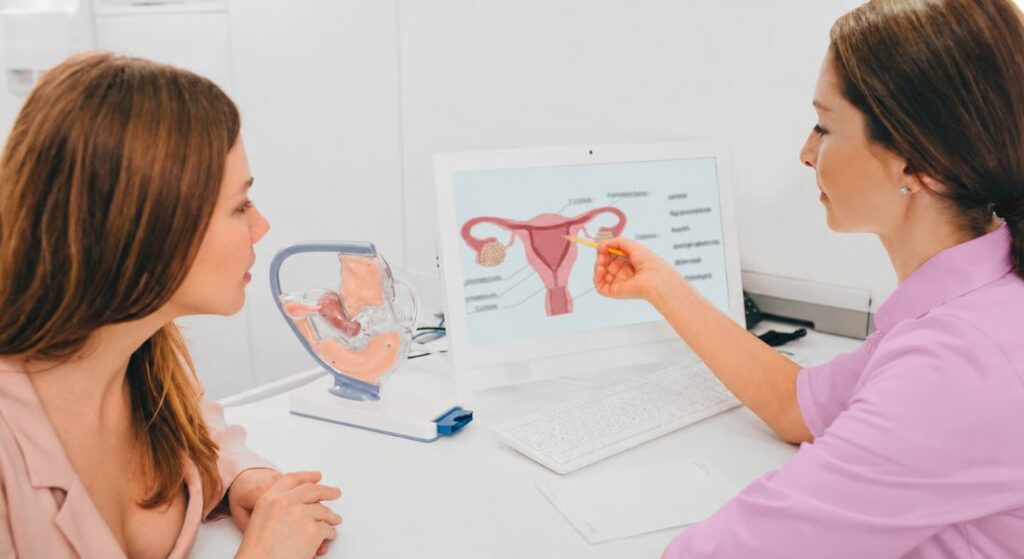
You should consider seeing a gynaecologist if your periods have become very heavy, last longer than usual or regularly interfere with your daily life. Heavy bleeding can also leave you feeling unusually tired or weak if it contributes to iron-deficiency anaemia.
Causes can include fibroids, adenomyosis, hormonal changes or certain contraceptives. Your gynaecologist can help identify the likely cause and discuss suitable treatment options with you.
Key Facts: Signs Your Period May Be Unusually Heavy
Heavy menstrual bleeding can mean needing to change a pad or tampon every one to two hours, emptying a menstrual cup unusually frequently, bleeding for more than seven days, passing large clots or bleeding through clothing or bedding. Feeling persistently tired or short of breath can also occur if heavy bleeding contributes to iron-deficiency anaemia.
Should Bleeding Between Periods or After Sex Be Investigated?
Yes. If you have unexplained bleeding between periods or after sex, arrange medical advice even if it has happened only once, particularly if the bleeding recurs or you have other symptoms. There are many possible causes, including contraception, cervical changes, polyps and infections, and most are not cancer.
Your doctor may recommend an examination or tests depending on your symptoms and medical history. If you have recently missed a period and develop unusual vaginal bleeding with pelvic or abdominal pain, contact your GP urgently or NHS 111, even if you have not had a positive pregnancy test. Call 999 or go to A&E if the pain becomes sudden and severe or you feel very dizzy, faint or collapse.
Why Should Unexpected Bleeding After the Menopause Be Checked?
Unexplained or unexpected postmenopausal bleeding should be assessed, even if it happens only once or appears as light spotting. Although there are several harmless causes, bleeding after menopause can sometimes indicate a condition affecting the vagina, cervix or womb that needs assessment or treatment.
If you use HRT, the significance of bleeding depends on the type of HRT you take, when you started it and whether the bleeding is expected for your regimen. Irregular bleeding or spotting can occur during the first six months after starting HRT, and planned withdrawal bleeding is expected with sequential HRT. Contact your clinician if bleeding is heavy or prolonged, first starts more than six months after beginning HRT, occurs more than three months after changing the dose or preparation, or is otherwise unexpected for your regimen.
| Cause | What It Means | Why It May Cause Bleeding | Possible Assessment |
| Thinning of tissues | Lower oestrogen can make vaginal or womb tissues thinner | Fragile tissue can bleed more easily | Examination, ultrasound |
| Polyps | Small growths can develop in the womb or cervix | They may bleed intermittently | Ultrasound, hysteroscopy |
| HRT-related bleeding | Bleeding can occur with some HRT regimens | Hormonal changes can affect the womb lining | Review of HRT and symptoms |
| Womb cancer | Cancerous cells develop in the lining of the womb | Can cause postmenopausal bleeding | Ultrasound, biopsy or hysteroscopy |
UK Guidance Note
Unexplained or unexpected bleeding after the menopause should be medically assessed, even if it occurs only once, is very light or appears as pink or brown discharge. Bleeding associated with HRT should be considered according to the type of HRT, when it was started or changed and whether the bleeding is expected for that regimen.
When Should You See a Gynaecologist About Pelvic Pain?
You should speak to a gynaecologist if your pelvic pain keeps returning, does not go away or starts affecting your daily life. Causes can include endometriosis, adenomyosis, ovarian cysts, fibroids or pelvic infections, although bladder and bowel problems can cause similar symptoms.
Your doctor may ask whether the pain relates to your periods, sex, urination or bowel movements and may recommend tests such as an ultrasound. You do not need to wait until your pain becomes severe before seeking help.
When Is Pelvic Pain an Emergency?
Seek emergency medical help if pelvic pain is severe or rapidly worsening, particularly if you also have heavy vaginal bleeding, feel faint or dizzy, collapse, develop shoulder-tip pain or have difficulty breathing. Severe pain when you are or may be pregnant also needs urgent assessment because an ectopic pregnancy must be excluded.
Other conditions, such as ovarian torsion, a complicated ovarian cyst or appendicitis, can also cause sudden severe pain. If your symptoms are severe or worsening, do not wait for a routine gynaecology appointment.
When Should Painful Periods Be Investigated?
Period pain is common, but you should consider seeing a gynaecologist if your pain is severe, worsening or affecting your work, sleep or daily activities. Pain that does not improve with usual pain relief, or occurs during sex, bowel movements or urination, also deserves assessment.
Conditions such as endometriosis, adenomyosis and fibroids can cause significant period pain. Importantly, NICE NG73 advises that a normal examination or ultrasound scan does not rule out endometriosis, so persistent symptoms may still need further assessment.
When Should Vaginal Discharge Be Checked?

Vaginal discharge is usually normal, but you should seek medical advice if your usual discharge changes noticeably in colour, smell, texture or amount. It is particularly worth getting checked if you also have itching, soreness, pelvic pain, pain when urinating or bleeding.
Common causes include thrush, bacterial vaginosis and sexually transmitted infections, but treatment depends on the cause. If symptoms keep returning or do not improve, a GP, sexual health clinic or gynaecologist may recommend an examination or swabs to identify the underlying problem.
When Should Vulval Itching, Pain or Skin Changes Be Assessed?
If you have vulval itching, burning, soreness or pain that keeps returning or does not improve, it is worth having it assessed. Irritation, infections and skin conditions can all cause these symptoms, so repeated self-treatment may not address the underlying cause.
Arrange prompt medical assessment if you notice an unexplained vulval lump, persistent sore or ulcer, vulval bleeding, or a lasting change in the colour, thickness or texture of the skin. These symptoms often have non-cancerous causes, but NICE advises considering a suspected cancer pathway referral for an unexplained vulval lump, ulceration or bleeding. This is a precautionary referral and does not mean that cancer is the most likely explanation.
How Do You Know Whether to Book Routine Care or Seek Urgent Help?
You can usually arrange a routine appointment for concerns such as changing periods, persistent pelvic pain, menopause symptoms or recurrent vulval discomfort. However, seek urgent medical advice if your symptoms suddenly become severe or are accompanied by heavy bleeding, fever, vomiting, dizziness or unusual discharge.
If you have missed a period and develop unusual bleeding with pelvic or abdominal pain, seek urgent assessment to rule out an ectopic pregnancy. You do not need to work out the cause yourself; if you feel seriously unwell or your symptoms are worsening quickly, seek urgent medical help.
| Situation | Appropriate Next Step |
| Periods becoming heavier, more painful or persistently irregular | Arrange routine medical or gynaecology assessment |
| Persistent pelvic pain or painful sex | Arrange routine assessment |
| Bleeding between periods or after sex | Arrange medical assessment |
| Unexplained or unexpected bleeding after menopause | Seek prompt medical assessment |
| Persistent vulval lump, ulcer, bleeding or skin change | Arrange prompt assessment |
| Missed period + bleeding + pelvic/abdominal pain | Contact GP urgently or NHS 111 |
| Sudden severe pelvic pain with vomiting or worsening symptoms | Seek urgent assessment |
| Severe pelvic pain with heavy bleeding, fainting/collapse or severe breathlessness | Call 999 or go to A&E |
When Should Pain During Sex Be Discussed with a Gynaecologist?

If you regularly experience pain during sex, it is worth discussing with a gynaecologist. Pain near the vaginal opening may be linked to dryness, infection, vulval problems or pelvic floor issues, while deeper pain can be associated with conditions such as endometriosis or other pelvic problems.
You should not feel embarrassed about seeking help, as painful sex is a genuine medical symptom. Your clinician can assess the possible cause and recommend suitable treatment, particularly if the pain is affecting your intimacy, comfort or daily life.
When Should You Seek Help for Menopause or Perimenopause Symptoms?
You do not need to wait until menopause symptoms become difficult to manage before speaking to a doctor. If changes such as hot flushes, night sweats, sleep problems, vaginal dryness or mood changes are affecting your quality of life, you may benefit from discussing your options.
Your doctor can discuss HRT, non-hormonal treatments and lifestyle approaches based on your symptoms, medical history and preferences. HRT is appropriate for many people but is not the right option for everyone, so its potential benefits and risks should be considered individually.
However, do not assume every new symptom is caused by menopause, and always seek assessment for unusual or persistent symptoms. Bleeding more than 12 months after your natural periods have stopped should be assessed if it is unexplained or unexpected; if you use HRT, the expected bleeding pattern depends on your regimen.
When Should You See a Gynaecologist About Ovarian Cysts or Fibroids?
If you have been told that you have an ovarian cyst or fibroid, you may not need treatment straight away. Your symptoms, the size and appearance of the finding, your age and whether you have been through menopause can all influence what happens next.
You should speak to a gynaecologist if you have ongoing pelvic pain, heavy or painful periods, pressure, bloating or pain during sex. Sudden severe pain with vomiting, faintness or rapidly worsening abdominal symptoms needs urgent assessment because complications such as ovarian torsion, cyst rupture or internal bleeding may need to be excluded.
When Should You Discuss Fertility or Future Pregnancy Plans with a Gynaecologist?
You may see a gynaecologist if you have concerns about fertility, irregular periods, or a condition that could affect a future pregnancy. Your fertility goals can influence which investigations and treatments are most suitable for you.
- Irregular or Absent Periods: Changes in your menstrual cycle can sometimes indicate that you are not ovulating regularly and may need further assessment.
- Conditions Affecting Fertility: Conditions such as polycystic ovary syndrome, endometriosis, and fibroids can sometimes affect your ability to conceive.
- Planning a Future Pregnancy: Tell your gynaecologist if you hope to become pregnant, even if you are not currently trying, as this can influence your treatment options.
- Previous Gynaecological Treatment: You may benefit from specialist advice if you have previously had significant surgery or treatment involving your cervix, womb, or ovaries.
Having a gynaecological condition does not automatically mean you will have fertility problems. Many people with conditions such as fibroids, ovarian cysts, or endometriosis become pregnant naturally, while a gynaecological assessment can help you understand your individual circumstances and options.
What Happens at Your First Gynaecology Appointment?

Your first appointment usually starts with a conversation about your symptoms, when they began and how they affect you. It can help to bring details of your periods, medicines, previous scans and any relevant medical reports.
You may not need an examination, depending on your symptoms and what your clinician needs to assess. If further tests such as an ultrasound, hysteroscopy or colposcopy are recommended, your clinician will explain why and what happens next. Try to describe your symptoms openly, including how they affect your daily life.
If an intimate examination is recommended, your clinician should explain why it may help and ask for your consent. You can ask questions before deciding and can ask for the examination to stop at any time. You should also be offered the option of having a chaperone present during an intimate examination, which you can accept or decline.
Myth vs Fact
| Myth | Fact |
| You should only see a gynaecologist when symptoms become severe. | Persistent, recurrent or changing symptoms can be assessed before they become severe. |
| Bleeding after menopause is normal if it happens only once. | Unexplained or unexpected postmenopausal bleeding should be checked, including a single episode of spotting. |
| A normal ultrasound rules out endometriosis. | NICE specifically advises that endometriosis should not be excluded because an ultrasound is normal. |
| Persistent vulval itching is usually just thrush. | Infections are common causes, but persistent itching, lumps, ulcers, bleeding or skin changes need examination. |
| Every ovarian cyst requires surgery. | Many ovarian cysts can be monitored; management depends on symptoms, size, appearance, age and menopausal status. |
Key Takeaways
- Persistent, recurrent or changing gynaecological symptoms are worth discussing rather than waiting for them to become severe.
- Heavy or increasingly painful periods, bleeding between periods, pelvic pain, unusual discharge, vulval symptoms and painful sex can all justify medical assessment.
- Unexplained or unexpected bleeding after the menopause should be checked, even if it happens only once or is only light spotting.
- Severe pelvic pain with heavy bleeding, fainting or possible pregnancy can require urgent or emergency assessment.
- Persistent vulval lumps, ulcers, unexplained bleeding or skin changes should not be repeatedly self-treated without examination.
- Menopause, fertility and reproductive-health concerns are also valid reasons to ask for professional advice.
Frequently Asked Questions
1. When should you see a gynaecologist about your periods?
You should consider seeing a gynaecologist if your periods become much heavier, more painful or irregular, or if they start affecting your work, sleep or daily activities. Persistent changes can sometimes be linked to conditions such as fibroids, adenomyosis or endometriosis.
2. Should you see a gynaecologist for pelvic pain?
Yes, particularly if your pelvic pain keeps returning, does not go away or interferes with your normal activities. Sudden or severe pain, especially with heavy bleeding, faintness, fever or possible pregnancy, requires urgent medical assessment rather than a routine appointment.
3. Is bleeding after menopause a reason to visit a gynaecology clinic?
Yes. Unexplained or unexpected vaginal bleeding after you have gone through menopause should be checked, even if it happens only once or is just light spotting. Although there are several non-cancerous causes, assessment is important to identify the reason for the bleeding.
4. When should unusual vaginal discharge or vulval symptoms be checked?
You should seek medical advice if your usual discharge changes in colour, smell, texture or amount, particularly if you also have itching, soreness, pelvic pain or bleeding. Persistent vulval itching, pain, lumps, sores or changes in the skin should also be assessed rather than repeatedly self-treating.
5. Should you book a gynaecology appointment if your symptoms are affecting your quality of life?
Yes. Symptoms such as painful sex, menopause symptoms, heavy periods, pelvic discomfort or recurrent vulval problems are valid reasons to seek specialist advice when they affect your everyday life. You do not need to wait until your symptoms become severe before asking for help.
Final Thoughts: Knowing When to Visit a Gynaecology Clinic
Knowing when to seek gynaecological care can help you avoid living with symptoms that are persistent, changing or affecting your everyday life. Heavy or painful periods, unexplained bleeding, pelvic pain, unusual discharge, vulval symptoms, painful sex, menopause concerns and fertility issues can all be valid reasons to ask for medical advice.
If you are worried about a gynaecological symptom and would like specialist advice, you can contact our team at Gynaecology Clinic London to discuss your concerns and arrange an assessment.
References
- NHS (2023) Postmenopausal bleeding. Last reviewed 22 May 2023. Available at: https://www.nhs.uk/symptoms/post-menopausal-bleeding/
- British Menopause Society (2024) Management of unscheduled bleeding on hormone replacement therapy (HRT). Published April 2024. Available at: https://thebms.org.uk/publications/bms-joint-guidelines/management-of-unscheduled-bleeding-on-hormone-replacement-therapy-hrt/
- Tarney, C.M. and Han, J. (2014) ‘Postcoital bleeding: a review on etiology, diagnosis, and management’, Obstetrics and Gynecology International, 2014, article 192087. Available at: https://pubmed.ncbi.nlm.nih.gov/25045355/
- Clarke, M.A., Long, B.J., Del Mar Morillo, A., Arbyn, M., Bakkum-Gamez, J.N. and Wentzensen, N. (2018) ‘Association of endometrial cancer risk with postmenopausal bleeding in women: a systematic review and meta-analysis’, JAMA Internal Medicine, 178(9), pp. 1210–1222. Available at:
https://pmc.ncbi.nlm.nih.gov/articles/PMC6142981/ - National Institute for Health and Care Excellence (NICE) (2017, updated 2024) Endometriosis: diagnosis and management. NICE guideline NG73. Available at: https://www.nice.org.uk/guidance/ng73
- National Institute for Health and Care Excellence (NICE) (2015, updated 2026) Suspected cancer: recognition and referral. NICE guideline NG12. Available at: https://www.nice.org.uk/guidance/ng12