




Endometriosis and adenomyosis can cause similar symptoms, including painful periods, pelvic discomfort, heavy bleeding and fertility difficulties. However, they are different conditions because they affect different areas of your body. Because their symptoms overlap, you may find it difficult to tell the conditions apart, and it is also possible to have both at the same time.
The main difference is where the condition develops. Endometriosis occurs when tissue similar to the lining of your womb grows outside the womb, while adenomyosis develops when similar tissue grows into the muscular wall of your womb. Although they can cause similar symptoms, their diagnosis and treatment differ, so your specialist will recommend the most appropriate approach based on your symptoms, fertility plans and overall health.
What Is the Main Difference?
The main difference is where the condition develops. Endometriosis occurs when tissue similar to the lining of your womb grows outside the womb and may affect your ovaries, fallopian tubes, pelvic lining, bowel or bladder. Adenomyosis develops when similar tissue grows into the muscular wall of your womb, where it can make the uterus larger and more tender.
This difference explains why the two conditions can affect you in different ways. Endometriosis may involve several pelvic structures, while adenomyosis mainly affects the muscle of the womb and may contribute to changes in bleeding and contractions. Although neither condition is cancer or contagious, both can significantly affect your daily life, fertility and overall wellbeing.
What Is Endometriosis?
Endometriosis is a long-term condition in which tissue similar to the lining of your womb grows outside the womb. It can affect your ovaries, fallopian tubes, pelvic lining, bowel or bladder, causing inflammation, scarring and ongoing pelvic pain. In some cases, it can also form ovarian cysts called endometriomas.
Your symptoms may occur throughout the month rather than only during your period. You may experience painful periods, pain during sex, bowel or bladder symptoms, or persistent pelvic pain. The severity of your symptoms does not always reflect the amount of endometriosis present, so even mild disease can have a significant impact on your daily life.
What Is Adenomyosis?
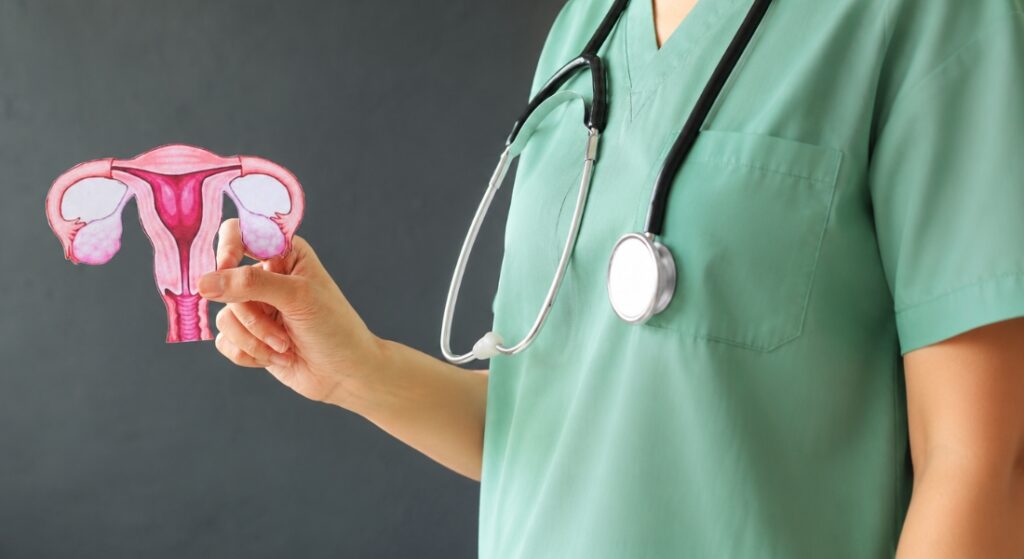
Adenomyosis occurs when tissue similar to the lining of your womb is found within the muscular wall of the womb. This can cause thickening of the womb muscle and may make your womb enlarged or more tender, which may lead to painful periods, heavy or prolonged menstrual bleeding, pelvic pressure and pain during sex.
Not everyone with adenomyosis develops symptoms, and some people only discover they have the condition during a scan for another reason. Adenomyosis is also different from a fibroid. While a fibroid is a separate growth made of muscle and fibrous tissue, adenomyosis involves tissue spread within the womb muscle itself.
Endometriosis and Adenomyosis at a Glance
Although the two conditions share several symptoms, their location, diagnosis and definitive treatment differ.
| Feature | Endometriosis | Adenomyosis |
| Main location | Outside the womb | Within the muscular wall of the womb |
| Commonly affected areas | Pelvic lining, ovaries, fallopian tubes, bowel, bladder and surrounding tissue | Focal or diffuse areas of the myometrium |
| Typical bleeding symptoms | Periods may be heavy, but bleeding is not always the dominant symptom | Heavy or prolonged periods are particularly common |
| Typical pain pattern | Period pain, chronic pelvic pain, pain during sex and cyclical bowel or bladder pain | Severe cramps, womb tenderness, pelvic aching and pressure |
| Ovarian cysts | Can cause endometriomas | Does not itself cause endometriomas |
| Adhesions | Can cause pelvic structures to stick together | Usually does not cause the same pattern of extrauterine adhesions |
| Main imaging | Specialist ultrasound or MRI | Transvaginal ultrasound or MRI |
| Role of laparoscopy | Can diagnose and treat visible pelvic disease | Cannot see disease located entirely inside the womb muscle |
| Common medical treatment | Pain relief and hormonal suppression | Pain relief, tranexamic acid and hormonal treatment |
| Definitive surgery | No single operation guarantees removal of all possible disease | Hysterectomy removes the womb and is currently considered the definitive treatment for adenomyosis because the affected tissue is removed with the uterus |
| Can affect fertility | Yes | Yes |
| Can occur together | Yes | Yes |
Your symptoms alone may not reliably distinguish the two. Adenomyosis, endometriosis, fibroids and other pelvic conditions can coexist, which is why imaging and a complete clinical assessment are important.
Which Symptoms Do the Conditions Share?
Endometriosis and adenomyosis can both cause painful periods, chronic pelvic pain and pain during or after sex. You may also experience fatigue, disturbed sleep and heavy periods, which can affect your work, exercise, relationships and overall quality of life.
Heavy or prolonged bleeding is more commonly associated with adenomyosis, but it can also occur with endometriosis. If your bleeding is heavy, you may develop iron-deficiency anaemia, leading to symptoms such as tiredness, weakness or breathlessness. If your period pain or bleeding regularly disrupts your daily life, you should seek medical assessment rather than assuming it is a normal part of menstruation.
How Do the Bleeding Patterns Differ?
Adenomyosis is more likely to cause heavy, prolonged or very painful periods. You may pass large clots, experience flooding or need to change period products frequently, and some people also notice spotting between periods. Endometriosis can also be associated with heavy bleeding, but pain is often the dominant symptom.
You may have severe period pain, bowel or bladder symptoms, or fertility difficulties even if your periods are not particularly heavy. Because bleeding patterns alone cannot distinguish these conditions, you should seek medical assessment if you experience persistent heavy, irregular or postmenopausal bleeding.
How Does the Pain Usually Differ?

Endometriosis can cause pain in different parts of your pelvis because it may affect several organs. You may experience lower abdominal or back pain, pain during or after sex, or discomfort when opening your bowels or passing urine. For some people, the pain continues throughout the month rather than occurring only during their period.
Adenomyosis more often causes severe menstrual cramps, a heavy or tender feeling in your womb and ongoing pelvic pressure. However, the symptoms of both conditions can overlap, so pain alone cannot confirm the diagnosis. Keeping a symptom diary can help your specialist identify patterns and decide which investigations are most appropriate.
Clinical Tip: Track Your Symptoms Before Your Appointment
Keeping a record of your symptoms, including when pain occurs, bleeding patterns, bowel or bladder symptoms and how your symptoms affect daily activities, can help your clinician understand your condition and decide which investigations may be most useful.
Which Condition Causes Bowel or Bladder Symptoms?
Bowel and bladder symptoms are more commonly linked with endometriosis, especially when they become worse around your period. You may experience painful bowel movements, constipation, diarrhoea, bloating, pain when passing urine, urinary urgency or needing to urinate more frequently during menstruation.
Adenomyosis usually remains within the muscular wall of your womb, so it does not directly affect your bowel or bladder. However, an enlarged womb can sometimes cause pelvic pressure that contributes to these symptoms. If you notice blood in your urine or stool, or develop severe abdominal pain, fever or difficulty passing urine or stool, you should seek medical assessment promptly.
Can Endometriosis Affect Fertility?
Yes. The effect varies considerably depending on factors such as disease location, ovarian involvement, age and other fertility factors. Inflammation, scar tissue and ovarian endometriomas can affect your fallopian tubes, ovaries or the movement of an egg, while previous ovarian surgery may also reduce your ovarian reserve.
Your chances of conceiving depend on several factors, including your age, ovarian reserve, disease location and your partner’s fertility. If pregnancy is your priority, your specialist will recommend the most appropriate approach, which may include trying to conceive naturally, surgery or fertility treatment. Hormonal treatments can help control symptoms but are not used to improve natural conception because they prevent pregnancy while you are taking them.
Can Adenomyosis Affect Fertility?
Yes, adenomyosis may affect fertility in some people by influencing factors such as implantation, womb function and pregnancy outcomes. However, many people with adenomyosis conceive naturally or have successful pregnancies with fertility treatment.
Your fertility depends on several factors, including your age, ovarian reserve, fallopian tubes, embryo quality and whether you also have endometriosis. Although adenomyosis has been linked with a higher risk of miscarriage and some pregnancy complications, it does not mean these problems will occur. Your specialist will recommend the most appropriate treatment based on your individual circumstances and fertility goals.
Research Insight:
Research suggests that adenomyosis and endometriosis may overlap in some patients, which can make symptoms and fertility challenges more complex. This is why diagnosis often requires consideration of symptoms, imaging findings and individual fertility goals rather than relying on one test alone.
Can You Have Endometriosis and Adenomyosis Together?
Yes. You can have both endometriosis and adenomyosis at the same time, and this is more common than many people realise. Although they often occur together, they affect different parts of the reproductive system and may each require specific treatment.
- They affect different areas: Endometriosis develops outside the womb, while adenomyosis occurs within the muscular wall of the womb.
- Symptoms may be more severe: Having both conditions can lead to heavier periods, more intense pelvic pain, and persistent discomfort.
- Fertility may be affected: Both conditions can influence fertility, so your specialist will consider your pregnancy plans when discussing treatment.
- Treatment is personalised: Your care plan will depend on the severity of each condition, your symptoms, overall health, and individual goals.
If you have both endometriosis and adenomyosis, treating one condition does not automatically treat the other. A thorough assessment helps your specialist develop a personalised treatment plan to manage your symptoms and support your long-term health.Top of FormBottom of Form
What Happens During Your Clinical Assessment?
Your clinician will ask about your periods, pelvic pain, bowel and bladder symptoms, pain during sex, previous pregnancies and your fertility plans. They will also want to know how your symptoms affect your daily life, including whether they interfere with work, sleep, exercise or relationships.
You may be offered an abdominal and internal examination to look for signs such as a tender or enlarged womb or areas of pelvic tenderness. However, a normal examination does not rule out endometriosis or adenomyosis. The examination is only performed with your consent, and you can ask for a chaperone or request that the examination is paused or stopped at any time.
UK Guidance Note:
NICE recommends that healthcare professionals consider endometriosis in people presenting with symptoms such as chronic pelvic pain, painful periods, pain during sex, or bowel and bladder symptoms linked to menstruation. A normal examination or ultrasound does not completely exclude endometriosis, so further assessment may be needed if symptoms continue or significantly affect your quality of life.
How Is Ultrasound Used to Tell Them Apart?
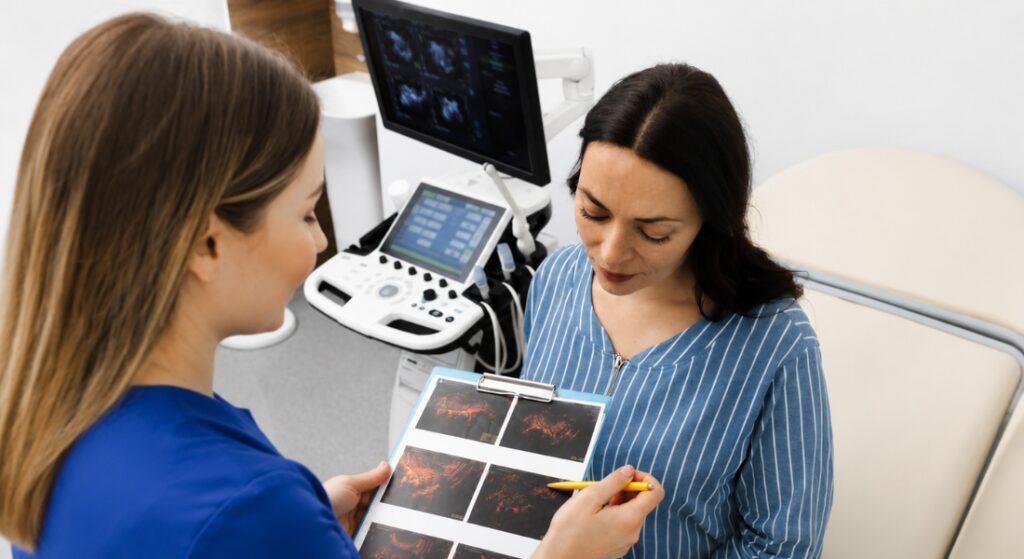
A transvaginal ultrasound is usually the first scan used to investigate suspected endometriosis or adenomyosis. It can identify features of adenomyosis, such as an enlarged or irregular womb, and may also detect ovarian endometriomas or signs of deep endometriosis. However, a normal ultrasound does not rule out superficial endometriosis.
The accuracy of the scan depends on the experience of the person performing and interpreting it. If endometriosis is strongly suspected, you can ask whether you are having a routine pelvic ultrasound or a specialist scan designed to assess both endometriosis and adenomyosis.
Evidence Note: Why Specialist Ultrasound Matters
Research has shown that specialist transvaginal ultrasound can accurately identify many cases of deep endometriosis and features of adenomyosis when performed by experienced practitioners. However, superficial endometriosis may still be missed, which is why your symptoms and clinical history remain important when making a diagnosis.
When Are MRI and Laparoscopy Needed?
MRI may be recommended when your ultrasound results are unclear or when your specialist needs more detailed images before treatment. It can help assess adenomyosis within the muscular wall of your womb and map deep endometriosis before surgery.
Laparoscopy is a keyhole surgical procedure that can diagnose and treat endometriosis by allowing your surgeon to examine the pelvis directly. However, current guidance recognises that many people can begin diagnosis and management through symptoms, examination and specialist imaging without immediate surgery.
How Is Endometriosis Treated Surgically?
Endometriosis is usually treated with laparoscopic (keyhole) surgery. During the procedure, your surgeon may remove or destroy endometriosis lesions, divide scar tissue and treat ovarian endometriomas. If the disease affects your bowel, bladder or other pelvic organs, you may need surgery from a specialist multidisciplinary team.
Surgery can reduce pain and may improve fertility outcomes for some people, depending on factors such as age, disease severity, ovarian reserve and the type of surgery performed. However, it does not guarantee that symptoms will not return. Your specialist will recommend surgery based on your symptoms, the location of the disease, your fertility plans and the potential benefits and risks.
How Is Adenomyosis Treated Surgically?
Surgical treatment for adenomyosis depends on your symptoms, the extent of the disease and whether you want to become pregnant in the future. Options may include uterine artery embolisation or, in selected cases, surgery to remove a localised area of adenomyosis while preserving your womb. Some specialist centres may offer newer image-guided treatments for carefully selected patients, although availability varies and further research is still developing for some approaches.
If your symptoms are severe and other treatments have not helped, a hysterectomy may be recommended. This is currently the only definitive treatment for adenomyosis because removing the uterus removes the affected tissue, but it permanently prevents future pregnancy. Your specialist will discuss the benefits, risks and fertility implications before recommending surgery.
How Is Treatment Planned When You Have Both?
If you have both endometriosis and adenomyosis, your treatment plan will be based on your symptoms, fertility goals and the areas affected. Hormonal treatments, such as the combined contraceptive pill, progestogen or a hormonal coil, may help control symptoms from both conditions when you are not trying to become pregnant.
If surgery is needed, your specialist will plan treatment carefully to address both conditions. Removing endometriosis can relieve pain outside your womb, while treatment for adenomyosis focuses on the womb itself. If preserving your fertility is important, your specialist will balance the potential benefits of surgery against the possible effects on your ovaries, uterus and future pregnancy plans.
When Should You Seek Medical or Urgent Help?
You should arrange a GP or gynaecology appointment if period pain, heavy bleeding, pelvic pain, pain during sex or bowel and bladder symptoms are affecting your daily life. If your symptoms continue despite treatment or you have been diagnosed with an endometrioma or suspected deep endometriosis, ask for a specialist assessment.
Seek urgent medical attention if you develop sudden or severe pelvic pain, heavy bleeding with dizziness or fainting, fever, vomiting, unusual vaginal discharge, or difficulty passing urine or stool. If you could be pregnant and experience one-sided pelvic pain, shoulder-tip pain, bleeding or fainting, seek emergency medical care immediately, as these may be signs of an ectopic pregnancy.
Myth vs Fact
| Myth | Fact |
| Severe period pain is always normal | Severe pain affecting daily life should be assessed |
| A normal ultrasound rules out endometriosis | Some forms of endometriosis may not appear on ultrasound |
| Endometriosis always causes infertility | Many people with endometriosis conceive naturally |
| Adenomyosis and endometriosis are the same condition | They are different conditions affecting different locations |
Key Takeaways:
- Endometriosis and adenomyosis are different conditions, although their symptoms can overlap.
- Endometriosis develops outside the womb, while adenomyosis affects the womb muscle.
- Both conditions can affect fertility, but many people still achieve pregnancy.
- Specialist assessment is important if symptoms affect your daily life.
- Treatment depends on your symptoms, fertility plans and personal circumstances.
FAQs:
1. Can you have endometriosis and adenomyosis at the same time?
Yes. It is possible to have both conditions simultaneously, and they can coexist. When this happens, symptoms may be more severe, and your treatment plan may need to address both disease outside the womb and changes within the womb muscle.
2. Which condition is more likely to cause heavy periods?
Heavy or prolonged menstrual bleeding is more commonly associated with adenomyosis because it affects the muscular wall of the womb. Although endometriosis can also cause heavy periods, severe pelvic pain, bowel symptoms or pain during sex are often more prominent features.
3. How are endometriosis and adenomyosis diagnosed?
Diagnosis usually begins with a clinical assessment and a transvaginal ultrasound. MRI may be recommended when further detail is needed, while laparoscopy can diagnose and treat endometriosis but cannot reliably diagnose adenomyosis because it lies within the womb muscle.
4. Can endometriosis or adenomyosis affect fertility?
Yes. Both conditions can make it more difficult to become pregnant, although many people with either condition conceive naturally. Your fertility depends on several factors, including your age, ovarian reserve, disease severity and whether any other fertility issues are present.
5. What is the main difference between endometriosis and adenomyosis?
The main difference is where the abnormal tissue develops. Endometriosis occurs outside the womb, affecting structures such as the ovaries, bowel or pelvic lining, whereas adenomyosis develops within the muscular wall of the womb, often leading to heavy bleeding and painful periods.
Final Thoughts: Understanding the Difference Between Endometriosis and Adenomyosis
Although endometriosis and adenomyosis share many symptoms, they are different conditions that affect different parts of your body and may require different investigations and treatment approaches. An accurate diagnosis is essential because some people have one condition, while others have both, making personalised assessment particularly important when symptoms affect your quality of life or fertility.
If you are looking for expert endometriosis treatment in London, our specialist team can provide a comprehensive assessment, determine whether endometriosis, adenomyosis or both may be contributing to your symptoms, and recommend the most appropriate investigations or treatment options. At Gynaecology Clinic London, we tailor every treatment plan to your symptoms, fertility goals and overall health, helping you understand your diagnosis and discuss appropriate treatment options based on your symptoms and personal goals.
References:
- National Institute for Health and Care Excellence (NICE) (2017, last updated 2024; reviewed 2025) Endometriosis: diagnosis and management. NICE guideline NG73. Available at: https://www.nice.org.uk/guidance/ng73
- Becker, C.M. et al. (2022) ‘ESHRE guideline: endometriosis’, Human Reproduction Open, 2022(2), article hoac009. Available at: https://academic.oup.com/hropen/article/2022/2/hoac009/6537540
- Chapron, C. et al. (2020) ‘Diagnosing adenomyosis: an integrated clinical and imaging approach’, Human Reproduction Update, 26(3), pp. 392–411. Available at: https://academic.oup.com/humupd/article/26/3/392/5756142
- Maheshwari, A., Gurunath, S., Fatima, F. and Bhattacharya, S. (2012) ‘Adenomyosis and subfertility: a systematic review of prevalence, diagnosis, treatment and fertility outcomes’, Human Reproduction Update, 18(4), pp. 374–392. Available at: https://pubmed.ncbi.nlm.nih.gov/22442261/
- Wang, X.-L., Xu, Z.-W., Huang, Y.-Y., Lin, S. and Lyu, G.-R. (2023) ‘Different subtypes of ultrasound-diagnosed adenomyosis and in vitro fertilization outcomes: a systematic review and meta-analysis’, Acta Obstetricia et Gynecologica Scandinavica, 102(6), pp. 657–668. Available at: https://pmc.ncbi.nlm.nih.gov/articles/PMC10201963/
- National Institute for Health and Care Excellence (NICE) (2018, updated 2026) ‘Heavy menstrual bleeding: assessment and management (NICE guideline NG88)’. Available at: https://www.nice.org.uk/guidance/ng88
- Harmsen, M.J. et al. (2022) ‘Consensus on revised definitions of Morphological Uterus Sonographic Assessment (MUSA) features of adenomyosis: results of modified Delphi procedure’, Ultrasound in Obstetrics & Gynecology, 60(1), pp. 118–131. Available at: https://pmc.ncbi.nlm.nih.gov/articles/PMC9328356/
- Selntigia, A., Molinaro, P., Tartaglia, S., Pellicer, A., Galliano, D. and Cozzolino, M. (2024) ‘Adenomyosis: an update concerning diagnosis, treatment, and fertility’, Journal of Clinical Medicine, 13(17), article 5224. Available at: https://pubmed.ncbi.nlm.nih.gov/39274438/
- NHS (2023) ‘Adenomyosis’. Page last reviewed 17 July 2023. Available at: https://www.nhs.uk/conditions/adenomyosis/
- NHS (2024) ‘Endometriosis’. Page last reviewed 27 August 2024. Available at: https://www.nhs.uk/conditions/endometriosis/
- University College London Hospitals NHS Foundation Trust (UCLH) (2026) ‘Understanding Adenomyosis’. Page last updated 30 June 2026. Available at: https://www.uclh.nhs.uk/patients-and-visitors/patient-information-pages/what-adenomyosis
- National Institute for Health and Care Excellence (NICE) (2019, updated 2026) ‘Ectopic pregnancy and miscarriage: diagnosis and initial management (NICE guideline NG126)’. Available at: https://www.nice.org.uk/guidance/ng126
- General Medical Council (GMC) (2024) ‘Intimate examinations and chaperones’. Updated 13 December 2024. Available at: https://www.gmc-uk.org/professional-standards/the-professional-standards/intimate-examinations-and-chaperones