




Treatment for endometriosis has advanced in recent years, giving you more options than ever before. Alongside established treatments such as hormonal contraception, progestogens and laparoscopic surgery, newer oral medicines are now available for selected adults of reproductive age who have previously received medical or surgical treatment for endometriosis.
Although these developments have expanded the range of treatments, there is no single option that is right for everyone. Your clinician will discuss the most appropriate treatment options based on your symptoms, the location of your endometriosis, your medical history and whether you are planning a pregnancy.
What Does “Latest Treatment” Actually Mean?
The latest treatment does not always mean a brand-new medicine or procedure. It may refer to a newly approved treatment, an updated NHS recommendation, an improved surgical technique or a therapy that is still being studied in clinical trials.
A newer treatment is not automatically the best choice for you. Your specialist will recommend the most appropriate option based on your symptoms, previous treatments, overall health and fertility plans, rather than simply choosing the newest available treatment.
Evidence Note:
NICE recommends tailoring endometriosis care according to your symptoms, preferences, previous treatment and priorities, including whether fertility is important to you.
What Are the Main Goals of Endometriosis Treatment?
The main aim of endometriosis treatment is to relieve your symptoms, improve your quality of life and support your future plans, including fertility if that is important to you. While treatment can reduce pain and lower the chance of symptoms returning after surgery, it cannot guarantee that endometriosis will never come back.
Your treatment should be tailored to what matters most to you, whether that is managing pain, improving fertility or avoiding surgery. Your specialist will consider your symptoms, the extent of your condition, your medical history and your personal preferences before recommending the most suitable approach.
Are Painkillers Still Part of Modern Treatment?

Yes. Painkillers remain an important part of managing endometriosis-related pain, particularly while you are waiting for investigations or specialist care. NSAIDs may not be suitable for everyone, particularly people with certain stomach, kidney, cardiovascular or other medical conditions, and should be used according to medical advice.
Painkillers relieve your symptoms but do not treat the underlying endometriosis. If you need regular pain relief or your symptoms are no longer well controlled, your clinician should review your treatment plan and discuss other options that may provide longer-term relief.
How Do Combined Hormonal Treatments Help?
Combined hormonal treatments, such as the combined contraceptive pill, patch or vaginal ring, can help control endometriosis symptoms by suppressing ovulation and reducing menstrual bleeding. If your symptoms become worse during the hormone-free interval, your clinician may recommend taking these treatments continuously to reduce or prevent withdrawal bleeding.
These treatments are not suitable for everyone, so your clinician will consider your medical history before prescribing them. If you are trying to conceive, combined hormonal contraception will not be appropriate because it prevents pregnancy while you are using it, although it does not affect your future fertility once you stop treatment.
Which Progestogen Treatments Are Available?
Progestogen treatments help reduce the activity of endometriosis by lowering hormonal stimulation of endometriosis-related tissue. Your clinician may recommend options such as dienogest, norethisterone, medroxyprogesterone tablets, the contraceptive injection, the contraceptive implant or a hormonal coil, depending on your symptoms, medical history and whether you also need contraception.
Not every progestogen works in the same way for every person. You may need to try a treatment for several months before deciding how well it controls your symptoms, although your clinician may review it sooner if you experience troublesome side effects or if it is not providing enough relief.
How Are GnRH Agonists Used Today?
GnRH agonists, such as goserelin, leuprorelin and triptorelin, are used to temporarily reduce oestrogen levels and suppress the activity of endometriosis. Your specialist may recommend these medicines if first-line treatments, such as combined hormonal contraception or progestogens, have not controlled your symptoms or are not suitable for you.
Because these medicines can cause menopausal-type side effects, including hot flushes, vaginal dryness and reduced bone density, they are often prescribed with add-back therapy to help protect your bones and improve comfort during treatment. Your specialist will explain how long treatment should continue and whether any monitoring is needed based on your individual circumstances.
Research Insight:
Clinical trials have found that oral GnRH antagonists, including relugolix combination therapy and linzagolix with hormonal add-back therapy, can reduce painful periods and non-menstrual pelvic pain in selected patients. Add-back hormones are included to help limit some effects associated with reduced oestrogen levels, although individual risks, side effects and monitoring requirements still need to be considered.
What Is Relugolix Combination Therapy?
Relugolix combination therapy is a once-daily tablet that combines relugolix with oestradiol and norethisterone acetate. NICE recommends relugolix estradiol norethisterone acetate as an option for treating endometriosis symptoms in adults of reproductive age who have previously had medical or surgical treatment, when other treatment options have not provided adequate symptom control or are not suitable.
Your specialist will check whether this treatment is suitable for you, as it is not appropriate during pregnancy or for some people with certain medical conditions. You may also need bone health monitoring if you use it for a longer period.
What Is Linzagolix with Add-Back Therapy?
Linzagolix is a newer oral GnRH antagonist used to treat endometriosis-related pain. It is taken with hormonal add-back therapy to help control symptoms while reducing some side effects associated with low oestrogen levels, such as hot flushes and bone loss.
- Helps manage endometriosis symptoms: Linzagolix works by reducing oestrogen levels, which can help reduce endometriosis-related pain symptoms.
- Used with add-back therapy: Hormonal add-back therapy helps limit side effects linked to reduced oestrogen while maintaining symptom control.
- Recommended for selected patients: NICE recommends linzagolix with add-back therapy for adults of reproductive age who have previously received medical or surgical treatment for endometriosis.
- Requires specialist assessment: Before starting treatment, your specialist will discuss suitability, bone health monitoring, and the need for effective non-hormonal contraception if pregnancy is possible.
Linzagolix with add-back therapy offers another treatment option for managing endometriosis in appropriate patients. Your specialist will assess whether it is suitable for your individual symptoms, medical history, and future pregnancy plans.
How Do Current Medical Treatments Compare?

The right treatment depends on your symptoms, medical history and whether you are planning a pregnancy. No medicine cures endometriosis, but the options below can help control pain and improve your quality of life.
| Treatment | Main role |
| Painkillers (paracetamol or NSAIDs) | Short-term pain relief |
| Combined hormonal contraception | Reduces pain and suppresses periods |
| Progestogen treatments | Long-term symptom control |
| Hormonal coil | Reduces bleeding and period pain |
| GnRH agonists | Second-line hormonal treatment |
| Relugolix combination therapy | Newer once-daily oral treatment |
| Linzagolix with add-back therapy | Newer oral treatment for selected patients |
Your specialist will recommend the most suitable option after discussing the benefits, possible side effects and your fertility plans.
Is Pain Management Becoming More Personalised?
Yes. Modern endometriosis care recognises that your pain may have several contributing factors, including inflammation, muscle tension, nerve sensitivity, and problems affecting the bowel or bladder. This means treatment is increasingly focused on understanding the individual causes of your pain rather than relying on a single approach. Your specialist may recommend a combination of treatments, such as medication, pelvic physiotherapy, lifestyle support, and pain management strategies, depending on your symptoms and needs.
The aim is not only to reduce pain but also to improve your daily activities and overall quality of life. Personalised pain management allows your care plan to be adjusted as your symptoms change over time. A multidisciplinary approach can help address the different ways endometriosis affects your body and provide more effective long-term support.
What Role Do Physiotherapy and Psychological Support Have?
Pelvic health physiotherapy may help some people when pelvic-floor muscle dysfunction contributes to pain, bladder symptoms or discomfort during sex. Your physiotherapist will tailor treatment to your symptoms, using techniques to improve muscle function and reduce pain without forcing painful treatment.
Psychological support may help you cope with the impact of chronic pain and improve wellbeing, although it does not treat the underlying endometriosis itself. It may support symptom management and help you manage the emotional impact of living with a long-term condition.
What Is the Latest Approach to Laparoscopic Surgery?
Laparoscopic (keyhole) surgery remains the standard surgical treatment for endometriosis. During the procedure, your surgeon can remove or destroy visible endometriosis and divide adhesions with the aim of relieving pain, preserving fertility where possible, and improving the function of your pelvic organs. The minimally invasive approach is associated with smaller incisions and generally a quicker recovery than open surgery.
The most appropriate surgical approach depends on the location, severity, and extent of your endometriosis, as well as your symptoms and future pregnancy plans. Before recommending surgery, your specialist will discuss the expected benefits, potential risks, and the possibility that symptoms may return over time. This helps ensure your treatment plan is tailored to your individual needs.
How Is Deep Endometriosis Treated?
Deep endometriosis often requires specialist care because it can affect your bowel, bladder, ureters or other pelvic organs. Your specialist may recommend detailed imaging, such as a specialist ultrasound or MRI scan, to assess the extent of the disease and help plan the safest treatment.
Treatment depends on your symptoms, the organs involved and your future fertility plans. If endometriosis affects or obstructs a ureter, specialist assessment and closer monitoring may be necessary because urinary-tract involvement can require treatment even when symptoms are limited.
How Are Ovarian Endometriomas Managed?
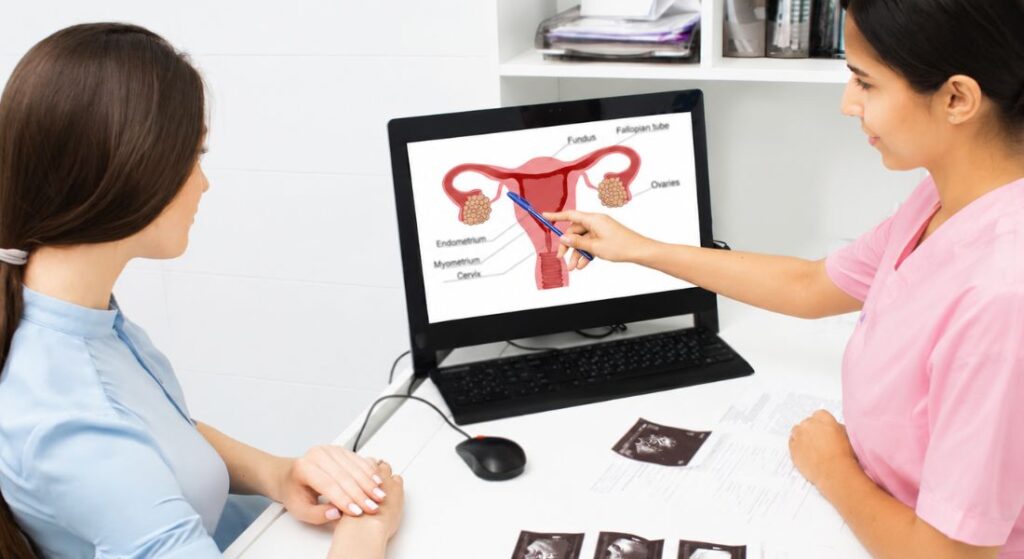
An ovarian endometrioma may be monitored or treated with surgery depending on its size, appearance, symptoms, and your fertility plans. Hormonal treatments can help manage pain and other endometriosis-related symptoms, but they do not usually remove the endometrioma itself. Your specialist will consider the overall impact of the cyst before recommending the most suitable approach.
If surgery is needed, the aim is to treat the endometrioma while preserving as much healthy ovarian tissue as possible. This is especially important if you may wish to become pregnant in the future, as ovarian surgery can sometimes affect ovarian reserve. Careful surgical planning helps balance symptom relief with the preservation of fertility potential.
What Are the Latest Fertility-Preserving Options?
If you hope to have children in the future, your treatment plan should aim to manage your endometriosis while protecting your fertility whenever possible. Depending on your age, symptoms and ovarian reserve, your specialist may recommend trying to conceive naturally, fertility treatment or carefully planned surgery.
In selected situations, a fertility specialist may discuss egg or embryo freezing before ovarian surgery, particularly where there is concern about ovarian reserve. Your treatment should balance pain relief with your long-term fertility goals, so these decisions are best made with both an endometriosis specialist and a fertility specialist.
Can Treatment Reduce Recurrence After Surgery?
Yes, although no treatment can completely prevent endometriosis from returning after surgery. If you are not planning a pregnancy straight away, your specialist may recommend hormonal treatment to help reduce the risk of symptoms returning and prolong the benefits of surgery.
If you are trying to conceive, postoperative hormonal treatment is usually not recommended because it suppresses ovulation. If your symptoms return after surgery, your clinician will discuss the most appropriate next step, which may include medication, pain management, fertility treatment or, in some cases, further surgery.
Is Hysterectomy a Cure for Endometriosis?
No. A hysterectomy is not a cure for endometriosis because the condition often affects areas outside your womb, such as your ovaries, bowel, bladder or pelvic lining. While it may improve symptoms for some people, it cannot guarantee that all endometriosis-related pain will disappear.
A hysterectomy is a major, permanent operation and is usually considered only when other treatments have not been successful. Your specialist will discuss the potential benefits, risks and the impact on your future health before deciding whether it is the right option for you.
Are Robotic Surgery and Other New Technologies Better?
New technologies, including robotic surgery, may be considered in selected complex cases of endometriosis, although evidence is still developing and conventional laparoscopic surgery remains the established approach. Outcomes may depend on several factors, including the complexity of your endometriosis, surgical approach and the experience of your specialist team.
Other techniques, such as fluorescence imaging and high-intensity focused ultrasound, are still being researched and are not yet part of routine endometriosis treatment. Your specialist will recommend the approach that is most appropriate for your condition rather than simply the newest technology available.
Which Emerging Treatments Are Still Experimental?

Researchers are developing new non-hormonal treatments that may one day give you more options for managing endometriosis. These treatments target inflammation, immune function, nerve activity and scar tissue, but most are still being studied and are not yet recommended as part of routine care.
You may also hear about drug repurposing, precision medicine, supplements or cannabis-derived products as potential treatments. Before trying any emerging therapy, ask your specialist whether it is licensed, recommended by NICE or available only through clinical research, as many of these options still need more evidence to confirm their safety and effectiveness.
Myth vs Fact
| Myth | Fact |
| The newest endometriosis treatment is always the best option. | Newer treatments may provide additional options, but the most suitable treatment depends on your symptoms, previous treatments, medical history, fertility plans and personal preferences. |
| Modern medicines can permanently cure endometriosis. | Current treatments cannot guarantee a permanent cure. They aim to control symptoms, reduce pain, improve quality of life and support fertility goals where appropriate. |
| Surgery is no longer needed because newer medicines are available. | New medicines provide more choices, but surgery remains an important treatment option for some people, particularly those with severe pain, deep endometriosis or fertility-related concerns. |
| Hormonal treatments damage your future fertility. | Hormonal treatments prevent pregnancy while you are using them, but they do not usually cause permanent infertility. Fertility planning should be discussed with your specialist before choosing treatment. |
| A hysterectomy always cures endometriosis. | A hysterectomy is not a guaranteed cure because endometriosis can affect areas outside the womb, including the ovaries, bowel, bladder and pelvic lining. |
| Robotic surgery is automatically better than standard laparoscopic surgery. | Robotic surgery may be useful in selected complex cases, but the most appropriate surgical approach depends on your individual condition, the extent of disease and your specialist team’s experience. |
| Emerging treatments and supplements have already been proven to treat endometriosis. | Many emerging treatments are still being researched. Some may become future options, but more evidence is needed before they can be recommended as routine treatment. |
Key Takeaways
- Treatment should be personalised.
- Hormonal medicines remain an early treatment option for many people with endometriosis.
- New oral GnRH antagonists provide additional options for selected patients.
- Surgery remains important for severe or deep endometriosis.
- Fertility plans should always be considered before treatment decisions.
FAQs:
1. What is the newest treatment available for endometriosis?
The newest NICE-recommended treatments include the oral GnRH antagonists relugolix combination therapy and linzagolix with hormonal add-back therapy. They are options for selected adults of reproductive age who have previously received medical or surgical treatment for endometriosis. Your specialist will assess whether either treatment is suitable based on your health, symptoms, fertility plans and individual risk factors.
2. Can the latest treatments cure endometriosis permanently?
No treatment currently offers a permanent cure for endometriosis. The aim is to control pain, reduce disease activity, improve quality of life and support fertility where appropriate. Treatment plans often need to be adjusted over time as your symptoms and priorities change.
3. Is surgery still recommended if new medicines are available?
Yes. Laparoscopic surgery remains an important treatment, particularly for severe pain, deep endometriosis or when fertility is affected. New medicines provide additional options but do not replace surgery for everyone.
4. Will hormonal treatment affect my chances of getting pregnant?
Hormonal treatments prevent pregnancy while you are taking them but do not usually have a permanent effect on fertility. Ovulation generally returns after treatment is stopped. If you are trying to conceive, your specialist will recommend alternative management that supports your fertility goals.
5. How do I know which endometriosis treatment is right for me?
The best treatment depends on your symptoms, the extent of your endometriosis, previous treatments, medical history and whether you want to become pregnant. A personalised assessment with an experienced specialist will help determine the most appropriate approach for your individual needs.
Final Thoughts: Finding the Right Endometriosis Treatment for You
Endometriosis treatment has evolved considerably, with newer medicines, advances in minimally invasive surgery and clearer fertility guidance allowing treatment plans to become more personalised by considering symptoms, fertility goals and individual circumstances. However, the most appropriate treatment is not always the newest one. Your symptoms, the location of your endometriosis, previous treatments, fertility plans and overall health should all be considered when deciding on the best approach.
If you are looking for expert endometriosis treatment in London, our specialist team can provide a comprehensive assessment, explain the latest treatment options and recommend the investigations or therapies most appropriate for your individual circumstances. At Gynaecology Clinic London, we tailor every treatment plan to your symptoms, reproductive goals and personal circumstances, helping you understand your options and make informed decisions about your care.
References:
- National Institute for Health and Care Excellence (NICE) (2017, last updated 2024; reviewed 2025) Endometriosis: diagnosis and management. NICE guideline NG73. Available at: https://www.nice.org.uk/guidance/ng73
- National Institute for Health and Care Excellence (NICE) (2025a) Relugolix–estradiol–norethisterone for treating symptoms of endometriosis (Technology appraisal guidance TA1057). Published 16 April 2025. Available at: https://www.nice.org.uk/guidance/ta1057
- National Institute for Health and Care Excellence (NICE) (2025b) Linzagolix for treating symptoms of endometriosis (Technology appraisal guidance TA1067). Published 4 June 2025. Available at: https://www.nice.org.uk/guidance/ta1067
- NHS (2024) Endometriosis. Last reviewed 27 August 2024. Available at: https://www.nhs.uk/conditions/endometriosis/
- Royal College of Obstetricians and Gynaecologists (RCOG) (2023) Endometriosis. Published December 2023. Available at: https://www.rcog.org.uk/for-the-public/browse-our-patient-information/endometriosis/
- Becker, C.M. et al. (2022) ‘ESHRE guideline: endometriosis’, Human Reproduction Open, 2022(2), article hoac009. Available at: https://pubmed.ncbi.nlm.nih.gov/35350465/
- Taylor, H.S., Kotlyar, A.M. and Flores, V.A. (2021) ‘Endometriosis is a chronic systemic disease: clinical challenges and novel innovations’, The Lancet, 397(10276), pp. 839–852. Available at: https://pubmed.ncbi.nlm.nih.gov/33640070/
- Giudice, L.C. et al. (2022) ‘Once daily oral relugolix combination therapy versus placebo in patients with endometriosis-associated pain: two replicate phase 3, randomised, double-blind studies (SPIRIT 1 and 2)’, The Lancet, 399(10343), pp. 2267–2279. Available at: https://pubmed.ncbi.nlm.nih.gov/35717987/
- Donnez, J. et al. (2024) ‘Linzagolix therapy versus a placebo in patients with endometriosis-associated pain: a prospective, randomized, double-blind, phase 3 study (EDELWEISS 3)’, Human Reproduction, 39(6), pp. 1208–1221. Available at: https://pmc.ncbi.nlm.nih.gov/articles/PMC11144970/
- Royal College of Obstetricians and Gynaecologists (RCOG) (2025) The effect of surgery for endometriomas on fertility (Scientific Impact Paper No. 55, second edition). Last reviewed 19 June 2025. Available at: https://www.rcog.org.uk/sip55