



Yes, you can get pregnant if you have endometriosis. Many women with the condition conceive naturally, while others may benefit from fertility treatments such as intrauterine insemination (IUI) or in vitro fertilisation (IVF).
Your chances of becoming pregnant can vary depending on factors such as your age, ovarian reserve, the health of your fallopian tubes and the severity of your endometriosis. A diagnosis of endometriosis does not mean pregnancy is impossible, but you may benefit from a personalised fertility plan if you have been trying to conceive without success or are concerned about delaying pregnancy.
Can You Conceive Naturally with Endometriosis?
Yes, you may be able to conceive naturally if you have endometriosis. Many women with the condition become pregnant without fertility treatment, particularly when their fallopian tubes remain open, ovulation occurs normally and the disease has not significantly affected their reproductive organs.
Even if you have more advanced endometriosis, natural pregnancy is still possible. However, factors such as adhesions, ovarian endometriomas, damaged fallopian tubes or a reduced ovarian reserve may make it more difficult for you to conceive, which is why an individual fertility assessment is often more helpful than the diagnosis alone.
How Can Endometriosis Affect Fertility?
If you have endometriosis, it can affect several stages of the conception process. The condition may cause inflammation within your pelvis, alter the environment around your ovaries, fallopian tubes and womb, or lead to adhesions that affect how your reproductive organs function.
Endometriosis can also affect your fertility if it involves your ovaries or fallopian tubes. You may have ovarian endometriomas, damaged tubes or a reduced ovarian reserve, all of which can make it more difficult for you to conceive, although the impact varies from person to person.
Clinical Tip: Fertility Is More Than Endometriosis Stage
The severity of endometriosis does not always predict fertility outcomes. Some women with extensive disease conceive naturally, while others with mild disease may experience difficulties. Your fertility assessment should consider your overall reproductive health rather than the stage of endometriosis alone.
What Are Your Chances of Conceiving Naturally?
Your chances of conceiving naturally with endometriosis depend on several factors, including your age, ovarian reserve, ovulation, fallopian tube function and your partner’s fertility. Because every situation is different, there is no single percentage that can accurately predict your likelihood of becoming pregnant.
If you are younger, ovulate regularly and have healthy fallopian tubes, your chances of natural conception may be relatively good. However, if you have been trying to conceive for a long time without success or have additional fertility factors, your specialist may discuss options such as surgery, IUI or IVF as part of a personalised treatment plan.
Why Does Age Matter So Much?
Your fertility naturally declines with age because both the number and quality of your eggs decrease over time. If you have endometriosis, this age-related decline can have an additional impact on your chances of conceiving, making fertility planning especially important.
Your age may also influence how long it is appropriate for you to continue trying naturally before considering treatment. Seeking specialist advice early can help you understand your current fertility, explore your options and make informed decisions about your future plans.
How Do Endometriomas Affect Your Ovaries?
Endometriomas, sometimes called ovarian endometriotic cysts, can affect how your ovaries function. They may be associated with reduced ovarian reserve, which refers to the number of eggs available for future fertility.
- Impact on ovarian reserve: Endometriomas may reduce the number of eggs available in the ovary over time.
- Effect on ovarian function: The cyst and inflammation linked with endometriosis may affect how the ovary works and how eggs develop.
- Surgery considerations: Removing an endometrioma may help in some situations, but surgery can also affect healthy ovarian tissue.
- Fertility planning: Your treatment options may depend on whether you are trying to conceive naturally, preserve fertility or start IVF.
- Individual assessment: Your specialist will consider your symptoms, ovarian reserve and cyst characteristics before recommending treatment.
Removing an endometrioma is not always the best option, especially if preserving fertility is a priority. Your specialist will discuss the potential benefits and risks to help you make a decision that is right for your situation.
Can Endometriosis Block Your Fallopian Tubes?
Yes, endometriosis can affect your fallopian tubes by causing inflammation and adhesions around them. These changes may alter the position of a tube, reduce its ability to collect an egg after ovulation or, in some cases, lead to partial or complete blockage.
If your tubes are affected, your specialist may recommend tests to check whether they are open and functioning normally. Even if one tube is blocked, you may still be able to conceive naturally, while IVF can help bypass damaged or blocked tubes when necessary.
When Should You Seek a Fertility Assessment?
Because endometriosis is a known factor that may affect fertility, you may benefit from seeking advice earlier than the usual timeframe for people without known fertility concerns, particularly if you have symptoms, previous surgery, endometriomas or concerns about ovarian reserve.
Seeking advice earlier can be especially helpful if you are aged 36 or over, or at any age if endometriosis or another known fertility factor may be affecting your chances of conceiving.
UK Guidance Note: When to Seek Fertility Advice
If you have endometriosis and are trying to conceive, you may benefit from seeking specialist advice earlier than someone without known fertility concerns. NICE recommends considering earlier referral for fertility assessment when there are known factors that may affect fertility, including conditions such as endometriosis. A fertility assessment can help identify whether endometriosis, age, ovarian reserve, tubal factors or other reproductive issues may be affecting your chances of pregnancy.
Which Fertility Tests May Be Recommended?
If you are having a fertility assessment, your specialist will look at more than just your endometriosis. You may be offered blood tests to assess ovulation and ovarian reserve, along with an ultrasound scan to examine your ovaries, womb and any endometriosis-related changes such as endometriomas.
You may also need tests to check whether your fallopian tubes are open, particularly if you are considering natural conception or IUI. If you have a partner, a semen analysis is usually recommended as well, as fertility assessments should consider all factors that could affect your chances of pregnancy.
What Are the Main Fertility Treatment Options?
If you have endometriosis, the most suitable fertility treatment will depend on your age, ovarian reserve, fallopian tubes, sperm results and how long you have been trying to conceive. Your specialist will recommend an approach based on your individual circumstances rather than your diagnosis alone.
| Option | When it may be considered | Important limitation |
| Natural conception | If you are younger, have open tubes and a reassuring ovarian reserve | Pregnancy cannot be guaranteed and waiting may not be appropriate in all cases |
| Endometriosis surgery | If you have pain, distorted anatomy or selected fertility-related indications | Surgery may affect ovarian reserve, particularly when the ovaries are involved |
| IUI with ovarian stimulation | If you have open tubes, suitable sperm results and often milder disease | Success rates are lower than IVF |
| IVF | If you have blocked tubes, reduced ovarian reserve, limited time due to age or other significant fertility factors | It can be physically and emotionally demanding and does not guarantee pregnancy |
| ICSI | Used during IVF when there is a sperm-related indication | Endometriosis alone does not automatically mean you need ICSI |
| Egg or embryo freezing | In selected cases before ovarian surgery or when fertility preservation is being considered | The future benefit depends on factors such as your age and egg number |
Your specialist may discuss natural conception, surgery, IUI, IVF or fertility preservation depending on your goals and circumstances. The benefits, risks and timing of each option should be carefully considered to help you make an informed decision about your fertility journey.
Can Hormonal Endometriosis Treatment Help You Conceive?
Hormonal treatments can help control your endometriosis symptoms, but they do not usually improve your chances of conceiving while you are taking them. Medicines such as the contraceptive pill, hormonal coil, injections and progestogen treatments work by suppressing ovulation or altering hormonal activity, which generally prevents pregnancy during treatment.
This is particularly important if you are using treatment to control severe symptoms, as your healthcare professional can help you balance symptom management with your fertility goals. They can help you decide when to discontinue treatment, explain how quickly your fertility may return and discuss ways to manage your symptoms while you are trying to conceive.
What Is Expectant Management?
Expectant management means that you continue trying to conceive naturally for an agreed period before moving on to treatments such as surgery, IUI or IVF. During this time, you may receive advice about timing intercourse, taking folic acid, improving your general health and managing your endometriosis symptoms.
This approach may be suitable if you are younger, have a reassuring ovarian reserve and no major fertility barriers. However, if you have already been trying for a long time, have severe endometriosis or are concerned about age-related fertility decline, your specialist may recommend a more active treatment plan instead.
Can Surgery Improve Natural Conception?
If you have endometriosis, laparoscopic surgery may improve your chances of conceiving naturally in some situations. By removing visible endometriosis and releasing adhesions, surgery can help restore normal pelvic anatomy, particularly if you have mild disease or structures that have been affected by scar tissue.
However, surgery is not the right option for everyone and does not guarantee pregnancy. Your specialist will consider factors such as your age, ovarian reserve, symptoms and fertility history before advising whether surgery, natural conception or assisted fertility treatment is the most appropriate next step for you.
Should Deep Endometriosis Be Removed Before Fertility Treatment?
If you have deep endometriosis, surgery is not always required before fertility treatment. The decision will depend on factors such as your symptoms, the location of the disease, whether nearby organs are affected and how the condition may influence your fertility treatment plan.
You may consider surgery if you have severe pain, threatened organ function or anatomical changes that make treatment more difficult. However, in some cases, proceeding directly to IVF may be a more suitable option, helping you avoid the risks and delays associated with major surgery.
Should an Endometrioma Be Removed Before IVF?
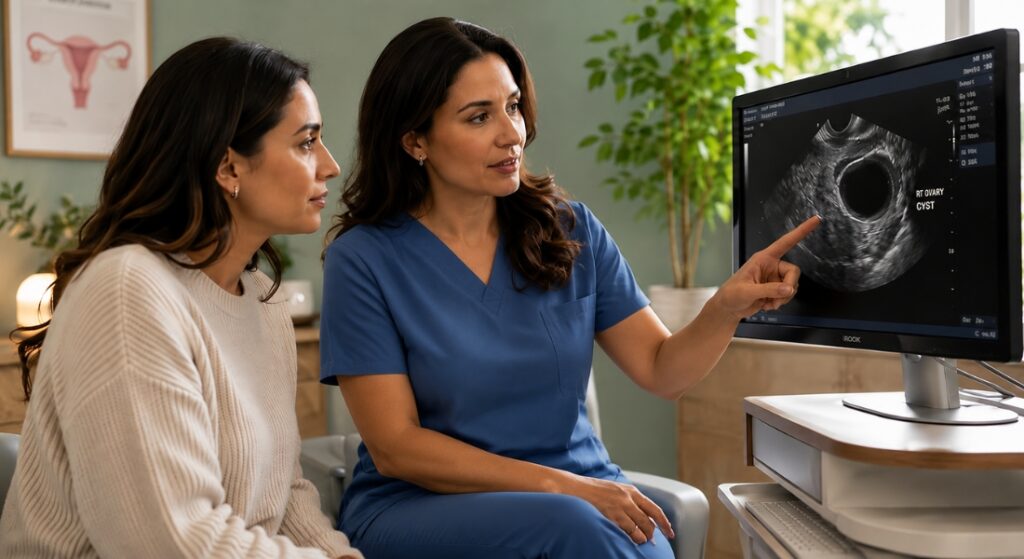
If you have an endometrioma, it does not automatically need to be removed before IVF. Current evidence suggests that routine surgery to remove an endometrioma does not improve IVF live birth rates and may reduce your ovarian reserve by affecting healthy ovarian tissue.
However, surgery may still be considered if your cyst is causing significant pain, appears unusual on imaging or could make egg collection more difficult. Your specialist will consider factors such as the size of the cyst, your ovarian reserve and your fertility goals before recommending the most appropriate approach.
Evidence Note: Endometrioma Surgery Before IVF
Evidence from fertility research and international guidelines, including recommendations from the European Society of Human Reproduction and Embryology (ESHRE), suggests that routine removal of ovarian endometriomas before IVF does not improve live birth rates and may reduce ovarian reserve in some women.
Can IUI Help When You Have Endometriosis?
If you have endometriosis, IUI may be an option when at least one of your fallopian tubes is open and functioning normally. The procedure places prepared sperm directly into your womb around the time of ovulation and is often combined with ovarian stimulation to improve the chances of conception.
IUI is generally more suitable if you have mild endometriosis and no major additional fertility factors. If you have significant tubal damage, severe disease, reduced ovarian reserve or a long history of infertility, your specialist may recommend IVF as a more suitable treatment option.
How Does IVF Work for Endometriosis?
If you have endometriosis, IVF can help by bypassing the fallopian tubes and bringing eggs and sperm together in a laboratory. However, endometriosis-related factors such as ovarian reserve, age and disease severity may still influence treatment outcomes. Your ovaries are stimulated with medication to produce multiple eggs, which are then collected, fertilised and developed into embryos before one is transferred into your womb.
IVF may be recommended if you have damaged fallopian tubes, a reduced chance of natural conception or other fertility concerns affecting pregnancy. Although endometriosis can sometimes reduce the number of eggs collected, particularly when ovarian reserve is lower, many women with endometriosis achieve pregnancy through IVF. However, outcomes vary depending on factors such as age, ovarian reserve, embryo quality and other individual fertility considerations.
What Are IVF Success Rates with Endometriosis?
If you have endometriosis, your IVF success rate will depend on several factors, including your age, ovarian reserve, embryo quality, sperm factors and previous treatment history. This means there is no single IVF success rate that applies to everyone, and your chances of success should be assessed individually.
Many women with endometriosis achieve pregnancies through IVF. However, outcomes vary depending on factors such as age, ovarian reserve, disease severity, embryo quality and other fertility factors, so your individual prognosis may differ from general research findings. When discussing treatment, ask your fertility specialist for age-specific live birth rates and information that reflects your personal fertility profile rather than relying on general national statistics.
Research Insight: IVF Outcomes and Endometriosis
Studies suggest that endometriosis may influence fertility treatment outcomes in some women, particularly when ovarian reserve is affected or disease is extensive. However, many women with endometriosis achieve pregnancy through IVF, and your expected outcome depends on your individual fertility factors rather than the diagnosis alone.
How Should You Plan Your Next Steps?
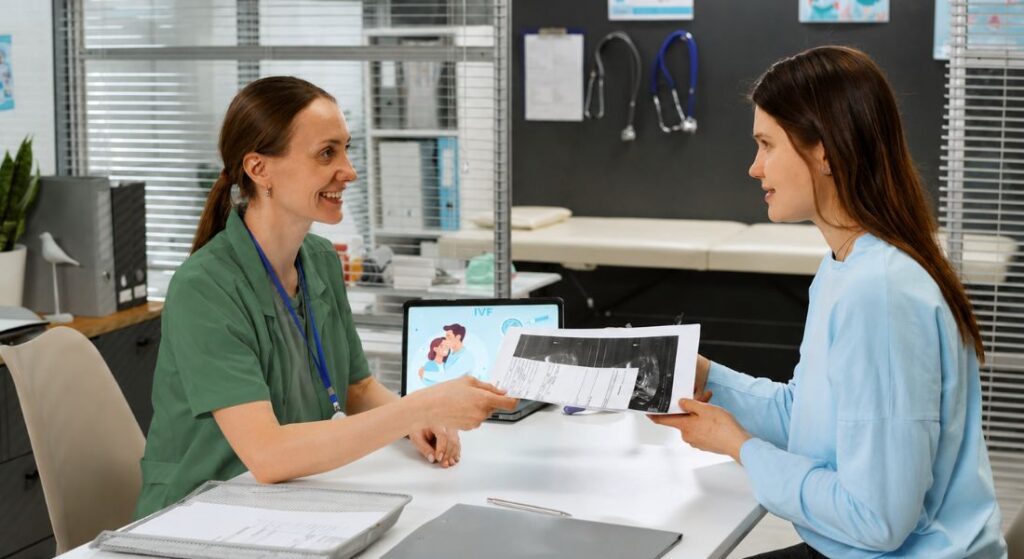
Your next step should be a thorough fertility assessment that looks at more than just your endometriosis diagnosis. Your specialist should consider your age, ovarian reserve, fallopian tubes, symptoms, how long you have been trying to conceive and any other fertility factors before recommending natural conception, surgery or IVF.
Make sure you understand why a particular treatment is being suggested and how it fits your fertility goals. If you have ovarian endometriosis or are considering surgery, ask whether fertility preservation options such as egg or embryo freezing should be discussed, and seek prompt medical advice if you become pregnant and experience unusual pain, bleeding or other concerning symptoms.
Myth vs Fact
| Myth | Fact |
| Endometriosis means you cannot have children | Many women with endometriosis conceive naturally |
| Surgery always improves fertility | Surgery decisions depend on symptoms, ovarian reserve and fertility goals |
| IVF is always needed | Treatment depends on individual fertility factors |
Key Takeaways
- Endometriosis does not mean pregnancy is impossible.
- Fertility depends on age, ovarian reserve, tubes and other factors.
- Treatment decisions should be personalised.
- IVF, IUI and surgery may help selected patients.
FAQs:
1. Can you still get pregnant naturally if you have endometriosis?
Yes, many women with endometriosis conceive naturally without fertility treatment. Your chances depend on factors such as your age, ovarian reserve, fallopian tube function, and the severity and location of the disease. Even when endometriosis affects fertility, pregnancy may still be possible with appropriate assessment and treatment.
2. Does endometriosis always cause infertility?
No, endometriosis does not automatically cause infertility. Some women with severe endometriosis become pregnant naturally, while others with mild disease may experience difficulties conceiving. Fertility depends on several factors, not just the diagnosis itself.
3. Is IVF more effective than IUI for endometriosis?
IVF is generally more effective when endometriosis has caused significant fertility problems, such as blocked fallopian tubes, reduced ovarian reserve, or long-standing infertility. IUI may be considered in selected women with mild endometriosis and at least one open tube. The most suitable treatment depends on your individual fertility assessment.
4. Should an endometrioma be removed before trying to get pregnant?
Not always. While surgery may be helpful if an endometrioma causes pain, has unusual features, or interferes with fertility treatment, removing it can sometimes reduce ovarian reserve. Your specialist will weigh the benefits and risks before recommending surgery.
5. When should you seek fertility advice if you have endometriosis?
You should consider an earlier fertility assessment if you have known endometriosis and are struggling to conceive, particularly if you are aged 36 or over, have an endometrioma, irregular periods or a history of pelvic surgery.
Final Thoughts: Planning Pregnancy with Endometriosis
Being diagnosed with endometriosis does not automatically mean that you will struggle to become pregnant. Many women conceive naturally, while others benefit from fertility treatments such as surgery, IUI or IVF. Understanding how your age, ovarian reserve, fallopian tubes and the extent of the condition affect your fertility can help you make informed decisions about the most appropriate next steps.
If you are seeking specialist advice on endometriosis treatment in London, our experienced team can provide a detailed assessment of your symptoms, fertility goals and reproductive health. We can explain how endometriosis may influence your chances of conception, discuss the benefits and limitations of available treatment options, and develop a personalised management plan tailored to your individual circumstances. The aim is to help you understand your options and make informed decisions about your fertility and gynaecological care.
References:
- National Institute for Health and Care Excellence (NICE) (2017, last updated 2024; reviewed 2025) Endometriosis: diagnosis and management. NICE guideline NG73. Available at: https://www.nice.org.uk/guidance/ng73
- National Institute for Health and Care Excellence (NICE) (2026) Fertility problems: assessment and treatment (NICE guideline NG257). Available at: https://www.nice.org.uk/guidance/ng257
- National Institute for Health and Care Excellence (NICE) (2019, updated 2026) Ectopic pregnancy and miscarriage: diagnosis and initial management (NICE guideline NG126). Available at: https://www.nice.org.uk/guidance/ng126
- Supramaniam, P.R., Mittal, M., Becker, C. and Jayaprakasan, K. (2025) ‘The effect of surgery on endometriomas on fertility (2025 second edition): Scientific Impact Paper No. 55’, BJOG: An International Journal of Obstetrics & Gynaecology, 132(11), pp. e175–e184. Available at: https://www.rcog.org.uk/sip55
- Becker, C.M. et al. (2022) ‘ESHRE guideline: endometriosis’, Human Reproduction Open, 2022(2), article hoac009. Available at: https://academic.oup.com/hropen/article/2022/2/hoac009/6537540
- NHS (2023a) Infertility. Last reviewed 9 August 2023. Available at: https://www.nhs.uk/conditions/infertility/
- NHS (2023b) Diagnosis of infertility. Last reviewed 9 August 2023. Available at: https://www.nhs.uk/conditions/infertility/diagnosis/
- Human Fertilisation and Embryology Authority (HFEA) (no date) Choose a fertility clinic. Available at: https://www.hfea.gov.uk/choose-a-fertility-clinic/
- Human Fertilisation and Embryology Authority (HFEA) (2016) Intrauterine insemination (IUI). Available at: https://www.hfea.gov.uk/treatments/explore-all-treatments/intrauterine-insemination-iui/
- Hamdan, M., Dunselman, G., Li, T.C. and Cheong, Y. (2015) ‘The impact of endometrioma on IVF/ICSI outcomes: a systematic review and meta-analysis’, Human Reproduction Update, 21(6), pp. 809–825. Available at: https://academic.oup.com/humupd/article/21/6/809/628247
- Mappa, I. et al. (2024) ‘The effect of endometriosis on in vitro fertilization outcomes: a systematic review and meta-analysis’, Healthcare, 12(23), article 2435. Available at: https://pmc.ncbi.nlm.nih.gov/articles/PMC11641477/
- Bourdon, M. et al. (2024) ‘Impact of endometriosis surgery on in vitro fertilization/intracytoplasmic sperm injection outcomes: a systematic review and meta-analysis’, Reproductive Sciences, 31(6), pp. 1431–1455. Available at: https://pubmed.ncbi.nlm.nih.gov/38168857/