




When you develop a gynaecological symptom, it can be difficult to know whether to book an appointment with your GP or see a private gynaecologist. Both can play an important role in your care, but they offer different levels of assessment, investigation and ongoing management. The most suitable option often depends on the nature of your symptoms and how quickly you would like to be seen.
Your GP is often a good first point of contact for new symptoms and can assess many common gynaecological concerns, arrange initial tests and prescribe treatment where appropriate. A private gynaecologist may be more suitable if your symptoms are persistent, complex or linked to an existing condition, or if you would like specialist assessment, a second opinion or continuity of care with the same consultant throughout your treatment journey.
What Is the Difference Between a GP and a Gynaecologist?
A GP is trained to assess and manage a wide range of health concerns, including many common gynaecological issues such as period problems, contraception, vaginal health, menopause symptoms and pelvic discomfort. They are often the first healthcare professional you will see when a new symptom develops.
A gynaecologist is a specialist doctor who focuses on conditions affecting your reproductive and pelvic organs, including your uterus, ovaries, fallopian tubes, cervix, vagina and vulva. While your GP can manage many uncomplicated concerns, a gynaecologist may be recommended when specialist expertise, further investigations or more advanced treatment is needed.
When Your GP Is Usually the Best First Contact
Your GP is often the most practical first point of contact when you develop a new symptom and are unsure what may be causing it. They have access to your NHS medical record, including previous diagnoses, medications and relevant test results, which can help provide a broader picture of your health.
Gynaecological symptoms do not always originate from the reproductive organs, so your GP can assess whether a problem may be related to another aspect of your health. They can take an initial history, arrange appropriate tests, recommend treatment and decide whether you would benefit from referral to a specialist. For NHS specialist care, a referral from your registered GP is usually required.
What Can Your GP Assess?
A GP can assess many common gynaecological symptoms, including heavy periods, irregular bleeding, painful periods, vaginal discharge and mild pelvic discomfort. They will usually ask about your symptoms, menstrual cycle, contraception, sexual health, previous pregnancies and any medications you are taking.
Depending on your concerns, the assessment may include a physical examination, blood pressure check or an examination of the vagina and cervix. Your consent should always be obtained before any intimate examination takes place. The aim is to understand your symptoms and decide whether treatment, further testing or referral to a specialist is the most appropriate next step.
Which Initial Tests Can a GP Arrange?

Your GP can arrange a range of initial tests depending on your symptoms. These may include blood tests to check for anaemia, thyroid problems, pregnancy, infection or hormonal changes, as well as pregnancy tests, vaginal or cervical swabs and, in some cases, ultrasound scans.
If a condition such as pelvic inflammatory disease is suspected, your GP may perform an examination, take samples and arrange further investigations where appropriate. Should the results indicate that specialist care is needed, your GP can include the findings in a referral, helping a gynaecologist assess your situation more efficiently.
Clinical Tip: Prepare Before Your Appointment
Before seeing your GP or gynaecologist, write down when your symptoms started, how often they happen, how they affect daily life and whether they are linked to your periods, sex, urination or bowel movements. It can also help to note your contraception, pregnancy possibility, medications, previous smear history and any recent test results. This makes the appointment more focused and helps your doctor decide which tests or referrals may be needed.
Seeing Your GP About Heavy Periods
Your GP can usually begin the assessment of heavy periods and help determine whether further investigation is needed. It is worth making an appointment if your bleeding affects your work, sleep, exercise, travel or other everyday activities, or if you are frequently changing period products, passing large clots or bleeding through clothing or bedding.
Your GP may arrange blood tests to check for anaemia and discuss treatment options that could help reduce bleeding. Depending on your symptoms and individual circumstances, treatment may include non-hormonal or hormonal approaches. Referral to a gynaecologist may be recommended if initial treatments are not effective, are unsuitable for you or if an underlying condition is suspected.
Evidence Note:
NICE guidance on heavy menstrual bleeding recommends that assessment and treatment should consider how bleeding affects your quality of life, daily activities and personal priorities. For you, this means heavy periods should not be dismissed simply because they are “regular” or have been happening for a long time. If bleeding affects your work, sleep, exercise, travel or confidence, it is reasonable to speak to your GP and ask whether tests, treatment or referral may be appropriate.
Seeing Your GP About Irregular Periods
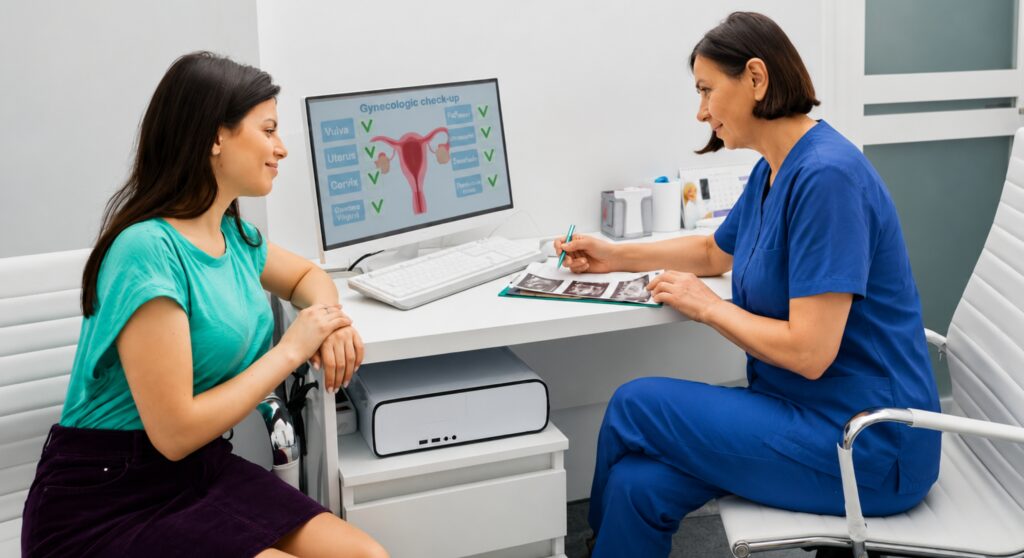
Occasional changes in your menstrual cycle do not always indicate a medical problem. However, it is worth speaking to your GP if your periods become persistently irregular, stop unexpectedly or change significantly from your usual pattern.
Your GP will consider factors such as pregnancy, contraception, stress, age, weight changes and possible hormonal conditions. They may recommend blood tests or other investigations depending on your symptoms and circumstances. Keeping a menstrual diary that records your periods, flow and any unexpected bleeding can also provide useful information during your assessment.
Vaginal Discharge, Irritation and Possible Infections
Changes in vaginal discharge, itching, soreness or discomfort when passing urine can often be assessed by your GP or a sexual health clinic. While changes in smell, colour or texture may be linked to an infection, it is not always possible to identify the cause based on symptoms alone.
Your GP may ask about recent antibiotic use, new hygiene products, sexual partners and whether you have symptoms such as pelvic pain or bleeding. Swabs may be recommended to help identify the cause of your symptoms. If you are concerned about a sexually transmitted infection, a sexual health clinic may be a suitable option, as these services offer confidential testing and treatment, often without the need for a GP referral.
Contraception and Reproductive Health Advice
Your GP practice can help you explore contraception options based on your health, lifestyle and future pregnancy plans. You can discuss a range of methods, including contraceptive pills, injections, implants, intrauterine contraception and barrier methods. Many practices can provide this care directly, while some procedures may require referral to a specialist service.
A gynaecologist is not usually needed for routine contraception advice. However, specialist input may be helpful if you have a complex medical history, significant side effects or a condition that affects your contraceptive choices. Your GP can also discuss contraception as part of the management of heavy periods, painful periods or endometriosis-related symptoms.
Menopause Symptoms Can Often Be Managed by Your GP
Your GP can usually assess and manage common perimenopause and menopause symptoms, including hot flushes, night sweats, sleep disturbances, mood changes, vaginal dryness and changes in your periods. They can discuss lifestyle measures, hormone replacement therapy (HRT) and non-hormonal treatment options based on your symptoms and medical history.
If you start HRT, your GP will typically arrange follow-up reviews to assess how well the treatment is working and whether any adjustments are needed. Specialist menopause care may be recommended if you have a complex medical history, ongoing difficulties with treatment or concerns such as possible premature ovarian insufficiency.
UK Guidance Note:
NICE guidance says menopause care should include individualised information and support, discussion of management options and review of treatment when needed. Your GP can often support common menopause symptoms, including discussions about HRT and non-hormonal options. Specialist menopause or gynaecology input may be useful if symptoms are difficult to control, treatment choices are complex, you have a medical history that makes treatment selection more complex, persistent symptoms despite treatment, possible premature ovarian insufficiency or uncertainty about the diagnosis.
When a Private Gynaecologist May Be More Appropriate
You may consider seeing a private gynaecologist if your symptoms continue despite initial assessment or treatment. Specialist input can provide a more detailed evaluation and help determine whether further investigations or treatments are needed.
- Persistent Symptoms: Ongoing issues after initial care may benefit from specialist assessment to identify underlying causes.
- Confirmed Conditions: If scans show fibroids, ovarian cysts, or polyps, a private gynaecologist can offer expert guidance.
- Specialist Expertise: Consultants may provide advice in a particular area, helping you understand all available options.
- Not Always Surgery: Private care does not automatically mean surgery; monitoring, non-surgical treatments, or delayed intervention may also be recommended.
Overall, a private gynaecologist can offer personalised assessment and guidance, ensuring you have access to expert care and the most appropriate treatment options for your situation.
Persistent or Unexplained Abnormal Bleeding
Specialist assessment may be appropriate if bleeding between periods or after sex continues, keeps returning or remains unexplained after an initial assessment. A gynaecologist can review your symptoms and decide whether investigations such as an ultrasound, hysteroscopy or other tests may be helpful.
Unusual vaginal bleeding can have several causes, including hormonal contraception, polyps and changes affecting the cervix. However, persistent bleeding between periods or after sex should be assessed, and any bleeding after menopause should be reported promptly and may require further investigation. Routine cervical screening does not replace a medical assessment when you have unexpected bleeding symptoms.
Pelvic Pain and Suspected Endometriosis

Your GP can assess pelvic pain and may begin treatment based on the suspected cause. They may also arrange tests or refer you for specialist assessment if your symptoms persist or the cause remains unclear.
A private gynaecologist may be helpful if your pain is severe, ongoing or closely linked to your periods, sex, urination or bowel movements. Specialist input can also be valuable when endometriosis is suspected, as this condition can cause painful periods, chronic pelvic pain, pain during or after sex and fertility difficulties. A gynaecologist will assess your overall symptom pattern and discuss whether further investigations may be appropriate.
Fibroids, Adenomyosis and Ovarian Cysts
Your GP may arrange an ultrasound scan if your symptoms suggest a condition affecting your uterus or ovaries. The scan may identify fibroids, adenomyosis, an ovarian cyst or another finding that could be contributing to your symptoms.
A private gynaecologist can review the scan results alongside your symptoms and medical history to determine whether treatment is needed. Depending on your circumstances, options may include monitoring, medication, hormonal treatment, minimally invasive procedures or surgery. Your future pregnancy plans will also be considered when deciding on the most appropriate approach.
Fertility Concerns and Difficulty Conceiving
Your GP is often the best first point of contact if you are concerned about your fertility. They can review your menstrual cycle, medical history, medications and other factors that may affect conception for you or your partner.
Initial assessment may include blood tests, semen analysis or other investigations to help identify possible causes of fertility difficulties. If specialist input is needed, your GP can refer you to a gynaecologist or fertility service. Some people choose private care for more direct access to assessment and specialist advice about their fertility options.
Pelvic Organ Prolapse and Urinary Symptoms
A feeling of vaginal heaviness, pressure or a bulge may be a sign of pelvic organ prolapse. You may also experience urinary leakage, urgency, difficulty emptying your bladder or bowel symptoms that affect your daily comfort and confidence.
Your GP can assess these symptoms and discuss initial management options, such as lifestyle changes, pelvic floor exercises or referral to pelvic health physiotherapy. If symptoms persist or have a significant impact on your quality of life, a private gynaecologist or urogynaecologist may provide more specialised assessment and treatment options.
Seeking a Second Opinion

You may decide to seek a second opinion if you have already received a diagnosis but are unsure about the recommended treatment. Speaking with another specialist can help you better understand your condition and explore whether there are alternative approaches available.
If you arrange a second opinion, it is helpful to bring copies of clinic letters, blood test results, scan reports and details of any treatments you have already tried. This allows the consultant to review your situation more efficiently and provide advice based on your individual symptoms, medical history and treatment goals.
Do You Need a GP Referral for Private Gynaecology?
Many private gynaecology services allow you to book an appointment directly without a GP referral. However, requirements can vary between consultants, hospitals and private medical insurers, so it is worth checking before arranging your appointment.
Even when a referral is not required, a GP letter can provide useful information about your medical history, medications and previous investigations. If you plan to use private health insurance, contact your insurer beforehand to confirm whether a referral, authorisation or specific consultant approval is needed for your cover.
A Quick GP or Private Gynaecologist Comparison
The table below can help you decide where to begin. It is only a general guide, and urgent symptoms should always be assessed through the appropriate urgent-care route.
| Your situation | A suitable starting point | Why |
| A new or mild symptom with no previous assessment | GP | Your GP can assess common causes and begin initial treatment |
| Heavy or irregular periods | GP | Blood tests and first-line treatment can often begin in primary care |
| Possible vaginal or sexually transmitted infection | GP or sexual health clinic | Testing and treatment are commonly available without gynaecology referral |
| Common menopause symptoms | GP | Most initial menopause assessment and treatment can occur in primary care |
| Persistent pelvic pain or suspected endometriosis | GP or private gynaecologist | Specialist assessment may help when symptoms are severe or ongoing |
| Fibroids, cysts or polyps found on a scan | Gynaecologist | A specialist can interpret the finding and discuss management |
| Fertility concerns | GP initially or private fertility specialist | Initial tests may begin with your GP, while specialist care may be needed later |
| Prolapse or complex bladder symptoms | GP or urogynaecologist | Specialist pelvic-floor assessment may be appropriate |
| A second opinion about surgery | Private gynaecologist | You can review alternatives, risks and expected outcomes |
| Sudden severe pain or very heavy bleeding | Urgent care, NHS 111 or A&E | Routine GP or private appointments may not be fast enough |
When you remain unsure, starting with your GP is reasonable. They can help identify the appropriate specialty and determine whether your symptoms need routine, urgent or emergency care.
When You Should Not Wait for a Routine Appointment
Routine GP or private appointments are not appropriate if you have sudden severe or rapidly worsening pelvic or abdominal pain, very heavy vaginal bleeding, fainting, marked dizziness or you feel seriously unwell.
Call NHS 111 or seek urgent assessment if you have pelvic pain with fever, vomiting, unusual bleeding or discharge, difficulty passing urine, or a possibility of pregnancy. Severe one-sided pain, shoulder-tip pain, heavy bleeding or faintness when pregnancy is possible may require emergency assessment because an ectopic pregnancy must be excluded. NHS pregnancy guidance advises urgent help for pain or bleeding during pregnancy.
Myth vs Fact:
| Myth | Fact |
| You always need to see a gynaecologist for period problems. | Many period concerns can be assessed first by your GP. |
| A private gynaecologist always means surgery. | Specialist care may involve reassurance, monitoring, medication, scans or non-surgical treatment. |
| Bleeding after menopause can wait if it only happens once. | Postmenopausal bleeding should be assessed promptly. |
| Vaginal discharge always means thrush. | Discharge can have several causes, including bacterial vaginosis, STIs or irritation. |
| Cervical screening checks all causes of bleeding. | Cervical screening does not replace medical assessment for symptoms such as bleeding after sex. |
| Pelvic pain is normal if scans are clear. | Persistent pelvic pain still deserves proper review, especially if it affects daily life. |
Key Takeaways:
- Your GP is often the best first contact for new, mild or unclear gynaecological symptoms.
- A GP can assess common concerns, arrange initial tests and start treatment when appropriate.
- A private gynaecologist may be more suitable for persistent, complex or recurrent symptoms.
- Specialist care may also help if you have fibroids, ovarian cysts, suspected endometriosis, fertility concerns or need a second opinion.
- Bleeding after menopause, severe pelvic pain or very heavy bleeding should not wait for a routine appointment.
- Private care does not always mean surgery; a good specialist should discuss all appropriate options.
FAQs:
1. Can a GP diagnose gynaecological conditions?
A GP can assess many common gynaecological symptoms and diagnose or begin managing causes such as vaginal infections and menopause-related concerns. They can also investigate heavy or irregular bleeding, arrange initial tests and decide whether specialist referral is needed.
2. Is it better to see a private gynaecologist for pelvic pain?
It depends on the severity and duration of your symptoms. Mild or newly developed pelvic pain can often be assessed initially by a GP, particularly if the cause is uncertain. However, persistent, severe or recurring pelvic pain may benefit from specialist assessment, especially when conditions such as endometriosis, adenomyosis or ovarian cysts are suspected.
3. Can a private gynaecologist arrange scans and tests directly?
Yes, a private gynaecologist can usually arrange investigations such as ultrasound scans, blood tests, hysteroscopy or other diagnostic procedures when appropriate. This can sometimes allow assessments to be organised more directly within the same care pathway. The exact tests recommended will depend on your symptoms, medical history and examination findings.
4. Do you always need a GP referral to see a private gynaecologist?
Many private gynaecology clinics allow you to book directly without a GP referral. However, some consultants, hospitals or private medical insurance providers may require a referral letter before an appointment can be arranged or covered. Checking the clinic’s requirements and your insurance policy beforehand can help avoid delays or unexpected costs.
5. When should you choose a private gynaecologist instead of a GP?
A private gynaecologist may be appropriate if you have an existing diagnosis, persistent symptoms, fertility concerns, a need for a second opinion or a condition requiring specialist expertise. They can also be helpful when imaging has identified fibroids, an ovarian cyst or another finding, or when endometriosis is suspected from your symptom pattern. The most suitable option depends on your symptoms, treatment needs and the level of specialist input required.
Final Thoughts: Choosing the Right Starting Point for Your Care
Your GP is often the best place to start when you develop a new gynaecological symptom or are unsure what may be causing it. They can assess many common concerns, arrange initial tests and begin treatment where appropriate. For issues such as heavy periods, irregular bleeding, vaginal infections or menopause symptoms, primary care is often able to provide effective support. They can also identify when specialist assessment may be needed.
If you would like specialist advice about an ongoing gynaecological concern, you can contact us at Gynaecology Clinic London to discuss appointment arrangements, the consultant’s relevant clinical interests and the services available.
References:
- National Institute for Health and Care Excellence (2018, last updated 7 July 2026) Heavy menstrual bleeding: assessment and management (NG88) https://www.nice.org.uk/guidance/ng88
- National Institute for Health and Care Excellence (2017, last updated as applicable) Endometriosis: diagnosis and management (NG73) https://www.nice.org.uk/guidance/ng73
- National Institute for Health and Care Excellence (2015, updated 2026) Menopause: identification and management (NG23) https://www.nice.org.uk/guidance/ng23
- National Institute for Health and Care Excellence (2015, updated 2026) Suspected cancer: recognition and referral (NG12) https://www.nice.org.uk/guidance/ng12
- National Institute for Health and Care Excellence (2026) Fertility problems: assessment and treatment (NG257) https://www.nice.org.uk/guidance/ng257
- General Medical Council (GMC). Intimate examinations and chaperones https://www.gmc-uk.org/professional-standards/ethical-hub/intimate-examinations-and-chaperones
- NHS. Ectopic pregnancy https://www.nhs.uk/conditions/ectopic-pregnancy/
- NHS. Heavy periods https://www.nhs.uk/conditions/heavy-periods/