



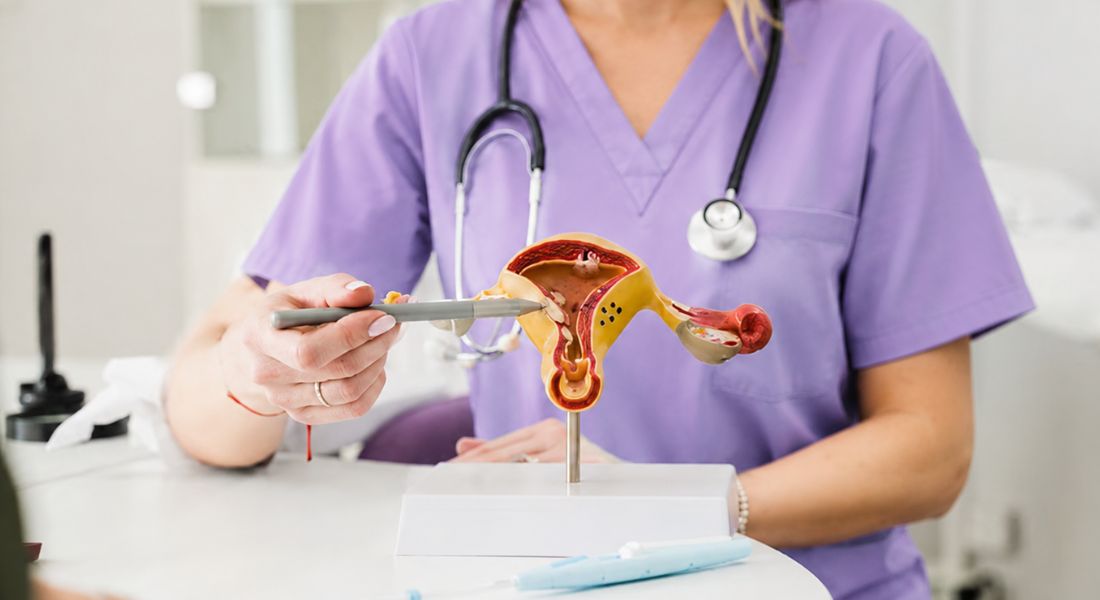
Adenomyosis is a gynaecological condition that can cause heavy periods, significant period pain and ongoing pelvic discomfort. It occurs when tissue similar to the lining of the womb grows into the muscular wall of the uterus, which can lead to inflammation, pain and changes in menstrual bleeding. Although awareness of the condition is increasing, many women are still unfamiliar with adenomyosis and how it differs from conditions such as endometriosis and fibroids.
Many people with adenomyosis experience few or no symptoms, while others find that the condition has a significant impact on their daily lives. Heavy bleeding, pelvic pain and painful periods can affect work, exercise, sleep and personal relationships. Receiving a diagnosis does not automatically mean that surgery is required, as treatment should be tailored to your symptoms, overall health, future pregnancy plans and the extent to which the condition affects your quality of life.
Understanding Adenomyosis
Adenomyosis occurs when tissue similar to the lining of your womb is found within the muscular wall of the womb. These cells continue to respond to hormonal changes during your menstrual cycle, which can contribute to inflammation, thickening of the womb muscle and symptoms such as heavy bleeding and painful periods.
Adenomyosis is a benign condition, meaning it is not cancerous or precancerous. However, that does not mean the symptoms are always mild, as the condition can have a significant impact on your physical wellbeing, daily activities and quality of life. Imaging findings do not always match the severity of your symptoms.
What Happens Inside the Womb?
Your womb is mainly made up of muscle and is lined by a layer called the endometrium. During your menstrual cycle, this lining thickens and is then shed as your period. In adenomyosis, tissue similar to the womb lining is found within the muscle of the womb instead of remaining on the inner surface.
Because this tissue continues to respond to hormonal changes, it can cause the womb wall to become thicker, tender or enlarged. This may contribute to symptoms such as painful cramping, pelvic heaviness and heavy periods, particularly before or during menstruation. Adenomyosis can affect a small area of the womb or be more widespread throughout the muscle wall.
What Are the Symptoms of Adenomyosis?
The symptoms of adenomyosis can vary considerably, so your experience may be very different from someone else’s. You may have severe bleeding, significant period pain or ongoing pelvic discomfort, while some women have only mild symptoms or no noticeable symptoms at all. In some cases, you may only discover that you have adenomyosis after having an ultrasound scan for another reason.
If you have adenomyosis, you may experience heavy periods, painful periods, pelvic pressure, cramping or a feeling of heaviness in your lower abdomen. The severity of your symptoms does not always match the extent of adenomyosis seen on a scan, which is why some women are affected much more than others.
Heavy and Prolonged Periods

Heavy menstrual bleeding is one of the symptoms most commonly associated with adenomyosis. You may need to change your pad or tampon very frequently, use more than one period product at a time or wake during the night to manage the bleeding. You may also pass large blood clots or experience sudden flooding that affects your daily activities.
Even if you cannot measure exactly how much blood you are losing, the impact on your quality of life is important. If your periods interfere with work, exercise, social activities or sleep, it is worth seeking medical advice. Ongoing heavy bleeding can also contribute to iron-deficiency anaemia, which may cause symptoms such as tiredness, reduced energy, breathlessness and headaches.
Period Pain, Pelvic Pressure and Bloating
Adenomyosis can cause strong menstrual cramping, a deep ache or a feeling of pressure in your lower abdomen. You may notice that the pain begins before your period, becomes more intense during bleeding or continues at other times in your cycle. For some women, the discomfort gradually becomes more severe over time and starts affecting everyday activities.
You may also experience a feeling of heaviness, fullness or bloating in your pelvis, particularly if the womb has become enlarged or tender. Some women notice pain during or after sex as well, although this symptom can have several possible causes. A medical assessment can help determine whether adenomyosis or another condition may be contributing to your symptoms.
How Is Adenomyosis Different from Endometriosis and Fibroids?
Adenomyosis and endometriosis both involve tissue similar to the lining of the womb appearing where it would not normally be found. However, adenomyosis affects the muscle of the womb, whereas endometriosis typically occurs outside the womb, such as on the ovaries, fallopian tubes or the lining of the pelvis.
Fibroids are different because they are non-cancerous growths made of muscle and fibrous tissue that develop within or around the womb. Although adenomyosis, endometriosis and fibroids can all cause symptoms such as heavy periods, pelvic pain and discomfort during sex, it is possible for you to have more than one of these conditions at the same time.
| Condition | Where it occurs | Common symptoms | Key difference |
| Adenomyosis | Tissue similar to the womb lining is found within the muscular wall of the womb | Heavy periods, painful periods, pelvic pressure, bloating | Affects the womb muscle itself |
| Endometriosis | Tissue grows outside the womb, often in the pelvis | Pelvic pain, painful periods, pain during sex, fertility concerns | Usually occurs outside the womb |
| Fibroids | Non-cancerous growths in or around the womb | Heavy bleeding, pressure, bloating, urinary symptoms | Made of muscle and fibrous tissue |
| More than one condition | Conditions can occur together | Symptoms may overlap | Specialist assessment may be needed |
What Causes Adenomyosis?
The exact cause of adenomyosis is not fully understood. Researchers believe it may be linked to the movement of endometrial-type tissue into the muscle of the womb, as well as hormonal influences, inflammation and other changes within the uterine wall. However, no single explanation has been shown to account for every case.
Adenomyosis is more commonly diagnosed in women over 30 and in those who have previously given birth, although it can affect women of different ages and backgrounds. It is also seen more often in women who have endometriosis, but these associations are not guarantees. You can develop adenomyosis even if you have never been pregnant or have no history of other gynaecological conditions.
Can Adenomyosis Affect Fertility?
Having adenomyosis does not mean that you will be unable to become pregnant, and many people with the condition conceive naturally. However, the relationship between adenomyosis and fertility is still being researched, so it is important to discuss your individual circumstances with a healthcare professional if you are trying to conceive or planning a future pregnancy.
Research suggests that adenomyosis may be associated with poorer fertility outcomes in some people, although the evidence is complicated by factors such as age, fibroids and coexisting endometriosis. Other factors, including endometriosis, fibroids, age and overall reproductive health, can also affect fertility outcomes, so your treatment plan should always consider your pregnancy goals.
Evidence Note
Research suggests that adenomyosis may be associated with poorer fertility outcomes in some people, particularly during assisted reproduction, although the relationship is complex. A 2022 systematic review and meta-analysis reported that women with adenomyosis had reduced IVF clinical outcomes, but other factors such as age, endometriosis, fibroids and ovarian reserve may also contribute. Adenomyosis should therefore not be viewed as an automatic diagnosis of infertility, but it is sensible to discuss your fertility plans before choosing treatment.
What Happens During Your Gynaecology Appointment?
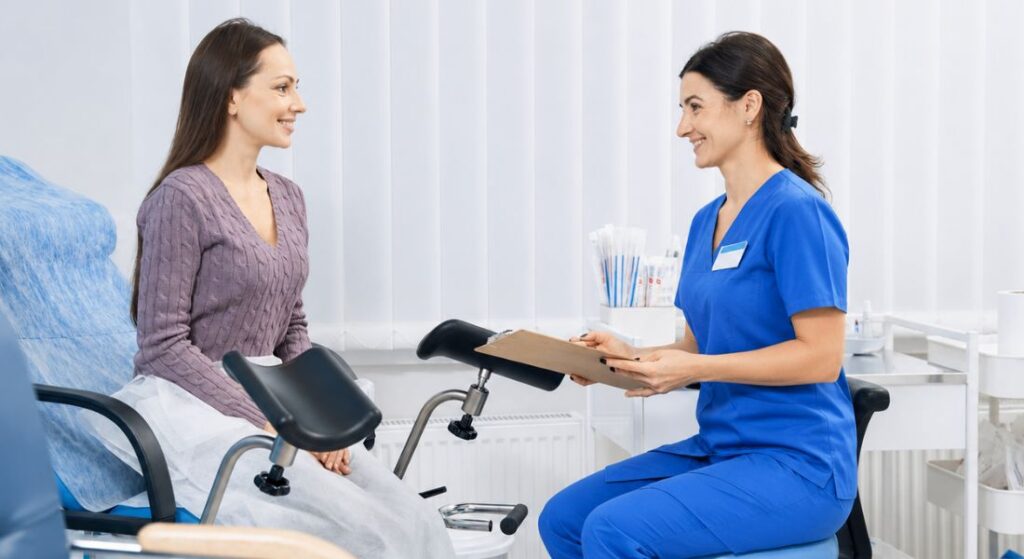
Your appointment will usually begin with a detailed discussion about your periods, pain and symptoms. Your gynaecologist may ask when your symptoms started, whether they follow a pattern and what treatments you have already tried. Bringing a menstrual diary with details of your cycle, bleeding and pain levels can help you explain your experience more clearly.
You may also be asked about contraception, previous pregnancies, fertility plans, medical conditions and medications. Depending on your symptoms, your gynaecologist may recommend an abdominal or internal examination, but they should explain why it is needed and ask for your consent beforehand. You can ask whether a female doctor is available, and you should be offered an appropriate chaperone for intimate examinations.
Clinical Tip: Bring a Symptom Diary
Before your appointment, try to track your bleeding, pain, clots, medication use and how symptoms affect work, sleep, exercise and sex. It can also help to note whether pain is linked to your period, bowel movements, urination or intercourse. This gives your gynaecologist a clearer picture of how adenomyosis may be affecting your life and helps guide treatment decisions.
How Is Adenomyosis Diagnosed with Ultrasound?
A transvaginal ultrasound is usually the first imaging test used when adenomyosis is suspected. It can provide a detailed view of your womb and ovaries, helping your doctor look for changes that may suggest adenomyosis, particularly if you have heavy bleeding, significant period pain or a bulky, tender womb.
During the scan, a slim ultrasound probe is gently inserted into your vagina to create images using sound waves rather than radiation. The clinician may look for changes such as uneven thickening of the womb muscle, a bulky womb or small cystic areas within the muscle. The accuracy of the assessment can depend on the experience of the person performing and interpreting the scan, and a normal scan does not always explain every symptom.
Evidence Note:
NICE guidance on heavy menstrual bleeding recommends considering transvaginal ultrasound when adenomyosis is suspected, especially when heavy bleeding is accompanied by significant period pain or a bulky, tender womb on examination. NICE also notes that transvaginal ultrasound is more accurate than transabdominal ultrasound or MRI for detecting adenomyosis in this context, although MRI may still be helpful when ultrasound is unclear or when more detailed treatment planning is needed. For you, this means ultrasound is often a sensible first imaging test, but the result should always be interpreted alongside your symptoms.
When Might You Need an MRI or Other Tests?
An MRI can provide detailed images of your womb and may be recommended when an ultrasound result is unclear. It can help your doctor distinguish adenomyosis from conditions such as fibroids or assess more complex changes when planning treatment. However, it is not usually the first test used for heavy menstrual bleeding.
Blood tests cannot diagnose adenomyosis directly, but a full blood count may be arranged to check whether heavy periods have caused anaemia. Other investigations, such as a hysteroscopy, may be considered if your symptoms suggest problems inside the womb, such as polyps or changes affecting the womb lining.
How Is the Right Treatment Chosen?
The right treatment for adenomyosis should be based on how the condition affects you rather than only what appears on a scan. If you do not have pain, heavy bleeding or other troublesome symptoms, your gynaecologist may recommend monitoring without active treatment.
Your treatment options will depend on factors such as your age, symptom severity, overall health and future pregnancy plans. It is important to discuss what matters most to you, as some treatments may affect fertility or are not suitable if you hope to become pregnant. You should have time to understand the benefits, possible side effects and limitations of each option before deciding on the best approach.
Pain Relief and Non-Hormonal Treatment

You can manage period cramps and pelvic discomfort caused by adenomyosis with pain relief and non-hormonal approaches. Medicines and other methods can help reduce symptoms, although they do not treat the underlying condition.
- Painkillers: Paracetamol or NSAIDs, such as ibuprofen, may help with cramp pain. Check with a doctor or pharmacist if you have other health conditions or medications.
- Tranexamic acid: This may be prescribed to reduce heavy menstrual bleeding, usually taken during your period rather than daily.
- Heat and TENS therapy: Heat pads, hot water bottles, or TENS machines can provide temporary relief for some people.
- Symptom management: These approaches focus on relieving discomfort, not curing adenomyosis itself.
Overall, non-hormonal treatments can make periods more manageable and improve comfort. Your healthcare provider can advise which options are safest and most suitable for you.
Hormonal Treatments for Adenomyosis
Hormonal treatments can help manage symptoms of adenomyosis, particularly heavy bleeding and painful periods. A levonorgestrel-releasing intrauterine system, often known as a hormonal coil or Mirena, may be recommended as it releases progestogen inside your womb and helps make the lining thinner. It is common to experience spotting or irregular bleeding in the first few months after fitting.
Other options may include the combined contraceptive pill, progestogen-only pill or contraceptive patch, depending on your health, preferences and whether you need contraception. These treatments usually help control symptoms rather than remove adenomyosis itself, so symptoms may return after stopping treatment.
Uterus-Preserving Procedures
Uterine artery embolisation may reduce heavy bleeding and pain in selected people with symptomatic adenomyosis who want to avoid hysterectomy. However, much of the evidence comes from observational studies rather than large randomised trials, and some people later experience recurrent symptoms or require another procedure.
The effect on future fertility and pregnancy remains uncertain. If pregnancy is important to you, discuss the available evidence and alternative approaches with both a gynaecologist and an interventional radiologist before proceeding.
When Is a Hysterectomy Considered?
A hysterectomy is an operation to remove your womb and is considered the definitive treatment for adenomyosis because the condition develops within the womb muscle. It may be considered when your symptoms are severe, other treatments have not provided enough relief and you do not want to have a future pregnancy.
A hysterectomy is a major operation and should not be recommended simply because adenomyosis is seen on a scan. Your gynaecologist should discuss the benefits, possible risks, recovery process and how the surgery will affect your fertility. Removing your womb means that you will no longer have periods and will not be able to carry a pregnancy, so it is usually considered only after careful discussion of all available options.
When Should You See a Gynaecologist?

You should consider seeing a gynaecologist if your periods are becoming heavier, more painful or increasingly difficult to manage. It is also worth seeking advice if pelvic pain continues between periods, sex becomes painful or your symptoms regularly affect your work, sleep, exercise or daily activities. You do not need to wait until the pain becomes unbearable, as symptoms that repeatedly disrupt your life deserve proper assessment.
You should also speak to a doctor if you notice bleeding between periods, bleeding after sex or a significant change from your usual menstrual pattern. These symptoms are not always caused by adenomyosis and may require further investigation. A specialist consultation can help you understand your symptoms, scan findings and which treatment options may be suitable for you.
Myth vs Fact
| Myth | Fact |
| Adenomyosis is the same as endometriosis. | They are related but different conditions. Adenomyosis affects the womb muscle, while endometriosis usually occurs outside the womb. |
| Adenomyosis always needs surgery. | Many people manage symptoms with pain relief, hormonal treatments or monitoring. |
| A scan result tells you how bad symptoms should be. | Symptoms do not always match the extent of adenomyosis seen on imaging. |
| Adenomyosis means you cannot get pregnant. | Many people with adenomyosis can conceive, although fertility may be affected in some cases. |
| Very heavy or painful periods should simply be tolerated. | Periods that affect work, sleep, exercise or daily life should be assessed. |
| Hysterectomy is the only option for everyone. | Hysterectomy is definitive, but it is usually considered only when symptoms are severe and other options are unsuitable or ineffective. |
Key Takeaways
- Adenomyosis is a benign condition where tissue similar to the womb lining is found within the womb muscle.
- It can cause heavy periods, painful periods, pelvic pressure, bloating, pain during sex and ongoing pelvic discomfort.
- Some people have few or no symptoms, while others find the condition significantly affects daily life.
- Transvaginal ultrasound is often the first imaging test when adenomyosis is suspected.
- MRI may be useful when ultrasound is unclear or when more detailed treatment planning is needed.
- Treatment depends on your symptoms, age, health, fertility plans and personal priorities.
- Surgery is not always necessary, and your specialist should discuss appropriate non-surgical options before recommending an operation.
- Seek prompt medical advice if you experience severe pelvic pain, very heavy bleeding, fainting, breathlessness, fever or possible pregnancy-related pain.
FAQs:
1. Can adenomyosis go away on its own?
Adenomyosis usually remains present during the reproductive years, although symptoms can improve, worsen or fluctuate over time. Symptoms commonly improve after menopause as ovarian hormone levels fall. However, persistent or new bleeding or pain after menopause still requires assessment. Some people experience periods when bleeding or pain becomes less noticeable, while others find symptoms gradually worsen. Symptoms commonly improve after menopause as ovarian hormone levels fall, although persistent or new bleeding and pain after menopause still require assessment.
2. Is adenomyosis the same as endometriosis?
No, adenomyosis and endometriosis are different conditions, although they can occur together. Adenomyosis affects the muscular wall of the womb, while endometriosis involves tissue similar to the womb lining growing outside the womb. Both conditions can cause pelvic pain, painful periods and fertility concerns. A specialist assessment can help determine whether one or both conditions may be contributing to your symptoms.
3. Can adenomyosis cause infertility?
Many women with adenomyosis are able to conceive naturally and have healthy pregnancies. However, some research suggests the condition may be associated with reduced fertility or lower success rates during certain fertility treatments. The relationship is complex because other factors, such as age, fibroids or endometriosis, may also play a role. If pregnancy is important to you, discuss this with your gynaecologist before choosing a treatment plan.
4. Is surgery always needed for adenomyosis?
No, surgery is not necessary for everyone with adenomyosis. Many people manage their symptoms successfully with pain relief, hormonal treatments or other non-surgical options. Treatment decisions depend on factors such as symptom severity, age, overall health and future pregnancy plans. Surgery is generally considered when symptoms remain troublesome despite other treatments.
5. Can adenomyosis become cancerous?
Adenomyosis is a benign, non-cancerous condition and is not generally managed as a precancerous disorder. However, symptoms such as persistent irregular bleeding, bleeding after sex or any bleeding after menopause should still be investigated because they can have causes unrelated to adenomyosis. Your clinician should assess new or changing symptoms rather than assuming they are caused by an existing diagnosis.
Final Thoughts: Taking Control of Adenomyosis Symptoms
Adenomyosis can affect people in very different ways. Some experience few symptoms, while others have heavy bleeding, severe period pain, pelvic pressure or discomfort that interferes with work, sleep, exercise and relationships. The symptoms should be assessed according to their effect on your life rather than judged only by what appears on a scan.
Treatment may include pain relief, medication to reduce bleeding, hormonal options or a procedure when symptoms remain difficult to manage. The most appropriate approach depends on your symptoms, medical history, age, pregnancy plans and whether you want to retain your uterus. If you’re considering adenomyosis treatment in London, contact us at Gynaecology Clinic London to book a consultation with one of our specialists.
References:
- National Institute for Health and Care Excellence (NICE). Heavy menstrual bleeding: assessment and management. NICE guideline NG88. Published 14 March 2018. Last updated 7 July 2026. Available at: https://www.nice.org.uk/guidance/ng88
- NHS. Adenomyosis. Available at: https://www.nhs.uk/conditions/adenomyosis/
- National Institute for Health and Care Excellence (NICE). Suspected cancer: recognition and referral. NICE guideline NG12. Published 23 June 2015. Last updated 15 April 2026. Available at: https://www.nice.org.uk/guidance/ng12
- General Medical Council (GMC). Intimate examinations and chaperones. Available at: https://www.gmc-uk.org/professional-standards/the-professional-standards/intimate-examinations-and-chaperones
- Dason ES, Maxim M, Sanders A, et al. Guideline No. 437: Diagnosis and Management of Adenomyosis. Journal of Obstetrics and Gynaecology Canada. 2023. Available via PubMed: https://pubmed.ncbi.nlm.nih.gov/37244746/
- Cozzolino M, Tartaglia S, Pellegrini L, Troiano G, Rizzo G, Petraglia F. The effect of uterine adenomyosis on IVF outcomes: a systematic review and meta-analysis. Reproductive Sciences. 2022;29:3177–3193. Available via PubMed: https://pubmed.ncbi.nlm.nih.gov/34981458/
- Selntigia A, Molinaro P, Tartaglia S, Pellicer A, Galliano D, Cozzolino M. Adenomyosis: An Update Concerning Diagnosis, Treatment, and Fertility. Journal of Clinical Medicine. 2024. Available at: https://www.mdpi.com/2077-0383/13/17/5224