




Yes, you can become pregnant if you have polycystic ovary syndrome, now called polyendocrine metabolic ovarian syndrome (PMOS) by the NHS. The condition may make conception take longer because you may not release an egg regularly, but it does not mean that pregnancy is impossible. Many people conceive naturally, while others benefit from lifestyle support, ovulation medicines or assisted conception.
Your periods do not need to become completely regular before pregnancy can occur because you may ovulate unexpectedly, even after a long gap between periods. Your assessment and treatment options will depend on your age, menstrual pattern, how long you have been trying to conceive and whether any other fertility factors are present. Although the NHS now uses PMOS, PCOS remains a widely recognised term and is used throughout this article.
How PCOS Can Affect Fertility
PCOS can affect ovulation, which is when one of your ovaries releases an egg. If you do not ovulate every month, you have fewer opportunities for an egg and sperm to meet, so conception may take longer.
Irregular ovulation is usually the main reason PCOS affects fertility. However, your overall chance of conception also depends on factors such as age, fallopian-tube health, sperm quality and whether another reproductive condition is present. You may conceive naturally or benefit from treatment that helps you ovulate more regularly.
Why Ovulation May Be Irregular
During a typical menstrual cycle, a follicle develops inside one of your ovaries and releases an egg. With PCOS, changes involving insulin, androgens and other reproductive hormones may interrupt this process, so an egg is not released consistently.
You may ovulate during some cycles but not others, which is described as irregular or intermittent ovulation. If ovulation does not happen at all, this is called anovulation, and either pattern can cause long, unpredictable or absent periods.
Irregular Periods Do Not Mean You Cannot Conceive
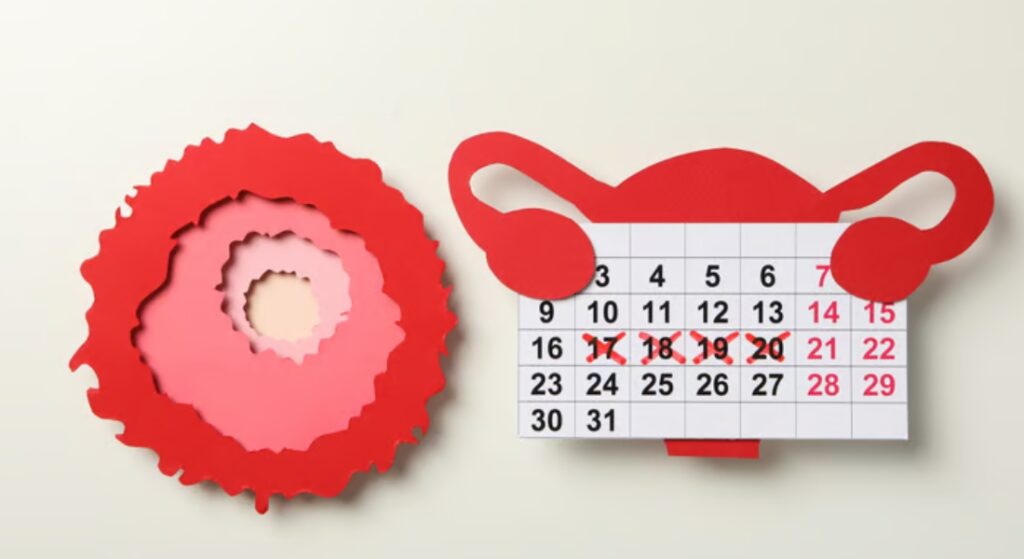
You may assume that having very few periods means you cannot become pregnant. However, you can ovulate unexpectedly before your next bleed, so pregnancy remains possible even after several months without a period.
You should continue using contraception if you do not want to become pregnant. Irregular or absent periods should not be relied on as contraception because ovulation can still occur without warning.
Can You Conceive Naturally with PCOS?
Many people with PCOS become pregnant naturally, although conception may take longer if you do not ovulate regularly. Your chances depend on factors such as your age, how often you ovulate, the health of your fallopian tubes and whether there are any sperm-related or additional fertility concerns.
PCOS affects everyone differently, so another person’s experience cannot predict what will happen for you. You may conceive after an unexpected ovulation despite widely spaced periods, while regular cycles do not rule out an unrelated fertility issue.
Do Regular Periods Improve Your Chances?
Regular monthly cycles make ovulation more likely, although they do not prove that ovulation occurs in every cycle. Bleeding that remains unusually long, unpredictable or infrequent may not reflect regular ovulation.
Your clinician may review your menstrual pattern and arrange blood tests to check whether you are releasing an egg. A progesterone blood test may provide evidence that ovulation has occurred. It should be timed during the mid-luteal phase, usually around seven days before the next period is expected, rather than automatically being performed on day 21 for everyone.
Timing Sex When Your Cycles Are Irregular
It can be difficult to predict your fertile window when your cycle length changes each month. Rather than focusing on one exact ovulation day, having sex every two to three days throughout your cycle can help ensure sperm are present when an egg is released.
Ovulation apps and calendar methods may be less reliable because they often assume that your cycles follow a regular pattern. Home ovulation tests may also be harder to interpret with PCOS, so you do not need to rely on daily testing.
Age Still Matters When You Have PCOS
PCOS does not protect against age-related changes in fertility. A high follicle count or AMH level does not indicate egg quality or guarantee natural conception, and reproductive age remains an important fertility factor.
Your age should therefore be considered alongside your menstrual pattern and how long you have been trying to conceive. You should seek fertility advice sooner if you are aged 36 or over, as fertility declines more quickly from the mid-thirties and investigations can take time.
When Should You Ask for Fertility Help?
You should usually speak to your GP if you have not conceived after one year of regular unprotected sex. Seek advice earlier if your periods are very irregular or absent, because this may indicate that you are not ovulating regularly and represents a known or suspected fertility factor.
- Irregular or absent periods: Request advice sooner if periods are infrequent or absent, particularly when cycles are repeatedly very long or you have gone several months without bleeding.
- Age and Medical History: Seek earlier advice if you are aged 36 or over or have a history of pelvic surgery, infection or another fertility concern.
- Additional Symptoms: Pain, unusual bleeding or other symptoms should be assessed because PCOS may not be the only condition affecting your fertility.
Seeking support at the right time can help identify any factors affecting your chances of becoming pregnant. Your GP can arrange initial tests, offer advice and refer you to a fertility specialist when appropriate.
What Happens During a Fertility Assessment?
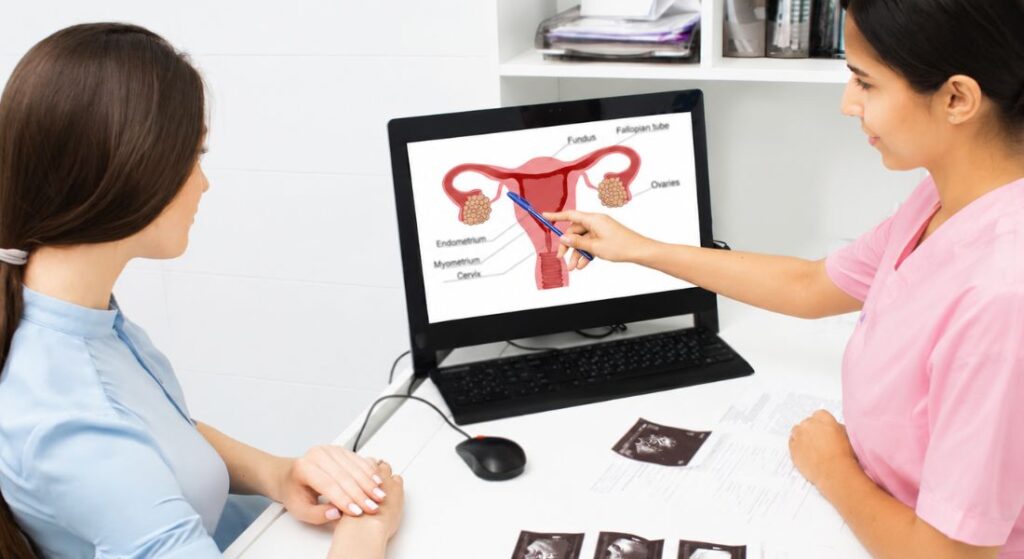
Your clinician will ask how long you have been trying to conceive, how often your periods occur and whether you have previously been pregnant. You may also be asked about medicines, contraception, sexual health, pelvic pain, changes in weight and other symptoms associated with PCOS.
Blood tests may be arranged to assess whether you are ovulating and to investigate other possible causes of irregular cycles when clinically indicated. Depending on your circumstances, your clinician may also recommend infection screening, tests to assess the fallopian tubes and semen analysis for a partner who produces sperm, where applicable.
PCOS May Not Be the Only Fertility Factor
It can be easy to assume that PCOS is the only reason conception is taking longer, particularly when your periods are irregular. However, your fertility may also be affected by blocked fallopian tubes, endometriosis, fibroids, age-related changes in egg quality or sperm-related factors.
Both partners should therefore be included in the initial fertility assessment where relevant. Identifying every possible factor can prevent you from spending months treating ovulation when another issue also needs attention.
What May Be Considered During Fertility Assessment?
| Area assessed | Why it matters |
| Menstrual and ovulation pattern | Identifies irregular or absent ovulation |
| Progesterone blood test | May provide evidence of recent ovulation |
| Pelvic ultrasound | Assesses the ovaries and womb |
| Tubal-patency testing | Checks whether the fallopian tubes appear open |
| Semen analysis | Assesses sperm-related fertility factors |
| Infection and sexual-health history | Helps identify whether targeted infection testing or tubal assessment may be appropriate |
| Age and, when relevant, ovarian-response testing | Age affects fertility; AMH or follicle count may help plan assisted conception but cannot predict natural conception by itself |
| Blood pressure and glucose | Supports preconception and pregnancy safety |
| Medicines and supplements | Identifies treatments requiring adjustment before pregnancy |
Preparing Your Body for Pregnancy
A balanced diet, regular movement, sufficient sleep and support for your emotional wellbeing can help prepare your body for pregnancy. These habits can benefit you at any body size, so focus on sustainable changes rather than an extreme or restrictive PCOS fertility diet.
You should stop smoking, avoid alcohol while trying to conceive and discuss any medical conditions or medicines with your clinician. Take 400 micrograms of folic acid every day while trying for a baby and until you are 12 weeks pregnant, unless you have been advised to take a higher prescribed dose.
Weight, Insulin Resistance and Ovulation
Insulin resistance is common in PCOS and may increase insulin and androgen levels, which can interfere with ovulation. Where weight reduction is appropriate, desired and safely achievable, modest and sustainable changes may improve cycle regularity or ovulation in some people.
PCOS can affect people at any body size. Your clinician should consider your overall health, symptoms and fertility history without overlooking other possible fertility factors or making weight the sole focus of your care.
Medicines That Encourage Ovulation
If you are not ovulating regularly, your fertility specialist may recommend medicines that encourage a follicle to develop and release an egg. This can increase the number of cycles in which you have an opportunity to conceive.
When irregular ovulation is the main fertility factor and no other infertility factor has been identified, the international PCOS guideline recommends letrozole as the first-line ovulation medicine. NHS public information currently lists clomifene, and local practice may vary because of licensing, commissioning and clinical considerations. Your specialist should explain why a particular medicine is recommended and whether it is being used outside its licensed indication.
What Happens During Ovulation Induction?
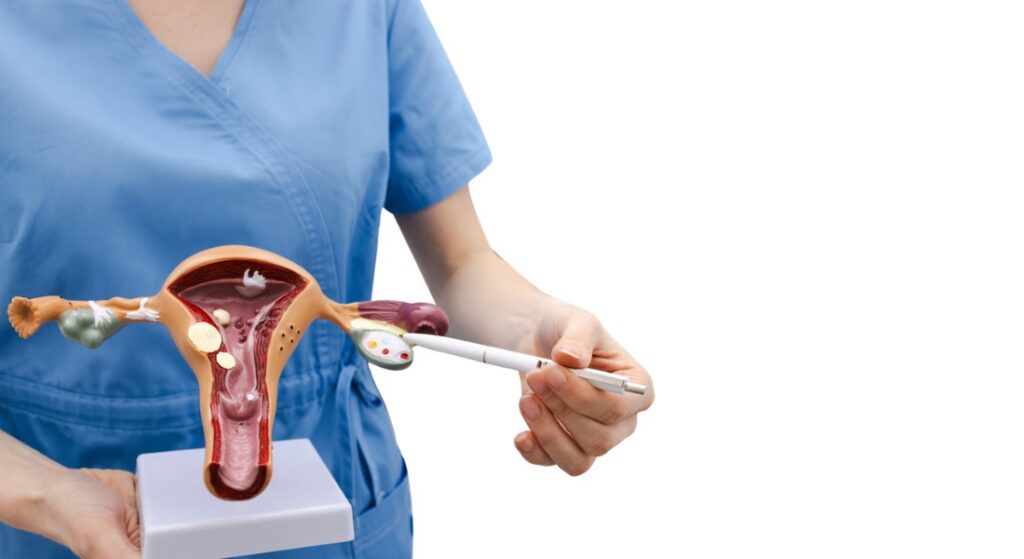
Pregnancy should be excluded before ovulation-induction treatment begins. Tablets are usually taken for several days near the beginning of a treatment cycle, although the exact schedule depends on the medicine.
Monitoring requirements vary according to the medicine, dose and individual risk. Your clinic may use ultrasound, blood tests or both to assess your response and reduce the chance of several follicles developing, which can increase the risk of multiple pregnancy. If the first dose does not trigger ovulation, your specialist may carefully adjust the dose or treatment.
Can Metformin Help You Get Pregnant?
Metformin helps the body respond more effectively to insulin and may improve menstrual regularity or ovulation in some people with PCOS. It may be considered alone or with another ovulation medicine, particularly when there are metabolic indications.
However, metformin is not the most effective ovulation-induction treatment for everyone. The international guideline advises explaining that more effective ovulation medicines are available. Nausea, diarrhoea and abdominal discomfort can occur, particularly when treatment begins or the dose increases.
Gonadotrophin Injections and Ovarian Drilling
If first-line tablet treatment does not help you ovulate or become pregnant, your specialist may discuss gonadotrophin injections. These medicines stimulate the ovaries more directly and require careful monitoring because they can increase the risk of multiple pregnancy and ovarian hyperstimulation syndrome (OHSS), in which the ovaries respond excessively.
Laparoscopic ovarian drilling may be considered in selected cases when oral ovulation-induction treatment has not worked or is unsuitable. It involves surgery and is not routinely required simply because you have PCOS.
When IUI or IVF May Be Considered
Intrauterine insemination, or IUI, involves placing prepared sperm directly into your womb around the time of ovulation. It may be offered when donor sperm is used, vaginal sex is not possible or there is another specific clinical indication. It is not routinely needed for PCOS-related irregular ovulation alone.
IVF may be considered if first- and second-line ovulation treatments have not resulted in pregnancy, or if there are additional concerns involving the fallopian tubes, sperm quality or age-related fertility changes. During IVF, eggs are collected and fertilised in a laboratory before an embryo is transferred into the womb. People with PCOS have an increased risk of ovarian hyperstimulation syndrome (OHSS) during ovarian stimulation, so the clinic should discuss treatment protocols that can reduce this risk.
Pregnancy Risks Associated with PCOS
Most people with PCOS can have a healthy pregnancy, although the condition is associated with increased risks of miscarriage, gestational diabetes, high blood pressure disorders including pre-eclampsia, preterm birth, Caesarean birth and some fetal-growth problems, including a baby being small for gestational age or having a low birth weight. Your individual risk depends on several factors, so having PCOS does not mean that you will necessarily experience a complication.
Tell your maternity team that you have PCOS so that appropriate monitoring can be arranged. Blood pressure should be checked when pregnancy is being planned or fertility treatment is being considered. An oral glucose tolerance test should be offered before pregnancy or fertility treatment. If it was not performed beforehand, it should be offered at the first antenatal appointment and repeated at 24 to 28 weeks.
How Pregnancy Outcomes Can Be Improved

Before trying to conceive, ask your clinician to review your blood pressure, blood glucose, medicines and general health. Some treatments used for acne or unwanted hair growth may be unsuitable during pregnancy, so you should not stop or continue them without professional advice.
Metformin should not be assumed to prevent PCOS-associated pregnancy complications because it has not been shown to prevent gestational diabetes, late miscarriage, pregnancy-related hypertension or pre-eclampsia, although it may be considered in selected circumstances.
Once you receive a positive pregnancy test, contact your GP or maternity service and explain that you have PCOS. Early antenatal care, appropriate diabetes screening and careful management of your blood pressure or blood glucose can help reduce avoidable risks and support a healthier pregnancy.
Myth vs Fact
| Myth | Fact |
| PCOS means that you cannot become pregnant. | Many people conceive naturally, while others benefit from treatment that supports ovulation. |
| You cannot become pregnant without regular periods. | Ovulation may happen unexpectedly before a period, even after a long gap. |
| Irregular periods are a reliable form of contraception. | Pregnancy remains possible, so contraception is needed when pregnancy is not wanted. |
| Lots of visible ovarian follicles protect fertility from ageing. | Age-related changes in egg quantity and quality still occur. |
| Regular bleeding proves that you are ovulating. | Regular monthly cycles make ovulation likely, but a correctly timed progesterone test may be used when confirmation is needed. |
| PCOS must be the only reason conception is taking longer. | Tubal, sperm, uterine, endometriosis-related and age-related factors may also contribute. |
| Everyone with PCOS needs IVF. | Many people conceive naturally or after oral ovulation-induction treatment. |
| Metformin is always the best fertility medicine for PCOS. | It can help selected people, but more effective ovulation medicines may be available. |
| More ovarian stimulation always improves pregnancy chances. | Excessive stimulation increases the risks of multiple pregnancy and OHSS. |
| Metformin prevents pregnancy complications caused by PCOS. | It has not been shown to prevent several major PCOS-associated pregnancy complications. |
Key Takeaways
- PMOS is the name now used by the NHS for the condition previously called PCOS.
- PMOS can delay pregnancy when ovulation is irregular.
- It does not mean that natural conception is impossible.
- Ovulation may occur unexpectedly even after several months without bleeding.
- Regular periods make ovulation more likely but do not prove it.
- Age-related fertility changes still occur.
- Fertility assessment should consider both partners.
- A pelvic ultrasound cannot confirm that the fallopian tubes are open.
- International guidance recommends letrozole first-line for anovulatory infertility when no other fertility factor is present, but UK practice may vary.
- Gonadotrophins can increase multiple-pregnancy risk, while gonadotrophin and IVF ovarian stimulation can increase the risk of OHSS.
- An oral glucose tolerance test should be offered before pregnancy or fertility treatment because it is the most accurate test of glycaemic status in PCOS.
- Metformin has not been shown to prevent gestational diabetes, late miscarriage, pregnancy-related hypertension or pre-eclampsia in people with PCOS.
- Most people with PMOS can have a healthy pregnancy with appropriate individual care.
Frequently Asked Questions
1. Can you get pregnant naturally with polycystic ovary syndrome?
Yes, many people with polycystic ovary syndrome become pregnant naturally. However, conception may take longer when ovulation is irregular or does not occur every month.
2. Do irregular periods mean that you cannot become pregnant?
No, irregular or absent periods do not mean that pregnancy is impossible. Ovulation may occur unexpectedly before your next period, so contraception is still needed when you do not want to conceive.
3. When should you seek fertility advice if you have polycystic ovary syndrome?
Speak to your GP if you have not conceived after one year of regular unprotected sex. Seek advice sooner if your periods are very irregular or absent, you are aged 36 or over, or another fertility factor is known or suspected.
4. Which medicines may help you ovulate with polycystic ovary syndrome?
Letrozole is recommended first-line by the international guideline for anovulatory PCOS when no other fertility factor is present. Clomifene may also be used, depending on local practice and individual circumstances. Metformin may support ovulation in selected people but is generally less effective as a sole ovulation-induction medicine.
5. Is in vitro fertilisation always needed for polycystic ovary syndrome?
No, in vitro fertilisation is not usually the first treatment when irregular ovulation is the main fertility problem. It may be considered when ovulation treatments have not resulted in pregnancy or when additional factors involving the fallopian tubes, sperm quality or age-related fertility changes are present.
Final Thoughts: Planning for Pregnancy with PCOS
Having PCOS does not mean that you cannot become pregnant. Many people conceive naturally, while others may benefit from treatment that supports regular ovulation. If you are seeking specialist advice on PCOS treatment in London, you can contact Gynaecology Clinic London.
References:
- NHS (2026) ‘Polyendocrine metabolic ovarian syndrome (PMOS)’. Page last reviewed 30 June 2026. Available at: https://www.nhs.uk/conditions/polyendocrine-metabolic-ovarian-syndrome-pmos/
- National Institute for Health and Care Excellence (2026) ‘Fertility problems: assessment and treatment’. NICE guideline NG257. Published 31 March 2026. Available at: https://www.nice.org.uk/guidance/ng257
- NHS (2023) ‘Diagnosis – infertility’. Page last reviewed 9 August 2023. Available at: https://www.nhs.uk/conditions/infertility/diagnosis/
- NHS (2026) ‘Trying to get pregnant’. Page last reviewed 2 June 2026. Available at: https://www.nhs.uk/pregnancy/trying-for-a-baby/trying-to-get-pregnant/
- NHS (2023) ‘Treatment – infertility’. Page last reviewed 9 August 2023. Available at: https://www.nhs.uk/conditions/infertility/treatment/
- NHS (2025) ‘IVF’. Page last reviewed 15 April 2025. Available at: https://www.nhs.uk/tests-and-treatments/ivf/
- NHS (no date) ‘Vitamins and supplements in pregnancy’. Available at: https://www.nhs.uk/best-start-in-life/pregnancy/vitamins-and-supplements-in-pregnancy/
- Teede, H.J. et al. (2023) ‘Recommendations from the 2023 international evidence-based guideline for the assessment and management of polycystic ovary syndrome’, The Journal of Clinical Endocrinology & Metabolism, 108(10), pp. 2447–2469. Available at: https://academic.oup.com/jcem/article/108/10/2447/7242360
- Human Fertilisation and Embryology Authority (2016) ‘Risks of fertility treatment’. Published 7 April 2016. Available at: https://www.hfea.gov.uk/treatments/explore-all-treatments/risks-of-fertility-treatment/
- Royal College of Obstetricians and Gynaecologists (2016) ‘Ovarian hyperstimulation syndrome (OHSS)’. Published July 2016. Available at: https://www.rcog.org.uk/for-the-public/browse-our-patient-information/ovarian-hyperstimulation-syndrome/