



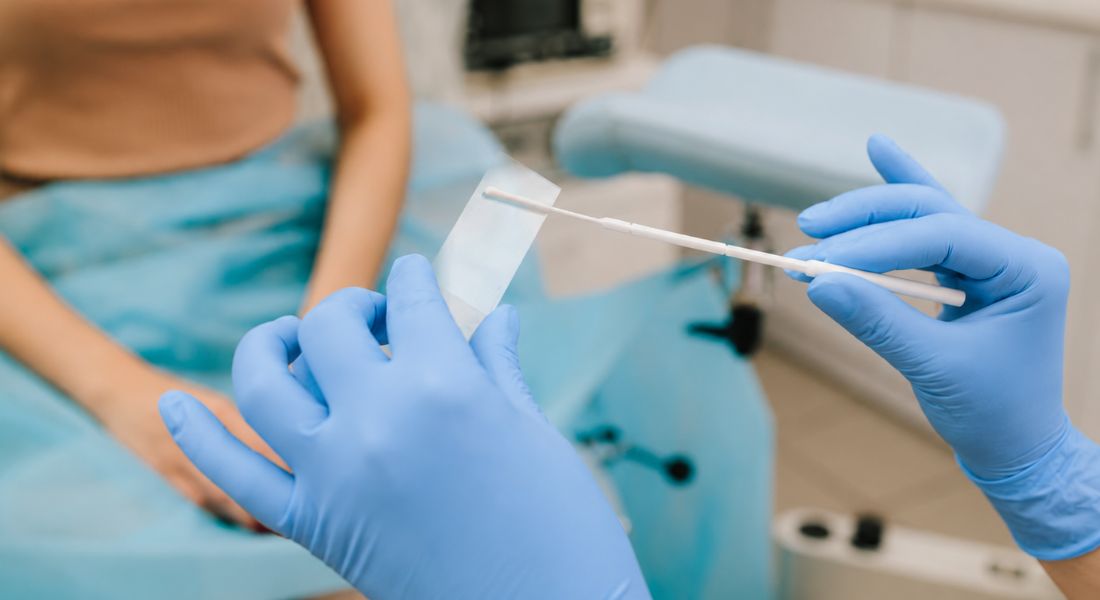
Recurrent vaginal thrush usually needs a different approach from an occasional episode. If your symptoms keep returning, your clinician will usually arrange appropriate vaginal testing to confirm Candida and identify the species before planning longer-term treatment.
Once recurrent candidiasis is confirmed, you may need a longer initial course of antifungal treatment followed by maintenance therapy for several months. Your clinician may also check for factors such as antibiotics, diabetes or immune suppression that could be contributing to repeated episodes.
When Is Thrush Considered Recurrent?
Recurrent vaginal thrush generally means you have frequent episodes of symptomatic thrush, with UK guidance commonly defining this as four or more episodes within 12 months. You may be completely symptom-free between episodes or find that symptoms improve after treatment before returning.
You do not always need to wait for four episodes before seeking medical advice. You should speak to your clinician sooner if treatment keeps failing, your symptoms change, or you are pregnant, have diabetes or have a weakened immune system.
Why Should the Diagnosis Be Confirmed First?
Itching, soreness, burning and vaginal discharge can have several causes besides thrush, including bacterial vaginosis, sexually transmitted infections, dermatitis and vulval skin conditions. You may therefore need testing to confirm that Candida is actually causing your symptoms.
Repeatedly treating symptoms as thrush without checking the diagnosis can delay the right treatment. The diagnosis should be confirmed before longer-term antifungal treatment is considered, particularly when symptoms repeatedly return.
What Tests Are Used for Recurrent Thrush?
Your clinician may take a vaginal swab for culture to check whether Candida is present and identify the species involved. Depending on your symptoms and examination findings, other tests may also be needed to investigate conditions that can cause similar vaginal or vulval symptoms.
In selected persistent or treatment-resistant cases, susceptibility testing may be used to assess how the Candida responds to different antifungal medicines. Your clinician may also recommend blood tests for diabetes or other investigations if your medical history suggests a factor contributing to recurrent thrush.
How Is an Active Episode Usually Treated?

An active episode of vaginal thrush may be treated with an oral antifungal medicine or an intravaginal treatment such as a pessary or internal cream. An external antifungal cream may also be used to help manage vulval symptoms when appropriate. You may need a longer or more intensive initial course when you have recurrent thrush.
The aim is to control the active symptomatic episode before maintenance treatment is considered. You should follow the treatment schedule given by your clinician rather than repeatedly using single-dose treatments whenever symptoms return.
Why Is a Longer Initial Antifungal Course Used?
Recurrent thrush may need a longer initial antifungal course than an occasional episode. Depending on the treatment prescribed, you may receive a longer course or several planned doses to control the active infection before maintenance treatment begins.
The exact medicine and schedule should be chosen for you based on your Candida species, pregnancy status, other medicines, medical history and previous treatment response. You should not copy an antifungal regimen prescribed for someone else.
Evidence Note
Recurrent Candida albicans usually needs more than the single-dose approach often used for an occasional episode. NICE CKS recommends an induction phase followed by maintenance therapy, while international guidance similarly advises achieving control of the active infection before suppressive treatment begins.
Maintenance treatment is effective at reducing recurrences while it is being used, but it should be understood as suppression rather than a guaranteed permanent cure. Long-term follow-up studies show that relapse can occur after maintenance fluconazole is stopped.
What Is Maintenance Treatment?
Maintenance treatment involves continuing antifungal medicine after the active infection has been controlled. You may take treatment at planned intervals to reduce the chance of another symptomatic episode.
For some people with confirmed recurrent Candida, maintenance treatment may continue for around six months. The exact medicine depends on your circumstances, so you should use it under your clinician’s guidance rather than continuing treatment indefinitely without review.
How Do the Main Recurrent Thrush Treatments Compare?
Recurrent thrush treatment is not the same for everyone. The approach depends on whether Candida albicans or another species is involved, whether you are pregnant, whether previous treatment worked and whether there is evidence of reduced antifungal susceptibility.
| Treatment approach | When it may be used | Important considerations |
| Longer initial antifungal treatment | To control an active recurrent Candida albicans episode before maintenance | Longer than treatment for an occasional episode |
| Oral fluconazole | Common option for recurrent C. albicans when medically appropriate | Drug interactions and pregnancy considerations must be reviewed |
| Intravaginal clotrimazole | Alternative or suitable option for many patients, including during pregnancy | Pessaries can temporarily reduce the reliability of latex condoms/diaphragms |
| Maintenance antifungal therapy | To suppress repeated confirmed episodes | Often continued for around six months; recurrence can occur after stopping |
| Alternative topical treatment | When oral treatment is unsuitable or not preferred | Choice depends on diagnosis and previous response |
| Specialist treatment for non-albicans Candida | When culture identifies a less typical species | Standard fluconazole may be less reliable |
| Resistance-guided treatment | When symptoms and positive cultures persist despite appropriate therapy | Specialist input and susceptibility testing may be needed |
| Treatment of contributing factors | For example, improving diabetes control or reviewing avoidable antibiotic exposure | Does not replace antifungal treatment for confirmed active infection |
NICE CKS currently lists induction followed by six-month maintenance regimens for recurrent vulvovaginal candidiasis and recommends specialist advice when non-albicans or resistant Candida is identified.
Does Maintenance Treatment Cure Recurrent Thrush Permanently?

Maintenance antifungal treatment can reduce recurrent thrush while you are taking it, but it does not guarantee that symptoms will never return. You may remain symptom-free after treatment, while some people experience another episode later.
If your symptoms return, you should have them reassessed rather than automatically restarting the same treatment. Repeat testing can confirm whether Candida is still causing your symptoms, particularly after prolonged antifungal use.
When Is Oral Fluconazole Used?
Fluconazole is an oral antifungal that may be used for vaginal thrush when it is medically suitable. For recurrent Candida albicans, you may be given an initial treatment schedule followed by maintenance therapy.
Fluconazole can interact with other medicines and may not be suitable for everyone, so your clinician should review your current medicines and relevant medical history before prescribing it. You should tell your clinician if you are pregnant, could be pregnant or are trying to conceive, as oral fluconazole is generally avoided during pregnancy.
When Are Vaginal Pessaries or Creams Used?
Vaginal antifungal treatments such as clotrimazole can be used to treat many Candida infections, particularly when oral treatment is unsuitable or not preferred. The exact product and treatment duration should depend on your diagnosis, symptoms and individual circumstances.
- Vaginal Pessaries: Antifungal pessaries are inserted into the vagina to treat the Candida infection directly at the affected area.
- External Creams: Antifungal cream may help relieve external vulval itching, soreness or irritation alongside appropriate treatment.
- Alternative to Oral Treatment: Topical treatment may be considered when oral antifungal medicines are unsuitable or you prefer a vaginal option.
- Contraception Considerations: Some vaginal antifungal products can temporarily reduce the reliability of latex condoms or diaphragms, so you should check the product information.
You should follow the recommended treatment course rather than stopping as soon as your symptoms begin to improve. If symptoms persist or repeatedly return, further assessment may be needed to confirm the Candida species and make sure another condition is not responsible.
How Is Recurrent Thrush Treated During Pregnancy?
Thrush is common during pregnancy because hormonal changes can alter your vaginal environment. If symptoms keep returning, you should speak to your GP or midwife rather than repeatedly treating yourself.
Treatment usually involves vaginal antifungal medicines such as clotrimazole rather than oral fluconazole. If symptoms continue after treatment, you should have them reassessed because other conditions can cause similar irritation or discharge.
What Happens If Candida Albicans Is Not the Cause?
Candida albicans causes most vaginal thrush, but other species such as Candida glabrata can sometimes cause recurrent or difficult-to-treat symptoms. You may need a vaginal swab and laboratory testing to identify the species if standard treatment is not working.
Your clinician may then recommend a different antifungal medicine or treatment approach based on the result. You should not repeatedly use fluconazole without confirming the cause, as some Candida species respond less reliably to commonly used treatments.
What If Antifungal Resistance Is Suspected?
Antifungal resistance means Candida does not respond adequately to a medicine that would normally be expected to work. You may need further testing if symptoms continue despite completing treatment correctly, particularly after repeated antifungal use.
Your clinician can identify the Candida species and assess which treatments may be effective. Depending on the results, you may need an alternative treatment such as nystatin or another specialist option, which should only be used under medical guidance.
Should Your Partner Be Treated?
Your partner does not usually need treatment if they have no symptoms, as thrush is not normally considered a sexually transmitted infection. Recurrent vaginal thrush does not usually mean that your partner is repeatedly reinfecting you.
If your partner develops genital itching, redness or other symptoms, they should seek their own medical advice. You may also find that avoiding sex until your symptoms settle reduces discomfort, particularly when the vulval skin is irritated.
Should Underlying Causes Be Treated as Well?
Your treatment may be more effective when factors contributing to recurrent thrush are also addressed. Your clinician may ask about antibiotics, diabetes, immune conditions, pregnancy, hormonal treatments and other aspects of your health.
Poorly controlled diabetes and unnecessary antibiotic use can increase your risk of recurrent Candida. You should still take antibiotics when they are medically necessary, while your clinician may recommend blood glucose testing or other investigations when appropriate.
Can Vulval Skin Care Help Treatment?

Good vulval skin care can reduce irritation while you are being treated for recurrent thrush, although it does not replace antifungal medicine. You can avoid perfumed soaps, shower gels, vaginal deodorants and douches, which may worsen soreness.
You can gently wash the external area with water or a suitable emollient and dry it carefully without rubbing. Breathable, comfortable underwear may also help, while excessive washing can further irritate sensitive skin.
Do Probiotics or a Candida Diet Treat Recurrent Thrush?
Probiotics should not replace antifungal treatment when recurrent vaginal thrush has been confirmed. There is not enough evidence to consider probiotic supplements a reliable alternative to established medical treatment.
You do not usually need a restrictive “Candida diet” or to eliminate ordinary dietary sugar. You should also avoid inserting yoghurt, garlic, essential oils or other home remedies into your vagina, as these can irritate sensitive tissues without reliably treating the infection.
Myth vs Fact
| Myth | Fact |
| Recurrent thrush can be treated by repeatedly taking a single-dose pharmacy medicine. | Recurrent confirmed VVC often needs longer induction treatment followed by maintenance therapy. |
| Maintenance treatment permanently cures recurrent thrush. | It can reduce recurrent episodes while treatment is being used, but recurrence can happen after treatment stops. |
| A positive Candida swab always means Candida is causing your symptoms. | Candida can be present in the vagina without causing active disease, particularly with some non-albicans species. |
| Fluconazole is suitable for everyone. | Pregnancy, pregnancy plans, medicine interactions and other medical factors need to be considered. |
| All Candida species respond equally to fluconazole. | Non-albicans Candida and resistant isolates can respond less reliably. |
| Your partner must be repeatedly treated to stop reinfection. | Routine treatment of an asymptomatic partner is not generally recommended. |
| Probiotics can replace antifungal medicine. | Evidence is currently insufficient to use probiotics as a reliable substitute for established treatment. |
| A Candida diet can cure recurrent vaginal thrush. | Restrictive diets have not been established as effective treatment for recurrent VVC. |
| Continued symptoms always mean the Candida is resistant. | Dermatitis, lichen sclerosus, vulvodynia, STIs and other conditions may mimic thrush. |
What If Symptoms Continue but Swabs Are Negative?
If your Candida swabs are repeatedly negative, your clinician may need to reconsider whether thrush is actually causing your symptoms. Continuing antifungal treatment without confirming Candida may expose you to unnecessary medicine while delaying the correct diagnosis.
Persistent itching or soreness can be caused by conditions such as eczema, contact dermatitis or lichen sclerosus, while burning and pain may occur with vulvodynia or pelvic floor problems. You may need a careful vulval examination, STI testing or referral to a specialist in vulval conditions.
When Should You Stop Self-Treating Recurrent Thrush?
Pharmacy antifungal treatment may be suitable when you have previously had thrush diagnosed and develop an occasional episode with familiar symptoms. You should arrange medical assessment if episodes keep returning, treatment stops working or your symptoms are different from usual.
You should also seek professional advice if you are pregnant, breastfeeding, have diabetes or have a weakened immune system. Repeatedly using single-dose treatments can temporarily relieve symptoms while delaying the testing needed to confirm whether Candida is actually responsible.
When Is Specialist Management Recommended?

Specialist assessment may be helpful when recurrent thrush continues despite appropriate treatment or when testing identifies non-albicans Candida or suspected antifungal resistance. You may also need specialist care if symptoms persist but tests do not clearly show that Candida is responsible.
A specialist can review your previous test results, medicines, possible triggers and treatment history while examining your vulval skin for other conditions. This can help determine whether you have difficult-to-treat Candida or another cause of your ongoing symptoms.
Key Takeaways
- Recurrent vaginal thrush is commonly defined in UK practice as four or more symptomatic episodes within 12 months.
- Repeated symptoms should be confirmed as Candida before longer-term treatment is started.
- Culture and species identification can help distinguish Candida albicans from non-albicans Candida.
- Recurrent C. albicans may require a longer initial treatment course followed by maintenance antifungal therapy.
- Maintenance treatment often continues for several months but does not guarantee that symptoms will never return.
- Oral fluconazole has important medicine-interaction and pregnancy considerations.
- Vaginal or topical azole treatment is generally preferred during pregnancy.
- Persistent culture-positive symptoms or suspected antifungal resistance may require susceptibility testing and specialist advice.
- Repeated negative Candida tests should prompt assessment for another vulval or vaginal condition.
Frequently Asked Questions
1. How is recurrent thrush treated?
Recurrent thrush is usually treated with a longer initial course of antifungal medicine followed by maintenance treatment for several months. The exact treatment depends on the Candida species, your health, previous treatment response and whether you are pregnant.
2. Can recurrent thrush be treated with fluconazole?
Fluconazole may be used for confirmed recurrent Candida albicans infection when it is medically suitable. It is generally avoided during pregnancy, and your clinician should check for possible medicine interactions before prescribing it.
3. What happens if recurrent thrush does not respond to treatment?
If symptoms continue despite appropriate treatment, your clinician may recommend a vaginal swab to identify the Candida species and assess whether reduced sensitivity to antifungal medicine could be involved. Another condition may also be responsible for your symptoms.
4. Can recurrent thrush be treated during pregnancy?
Yes, but treatment choices are different during pregnancy. Vaginal antifungal treatments such as clotrimazole are generally preferred, while oral fluconazole is usually avoided, so you should speak to your GP or midwife before treating recurrent symptoms.
5. When should you see a specialist for recurrent thrush?
Specialist assessment may be recommended when symptoms continue despite appropriate treatment, non-albicans Candida or suspected antifungal resistance is identified, or repeated tests do not clearly explain your symptoms. A specialist can also assess for vulval skin conditions or other causes of persistent irritation.
Final Thoughts: Finding the Right Treatment for Recurrent Thrush
Treating recurrent thrush is about more than repeatedly taking antifungal medicine whenever your symptoms return. Confirming that Candida is responsible, identifying the species involved and looking for factors that may be contributing to recurrence can help you receive a treatment plan that is better suited to your needs.
If you’re considering recurrent thrush treatment, you can get in touch with our team at Gynaecology Clinic London.
References:
- National Institute for Health and Care Excellence (NICE) (2023) ‘Candida – female genital: Scenario: Recurrent infection’, Clinical Knowledge Summaries. Available at: https://cks.nice.org.uk/topics/candida-female-genital/management/recurrent-infection/
- Saxon, C., Edwards, A., Rautemaa-Richardson, R., Owen, C., Nathan, B., Palmer, B., Wood, C., Ahmed, H., Ahmad, S. and FitzGerald, M. (2020) ‘British Association for Sexual Health and HIV national guideline for the management of vulvovaginal candidiasis (2019)’, International Journal of STD & AIDS, 31(12), pp. 1124–1144. Available at: https://www.bashh.org/resources/22/vulvovaginal_candidiasis_2019/
- NHS (2026) ‘Clotrimazole’. Available at: https://www.nhs.uk/medicines/clotrimazole/
- Gardella, B., Cassani, C., Dominoni, M., Pasquali, M.F. and Spinillo, A. (2024) ‘Maintenance pharmacological therapy of recurrent vulvovaginal candidiasis. A Bayesian network meta-analysis of randomized studies’, European Journal of Obstetrics & Gynecology and Reproductive Biology, 302, pp. 310–316. Available at: https://www.sciencedirect.com/science/article/abs/pii/S0301211524005347
- Akinosoglou, K., Livieratos, A., Asimos, K., Donders, F. and Donders, G.G.G. (2024) ‘Fluconazole-resistant vulvovaginal candidosis: An update on current management’, Pharmaceutics, 16(12), article 1555. Available at: https://www.mdpi.com/1999-4923/16/12/1555