




Vaginal or vulval itching, soreness and unusual discharge can be caused by thrush, but they may also occur with bacterial vaginosis, sexually transmitted infections, dermatitis or vulval skin conditions. If you have experienced thrush before, it can be tempting to assume every similar episode is the same, but repeatedly using antifungal treatment without confirmation may delay the correct diagnosis.
Typical thrush is caused by an overgrowth of Candida and often causes intense itching, soreness or stinging, along with a thick white discharge that is usually non-offensive. If your symptoms are new, keep returning, do not improve with treatment or occur alongside pelvic pain, unusual bleeding, sores or urinary symptoms, you should have them assessed so the actual cause can be identified.
What Does Typical Vaginal Thrush Feel Like?
Vaginal thrush commonly causes intense itching and irritation around your vulva and vagina, with the skin sometimes becoming red, swollen or sore. You may also notice a thick white discharge that can look like cottage cheese and usually does not have a strong or unpleasant smell.
You may experience stinging when you pass urine if it touches irritated external skin, or discomfort during sex when the vaginal tissues are sore. Although this combination can suggest thrush, you cannot confirm the cause from symptoms alone, particularly when episodes keep returning.
Why Is Thrush So Easy to Misdiagnose?
Several vaginal and vulval conditions can cause similar symptoms, including itching, burning, soreness, discharge and discomfort during sex. This can make it difficult to know what is causing your symptoms based on how the area feels alone.
You may also assume that a new episode has the same cause as a previous one, particularly if you have had confirmed thrush before. A temporary improvement after self-treatment does not confirm that Candida is responsible, so repeated symptoms should be assessed rather than automatically treated as thrush.
How Do Thrush and Other Common Causes Compare?
| Possible cause | Typical clues | Important distinction |
| Thrush | Intense itch/soreness, vulval irritation, thick white, usually non-offensive discharge | Symptoms alone cannot reliably confirm Candida |
| Bacterial vaginosis | Thin grey-white discharge, strong fishy smell, often more noticeable after sex | BV usually causes little or no itching or soreness |
| Trichomoniasis | Yellow-green or frothy discharge, soreness, possible unpleasant/fishy smell, pain when urinating or during sex | It is an STI and requires specific treatment |
| Chlamydia/gonorrhoea | May be symptom-free; can cause unusual discharge, urinary discomfort, pelvic pain or bleeding | STI testing is needed if exposure is possible |
| Genital herpes | Tingling/burning followed by painful blisters, ulcers or skin breaks | Typical blisters and ulcers are not features of uncomplicated thrush |
| Vulval dermatitis/eczema | Itching, burning, redness; possible relationship to soaps, sanitary products or other irritants | It is a skin condition rather than Candida infection |
| Lichen sclerosus | Persistent itch, white/pale patches, fragile skin, cracks or bleeding | Needs examination and specific medical treatment |
| Lichen planus | Sore red/raw areas, burning, painful sex or urination | Can involve both vulva and vagina |
| Menopause/breastfeeding-related hormonal change | Dryness, burning, irritation and painful sex | Thick candidal discharge is less characteristic |
| Vulvodynia | Persistent vulval pain lasting at least three months, which may feel like burning, stinging or soreness and may worsen with touch. | Infection tests may be negative; diagnosis requires another cause to be excluded |
How Is Bacterial Vaginosis Different From Thrush?
Bacterial vaginosis, or BV, occurs when the normal balance of bacteria in your vagina changes and is not caused by Candida. You may notice a thin or watery grey-white discharge with a noticeable fishy smell, particularly after sex, while significant vulval itching is less typical than with thrush.
Some vaginal conditions can occur at the same time, so symptoms alone may not always identify the cause. If you are unsure whether your symptoms are caused by BV or thrush, you should speak to your GP or sexual health clinic for appropriate assessment and treatment.
Could an STI Look Like Thrush?
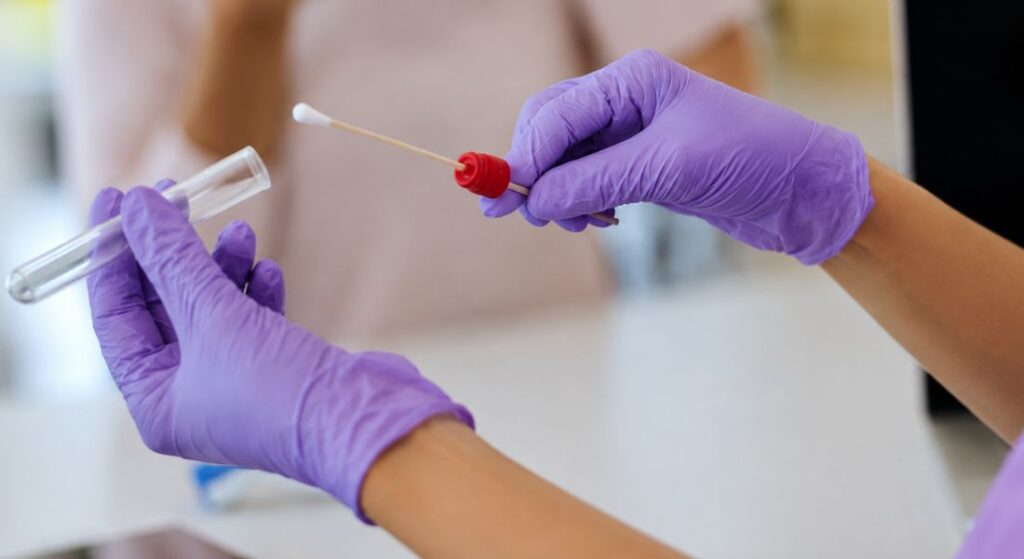
Yes. Some sexually transmitted infections can cause discharge, irritation, pain when passing urine or discomfort during sex, which can sometimes be mistaken for thrush. Chlamydia, gonorrhoea and trichomoniasis can cause genital symptoms, although some infections may cause few or no noticeable symptoms.
You should consider STI testing if you have had sex with a new partner, think you may have been exposed to an STI or have symptoms such as unusual discharge, bleeding, sores or pain when passing urine. Antifungal treatment will not clear an STI, so getting the correct diagnosis allows you to receive the treatment you actually need.
How Is Trichomoniasis Different From Thrush?
Trichomoniasis is a sexually transmitted infection caused by a parasite and can cause vaginal irritation, soreness and changes in discharge. You may notice yellow-green or frothy discharge with an unpleasant smell, along with pain when passing urine or during sex.
Unlike uncomplicated thrush, trichomoniasis requires specific treatment, and current or recent sexual partners may also need assessment and treatment. If your discharge looks or smells noticeably different from your usual thrush symptoms, you should arrange an STI assessment.
Could Genital Herpes Be Mistaken for Thrush?
Genital herpes can initially cause itching, tingling or burning around your genitals, which may feel similar to the early stages of thrush. You may then develop small painful blisters that can burst and leave open sores, and passing urine may become painful when it comes into contact with affected skin.
Thrush does not usually cause groups of fluid-filled blisters or typical genital ulcers. If you notice new sores, blisters or unexplained painful breaks in your skin, you should seek medical assessment rather than repeatedly treating the area with antifungal cream.
Could Vulval Dermatitis Cause Thrush-Like Itching?
Yes. You can experience intense itching, burning, redness and soreness from vulval dermatitis or eczema, which may feel very similar to thrush. You may also find that fragranced soaps, wipes, sanitary products or creams irritate your skin and make symptoms worse.
If you keep treating yourself for thrush without improvement, you should ask your clinician to examine the area. This can help identify possible triggers and guide suitable treatment to calm and protect your skin.
What Is Lichen Sclerosus?
Lichen sclerosus is a long-term inflammatory skin condition that can affect your vulva and cause intense itching, soreness and fragile skin. You may notice pale or white patches, fragile skin, small cracks, soreness or occasional bleeding.
If you have persistent itching with visible skin changes, you should see your clinician for an examination. You may need prescription anti-inflammatory treatment rather than repeated antifungal treatment for thrush.
Could Lichen Planus Cause Similar Symptoms?
Yes. Lichen planus can affect your vulva or vagina and cause burning, soreness, irritation or a raw feeling that may resemble thrush. You may also experience pain during sex or when passing urine, with red, inflamed or damaged skin.
If you have persistent symptoms despite repeated negative thrush tests, you should ask your clinician to examine the area. You may need specialist assessment because lichen planus requires different treatment from thrush.
Can Menopause Cause Symptoms That Feel Like Thrush?

Yes. You may experience vaginal dryness, burning, irritation or discomfort during sex as oestrogen levels fall during and after menopause. These symptoms can feel similar to thrush, but you may notice more dryness and sensitivity rather than the typical thick white discharge.
You may also experience urinary urgency or discomfort when passing urine. If your symptoms are linked to menopause, your clinician can discuss options such as vaginal moisturisers, lubricants or local vaginal oestrogen rather than repeated antifungal treatment.
Can Breastfeeding Cause Similar Vaginal Irritation?
Breastfeeding can lower your oestrogen levels temporarily, which may cause vaginal dryness, soreness or burning. You may also experience discomfort during sex even when you do not have an infection.
If you are breastfeeding and your symptoms do not improve with thrush treatment, you should tell your GP or gynaecologist. You can then be assessed for hormonal changes as well as possible infection before starting further treatment.
Could a Urinary Infection Be Confused With Thrush?
Yes. You may experience burning when passing urine with both a urinary infection and thrush, although a UTI usually causes additional bladder symptoms. You may need to pass urine more often or urgently, or notice cloudy urine, lower abdominal discomfort or blood in your urine.
Thrush is more likely to cause prominent vulval itching and soreness. If urinary symptoms are your main concern, you should speak to your GP about a urine test rather than continuing to use antifungal treatment.
Could Vulvodynia Feel Like Recurrent Thrush?
Yes. Vulvodynia describes vulval pain that lasts for at least three months without a specific identifiable cause. You may experience burning, stinging, soreness or tenderness, and symptoms can sometimes worsen with touch or sexual activity.
If your symptoms keep returning but Candida tests are negative, you should ask your clinician to consider vulvodynia. You may need treatments such as pelvic health physiotherapy or pain-management approaches rather than repeated antifungal medicine.
Can Products Used Around the Vulva Cause Irritation?
Products used around your vulva can sometimes cause irritation that feels similar to thrush, particularly if your skin is sensitive. Symptoms may include itching, burning, redness or soreness even when Candida is not responsible.
- Fragranced Products: Perfumed soaps, washes, wipes, sprays and deodorants can irritate sensitive vulval skin and make symptoms worse.
- New Products: If your symptoms started after changing washing powder, sanitary products, creams or toiletries, the new product may be contributing to irritation.
- Avoid Internal Cleansing: You do not need to wash inside your vagina because it is self-cleaning, and douching can disturb the normal vaginal environment.
- Remove Possible Irritants: Stopping a suspected irritating product may help your skin settle while your clinician assesses whether another condition is present.
Persistent irritation should not automatically be treated as recurrent thrush, particularly when antifungal medicines are not helping. A clinical assessment can help distinguish irritation or dermatitis from Candida infection and guide you towards more appropriate treatment.
Does the Smell or Colour of Discharge Help Identify the Cause?

The colour, consistency and smell of your discharge can provide useful clues, but they cannot confirm the diagnosis on their own. Thrush usually causes thick white discharge with little or no strong smell, while a thin grey-white discharge with a fishy smell may suggest bacterial vaginosis.
You may notice yellow, green or frothy discharge with trichomoniasis, while discharge with pelvic pain or unexplained bleeding may need further assessment. Your normal discharge can also change throughout your cycle, so you should consider whether it is noticeably different from your usual pattern.
What Symptoms Suggest It May Not Be Simple Thrush?
Strong fishy odour, green or yellow discharge, genital blisters or ulcers, significant pelvic pain, unexplained bleeding or persistent vulval skin changes suggest another cause. If pelvic pain or bleeding occurs with a missed period or possible pregnancy, seek urgent assessment to exclude ectopic pregnancy. Call 999 or attend A&E for severe pain with fainting, marked dizziness or rapidly worsening illness.
If correctly used anti-thrush treatment repeatedly fails to improve your symptoms, you should not keep treating yourself without review. Your clinician can check whether you have difficult-to-treat Candida or whether another condition is causing your symptoms.
Myth vs Fact
| Myth | Fact |
| Thick white discharge always proves thrush. | It can suggest Candida, but symptoms and discharge appearance alone cannot confirm the diagnosis. |
| A fishy smell is typical of thrush. | A strong fishy smell is more characteristic of bacterial vaginosis. |
| Every itchy vulva has an infection. | Dermatitis, lichen sclerosus and other inflammatory skin conditions can cause intense itching. |
| Green or yellow discharge is typical thrush. | Green, yellow or frothy discharge can suggest trichomoniasis or another cause and should be assessed. |
| Blisters are a severe form of thrush. | Painful blisters or ulcers are more suggestive of conditions such as genital herpes. |
| A positive Candida swab always proves Candida is causing the symptoms. | Candida can sometimes be present without causing active disease, so results need clinical interpretation. |
| Menopause-related burning must be an infection. | Hormonal changes can cause vaginal dryness, burning and pain without Candida infection. |
| Repeated negative thrush tests mean there is nothing wrong. | Vulval dermatoses, vulvodynia and hormonal conditions may require different assessment. |
| If an antifungal does not work, using more should eventually solve the problem. | Persistent symptoms should trigger reassessment rather than indefinite self-treatment. |
When Should You Have a Vaginal Swab or Other Tests?
You may need a vaginal swab if your symptoms keep returning, do not improve with treatment or are different from previous episodes. A swab can help identify whether Candida is present and, when needed, determine the Candida species involved, with the result interpreted alongside your symptoms and clinical assessment.
You may also need STI testing, urine tests or other investigations depending on your symptoms and sexual history. Your clinician can choose the tests that are most useful for identifying the actual cause rather than testing for everything unnecessarily.
Evidence Note
NICE guidance recognises that vulvovaginal candidiasis commonly causes itching, soreness, irritation, non-offensive white discharge, superficial pain during sex and dysuria. However, these symptoms are not specific enough to confirm Candida by themselves, particularly when symptoms recur or fail to respond to treatment.
The pattern of discharge and examination findings can help guide the diagnosis, while swabs, Candida culture, STI testing or urine testing may be appropriate depending on the clinical picture. Testing should therefore be targeted to the symptoms rather than assuming that every episode of itching or discharge needs the same investigation.
When Should You Stop Self-Treating for Thrush?
You may self-treat an occasional episode if you have previously had uncomplicated thrush diagnosed and your symptoms are exactly the same. You should seek medical advice if your symptoms do not improve, keep returning or have changed from your usual pattern.
You should also arrange an assessment if you are pregnant or have a condition that affects your immune system. Repeated antifungal treatment can delay the diagnosis of BV, an STI or a vulval skin condition and may further irritate sensitive skin.
When Should You See a Gynaecologist?

You can see your GP or sexual health clinic for many episodes of vaginal itching, discharge or suspected infection. A gynaecologist may be helpful if your symptoms keep returning, persist despite treatment or have no clear explanation.
You may also benefit from specialist assessment if recurrent Candida has been confirmed, a non-albicans species is identified or you have ongoing vulval skin changes. A detailed examination can help determine whether your symptoms are caused by infection, inflammation, hormonal changes or a pain-related condition.
Key Takeaways
- Thrush commonly causes intense vulval itching or soreness and a thick white, usually non-offensive discharge.
- Symptoms alone cannot always confirm thrush because many conditions can overlap.
- A strong fishy smell and thin grey-white discharge are more characteristic of bacterial vaginosis.
- Yellow-green or frothy discharge can occur with trichomoniasis.
- Painful genital blisters or ulcers are not typical uncomplicated thrush and need assessment.
- Chlamydia and gonorrhoea may cause few symptoms, so STI risk cannot be assessed from discharge appearance alone.
- Persistent itching with white or fragile vulval skin can indicate lichen sclerosus.
- Lichen planus and dermatitis can also cause soreness, burning and vulval inflammation.
- Menopause and breastfeeding can produce hormone-related vaginal dryness and irritation without Candida infection.
- Vulvodynia describes persistent vulval pain lasting at least three months without an identifiable specific cause.
- Vaginal swabs can be useful in recurrent or treatment-resistant symptoms, but a positive Candida result must be interpreted clinically.
- Repeated unsuccessful antifungal treatment should prompt reassessment rather than simply another course.
- New sores, pelvic pain, unexplained bleeding or persistent vulval skin changes warrant medical assessment.
Frequently Asked Questions
1. How can you tell if it is thrush or something else?
Typical vaginal thrush causes intense itching, soreness and thick white discharge that usually does not have a strong smell. However, BV, sexually transmitted infections and vulval skin conditions can cause similar symptoms, so testing may be needed when the diagnosis is uncertain.
2. What does discharge look like with thrush?
Thrush commonly causes thick, white discharge that may have a cottage-cheese-like appearance and usually does not have a strong or unpleasant smell. A thin grey-white discharge with a fishy smell or yellow-green, frothy discharge may suggest another condition.
3. Can an STI be mistaken for thrush?
Yes. Some STIs can cause discharge, irritation, pain when passing urine or discomfort during sex, which can initially resemble thrush. If symptoms began after sex with a new partner or there may have been an STI exposure, testing can help identify the correct cause.
4. When should you have a vaginal swab?
A vaginal swab can be useful when symptoms keep returning, do not improve with appropriate treatment or are different from previous confirmed episodes. Testing can identify Candida and, where appropriate, determine which Candida species is present.
5. When should you see a gynaecologist for vaginal symptoms?
You should consider specialist assessment when itching, soreness or discharge persists despite treatment or repeatedly returns without a clear explanation. A gynaecologist can assess for recurrent Candida, vulval skin conditions, hormonal changes and other causes when initial investigations have not provided an answer.
Final Thoughts: Knowing When It May Be More Than Thrush
Vaginal itching, soreness or unusual discharge does not always mean you have thrush. If your symptoms are new, keep returning or do not improve with appropriate antifungal treatment, getting the right diagnosis can help you avoid treating the wrong condition and delaying the care you need.
If you’re considering recurrent thrush treatment, you can get in touch with us at Gynaecology Clinic London.
References:
- National Institute for Health and Care Excellence (NICE) (2023) ‘Candida – female genital: Diagnosis and assessment’, Clinical Knowledge Summaries. Available at: https://cks.nice.org.uk/topics/candida-female-genital/diagnosis/assessment/
- NHS (2022) ‘Ectopic pregnancy’. Available at: https://www.nhs.uk/conditions/ectopic-pregnancy/
- Marnach, M.L., Wygant, J.N. and Casey, P.M. (2022) ‘Evaluation and management of vaginitis’, Mayo Clinic Proceedings, 97(2), pp. 347–358. Available at: https://www.sciencedirect.com/science/article/abs/pii/S002561962100879X
- Farr, A. et al. (2021) ‘Guideline: Vulvovaginal candidosis (AWMF 015/072, level S2k)’, Mycoses, 64(6), pp. 583–602. Available at: https://pmc.ncbi.nlm.nih.gov/articles/PMC8248160/
- Lewis, F.M. et al. (2018) ‘British Association of Dermatologists guidelines for the management of lichen sclerosus, 2018’, British Journal of Dermatology, 178(4), pp. 839–853. Available at: https://pubmed.ncbi.nlm.nih.gov/29313888/