



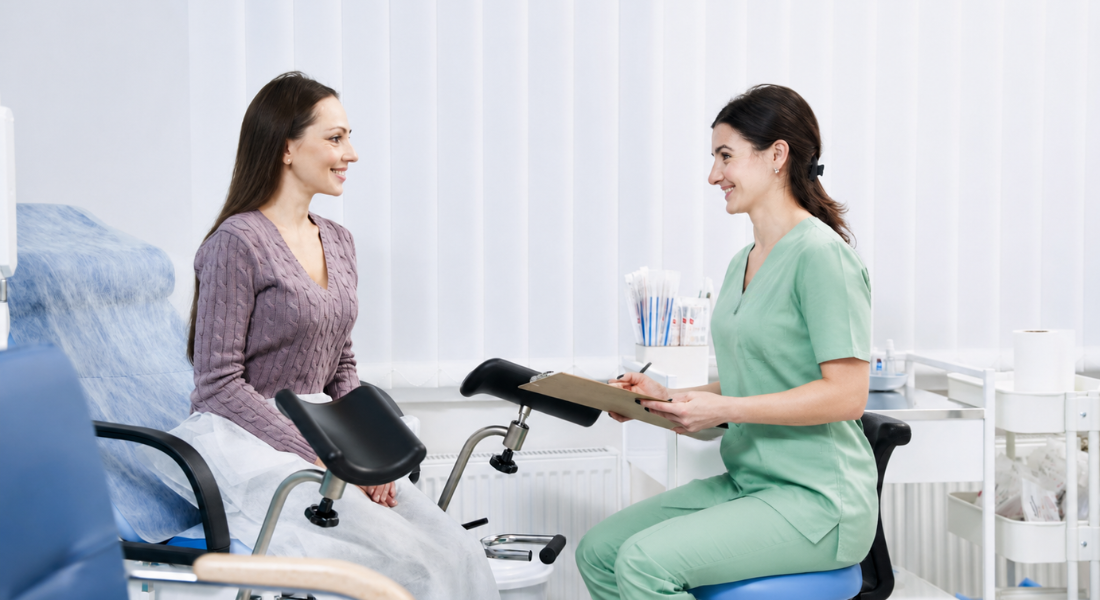
A colposcopy is generally not painful, although some parts of the examination may feel uncomfortable. You may feel pressure from the speculum, similar to a cervical screening, while the liquids used on your cervix can sometimes cause mild stinging.
If you need a cervical biopsy, you may feel a brief pinch, scratch or period-like cramp. You should tell your doctor or nurse if you feel significant pain, as they can pause the examination, adjust your position or use a smaller speculum to make you more comfortable.
What Happens During a Colposcopy?
During a colposcopy, your clinician examines your cervix closely using a magnifying instrument called a colposcope. You may be referred after cervical screening shows high-risk HPV with abnormal cell changes, persistent high-risk HPV or another cervical finding that needs further assessment.
You will have a speculum inserted into your vagina so your cervix can be seen clearly. Your clinician may apply special liquids to highlight areas that need closer examination and may take a small biopsy if necessary.
Which Part of a Colposcopy Is Most Uncomfortable?
You may find the speculum the most uncomfortable part of a colposcopy because it can create pressure or stretching as it is inserted and opened. If you usually find cervical screening or internal examinations uncomfortable, you may notice this more.
You are unlikely to feel anything from the colposcope itself because it remains outside your body and does not touch your cervix or vaginal tissues.
Does a Colposcopy Hurt More Than Cervical Screening?
A colposcopy does not necessarily hurt more than cervical screening, although it can take a little longer. Both examinations usually involve a speculum, so the pressure or stretching sensation may feel similar, but a colposcopy also involves applying liquids to the cervix and examining it closely with a colposcope.
If a biopsy is needed, you may notice an additional brief pinch, scratch or period-like cramp that you would not usually experience during routine cervical screening. Your experience can vary, so tell the colposcopy team if you are uncomfortable and ask them to pause or make adjustments if needed.
Does the Speculum Hurt?
You may find the speculum uncomfortable because it creates pressure or stretching, but it should not simply be assumed that you have to tolerate pain. You should tell your colposcopy team if the examination hurts, as they may be able to make adjustments to improve your comfort.
You can ask for a smaller speculum if this may be more comfortable, and the clinician may use a small amount of lubricant to help reduce discomfort. You may also find it easier if you relax your legs and pelvic-floor muscles, although this can be difficult if previous examinations have been painful.
Does the Colposcope Go Inside Your Vagina?
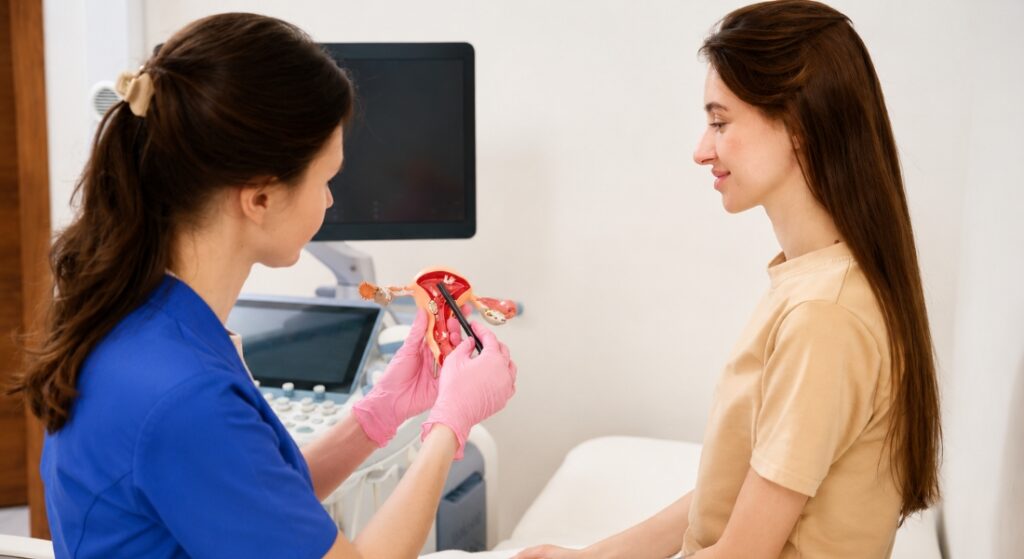
No, the colposcope does not go inside your vagina. It remains outside your body while your clinician uses its light and magnification to examine your cervix.
You will not feel the colposcope itself during the examination. The speculum is the instrument that stays inside your vagina and allows your clinician to see your cervix clearly.
Do the Liquids Applied to Your Cervix Sting?
Your clinician may apply special liquids to your cervix during a colposcopy to make abnormal areas easier to identify. Dilute acetic acid is commonly used, and an iodine solution may also be applied during some examinations.
You may notice mild stinging or tingling when the liquids are applied, but many people feel little or nothing. If you find the sensation uncomfortable, you can let your clinician know so they can reassure you and continue at a comfortable pace.
How Long Does the Examination Last?
A colposcopy examination usually takes around 10 to 20 minutes, although your overall appointment may be longer. Extra time is needed to discuss your screening results, explain the procedure and review the findings afterwards.
- Examination Time: The colposcopy itself generally takes around 10 to 20 minutes.
- Speculum Time: The speculum may not need to remain in place for the entire appointment.
- Closer Examination: Your clinician will spend time viewing your cervix and applying liquids that highlight areas needing further assessment.
- Biopsy May Add Time: Your appointment may take slightly longer if a cervical biopsy or additional assessment is required.
You should allow enough time for your clinician to explain each stage and answer any questions you have. The exact appointment length can vary depending on what is found and whether you need a biopsy or further treatment.
What Does a Cervical Biopsy Feel Like?
If your clinician sees an area that needs closer investigation, they may take a very small sample of cervical tissue, known as a cervical punch biopsy. You may feel a brief pinch, scratch or period-like cramp when the sample is taken.
You may experience very little discomfort, as everyone responds differently to the procedure. The biopsy itself is taken quickly, although the amount of discomfort varies between people. Tell your clinician if you experience significant pain rather than assuming that you need to tolerate it.
Is Local Anaesthetic Used for a Cervical Biopsy?
Small cervical punch biopsies are commonly performed without local anaesthetic in some colposcopy services, although practice can vary. If you are particularly concerned about biopsy pain, you can discuss pain-management options with your colposcopy team before or during the appointment.
If you need treatment such as LLETZ, the approach is different because a larger area of cervical tissue is removed. Local anaesthetic is routinely used for outpatient LLETZ to numb your cervix before treatment.
Research Insight
Randomised research has shown that injected local anaesthetic can reduce pain during cervical punch biopsy. In a 2017 trial involving 204 women, biopsy pain was significantly lower when local anaesthetic was used, although the anaesthetic injection itself caused brief discomfort.
However, a 2019 systematic review and meta-analysis of 11 randomised trials concluded that local anaesthetics reduced biopsy pain but that the overall evidence was not strong enough to recommend routine local anaesthetic for every colposcopy-guided biopsy. Whether anaesthetic is appropriate therefore depends on the procedure, clinical practice and your individual circumstances.
What If You Find the Biopsy Too Painful?
You should tell your clinician straight away if you experience significant pain during a biopsy. You do not have to remain silent simply because the procedure is expected to be brief.
You can ask your clinician to pause or stop the examination if you need a break. If further sampling or treatment is required, you can discuss your options and how your comfort can be managed before continuing.
Can You Have Period-Like Cramps Afterwards?
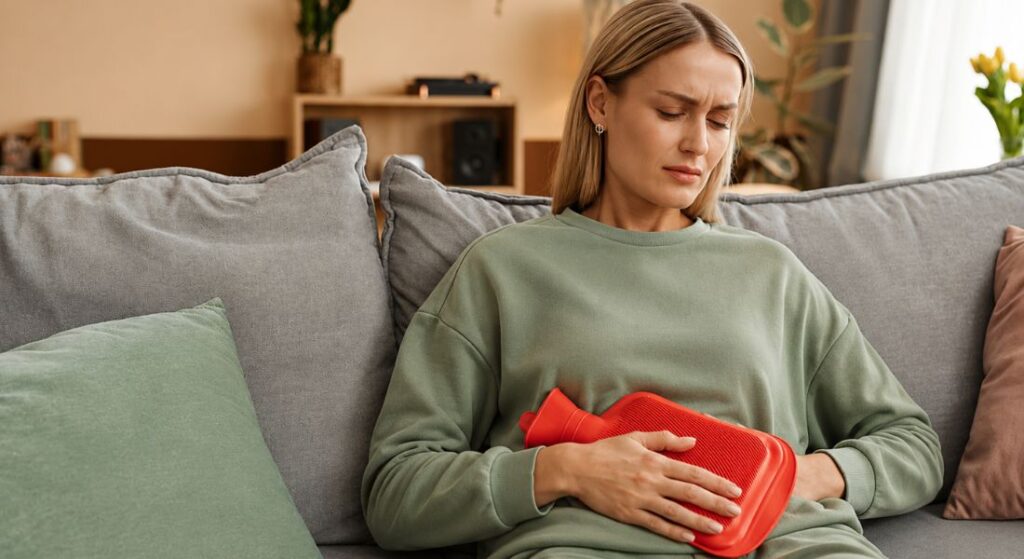
You may experience mild period-like cramps after a cervical biopsy, which can begin during the procedure or shortly afterwards. The discomfort usually settles as your cervix recovers.
You may find simple pain relief helpful if the cramps are uncomfortable. Paracetamol or ibuprofen may be suitable for you, but check with your clinician or pharmacist if you are pregnant, take other medicines or have a condition that affects which painkillers you can use.
Should You Take Pain Relief Before Your Appointment?
You may consider taking paracetamol or ibuprofen before your colposcopy if you normally take these medicines safely. This may help reduce discomfort during the examination and mild cramping afterwards.
Only take pain relief that is normally safe for you. If you are pregnant, take regular medicines or are unsure whether paracetamol or ibuprofen is suitable, ask your pharmacist, GP or colposcopy team for advice.
UK Guidance Note
Current NHS cervical-screening guidance advises telling the colposcopy team beforehand if you are concerned that the examination may be uncomfortable. If you normally find procedures painful, paracetamol or ibuprofen may be considered before the appointment when these medicines are suitable for you.
Current NHS England guidance also suggests contacting the clinic in advance if you need extra support. Depending on the service, you can ask about a longer appointment, bringing someone with you or other adjustments that may make the examination easier to manage.
Can Anxiety Make the Examination More Difficult?
You may feel anxious before a colposcopy, particularly if you are worried about your results or have previously found internal examinations uncomfortable. Feeling anxious can sometimes be associated with increased muscle tension and make an intimate examination feel harder to manage, particularly if you have experienced pain during previous examinations.
This does not mean that your discomfort is psychological. You can tell your colposcopy team about your concerns beforehand so they can explain each stage, give you time to relax and make adjustments where possible.
What If You Have Vulvodynia or Pelvic-Floor Pain?
You may find a speculum examination more uncomfortable if you have vulvodynia, vestibulodynia or an overactive pelvic floor because pressure around the vaginal entrance can trigger pain. Tell your colposcopy team about your condition before the examination so they can plan around your needs.
You can ask whether a smaller speculum, slower insertion or a different position may be suitable for you. You can also agree that the examination will pause if you become uncomfortable, so you remain in control throughout.
What If You Have Vaginal Dryness?
You may find a speculum examination more uncomfortable if you have vaginal dryness because the tissues can be more sensitive and there is less natural lubrication. This can be particularly common during and after menopause, although it can happen at other times too.
You can tell your colposcopy team about your dryness before the examination begins. The clinician may use a small amount of lubricant to help reduce discomfort during speculum insertion.
Can You Ask for the Colposcopy to Stop?
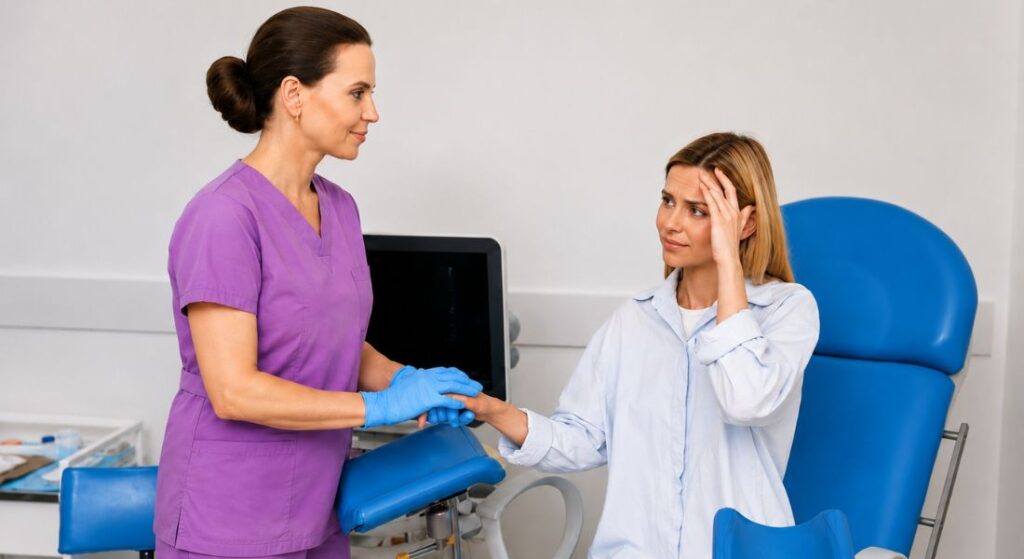
Yes, you can ask your colposcopy to stop or pause at any time, even after the examination has started. You remain in control of the procedure and can change your mind if you no longer feel comfortable.
You can also ask for time to relax, change your position or have the next step explained. Letting your colposcopy team know what you need can help make the examination more comfortable, particularly if you feel anxious or have previously experienced painful examinations.
Evidence Note
Colposcopy experiences differ considerably between patients. Current NHS guidance explicitly acknowledges that some people experience pain and advises telling the clinician so that they can try to make the examination more comfortable.
This is important because pain should not simply be treated as something you have to tolerate to complete the examination. Adjusting the speculum, allowing more time, changing position or stopping when necessary can all be discussed according to your needs.
How Will You Feel Immediately Afterwards?
You can usually return to your normal activities after a straightforward colposcopy, although you may prefer to rest briefly if you have cramping, anxiety or a biopsy. You may also notice some brownish discharge afterwards from the liquids used during the examination.
This discharge can look unusual but is generally expected after a colposcopy. You should not assume it means you have an infection or another problem.
What to Expect During and After a Colposcopy
| Stage | What you may feel or notice | What to know |
| Speculum insertion | Pressure, stretching or discomfort | Tell your clinician if it becomes painful; adjustments may be possible |
| Cervix examination | Usually little or no sensation | The colposcope remains outside your body |
| Application of liquids | Mild stinging or tingling | Many people feel very little |
| Cervical biopsy | Brief pinch, scratch or period-like cramp | The sensation is usually short-lived |
| Immediately afterwards | Mild cramping or tenderness | You can usually return to normal activities after a straightforward examination |
| After a biopsy | Light bleeding or brownish discharge | This can be expected during early recovery |
| Over the following few days | Mild cramps and light bleeding may continue | Symptoms should gradually improve |
| Concerning recovery symptoms | Worsening pain, very heavy bleeding or unpleasant-smelling discharge | These symptoms should be medically assessed |
How Long Can Bleeding Last After a Biopsy?
You may have light vaginal bleeding after a cervical biopsy, which usually settles within around three to five days. The exact duration can vary, so you should follow the aftercare advice provided by your colposcopy clinic.
While you are bleeding, you may be advised to avoid penetrative sex, tampons and vaginal medicines or creams. Your clinic can tell you when these activities are safe to resume based on the procedure you had.
When Is Pain After Colposcopy Not Normal?
You may have mild period-like cramps after a biopsy, but persistent or worsening abdominal pain should be assessed by a healthcare professional. You should also seek advice if your bleeding becomes heavy, continues unexpectedly or you develop unpleasant-smelling vaginal discharge.
Contact your colposcopy clinic, GP or NHS 111 if abdominal pain does not improve, keeps returning, or you develop unpleasant-smelling discharge or other signs of infection. Very heavy bleeding after a cervical biopsy or treatment requires urgent assessment.
How Can You Make Your Colposcopy More Comfortable?

You can tell the clinic beforehand if cervical screening or internal examinations are usually painful for you. You may be able to ask for a smaller speculum, extra time, a support person or suitable pain relief before the appointment.
You can also ask your colposcopy team to explain each step and pause if you become uncomfortable. Speaking openly about your concerns can help the team adapt the examination to your needs.
Myth vs Fact
| Myth | Fact |
| A colposcopy should never cause any discomfort. | Many people experience pressure or discomfort, and some people experience pain. |
| The colposcope goes inside your vagina. | The colposcope stays outside your body; the speculum goes inside. |
| You have to tolerate the examination once it has started. | You can ask for the procedure to pause or stop at any time. |
| Everyone finds the speculum equally uncomfortable. | Dryness, pelvic-floor tension, vulvodynia and previous experiences can affect comfort. |
| Every colposcopy requires a biopsy. | A biopsy is only taken if your clinician needs a tissue sample. |
| A cervical biopsy never hurts. | Some people feel little discomfort, while others experience a pinch, cramp or more noticeable pain. |
| Local anaesthetic is always used for punch biopsy. | Small diagnostic punch biopsies are commonly performed without it, although anaesthetic can reduce pain in selected circumstances. |
| Severe pain after biopsy is normal. | Persistent or worsening pain should be assessed. |
| Heavy bleeding is expected after a small biopsy. | Light bleeding is expected; very heavy bleeding needs medical attention. |
| Anxiety means the pain is psychological. | Anxiety can increase muscle tension, but physical discomfort remains genuine. |
Key Takeaways
- Colposcopy is often uncomfortable rather than severely painful, although experiences vary.
- The colposcope remains outside your body; the speculum is the instrument placed inside the vagina.
- A smaller speculum and a small amount of lubricant may help reduce speculum discomfort.
- Acetic acid or iodine may cause mild tingling or stinging.
- A cervical punch biopsy can cause a brief pinch, scratch or period-like cramp.
- Small punch biopsies are often performed without local anaesthetic, although local anaesthetic can reduce biopsy pain.
- You can tell the team about pain, ask for adjustments and request that the examination pauses or stops.
- Light bleeding after a cervical biopsy commonly settles within around three to five days.
- Persistent/worsening pain, unpleasant-smelling discharge or very heavy bleeding requires medical assessment.
Frequently Asked Questions
1. Is a colposcopy painful?
A colposcopy is usually more uncomfortable than painful, although your experience can vary. You may feel pressure from the speculum, while a cervical biopsy can cause a brief pinch or period-like cramp.
2. Does a cervical biopsy hurt?
A cervical biopsy may cause a quick pinch, scratch or cramp as the small tissue sample is taken. The discomfort is usually brief, but tell your clinician if you experience significant pain so they can pause or adjust the examination.
3. Can you take pain relief before a colposcopy?
Yes, you may be able to take paracetamol or ibuprofen before your appointment if these medicines are normally suitable for you. If you are pregnant, take other medicines or have a condition that affects which painkillers you can use, check with your healthcare professional first.
4. Can you ask for a colposcopy to stop if it hurts?
Yes, you remain in control of the examination and can ask your clinician to pause or stop at any time. You can also discuss using a smaller speculum, changing your position or allowing more time if previous examinations have been uncomfortable.
5. How long does pain last after a colposcopy?
You may experience mild period-like cramps or light bleeding for a few days after a cervical biopsy. These symptoms should gradually settle, but worsening pain, heavy bleeding or unpleasant-smelling discharge should be assessed by your healthcare provider.
Final Thoughts: What Can You Expect From a Colposcopy?
A colposcopy is usually more uncomfortable than painful, and understanding what will happen can make the experience feel more manageable. You can tell your clinician about any concerns, ask for adjustments and request a pause if you are uncomfortable at any stage.
If you are considering colposcopy in London, you can contact our team at Gynaecology Clinic London to discuss your referral, any concerns you may have and the support that may be appropriate for you.
References:
- NHS England (2026) ‘NHS cervical screening: Having a colposcopy’, GOV.UK. Available at: https://www.gov.uk/government/publications/cervical-screening-colposcopy/cervical-screening-having-a-colposcopy
- NHS (2022) ‘Colposcopy: What happens on the day’, NHS. Available at: https://www.nhs.uk/tests-and-treatments/colposcopy/what-happens/
- Royal Free London NHS Foundation Trust (2026) ‘Having a colposcopy’, Royal Free London NHS Foundation Trust. Available at: https://www.royalfree.nhs.uk/patients-and-visitors/patient-information-leaflets/having-a-colposcopy
- Kiviharju, M. et al. (2017) ‘Pain sensation during colposcopy and cervical biopsy, with or without local anesthesia: A randomized trial’, Journal of Lower Genital Tract Disease, 21(2), pp. 102–107. Available at: https://pubmed.ncbi.nlm.nih.gov/28157825/
- Mattar, O.M. et al. (2019) ‘The efficacy of local anesthetics in pain relief during colposcopic-guided biopsy: A systematic review and meta-analysis of randomized controlled trials’, European Journal of Obstetrics & Gynecology and Reproductive Biology, 237, pp. 189–197. Available at: https://www.sciencedirect.com/science/article/pii/S0301211519302118