




A colposcopy is a detailed examination of your cervix, usually recommended when cervical screening shows high-risk human papillomavirus (HPV) alongside abnormal cell changes, or when HPV remains present over time. It uses a colposcope, which provides magnified, well-lit views of your cervix while remaining outside your body, with a speculum gently placed inside your vagina.
Being referred for a colposcopy does not mean that you have cervical cancer. You may only need monitoring, while some people may be offered a small biopsy or treatment to remove abnormal cells, depending on what your clinician sees during the examination.
What Exactly Is a Colposcopy?
A colposcopy allows your clinician to examine your cervix closely using a colposcope, which provides a magnified and well-lit view. You may be offered this examination after cervical screening shows high-risk HPV with abnormal cell changes, or when high-risk HPV remains present over time and needs closer assessment.
The procedure is usually carried out by a trained doctor or specialist nurse in a hospital or specialist clinic. Your examination may take around 15 to 20 minutes, although your appointment can last longer depending on whether further assessment or a biopsy is needed.
Why Might You Be Referred After Cervical Screening?
You may be referred for a colposcopy after cervical screening detects high-risk HPV and abnormal cell changes. The colposcopy allows your clinician to examine your cervix more closely and determine whether further investigation or treatment is needed.
The aim is mainly preventive, not simply to look for cancer. You can have abnormal cervical cells that are identified and monitored or treated before they have the opportunity to develop into cervical cancer.
Can Persistent HPV Lead to a Colposcopy Referral?
Yes, you may be referred for a colposcopy if high-risk HPV remains present over repeated cervical screening tests, even when no abnormal cell changes have been detected. This is because persistent HPV can increase the likelihood of cervical cell changes developing over time.
If you have high-risk HPV without abnormal cells, you will generally be invited for repeat screening after one year. If HPV remains present after two years, you will usually be referred for colposcopy so your cervix can be examined more closely.
UK Guidance Note
In the NHS Cervical Screening Programme in England, high-risk HPV with abnormal cytology usually leads to colposcopy referral. If high-risk HPV is detected without abnormal cytology, repeat screening is generally arranged at 12 months and again at 24 months if HPV persists.
If high-risk HPV is still present at the 24-month test, referral to colposcopy is recommended even if cytology remains negative. This allows many temporary HPV infections time to clear while ensuring persistent infection receives closer assessment.
Can You Need Colposcopy for Reasons Other Than Screening?

Yes, you may be referred for colposcopy for reasons other than an abnormal screening result. You may also be referred for colposcopy if repeated cervical screening samples are inadequate or unavailable, or if your cervix looks unusual during an examination. A single inadequate screening result is usually repeated first rather than automatically leading to colposcopy.
You may also be referred if you experience persistent bleeding after sex or unexplained bleeding between periods. Cervical screening is a preventive test rather than a diagnostic test for symptoms, so you should have unusual bleeding assessed separately.
Does a Colposcopy Mean You Have Cervical Cancer?
No. A colposcopy referral does not mean that you have cervical cancer, and most people who attend a colposcopy clinic do not have cancer. You may be referred because your screening has detected HPV or cervical cell changes that need closer assessment.
Abnormal cells are not the same as cancer and may sometimes return to normal without treatment. If your clinician sees an area that needs further investigation, a biopsy can determine what changes are present and whether any treatment is needed.
Evidence Note
Colposcopy is primarily used to identify cervical cell changes before they develop into cancer. CIN and CGIN describe precancerous changes rather than cervical cancer itself, and treatment can remove higher-risk abnormalities before invasive disease develops.
This is why an abnormal screening result or colposcopy referral should not be interpreted as a cancer diagnosis. The purpose of the screening and colposcopy pathway is largely to identify people who need monitoring or preventive treatment.
How Should You Prepare for a Colposcopy?
You can usually eat and drink normally before your colposcopy unless your clinic gives you different instructions. You should read the appointment information carefully and follow any specific preparation advice provided.
Tell the clinic if you are pregnant or think you could be pregnant, as this may affect how your examination or any treatment is planned. You should also let your clinician know about medicines that affect bleeding and any relevant medical conditions.
Current NHS guidance advises avoiding penetrative vaginal sex for at least 24 hours before colposcopy and avoiding vaginal medicines, lubricants or creams because these can make the cervix more difficult to examine. You can usually still attend if you are having a period, although you can contact the clinic if you would prefer to rearrange.
Can You Have a Colposcopy During Pregnancy?
Yes, you can usually have a colposcopy during pregnancy if you have been referred after an abnormal cervical screening result. The examination can be carried out safely by an experienced colposcopist, although pregnancy-related changes to the cervix may make assessment more specialised.
Treatment for abnormal cervical cells is usually delayed until after you have given birth unless there is concern about possible cancer. Depending on your results, you may need further monitoring during pregnancy or another colposcopy after delivery.
What Happens When You Arrive?
When you arrive, your doctor or specialist nurse will explain your cervical screening result and why you have been referred for colposcopy. You can ask questions about the examination, possible biopsy or treatment before you give consent.
You may be asked about your previous screening, pregnancies, contraception, medicines and any symptoms you have noticed. Tell your clinician if you feel anxious or have found speculum examinations painful before, as they can explain each stage and help you feel more comfortable.
What Happens During the Examination?

You will usually undress from the waist down behind a screen and lie on an examination couch with your legs supported. A speculum is gently placed inside your vagina so your clinician can see your cervix.
The colposcope is positioned outside your body and provides a magnified view of your cervix. You may notice pressure from the speculum, and the examination can feel similar to cervical screening, although it may take a little longer.
Why Are Liquids Applied to Your Cervix?
During your colposcopy, your clinician may apply dilute acetic acid to your cervix. You may notice mild tingling or stinging, while areas of abnormal cells can temporarily appear white, helping your clinician identify where to look more closely.
An iodine solution may also be used because normal cervical cells absorb iodine differently from some abnormal areas. These colour changes help guide the examination. If an area requires tissue confirmation, your clinician may take a biopsy so it can be examined in the laboratory.
Is a Colposcopy Painful?
You may feel some discomfort from the speculum, particularly if it needs to remain in place for several minutes. The colposcope itself does not cause pain because it stays outside your body, although you may notice mild stinging from the examination liquids.
If you need a biopsy, you may feel a brief pinch, scratch or cramp as the sample is taken. Tell your clinician if you are in significant pain, as you can ask for a pause or for the examination to stop while adjustments are made.
What Is a Cervical Biopsy?
A cervical biopsy involves taking a very small sample of tissue from an area of your cervix that looks unusual during colposcopy. The sample is examined in a laboratory to identify whether abnormal cervical cell changes are present.
- Only Taken When Needed: You may not need a biopsy if your cervix looks normal or your clinician does not identify an area requiring further investigation.
- Small Tissue Sample: Your clinician removes a small amount of tissue from the area that needs closer examination.
- Laboratory Examination: A pathologist examines the sample under a microscope to determine the type and degree of any cell changes.
- Temporary Discomfort: You may feel a brief pinch or cramp during the biopsy and experience light bleeding or mild discomfort afterwards.
Your biopsy result can help determine whether you need monitoring, further assessment or treatment. Your clinician will explain what the findings mean and discuss the most appropriate next step for you.
Can Abnormal Cells Be Treated at the Same Appointment?
Sometimes, you may be offered treatment during the same colposcopy appointment if your clinician believes the abnormal cells are likely to require treatment. This approach is sometimes called “see and treat” and is generally reserved for selected higher-grade changes.
You may instead need a biopsy first, particularly when the changes are minor or uncertain. Your clinician can explain whether immediate treatment or waiting for the laboratory results is safer and more appropriate for you.
What Is LLETZ Treatment?
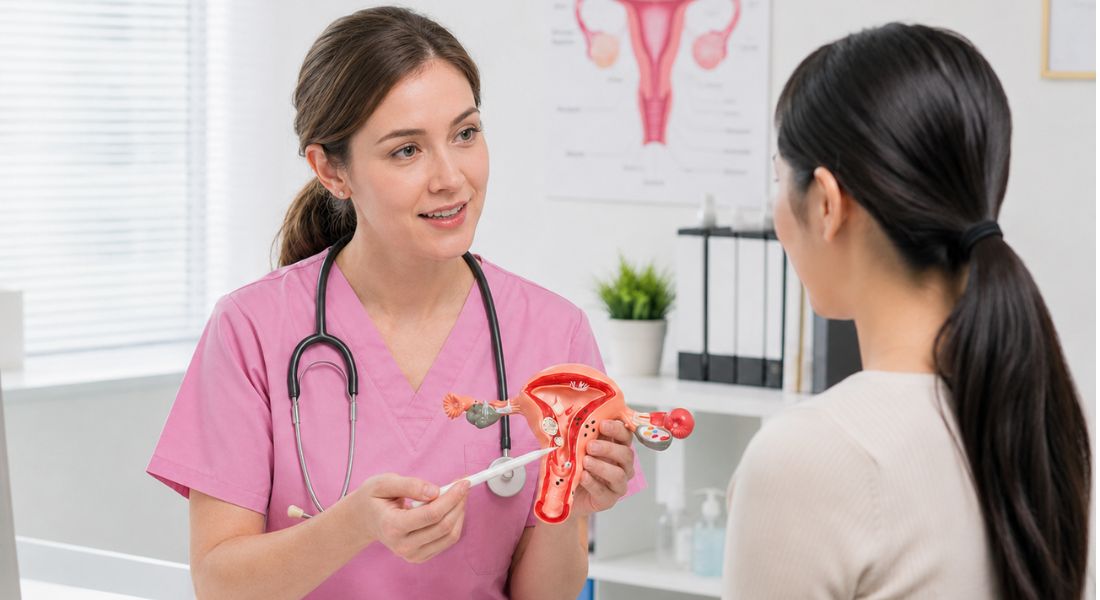
LLETZ stands for large loop excision of the transformation zone and is commonly used to treat higher-grade abnormal cervical cells. A thin wire loop carrying an electrical current is used to remove the affected tissue from your cervix, and you will usually receive local anaesthetic beforehand to reduce discomfort.
The removed tissue is sent to a laboratory for detailed examination, which confirms the type and extent of the cell changes. You can usually have LLETZ as an outpatient procedure and return home the same day.
What Do CIN1, CIN2 and CIN3 Mean?
CIN stands for cervical intraepithelial neoplasia and describes abnormal changes in the cells on your cervix. You can think of the numbers as showing the degree of abnormality, not the stage of cancer.
CIN1 is a low-grade change that often clears naturally, while CIN2 may sometimes be monitored in carefully selected cases. CIN3 is a higher-grade change that usually needs treatment, but you should remember that none of these results means that you have cervical cancer.
Research Insight
A systematic review and meta-analysis of 36 studies involving 3,160 women found that around half of untreated CIN2 lesions under active surveillance had regressed by 24 months. Regression was higher among women under 30, reaching approximately 60% at 24 months in the subgroup analysis.
Current NHS Cervical Screening Programme guidance therefore allows conservative management only in appropriately selected CIN2 cases with adequate assessment and regular six-monthly monitoring. If CIN2 has not resolved within 24 months, treatment should be offered.
What Is CGIN?
CGIN stands for cervical glandular intraepithelial neoplasia and affects the glandular cells inside your cervical canal. It is a precancerous change rather than cervical cancer, but these cells can be more difficult to see during a standard colposcopy.
You will usually need treatment if CGIN is confirmed, with the removed tissue examined carefully in the laboratory. Your follow-up may also differ from the monitoring used after treatment for squamous CIN.
What Happens After a Colposcopy?
If you only have the examination, you can usually return to your normal activities soon afterwards. You may notice mild discomfort or light discharge, while a biopsy can cause light bleeding or blood-stained discharge for several days.
If you have a biopsy or LLETZ, bleeding or discharge can last longer than after colposcopy alone. After LLETZ, some people experience bleeding for up to four weeks, and you may be advised to avoid penetrative sex, tampons, menstrual cups and strenuous exercise while the cervix heals. Follow the specific timeframe given by your clinic.
When and How Will You Receive Your Results?
If your cervix looks normal and no biopsy is needed, your clinician may explain the findings during your appointment and discuss your follow-up plan. If a biopsy is taken, you may wait around four to eight weeks for the laboratory results, although timings vary between clinics.
A longer wait does not necessarily mean that something serious has been found. Your results should explain whether the tissue was normal, showed CIN or CGIN, or needs treatment or further monitoring.
When Should You Seek Further Advice?

After a colposcopy or small biopsy, you may experience light bleeding and mild period-like discomfort. You should contact your clinic, GP or NHS 111 if bleeding becomes heavier than a heavy period, your discharge develops an unpleasant smell or your abdominal pain does not improve.
You should also make sure you understand your follow-up plan, which may involve routine screening, another colposcopy or treatment followed by an HPV test of cure. If you are considering a specialist colposcopy consultation in London, your previous screening results and medical history can help your clinician decide whether monitoring or treatment is appropriate.
Myth vs Fact
| Myth | Fact |
| Being referred for colposcopy means you have cervical cancer. | Most people referred do not have cervical cancer. |
| HPV-positive always means you go straight to colposcopy. | HPV with negative cytology is usually monitored first unless HPV persists. |
| One inadequate screening test automatically means colposcopy. | A single inadequate result is generally repeated; colposcopy referral is used after repeated inadequate or unavailable results or in specific points of the screening pathway. |
| The colposcope goes inside your vagina. | It remains outside the body; the speculum is inserted. |
| Colposcopy is always painless. | Many people tolerate it well, but some experience discomfort or pain. |
| Everyone needs a biopsy. | A biopsy is only taken when clinically appropriate. |
| CIN1, CIN2 and CIN3 are stages of cervical cancer. | They are grades of precancerous cervical cell change. |
| Every CIN2 result must immediately be treated. | Selected CIN2 cases can be monitored under strict criteria. |
| CIN3 is cervical cancer. | CIN3 is a high-grade precancerous change, not invasive cancer. |
| Everyone needs LLETZ. | Treatment depends on the findings and grade of abnormality. |
| You are fully healed immediately after LLETZ. | Cervical healing and discharge can continue for several weeks. |
Key Takeaways
- Colposcopy is a closer examination of the cervix using a magnifying instrument that remains outside the body.
- High-risk HPV with abnormal cytology generally leads to colposcopy referral, while persistent hrHPV with negative cytology can lead to referral at the 24-month stage.
- Being referred for colposcopy does not mean that you have cervical cancer.
- Avoid penetrative vaginal sex and vaginal medicines, lubricants or creams for at least 24 hours before the appointment unless your clinic advises otherwise.
- A biopsy is taken only when clinically appropriate.
- CIN1 is low grade, selected CIN2 can sometimes be monitored, and CIN3 usually requires treatment.
- LLETZ is commonly used to remove higher-grade cervical abnormalities.
- After treatment for CIN, an hrHPV test of cure is generally performed at six months.
- Heavy bleeding, unpleasant-smelling discharge or persistent/worsening pain after colposcopy or treatment requires medical advice.
Frequently Asked Questions
1. What is a colposcopy used for?
A colposcopy allows your clinician to examine your cervix in more detail after an abnormal cervical screening result or persistent high-risk HPV. It helps identify whether cervical cell changes need monitoring, a biopsy or treatment.
2. Does a colposcopy mean you have cervical cancer?
No, being referred for a colposcopy does not mean that you have cervical cancer. Most people referred to colposcopy do not have cancer, and many cervical cell changes can be monitored or treated before they become more serious.
3. Is a colposcopy painful?
You may feel pressure or discomfort from the speculum, similar to cervical screening. If a biopsy is taken, you may notice a brief pinch or cramping, but you can tell your clinician if you are uncomfortable so they can pause or adjust the examination.
4. What happens if abnormal cells are found during a colposcopy?
Your clinician may recommend monitoring if the changes are mild, or take a biopsy to understand the cells more clearly. Higher-grade changes may require treatment such as LLETZ to remove the abnormal area.
5. How long does it take to get colposcopy results?
Your clinician may explain the findings immediately if no biopsy is needed. If a biopsy is taken, results can take several weeks, depending on the laboratory and clinic, and the report will guide whether you need monitoring, further assessment or treatment.
Final Thoughts: What Should You Know About Colposcopy?
A colposcopy allows your clinician to examine your cervix more closely after persistent high-risk HPV or abnormal cervical cells have been identified. You may have a biopsy or treatment such as LLETZ if abnormal areas need further investigation or removal.
If you are considering colposcopy in London, you can contact our team at Gynaecology Clinic London to discuss what the assessment may involve and the next steps that may be appropriate for you.
References:
- NHS England (2026) ‘NHS cervical screening: Having a colposcopy’, GOV.UK. Available at: https://www.gov.uk/government/publications/cervical-screening-colposcopy/cervical-screening-having-a-colposcopy
- NHS England (2025) ‘Cervical screening: Programme and colposcopy management’, GOV.UK. Available at: https://www.gov.uk/government/publications/cervical-screening-programme-and-colposcopy-management
- NHS (2022) ‘Colposcopy: What happens on the day’, NHS. Available at: https://www.nhs.uk/tests-and-treatments/colposcopy/what-happens/
- British Society for Colposcopy and Cervical Pathology (2026) ‘Treatment at colposcopy’, BSCCP. Available at: https://www.bsccp.org.uk/information-about-colposcopy/treatment-at-colposcopy
- Tainio, K. et al. (2018) ‘Clinical course of untreated cervical intraepithelial neoplasia grade 2 under active surveillance: Systematic review and meta-analysis’, BMJ, 360, article k499. Available at: https://www.bmj.com/content/360/bmj.k499