



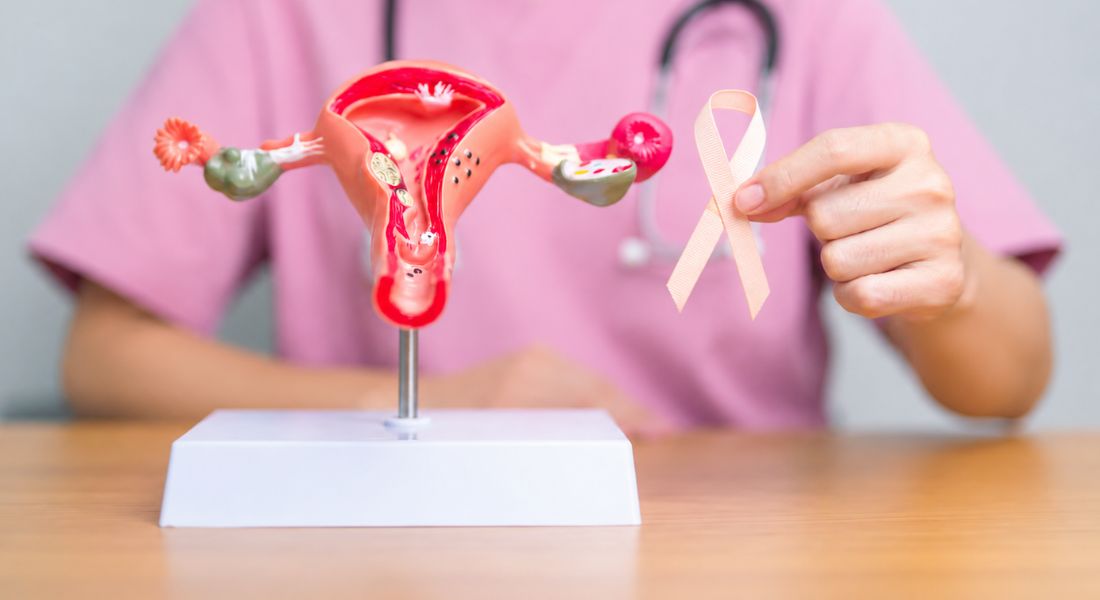
Gynaecological conditions can affect your periods, reproductive organs, hormones, pelvic floor, fertility and sexual health. You may experience symptoms such as heavy or painful periods, irregular bleeding, pelvic pain or unusual discharge.
Conditions such as endometriosis, adenomyosis, fibroids, ovarian cysts and polycystic ovary syndrome can cause overlapping symptoms, so the same symptom does not always point to one diagnosis. Understanding the common conditions can help you recognise when you should seek medical advice and explain your symptoms clearly to your GP or gynaecologist.
Heavy Menstrual Bleeding
Heavy menstrual bleeding means your periods are affecting your daily life because of the amount or duration of bleeding. You may need to change period products frequently, pass large clots or avoid normal activities because you are worried about leaking.
Heavy periods can occur with conditions such as fibroids, adenomyosis or uterine polyps, but they may also occur without a structural abnormality. Some medicines and bleeding disorders can also contribute. You should arrange an assessment if your bleeding has become much heavier, lasts longer than usual or leaves you feeling tired, weak, dizzy or breathless. If you have heavy menstrual bleeding, a full blood count should usually be arranged to check for anaemia. If your periods have been heavy since they began, or you have a personal or family history of abnormal bleeding, testing for a bleeding disorder may also be considered.
Painful Periods
Period pain is common because your womb contracts during menstruation, but pain that regularly affects your work, sleep, studies or daily activities should be assessed.
Painful periods can occur without another pelvic condition, but they may also be linked to endometriosis, adenomyosis, fibroids or pelvic inflammatory disease. You should seek medical advice if your usual pain pattern changes, becomes worse or occurs with painful sex, bowel symptoms or bladder discomfort.
Endometriosis
Endometriosis is a long-term condition where tissue similar to the lining of your womb grows elsewhere, usually within your pelvis. It may cause severe period pain, ongoing pelvic pain, pain during or after sex, or discomfort when opening your bowels or passing urine.
You may also experience fatigue, heavy bleeding or difficulty becoming pregnant. A normal ultrasound does not completely rule out endometriosis, so persistent symptoms may still need specialist assessment.
Evidence Note
NICE advises that endometriosis should not be ruled out because a pelvic examination or ultrasound appears normal. A transvaginal ultrasound is recommended when endometriosis is suspected, but referral may still be necessary when symptoms persist despite normal imaging.
Adenomyosis
Adenomyosis occurs when tissue similar to the lining of the womb is present within the muscular wall of the womb. It may cause increasingly painful or heavy periods, deep cramping, pelvic heaviness, bloating or pain during sex.
Its symptoms can overlap with endometriosis and fibroids, and more than one condition can occur together. Treatment may include pain relief, hormonal options or surgery, depending on your symptoms and future pregnancy plans.
Uterine Fibroids
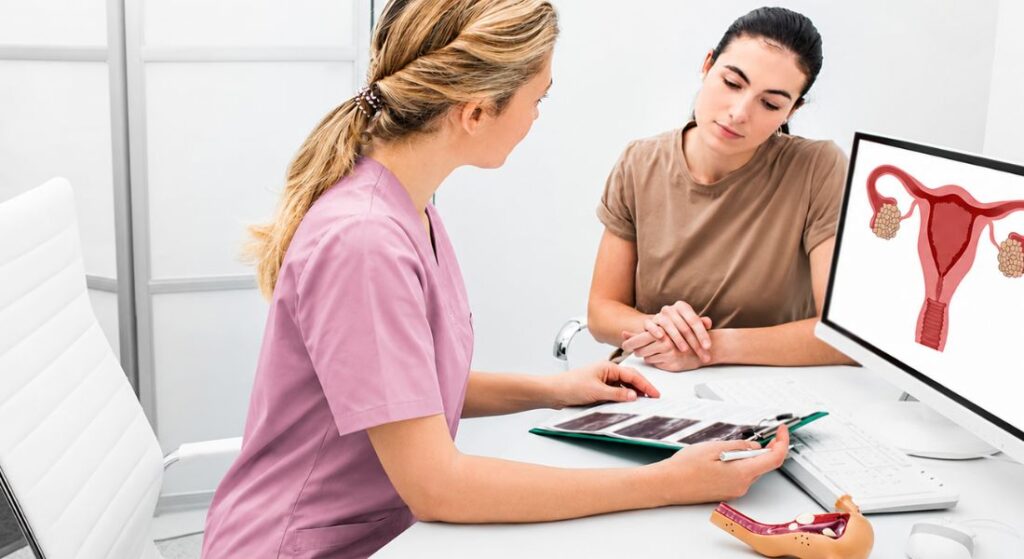
Fibroids are non-cancerous growths made from muscle and fibrous tissue that develop in or around your womb. Many people have no symptoms, but you may experience heavy or painful periods, pelvic pressure, abdominal swelling, lower back discomfort or pain during sex.
Depending on their size and location, fibroids can sometimes cause bladder pressure, urinary frequency or bowel symptoms such as constipation. Treatment depends on your symptoms and may include medication, hormonal treatments, procedures or surgery when fibroids significantly affect your daily life.
Polycystic Ovary Syndrome
Polycystic ovary syndrome (PCOS) is a hormonal condition that can affect ovulation and androgen levels. Common features include irregular or absent periods, excess facial or body hair, acne, scalp hair thinning or difficulty becoming pregnant, although symptoms vary. PCOS is also associated with metabolic risks, including impaired glucose regulation and type 2 diabetes, so longer-term health assessment may form part of your care.
Despite its name, you do not need to have ovarian cysts to have PCOS. Diagnosis is based on a combination of your menstrual pattern, signs or blood-test evidence of higher androgen activity and, where needed, ovarian findings, after other possible causes have been excluded. Ovarian findings are not required in every patient.
Which Gynaecological Conditions Can Cause Similar Symptoms?
Many gynaecological conditions share symptoms, which is why a diagnosis cannot usually be made from one symptom alone.
| Symptom or concern | Conditions that may be considered | Important point |
| Heavy periods | Fibroids, adenomyosis, polyps, hormonal causes, bleeding disorders | Persistent heavy bleeding can contribute to iron-deficiency anaemia and should be assessed if it affects daily life |
| Severe or worsening period pain | Endometriosis, adenomyosis, fibroids, pelvic inflammatory disease | Significant pain should not simply be assumed to be a normal period |
| Irregular or absent periods | PCOS, pregnancy, perimenopause, changes in weight or energy balance and other endocrine causes | The underlying cause should be assessed rather than diagnosing PCOS from irregular periods alone |
| Pelvic pain | Endometriosis, adenomyosis, ovarian cysts, PID and pelvic-floor problems | Sudden severe pain requires different assessment from chronic or cyclical pain |
| Unusual vaginal discharge | Thrush, bacterial vaginosis, sexually transmitted infections or PID | Colour, smell, itching, pain and sexual history help guide testing |
| Vaginal bulge or heaviness | Pelvic organ prolapse | Bladder and bowel symptoms can occur alongside the bulge |
| Bleeding between periods or after sex | Polyps, hormonal causes, infection and cervical changes or conditions | Unusual bleeding should be medically assessed |
| Bleeding after menopause | Several benign causes are possible, but cancer must be excluded | Any postmenopausal bleeding should be checked |
Ovarian Cysts
Ovarian cysts are fluid-filled sacs that develop on or within your ovaries, and many form naturally during your menstrual cycle and disappear without treatment. Larger cysts may cause one-sided pelvic pain, pressure, bloating, pain during sex or changes in your bladder and bowel habits.
Treatment depends on the cyst’s size, appearance, your age and symptoms. Sudden severe pelvic pain, or abdominal pain accompanied by nausea or vomiting, requires urgent medical assessment. Ovarian cysts can occasionally rupture or be associated with twisting of the ovary and interruption of its blood supply.
Pelvic Inflammatory Disease
Pelvic inflammatory disease, or PID, is an infection affecting your upper reproductive organs, including the womb, fallopian tubes, ovaries and surrounding pelvic tissues. You may experience lower abdominal pain, deep pain during sex, unusual discharge, bleeding between periods or after sex, fever or pain when passing urine.
PID is treated with antibiotics, and early treatment is important to reduce the risk of complications. Untreated or repeated infections can damage the fallopian tubes and increase your risk of chronic pelvic pain, fertility difficulties and ectopic pregnancy.
Vaginal Infections and Changes in Discharge

Your vaginal discharge naturally changes throughout your menstrual cycle, so not every change means you have an infection. However, a noticeable change in colour, smell or texture with itching, soreness or pain may need assessment.
Thrush can cause itching and thick white discharge, while bacterial vaginosis often causes thinner discharge with a noticeable odour. Sexually transmitted infections can also cause changes in discharge, so assessment or sexual-health testing may be appropriate when symptoms recur, do not respond to treatment or occur with pelvic pain, bleeding or possible STI exposure.
Vulval Skin Conditions
The vulva can be affected by several skin conditions that cause persistent itching, soreness, burning or visible skin changes. These symptoms should not automatically be assumed to be thrush, particularly when they keep returning or do not improve with usual treatment.
- Common Skin Conditions: Eczema, dermatitis and psoriasis can affect the vulval skin and cause irritation, dryness, soreness or cracking.
- Lichen Sclerosus: This condition can cause intense itching, pale fragile skin and changes that usually require prescription treatment and ongoing review.
- Persistent Symptoms: Repeated itching, burning or discomfort should be assessed if treatments for common infections have not helped.
- Visible Skin Changes: Arrange an examination if you notice a new lump, ulcer, persistent colour change or an area that does not heal.
An examination can help distinguish a skin condition from an infection or another gynaecological problem. Getting the correct diagnosis is important because different vulval conditions require different treatments and follow-up.
Cervical and Endometrial Polyps
Polyps are usually non-cancerous growths that can develop on your cervix or inside the lining of your womb. They may cause no symptoms, but you can experience bleeding between periods, bleeding after sex, heavy periods or irregular bleeding.
Your clinician may recommend an examination, ultrasound or hysteroscopy depending on where the polyp is located. Removal may be recommended according to the polyp’s location, symptoms, bleeding pattern, fertility considerations and whether the tissue needs to be examined in the laboratory.
Pelvic Organ Prolapse
Pelvic organ prolapse occurs when the muscles and supporting tissues in your pelvis weaken, allowing your bladder, womb, bowel or the top of your vagina after hysterectomy to move downwards. You may notice heaviness, dragging or a vaginal bulge, particularly after standing or physical activity.
Prolapse can also cause bladder or bowel difficulties, urinary leakage or changes in comfort during sex. Mild prolapse may be managed with pelvic floor physiotherapy, lifestyle changes or a vaginal pessary, while surgery may be considered when these options are not effective or suitable.
Urinary Incontinence and Pelvic Floor Problems
Urinary incontinence can cause leakage when you cough, laugh or exercise, or a sudden urgent need to pass urine. Pregnancy and childbirth can affect pelvic-floor function, while bladder symptoms and pelvic-floor problems can also change with age and around menopause.
Pelvic floor problems can also cause difficulty emptying your bladder or bowel, pelvic pressure or pain during sex. Treatment depends on the cause and may include pelvic health physiotherapy, bladder training, lifestyle changes, medication or specialist procedures.
Chronic Pelvic Pain
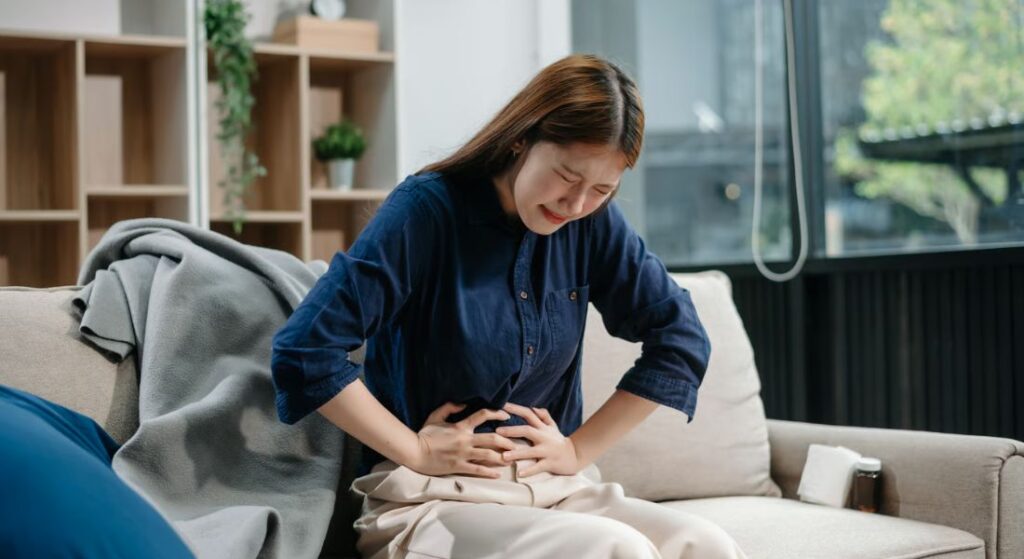
Chronic pelvic pain is pain in your lower abdomen or pelvis that persists or repeatedly returns for six months or longer. You may notice that it is constant or becomes worse during periods, sex, exercise, urination or bowel movements.
Possible causes include endometriosis, adenomyosis, pelvic inflammatory disease, bladder or bowel conditions and pelvic floor problems. Your treatment may involve gynaecology, pelvic health physiotherapy, pain management or psychological support, particularly when more than one factor is contributing to your symptoms.
Menopause and Perimenopause
Perimenopause is the period before menopause when your hormone levels begin to change. You may notice that your periods become irregular, heavier, lighter or less predictable, along with symptoms such as hot flushes, night sweats, sleep problems, mood changes or vaginal dryness.
You may also experience reduced sexual comfort or changes in bladder symptoms, although symptoms vary from person to person. Treatment can include lifestyle support, hormone replacement therapy or non-hormonal options, while any bleeding after menopause should always be medically assessed.
Fertility and Ovulation Problems
Fertility difficulties can sometimes be associated with gynaecological conditions such as PCOS, endometriosis, fibroids or pelvic inflammatory disease. You may have reduced ovulation or changes affecting your fallopian tubes or reproductive organs, but having one of these conditions does not mean you cannot become pregnant.
Your fertility assessment will consider your age, ovulation, fallopian tubes and your partner’s fertility where relevant. Depending on the cause, you may benefit from medicines, surgery or assisted conception, while some people become pregnant naturally without treatment.
Gynaecological Cancers and Important Warning Signs
Cancers affecting the womb, ovaries, cervix, vulva and vagina are less common than many benign conditions, but you should still be aware of persistent warning signs. You should arrange medical advice for unexplained bleeding between periods, bleeding after sex or any vaginal bleeding after menopause.
Arrange assessment if you develop persistent or frequent abdominal distension or bloating, feeling full unusually quickly, loss of appetite, pelvic or abdominal pain or increased urinary urgency or frequency, particularly if these symptoms are new for you.
UK Guidance Note
UK guidance emphasises that unusual vaginal bleeding should not be ignored. Bleeding between periods or after sex should be assessed, while any vaginal bleeding after menopause should be checked even when the amount is small or it happens only once.
NICE also highlights persistent abdominal distension or bloating, feeling full unusually quickly, loss of appetite, pelvic or abdominal pain and increased urinary urgency or frequency as symptoms that may require assessment for ovarian cancer, particularly when they are persistent or frequent. These symptoms often have non-cancerous causes, but ongoing symptoms should still be investigated appropriately.
How Are Gynaecological Conditions Diagnosed?
Your assessment usually starts with a detailed discussion about your symptoms, periods, bleeding, pelvic pain, contraception, pregnancy history and sexual health. Your clinician may also ask about bowel and bladder symptoms, previous operations and any treatments you have already tried.
Depending on your symptoms, you may need an examination, pregnancy test, urine test, infection swabs or blood tests. You may also have an ultrasound, while MRI or hysteroscopy can be useful for certain conditions, although your symptoms remain important even when routine tests do not show a clear cause. If an intimate examination is recommended, the clinician should explain why it may help, obtain your consent and offer a chaperone. You can ask questions, request that the examination stops at any time, or discuss alternatives if you are uncomfortable. You should also be told what the examination may involve before it begins.
Myth vs Fact
| Myth | Fact |
| Very painful periods are always normal. | Mild period discomfort is common, but severe, worsening or disabling pain can be associated with conditions such as endometriosis or adenomyosis and deserves assessment. |
| Every ovarian cyst needs surgery. | Many ovarian cysts resolve without treatment, and management depends on factors such as symptoms, size, appearance and menopausal status. |
| All unusual vaginal discharge means thrush. | Discharge can change normally during the menstrual cycle and can also be caused by bacterial vaginosis, sexually transmitted infections and other conditions. |
| Pelvic organ prolapse always needs surgery. | Many people manage symptoms with pelvic floor physiotherapy, lifestyle measures or a vaginal pessary. |
When Should You See a Gynaecologist?
You should consider a gynaecological assessment when your symptoms are persistent, worsening or repeatedly affecting your everyday life. Heavy or painful periods, ongoing pelvic pain, pain during sex, irregular bleeding, recurrent discharge, a vaginal bulge or fertility difficulties are all valid reasons for you to seek advice.
You need urgent medical assessment if you develop sudden severe pelvic pain, very heavy bleeding, repeated vomiting, fever or symptoms that are rapidly worsening. If pregnancy is possible, bleeding with a missed period or one-sided lower abdominal pain needs urgent assessment because an ectopic pregnancy must be excluded. Call 999 or attend A&E if you have severe abdominal or pelvic pain with fainting, marked dizziness, pallor or collapse.
Key Takeaways
- Many ovarian cysts are harmless, but sudden severe pelvic pain, particularly with nausea or vomiting, requires urgent assessment.
- Persistent unusual bleeding, vaginal discharge, pelvic pain, vulval changes or a vaginal bulge should not simply be ignored.
- Sudden severe pelvic pain or bleeding when pregnancy is possible can sometimes require urgent or emergency assessment.
- The appropriate investigation depends on your symptoms rather than every patient requiring the same tests.
Frequently Asked Questions
1. What are the most common gynaecological conditions?
Common conditions include heavy or painful periods, endometriosis, adenomyosis, fibroids, polycystic ovary syndrome, ovarian cysts, pelvic inflammatory disease and pelvic organ prolapse. Vaginal infections, vulval conditions and menopause-related symptoms are also frequently seen.
2. When should you see a gynaecologist about your symptoms?
You should consider an assessment when symptoms are persistent, worsening or affecting your everyday life. Heavy bleeding, severe period pain, ongoing pelvic pain, unusual bleeding, pain during sex or fertility difficulties may need medical assessment and, where appropriate, specialist advice.
3. Can you have more than one gynaecological condition at the same time?
Yes. Conditions such as endometriosis, adenomyosis and fibroids can occur together, and their symptoms can overlap. A detailed assessment can help identify which conditions may be contributing to your symptoms.
4. How are common gynaecological conditions diagnosed?
Your assessment may include a discussion of your symptoms, a pelvic examination, blood or urine tests, infection testing and ultrasound. Depending on your symptoms, further investigations such as magnetic resonance imaging or hysteroscopy may also be recommended.
5. When do gynaecological symptoms need urgent medical attention?
You should seek urgent medical advice if you develop sudden severe pelvic pain, very heavy bleeding, fainting, persistent vomiting or symptoms associated with a possible pregnancy. These symptoms can sometimes indicate a condition that needs prompt treatment.
Final Thoughts on Common Gynaecological Conditions
Gynaecological conditions can affect different areas of your health, from periods and pelvic pain to fertility, hormones and pelvic floor function. Because several conditions can cause similar symptoms, getting an appropriate assessment can help you understand what may be causing your symptoms and whether you need treatment or ongoing support.
If you would like specialist support, our team at Gynaecology Clinic London can assess your symptoms, discuss your concerns, and recommend the most appropriate investigations or treatment options based on your individual needs and circumstances.
References:
- National Institute for Health and Care Excellence (2017, updated 2024) ‘Endometriosis: diagnosis and management’. NICE guideline NG73. Published 6 September 2017; last updated 11 November 2024. Available at: https://www.nice.org.uk/guidance/ng73
- Royal College of Obstetricians and Gynaecologists (2023) ‘Endometriosis’. Published December 2023. Available at: https://www.rcog.org.uk/for-the-public/browse-our-patient-information/endometriosis/
- National Institute for Health and Care Excellence (2018, updated 2026) ‘Heavy menstrual bleeding: assessment and management’. NICE guideline NG88. Published 14 March 2018; last updated 7 July 2026. Available at: https://www.nice.org.uk/guidance/ng88
- Teede, H.J., Tay, C.T., Laven, J., Dokras, A., Moran, L.J., Piltonen, T.T., Costello, M.F., Boivin, J., Redman, L.M., Boyle, J.A., Norman, R.J., Mousa, A. and Joham, A.E. (2023) ‘Recommendations from the 2023 International Evidence-based Guideline for the Assessment and Management of Polycystic Ovary Syndrome’, Human Reproduction, 38(9), pp. 1655–1679. Available at: https://pubmed.ncbi.nlm.nih.gov/37580037/
- NHS inform (2025) ‘Ovarian cyst’. Updated 11 April 2025. Available at: https://www.nhsinform.scot/healthy-living/womens-health/middle-years-around-25-to-50-years/periods-and-menstrual-health/ovarian-cyst/
- NHS (2025) ‘Pelvic inflammatory disease’. Page last reviewed 17 December 2025. Available at: https://www.nhs.uk/conditions/pelvic-inflammatory-disease-pid/
- NHS (2024) ‘Vaginal discharge’. Page last reviewed 15 February 2024. Available at: https://www.nhs.uk/symptoms/vaginal-discharge/
- National Institute for Health and Care Excellence (2019) ‘Urinary incontinence and pelvic organ prolapse in women: management’. NICE guideline NG123. Published 2 April 2019. Available at: https://www.nice.org.uk/guidance/ng123
- National Institute for Health and Care Excellence (2021) ‘Pelvic floor dysfunction: prevention and non-surgical management’. NICE guideline NG210. Published 9 December 2021. Available at: https://www.nice.org.uk/guidance/ng210
- North Tees and Hartlepool NHS Foundation Trust (2026) ‘Chronic Pelvic Pain (CPP)’. Page last reviewed 17 March 2026; review due 4 June 2028. Available at: https://www.nth.nhs.uk/resources/chronic-pelvic-pain/
- National Institute for Health and Care Excellence (2015, updated 2026) ‘Menopause: identification and management’. NICE guideline NG23. Published 12 November 2015; last updated 15 April 2026. Available at: https://www.nice.org.uk/guidance/ng23
- National Institute for Health and Care Excellence (2015, updated 2026) ‘Suspected cancer: recognition and referral’. NICE guideline NG12. Published 23 June 2015; last updated 15 April 2026. Available at: https://www.nice.org.uk/guidance/ng12
- Royal College of Obstetricians and Gynaecologists (2021, updated 2025) ‘Postmenopausal bleeding – Poster’. Published February 2021; updated April 2025. Available at: https://www.rcog.org.uk/for-the-public/browse-our-patient-information/postmenopausal-bleeding-poster/
- NHS (2026) ‘Fibroids’. Page last reviewed 17 March 2026. Available at: https://www.nhs.uk/conditions/fibroids/
- East Kent Hospitals University NHS Foundation Trust (2025) ‘Lichen sclerosus’. Last reviewed January 2025; next review May 2028. Available at: https://leaflets.ekhuft.nhs.uk/lichen-sclerosus/html/
- North Bristol NHS Trust (2026) ‘Ectopic pregnancy’. Published 16 June 2026. Available at: https://www.nbt.nhs.uk/our-services/a-z-services/gynaecology/gynaecology-patient-information/ectopic-pregnancy