




Yes, pelvic organ prolapse can recur after surgery, and symptoms can also return after non-surgical management such as pelvic floor physiotherapy or when a vaginal pessary is removed. These situations are not identical because surgery aims to restore anatomical support, whereas physiotherapy and pessaries mainly help manage symptoms and support pelvic-floor function. Finding some prolapse again after surgery does not automatically mean that the operation was unsuccessful, because anatomical findings and symptom improvement do not always match.
A prolapse may return in the same area or develop in a different part of the vagina over time. Although treatment cannot eliminate every factor associated with pelvic-floor weakness, managing constipation and persistent coughing, remaining appropriately active and continuing pelvic-floor muscle training when it has been helpful may support long-term pelvic-floor health. These measures cannot guarantee that prolapse will not recur.
What Does Recurrent Pelvic Organ Prolapse Mean?
Recurrent pelvic organ prolapse usually refers to prolapse developing again after previous surgery. Symptoms can also return after non-surgical management, but this is different from postoperative anatomical recurrence. You may experience symptoms again in the same area or notice that a different part of your pelvic support has become affected over time.
You may notice a vaginal bulge, pelvic heaviness, bladder or bowel symptoms, or discomfort during everyday activities, although some recurrences are only identified during an examination. Further treatment is usually guided by your symptoms, examination findings, previous treatment and preferences rather than the anatomical finding alone.
Can Prolapse Return After Surgery?
Yes, pelvic organ prolapse can return after surgery because an operation restores support but cannot remove every biological or mechanical factor associated with prolapse. Recurrence risk varies according to the original prolapse, the operation performed, pelvic-floor anatomy, previous surgery and other individual factors.
Many patients experience meaningful improvement in prolapse symptoms after surgery, but no operation can guarantee permanent anatomical correction. If a prolapse does recur, you may not need another operation, as physiotherapy, a vaginal pessary or regular monitoring may be enough to manage your symptoms.
Can Prolapse Return in a Different Area?
Yes, prolapse can return in a different area because your vagina is supported by the front, back and top compartments, and support can later weaken in a compartment that was not originally treated. You may have treatment for one type of prolapse, but another part of your pelvic support may become affected later.
For example, you may have surgery for a bladder prolapse and later develop a uterine, vaginal vault or posterior vaginal wall prolapse. Your surgeon should assess the anterior, posterior and apical areas of support before surgery, although future prolapse in another compartment cannot always be predicted.
Does Recurrence Mean the Operation Failed?
No, finding some prolapse after surgery does not automatically mean that your operation has failed. You may have a small amount of vaginal wall descent on examination while still experiencing a significant improvement in the symptoms that originally affected your daily life.
Recurrent prolapse is more likely to require treatment when it causes a troublesome bulge, pressure, bladder or bowel symptoms or another meaningful effect on your quality of life. Your clinician will base any further treatment on how the prolapse affects you rather than on examination findings alone.
Can Symptoms Return After Pelvic Floor Physiotherapy?

Yes, symptoms can return after pelvic floor physiotherapy because the exercises improve the strength and coordination of your pelvic floor muscles but do not fully reverse stretching of the supporting ligaments and connective tissues. Pelvic-floor muscle training may improve symptoms without permanently correcting the underlying anatomical prolapse. NICE recommends considering supervised training for at least 16 weeks as a first option for symptomatic POP-Q stage 1 or stage 2 prolapse.
If a supervised programme has been beneficial, NICE advises continuing pelvic-floor muscle training afterwards. Symptoms may nevertheless change over time because prolapse is influenced by several anatomical and lifestyle factors. Returning symptoms do not necessarily mean you have done anything wrong, as pregnancy, ageing, constipation, weight changes and increased physical demands can all affect the support your pelvic floor needs.
What Happens After You Stop Using a Pessary?
A vaginal pessary supports your prolapsed organs while it is in place, but it does not permanently repair the weakened tissues causing the prolapse. If you stop using the pessary, you may notice the bulge, pressure or other symptoms returning because the underlying prolapse is no longer being supported.
This is different from prolapse returning after surgery, as the prolapse has not been permanently corrected by the pessary. A pessary can be used as a longer-term management option when it remains suitable and appropriate follow-up is available.
Why Can Pelvic Support Become Weaker Again?
Your pelvic organs are supported by muscles, ligaments and connective tissues that work together to keep them in place. The tissues surrounding a surgical repair continue to change over time, and the operation cannot restore every aspect of the original muscles, ligaments and connective tissue.
Ageing, previous childbirth, long-term stretching of connective tissues and other factors can all affect the strength of your pelvic support. While you cannot prevent every recurrence, you can support your general pelvic-floor health by staying active, managing constipation, avoiding unnecessary straining and following any pelvic floor exercise programme recommended for you.
Does the Original Severity Affect Recurrence?
A more advanced prolapse may involve greater weakness across several areas of your pelvis, which can make the repair more complex. Your surgeon may need to treat more than one compartment or provide additional support to the top of your vagina, depending on the type and extent of the prolapse.
Systematic reviews have identified more advanced preoperative prolapse as one of the more consistently demonstrated predictors of anatomical recurrence after surgery. Even with advanced prolapse, you can still achieve lasting symptom improvement after appropriate treatment.
Which Factors May Affect the Risk of Recurrent Prolapse?
Several factors may influence the likelihood of prolapse recurring, although none can predict exactly what will happen to an individual patient.
| Factor | How it may affect recurrence |
| More advanced prolapse before surgery | More extensive pelvic support weakness can make recurrence more likely |
| Previous prolapse surgery | Previous pelvic-floor surgery has been associated with an increased risk of further recurrence |
| Pelvic floor or childbirth-related tissue injury | Damage such as levator muscle avulsion can affect long-term pelvic support |
| Chronic constipation and straining | RCOG advises avoiding constipation as part of long-term prolapse management. However, constipation has not been as consistently established as an independent postoperative recurrence predictor in meta-analyses. |
| Persistent coughing | Repeated coughing increases pressure on the pelvic floor |
| Higher body weight | Additional abdominal pressure may contribute to greater strain on pelvic support |
| Heavy physical activity | RCOG advises avoiding heavy lifting where it aggravates prolapse, but evidence is insufficient to define a particular type or amount of physical activity that causes postoperative recurrence. |
| Future pregnancy and childbirth | Pregnancy may affect pelvic support after treatment, although evidence on recurrence after prolapse surgery remains limited |
RCOG identifies excess weight, constipation, long-standing cough and heavy physical activity as factors associated with a greater chance of recurrence, while meta-analyses have identified advanced prolapse, previous surgery and pelvic-floor anatomical factors as predictors.
Can Pregnancy Affect Prolapse After Treatment?

Pregnancy and childbirth place additional demands on the pelvic floor after prolapse treatment, but evidence about how much they increase postoperative recurrence risk is limited. Recurrence has been reported after pregnancy following uterus-preserving prolapse surgery, although available studies are small and varied, so an individual risk cannot be predicted reliably.
If you are planning another pregnancy, your clinician may recommend delaying prolapse surgery when it is safe to do so. If you become pregnant after treatment, you should discuss your previous prolapse and any surgery with your maternity team so they can advise you on the most appropriate care for your pregnancy and birth.
How Does Constipation Affect Recurrence?
Chronic constipation can increase the risk of prolapse symptoms returning because repeated straining places extra pressure on your pelvic floor and previously repaired tissues. If you regularly have hard stools or spend a long time pushing during bowel movements, this ongoing strain may affect your long-term pelvic support.
You can reduce this pressure by keeping your stools soft with enough fluid, fibre-rich foods and regular physical activity. If constipation continues despite these measures, you should seek medical advice, as treating the underlying problem can help protect your pelvic floor and improve your bowel function.
Can Chronic Coughing Increase the Risk?
Yes, chronic coughing can increase the risk of prolapse symptoms returning because every forceful cough raises pressure inside your abdomen and places repeated strain on your pelvic floor. Over time, this ongoing stress can weaken the muscles and connective tissues that support your pelvic organs.
You should speak to your GP if you have a persistent cough caused by asthma, smoking, reflux or another respiratory condition. Treating the underlying cause and stopping smoking, if appropriate, can reduce repeated pressure on your pelvic floor and support your long-term recovery.
Does Body Weight Affect Recurrent Prolapse?
Living with excess body weight can increase the pressure placed on your abdomen and pelvic floor during everyday activities, which may contribute to recurrent prolapse symptoms. If weight loss is appropriate for you, gradual and sustainable changes may reduce this pressure while also supporting your overall health.
Body weight is only one factor that can influence prolapse recurrence, and it should not be viewed as the only cause. You can develop recurrent prolapse regardless of your body size because factors such as ageing, childbirth, tissue quality and previous surgery also play an important role.
Should You Avoid Heavy Lifting?
You do not need to avoid heavy lifting or strength training permanently after prolapse treatment, as staying physically active is important for your overall health and independence. However, repeatedly lifting very heavy loads while holding your breath or straining can increase pressure on your pelvic floor.
You can reduce this pressure by using good lifting technique, keeping loads close to your body and breathing out during the most demanding part of the movement. If your job involves regular heavy lifting, you should ask a pelvic health physiotherapist for advice that is tailored to your daily activities.
Can Exercise Cause Prolapse to Come Back?

Exercise does not automatically cause prolapse to return, and staying active is an important part of maintaining your overall health. You can usually enjoy activities such as walking, swimming, cycling and resistance training once your recovery is complete and your clinician advises that it is safe.
Some high-impact activities or very heavy lifting may make your symptoms more noticeable, particularly if they consistently increase pressure on your pelvic floor. You should pay attention to how your body responds, and a pelvic health physiotherapist can help you adapt your exercise routine so you can stay active comfortably and confidently.
How Do Ageing and Menopause Affect Long-Term Support?
As you get older, your pelvic floor muscles and connective tissues naturally become less strong and elastic, which can gradually reduce the support provided to your pelvic organs. After menopause, lower oestrogen levels may also make your vaginal tissues thinner, drier and more sensitive, which can make prolapse symptoms or pessary use feel less comfortable.
If menopause-related vaginal dryness or irritation is affecting you, your clinician may recommend local vaginal oestrogen to improve the condition of your vaginal tissues. While this treatment can help relieve discomfort, it does not repair weakened pelvic support or prevent prolapse from returning.
Can Pelvic Floor Exercises Support Long-Term Management?
Regular pelvic floor exercises can help maintain the strength and coordination of the muscles that support your pelvic organs. However, they cannot guarantee that prolapse will not recur, and evidence is not strong enough to say that pelvic floor exercises prevent postoperative recurrence. They may help manage symptoms and support pelvic-floor function during everyday activities.
- Maintain Muscle Strength: Regular exercises can help your pelvic floor provide better support to your bladder, womb and bowel.
- Use the Correct Technique: Working with a pelvic health physiotherapist can help you learn how to contract and relax the right muscles effectively.
- Support Everyday Activities: Using your pelvic floor during coughing, lifting or exercise may help you manage increases in abdominal pressure.
- Continue Long-Term Practice: A maintenance programme can help you preserve the improvements gained through supervised physiotherapy.
Pelvic floor exercises are most helpful when they are performed correctly and continued consistently over time. They cannot remove every risk of recurrence, but they can form an important part of your long-term prolapse management.
What Symptoms Suggest That Prolapse Has Returned?
You may notice vaginal heaviness, dragging or the feeling that something is coming down, and you may see or feel a lump at the vaginal opening, particularly after standing for long periods, exercising or at the end of a busy day. You may also develop bladder symptoms such as urinary leakage, urgency, difficulty emptying your bladder or repeated urinary infections, while some people experience constipation or difficulty emptying their bowel.
These symptoms do not always mean your prolapse has returned, as other conditions can cause similar problems. You should arrange a pelvic examination if your symptoms persist or worsen, as this allows your clinician to confirm whether recurrent prolapse is present and identify which part of your pelvic support is affected.
How Is Recurrent Prolapse Assessed?
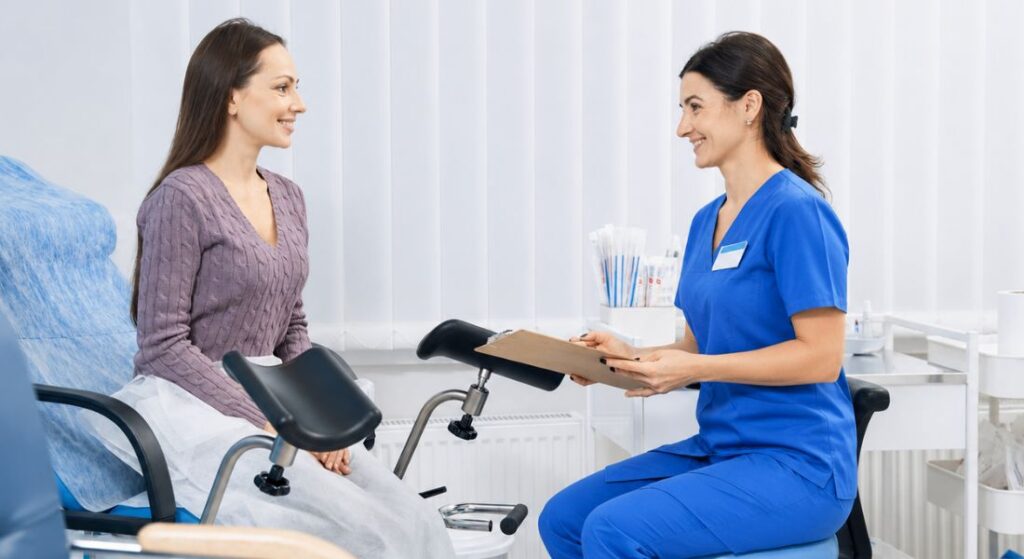
Your clinician will ask about the symptoms you have noticed, when they began and how they are affecting your daily life. You may also be asked about your bladder and bowel function, exercise, coughing, lifting, sexual activity and any pregnancies or treatments since your previous prolapse diagnosis.
You will usually need a pelvic examination so your clinician can assess the front, back and top of your vagina and identify which area is affected. If your symptoms suggest additional bladder or bowel problems, you may also need tests such as a urine test or bladder scan to help guide the most appropriate treatment.
How Is Recurrent Pelvic Organ Prolapse Treated?
Recurrent pelvic organ prolapse does not always require another operation. If your symptoms are mild, you may achieve good symptom control with pelvic floor physiotherapy, lifestyle changes or a vaginal pessary, particularly if you prefer to avoid further surgery.
If your symptoms significantly affect your quality of life, you may be offered another operation after a detailed assessment. Your surgeon will consider your previous procedures, the type of recurrent prolapse, your general health and your personal preferences before discussing the treatment options that are most suitable for you.
UK Guidance Note
NICE recommends that people who have undergone pelvic organ prolapse surgery should have access to further specialist referral if they develop recurrent symptoms or if a complication is suspected. Treatment should be based on your current symptoms, examination findings, previous surgery, overall health and personal preferences rather than anatomical findings alone.
NICE also recommends a review 6 months after prolapse surgery, including a vaginal examination, with appropriate further referral if symptoms subsequently recur.
Key Takeaways
- Pelvic organ prolapse can return after surgery in the same area or develop in another part of the vagina.
- Symptoms returning after physiotherapy or removal of a pessary are not the same as postoperative prolapse recurrence.
- A small amount of prolapse found during an examination does not necessarily mean that treatment has failed.
- Recurrence risk varies between individuals and may be influenced by the original prolapse, previous surgery, pelvic-floor tissue factors and ongoing pressure on the pelvic floor.
- Recurrent prolapse does not automatically mean you will need another operation.
- Pelvic floor physiotherapy, a vaginal pessary, lifestyle measures or monitoring may be appropriate when symptoms are manageable.
- Further surgery may be considered when recurrent symptoms significantly affect your quality of life and after your previous treatment and current prolapse have been carefully assessed.
Frequently Asked Questions
1. Can you develop pelvic organ prolapse again after surgery?
Yes. Surgery restores support to weakened tissues, but pelvic organ prolapse can return over time because of ageing, childbirth and ongoing pressure on the pelvic floor.
2. What factors increase your risk of recurrent pelvic organ prolapse?
Factors associated with postoperative recurrence include more advanced prolapse before surgery, previous pelvic-floor surgery and certain pelvic-floor anatomical factors. RCOG also advises managing constipation, persistent coughing, excess weight and heavy physical activity as part of long-term prolapse care, although the strength of evidence for individual recurrence factors varies.
3. Can you reduce the risk of pelvic organ prolapse returning?
Pelvic floor exercises, preventing constipation, managing a persistent cough and weight management when appropriate can support your pelvic-floor health. However, no lifestyle measure can guarantee that prolapse will not recur, and evidence that these measures directly prevent postoperative recurrence is limited.
4. How can you tell if pelvic organ prolapse has come back?
Common signs include a feeling of heaviness, a vaginal bulge, bladder or bowel problems, or discomfort during everyday activities. A pelvic examination is needed to confirm whether the prolapse has returned.
5. Will you always need another operation if pelvic organ prolapse returns?
No. Many people manage recurrent prolapse with pelvic floor physiotherapy, a vaginal pessary and lifestyle changes. Further surgery may be considered when recurrent symptoms significantly affect your quality of life, after your previous treatment and current prolapse have been carefully assessed. Physiotherapy, a pessary or monitoring may also remain appropriate options.
Final Thoughts: Managing Recurrent Pelvic Organ Prolapse
Pelvic organ prolapse can return after surgery, and symptoms managed without surgery can also become troublesome again over time. This does not automatically mean that you need another operation. The most appropriate management depends on your current symptoms, which area is affected, your previous treatment, general health and preferences. Pelvic floor physiotherapy, a vaginal pessary, monitoring or further surgery may all be considered after reassessment.
If you’re considering pelvic prolapse treatment in London, you can contact Gynaecology Clinic London to arrange a consultation with one of our consultant gynaecologists.
References:
- Royal College of Obstetricians and Gynaecologists (2013, updated 2022) ‘Pelvic organ prolapse’. Published March 2013; updated May 2022. Available at: https://www.rcog.org.uk/for-the-public/browse-our-patient-information/pelvic-organ-prolapse/
- National Institute for Health and Care Excellence (2019) ‘Urinary incontinence and pelvic organ prolapse in women: management’. NICE guideline NG123. Published 2 April 2019; last updated 24 June 2019. Available at: https://www.nice.org.uk/guidance/ng123
- Shi, W. and Guo, L. (2023) ‘Risk factors for the recurrence of pelvic organ prolapse: a meta-analysis’, Journal of Obstetrics and Gynaecology, 43(1), article 2160929. Available at: https://pubmed.ncbi.nlm.nih.gov/36645334/
- Schulten, S.F.M. et al. (2022) ‘Risk factors for primary pelvic organ prolapse and prolapse recurrence: an updated systematic review and meta-analysis’, American Journal of Obstetrics and Gynecology, 227(2), pp. 192–208. Available at: https://pubmed.ncbi.nlm.nih.gov/35500611/
- Andebrhan, S.B. et al. (2023) ‘Pelvic organ prolapse recurrence after pregnancy following uterine-sparing prolapse repair: a systematic review and meta-analysis’, International Urogynecology Journal, 34(2), pp. 345–356. Available at: https://pubmed.ncbi.nlm.nih.gov/35920935/
- National Institute for Health and Care Excellence (2021) ‘Pelvic floor dysfunction: prevention and non-surgical management’. NICE guideline NG210. Published 9 December 2021. Available at: https://www.nice.org.uk/guidance/ng210