



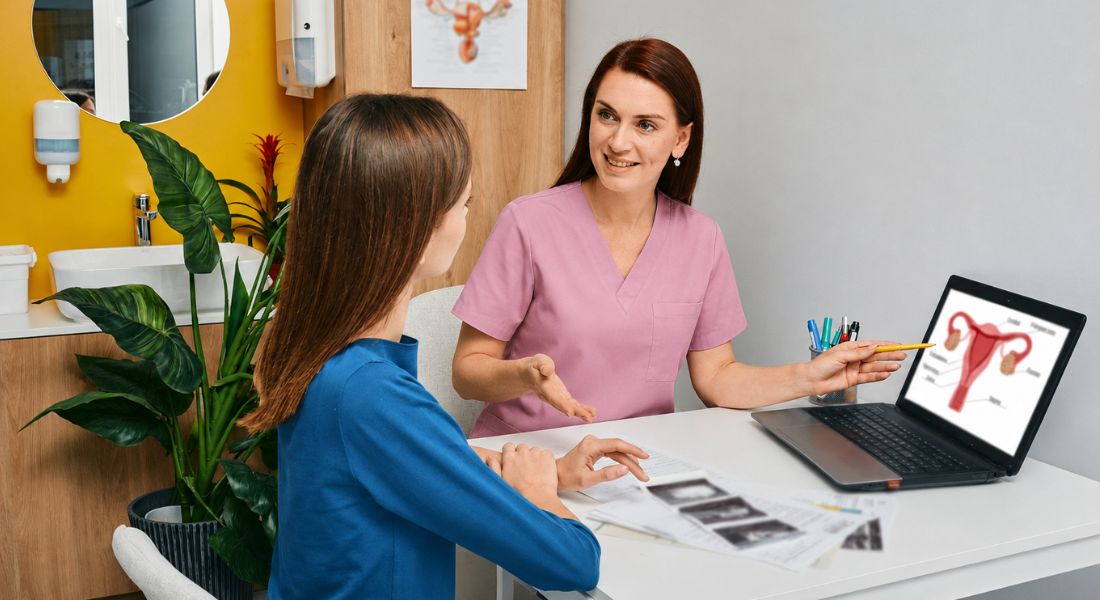
PCOS, now called polyendocrine metabolic ovarian syndrome or PMOS on current NHS pages, and endometriosis are different conditions that may affect your periods, fertility and daily wellbeing. PCOS is mainly linked to ovulation problems, androgen hormones and metabolic health, while endometriosis occurs when tissue similar to the womb lining grows outside the womb.
Some symptoms may overlap, including changes in bleeding, fertility difficulties and emotional distress. However, significant or cyclical pelvic pain is more characteristic of endometriosis and should not automatically be attributed to PCOS. You can also have both conditions at the same time, so having one diagnosis does not always explain every symptom you experience.
Understanding the differences can help you describe your symptoms more clearly and seek the right assessment. Your treatment will depend on which condition you have, the symptoms affecting you and whether you are planning a pregnancy.
What Is PCOS?
Polyendocrine metabolic ovarian syndrome, previously called polycystic ovary syndrome or PCOS, is a hormonal and metabolic condition that may affect ovulation, androgen activity and metabolic health. It may cause irregular or absent periods, acne, unwanted facial or body hair, scalp hair thinning and difficulty becoming pregnant because ovulation is less predictable.
Despite its previous name, PCOS does not mean that you have ovarian cysts that require removal or treatment. The small fluid-filled structures sometimes seen on ultrasound are usually developing ovarian follicles rather than true cysts, and you can still have PCOS even if your ovaries do not show this appearance on a scan.
What Is Endometriosis?
Endometriosis is a long-term condition in which tissue similar to the lining of the womb is present outside the womb. It commonly affects areas within your pelvis, including the ovaries, the tissue behind your womb and the lining of your pelvic cavity.
This tissue may be associated with inflammation, irritation and scar-tissue formation, leading to symptoms such as painful periods, pelvic pain, deep pain during or after sex, and pain when opening your bowels or passing urine, especially around your period. Symptoms can vary widely, with some people experiencing severe pain while others discover endometriosis during fertility investigations or surgery for another reason.
The Main Difference Between the Conditions
PCOS and endometriosis can both affect your periods, fertility and wellbeing, but they develop through different processes. Understanding these differences can help you recognise which symptoms may need further assessment.
- Underlying process: PCOS mainly affects ovulation, androgen activity and metabolic health, while endometriosis involves tissue similar to the womb lining growing outside the womb.
- Period pattern: PCOS is more commonly associated with irregular, infrequent or absent periods, whereas endometriosis is more commonly associated with painful periods and pelvic pain.
- Typical symptoms: Persistent acne and coarse facial or body hair are more closely associated with PCOS, while pelvic pain, painful sex and cyclical bowel or bladder symptoms are more typical of endometriosis.
- Possible overlap: You can have both conditions at the same time, so one diagnosis may not explain every symptom you experience.
Symptoms can vary considerably, and neither condition should be diagnosed from one symptom alone. Your clinician will consider your complete medical history, symptom pattern and investigation results before recommending treatment.
How PCOS Usually Affects Your Periods
PCOS commonly causes irregular, infrequent or absent periods because you may not ovulate regularly. Your cycles may become longer or unpredictable, and you may have no bleeding for several months.
When bleeding occurs after a long gap, it may be heavier or last longer because the womb lining may have built up over time. However, some people with PCOS have regular-looking periods, so predictable bleeding does not always mean that ovulation is happening normally. If you have long gaps between periods, you should discuss this with your clinician, as treatment may be needed to protect your womb lining.
How Endometriosis Usually Affects Your Periods
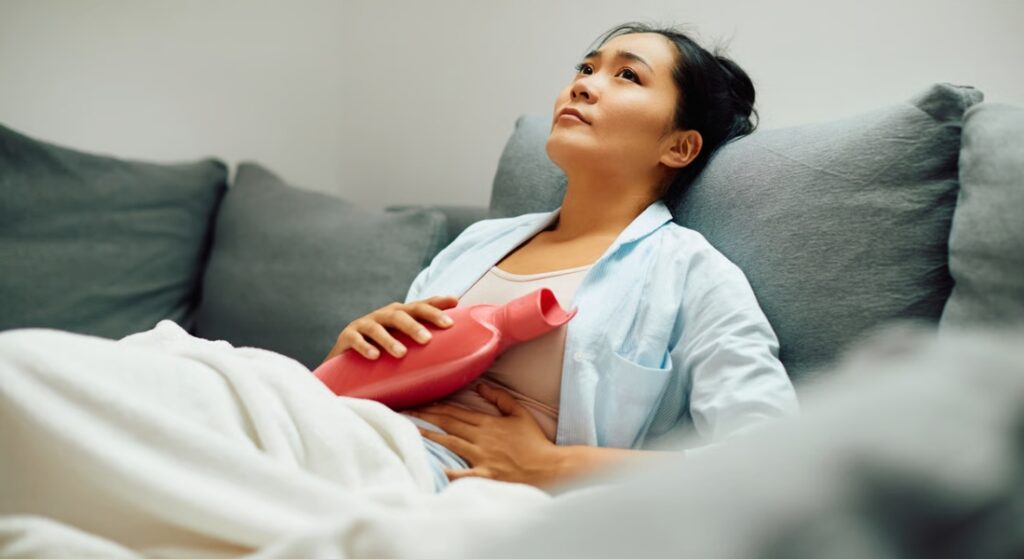
Endometriosis is commonly linked with painful periods that affect your work, education, sleep or daily activities. The pain may begin before your bleeding starts, continue throughout your period and remain even after your bleeding becomes lighter or has stopped.
Your periods may also be heavier, but heavy bleeding is not required for endometriosis to be present. You may experience a normal bleeding pattern while still having significant pelvic pain, painful sex or bowel and bladder symptoms that follow your menstrual cycle. If your period pain is becoming worse over time or no longer improves with treatments that previously helped, you should seek medical advice.
Pain Is Usually a More Prominent Feature of Endometriosis
Severe, worsening or cyclical pelvic pain is more characteristic of endometriosis than PCOS. You may experience deep cramping, stabbing sensations, pressure or pain that spreads to your back, hips, rectum or legs, particularly around your period.
Endometriosis can also cause pain during or after sex, as well as discomfort when opening your bowels or passing urine. You can have PCOS alongside menstrual cramps or another condition that causes pelvic pain. However, significant pelvic pain is not a defining feature of PCOS and requires its own assessment.
Acne and Unwanted Hair Are More Typical of PCOS
Higher androgen activity in PCOS may contribute to persistent acne, oily skin, coarse hair growth on areas such as your face, chest or abdomen and thinning hair around the front or top of your scalp. These symptoms are linked with hormonal changes and are common features of PCOS.
Acne and unwanted hair growth are not typical signs of endometriosis. However, you can still experience these symptoms for other reasons, and they should be discussed with your clinician, particularly when they occur alongside irregular periods. These changes can affect your confidence and emotional wellbeing, so they should be treated as genuine health concerns.
Bloating and Digestive Symptoms Can Occur in Both
Bloating and digestive symptoms are not defining features of PCOS, although you may experience them alongside the condition. Possible explanations include digestive disorders, dietary factors, constipation, medicines or another gynaecological condition, so persistent symptoms should not automatically be attributed to PCOS.
Bloating associated with endometriosis may become more noticeable before or during your period and can occur alongside symptoms such as constipation, diarrhoea, nausea, painful bowel movements or rectal pressure. Digestive symptoms alone cannot confirm either condition, but tracking whether they follow your menstrual cycle can help your clinician understand the pattern.
How Symptoms Commonly Differ Between PCOS and Endometriosis
Although symptoms vary from person to person, the following comparison shows which features are more commonly associated with each condition.
| Symptom | More Typical of PCOS | More Typical of Endometriosis |
| Irregular or absent periods | Yes | Less typical |
| Severe or worsening period pain | Less typical | Yes |
| Pelvic pain between periods | Not a defining symptom | Can occur |
| Acne and oily skin | Common | Not typical |
| Unwanted facial or body hair | Common | Not typical |
| Scalp hair thinning | Can occur | Not typical |
| Pain during or after sex | Not typical | Common |
| Cyclical bowel or bladder pain | Not typical | Can occur |
| Bloating | May occur but is not defining | May worsen around periods |
| Difficulty becoming pregnant | May result from irregular ovulation | May result from inflammation, scar tissue or pelvic changes |
The Conditions Have Different Suspected Causes
The exact cause of PCOS is not fully understood, but genetic, hormonal and metabolic factors are thought to contribute. The condition can run in families, while metabolic and hormonal factors may influence androgen activity and ovulation.
The cause of endometriosis is also not completely understood, with research suggesting that hormonal, immune, genetic and inflammatory factors may all be involved. Neither condition is caused by anything you have done, and understanding the differences can help you seek the right support and treatment for your symptoms.
Can You Have PCOS and Endometriosis Together?
Yes, you can have both PCOS and endometriosis at the same time. One condition does not prevent the other, and having both may contribute to a combination of irregular periods, pelvic pain and fertility concerns.
For example, PCOS may explain why your periods are irregular, while endometriosis may explain why your periods are very painful. If your symptoms continue despite treatment, you should speak to your clinician so they can consider whether another condition may also be affecting you.
Evidence Note
Studies show that PCOS and endometriosis can occur together, but the frequency is uncertain. Available studies use different populations, diagnostic methods and selection criteria, so a percentage found in one clinical group should not be applied to everyone. Persistent pelvic pain or fertility difficulties should not automatically be attributed to an existing PCOS diagnosis.
How PCOS Is Diagnosed
In adults, PCOS or PMOS is generally diagnosed when at least two of three recognised features are present after other possible causes have been excluded: irregular or absent ovulation, clinical or blood-test evidence of higher androgen activity, and polycystic ovarian morphology. In appropriate adults, either ultrasound or a serum AMH result may be used to define polycystic ovarian morphology, but AMH should not be used as a standalone diagnostic test.
You may not need ultrasound or AMH testing if you already have irregular periods and clear signs of androgen changes. Seeing multiple follicles on a scan does not confirm PCOS on its own. Your clinician may also arrange blood tests to assess hormones, blood glucose, cholesterol and other health factors linked with PCOS.
How Endometriosis Is Assessed and Diagnosed
Endometriosis assessment begins with a detailed discussion about your symptoms, including your pain pattern, periods, sex, bowel or bladder symptoms, fertility concerns and how the condition affects your daily life. Your clinician may use this information to decide which investigations are most appropriate for you.
An ultrasound or MRI may identify some forms of endometriosis, but a normal scan does not rule out the condition because some areas may not be visible. Laparoscopy can diagnose and treat visible endometriosis, but surgery is not always needed before starting treatment. Your care plan will depend on your symptoms, scan results, previous treatments and fertility goals.
UK Guidance Note
NICE advises offering a transvaginal ultrasound when endometriosis is suspected, even if examination findings are normal. A normal examination or ultrasound must not be used to exclude endometriosis. Referral to gynaecology may be required when initial treatment is ineffective, symptoms persist or recur, or the condition affects daily activities. Suspected endometrioma, deep endometriosis or disease outside the pelvis requires referral to a specialist endometriosis service.
Why Ultrasound Findings Can Be Confusing
An ultrasound can help assess both PCOS and endometriosis, but the findings are different. In PCOS, ultrasound may show polycystic ovarian morphology, including an increased follicle number or ovarian volume. In endometriosis, imaging may identify an ovarian endometrioma or features of deep disease, but superficial endometriosis may not be visible.
A normal ovarian ultrasound does not exclude PCOS when the other diagnostic features are present. Similarly, a normal pelvic ultrasound does not exclude endometriosis. Your clinician will interpret your scan alongside your symptoms, medical history and examination because imaging results alone do not provide a complete diagnosis.
How PCOS Can Affect Fertility
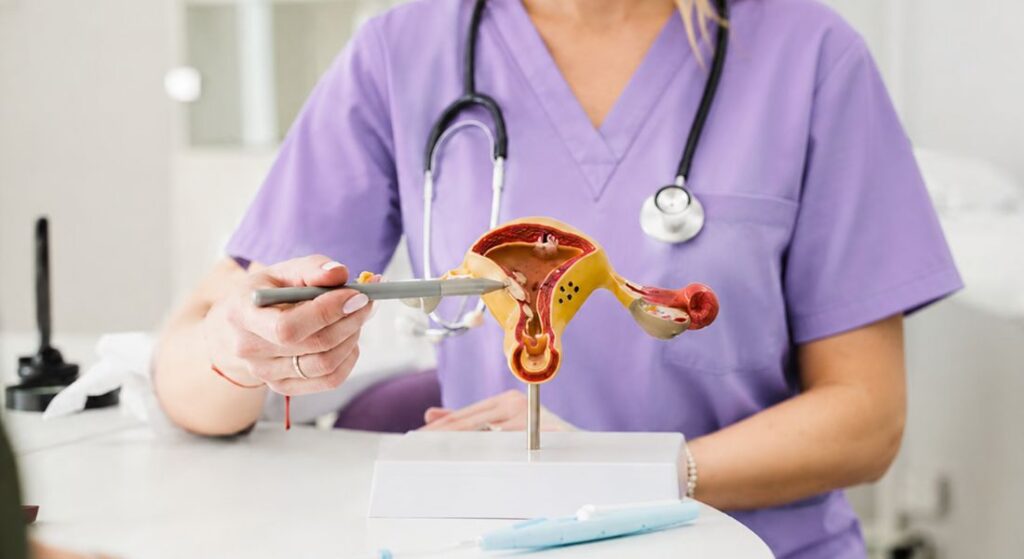
PCOS may make conception more difficult when irregular ovulation means that an egg is released less often or unpredictably. When your cycles are long or unpredictable, it can also be more difficult for you to identify when you are most fertile.
Having PCOS does not mean that pregnancy is impossible. Many people conceive naturally, while others may benefit from medicines that help you ovulate. A fertility assessment should also consider other factors, including your age, fallopian tubes, womb health and your partner’s fertility.
How Endometriosis Can Affect Fertility
Endometriosis may affect fertility through inflammation, scar tissue, ovarian endometriomas or changes around your fallopian tubes and ovaries. These factors may affect the relationship between the ovaries and fallopian tubes or influence the pelvic environment involved in conception.
Having endometriosis does not mean you cannot become pregnant. Your fertility outlook depends on factors such as your age, ovarian reserve, the location of the disease and how long you have been trying to conceive. Treatment decisions, including whether surgery is appropriate, should be based on your individual circumstances and fertility goals.
Treatments Commonly Used for PCOS
PCOS treatment depends on the symptoms you want to manage and your health goals. Hormonal contraception may make bleeding more predictable and improve acne or unwanted hair, while progestogen treatment or a hormonal intrauterine system can help protect your womb lining if your periods are very infrequent.
Metformin may be considered for insulin resistance or metabolic concerns, alongside lifestyle support focused on balanced eating, movement, sleep and emotional wellbeing. If pregnancy is your goal, ovulation-induction medicines such as letrozole may be recommended when irregular ovulation is the main fertility issue.
Treatments Commonly Used for Endometriosis
Endometriosis treatment aims to reduce your pain, improve your quality of life and support your fertility goals. Pain relief and hormonal treatments, such as combined contraception, progestogen methods or other specialist hormonal therapies, may help control symptoms.
Hormonal treatments can reduce pain and suppress bleeding, but they usually prevent pregnancy while you are using them. They do not permanently cure endometriosis. Surgery may be considered in selected cases to remove visible endometriosis or scar tissue, although symptoms can return and the potential benefits and risks should be discussed carefully.
Treatment When You Are Trying to Conceive
Fertility treatment differs between PCOS and endometriosis because the main challenges are often different. PCOS usually involves helping you ovulate regularly, while endometriosis may require assessment of your pelvis, ovaries and fallopian tubes alongside other fertility factors.
If PCOS is affecting ovulation, ovulation-induction medicines may help you conceive. With endometriosis, options may include expectant management, surgery or assisted conception such as IVF, depending on your age, symptoms, ovarian reserve, tubal and sperm factors, and how long you have been trying. IUI may be considered only in selected cases according to the full fertility assessment and local guidance. Hormonal treatments used to control endometriosis symptoms generally prevent pregnancy while you are taking them.
When Should You Seek Specialist Assessment?
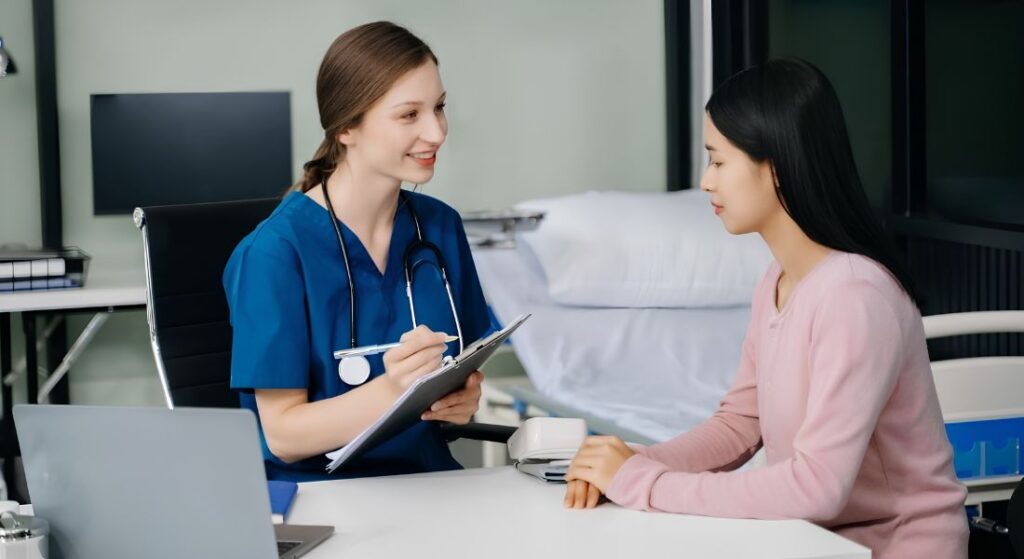
You should arrange an assessment if your periods are persistently irregular, absent, extremely painful or unusually heavy. You should also seek advice if you experience unwanted hair growth, ongoing acne, deep pain during sex, bowel or bladder symptoms linked with your cycle or difficulty becoming pregnant.
Seek urgent medical attention if you develop sudden severe pelvic pain, fainting, fever, persistent vomiting, very heavy bleeding or pelvic pain when you may be pregnant. Call 999 or attend A&E if the pain is severe, you faint or you feel seriously unwell. These symptoms may be linked with urgent conditions such as an ectopic pregnancy, ovarian torsion, a cyst complication or a significant infection.
Myth vs Fact
| Myth | Fact |
| PCOS and endometriosis are the same condition. | PCOS mainly affects ovulation, androgen activity and metabolic health, while endometriosis involves endometrial-like tissue outside the womb. |
| PCOS always causes ovarian cysts. | The ultrasound features are usually follicles, and they are not required for every diagnosis. |
| Endometriosis always causes heavy bleeding. | Significant pain can occur even when bleeding appears normal. |
| A normal ultrasound rules out both conditions. | PCOS may be diagnosed without ultrasound, and superficial endometriosis may not be visible. |
| You cannot have both conditions. | PCOS and endometriosis can occur together. |
| Either condition means you cannot become pregnant. | Both may affect fertility, but many people conceive naturally or with appropriate treatment. |
Frequently Asked Questions
1. What is the main difference between PCOS and endometriosis?
PCOS mainly affects ovulation, hormones and metabolic health, often causing irregular periods, acne and unwanted hair growth. Endometriosis is an inflammatory condition that commonly causes painful periods, pelvic pain and pain during or after sex.
2. Can you have PCOS and endometriosis at the same time?
Yes. You can have both conditions together. PCOS may explain irregular periods, while endometriosis may cause severe pelvic pain or painful periods, so one diagnosis does not rule out the other.
3. Which condition is more likely to cause severe period pain?
Endometriosis is more commonly linked with severe period pain that can affect your daily life or continue outside your period. Although some people with PCOS experience menstrual cramps, severe pelvic pain is not considered a typical feature of the condition.
4. Can both PCOS and endometriosis affect fertility?
Yes. PCOS can make it harder to conceive because ovulation is irregular, while endometriosis may affect the ovaries, fallopian tubes or surrounding pelvic tissues. The right fertility treatment depends on your individual circumstances.
5. How are PCOS and endometriosis diagnosed?
Diagnosis is based on your symptoms, medical history and appropriate investigations. Your clinician may recommend blood tests, an ultrasound or other assessments, depending on which condition is suspected. A normal scan does not always rule out either condition.
Final Thoughts: Getting the Right Assessment and Treatment
PCOS and endometriosis can both affect periods and fertility, but their typical symptoms, diagnosis and treatment are different. Irregular cycles, acne or unwanted hair may suggest PCOS, while severe or cyclical pelvic pain is more characteristic of endometriosis. Because the conditions can occur together, persistent or unexplained symptoms deserve a complete assessment rather than being attributed automatically to one diagnosis.
If you’re considering Polycystic Ovary Syndrome treatment in London, you can contact Gynaecology Clinic London to arrange a consultation with a consultant gynaecologist.
References:
- NHS (2026) ‘Polyendocrine metabolic ovarian syndrome (PMOS)’. Page last reviewed 30 June 2026. Available at: https://www.nhs.uk/conditions/polyendocrine-metabolic-ovarian-syndrome-pmos/
- National Institute for Health and Care Excellence (2026) ‘Polyendocrine Metabolic Ovarian Syndrome (PMOS)’. NICE guideline in development GID-NG10436. Draft guidance consultation: 1 July–11 August 2026; expected publication 9 December 2026. Available at: https://www.nice.org.uk/guidance/indevelopment/gid-ng10436
- National Institute for Health and Care Excellence (2017, updated 2024) ‘Endometriosis: diagnosis and management’. NICE guideline NG73. Published 6 September 2017; last updated 11 November 2024. Available at: https://www.nice.org.uk/guidance/ng73
- National Institute for Health and Care Excellence (2026) ‘Fertility problems: assessment and treatment’. NICE guideline NG257. Published 31 March 2026. Available at: https://www.nice.org.uk/guidance/ng257
- Teede, H.J. et al. (2023) ‘Recommendations from the 2023 international evidence-based guideline for the assessment and management of polycystic ovary syndrome’, The Journal of Clinical Endocrinology & Metabolism, 108(10), pp. 2447–2469. Available at: https://academic.oup.com/jcem/article/108/10/2447/7242360
- Becker, C.M. et al. (2022) ‘ESHRE guideline: endometriosis’, Human Reproduction Open, 2022(2), article hoac009. Available at: https://academic.oup.com/hropen/article/2022/2/hoac009/6537540
- Schliep, K.C. et al. (2023) ‘Examining the co-occurrence of endometriosis and polycystic ovarian syndrome’, AJOG Global Reports, 3(3), article 100259. Available at: https://pmc.ncbi.nlm.nih.gov/articles/PMC10472311/
- Kaveh, M. et al. (2026) ‘Epidemiological study and clinical consequences of endometriosis and PCOS co-occurrence in a clinical population of women: a cross-sectional study’, BMC Women’s Health, 26(1), article 182. Available at: https://pmc.ncbi.nlm.nih.gov/articles/PMC13032341/