



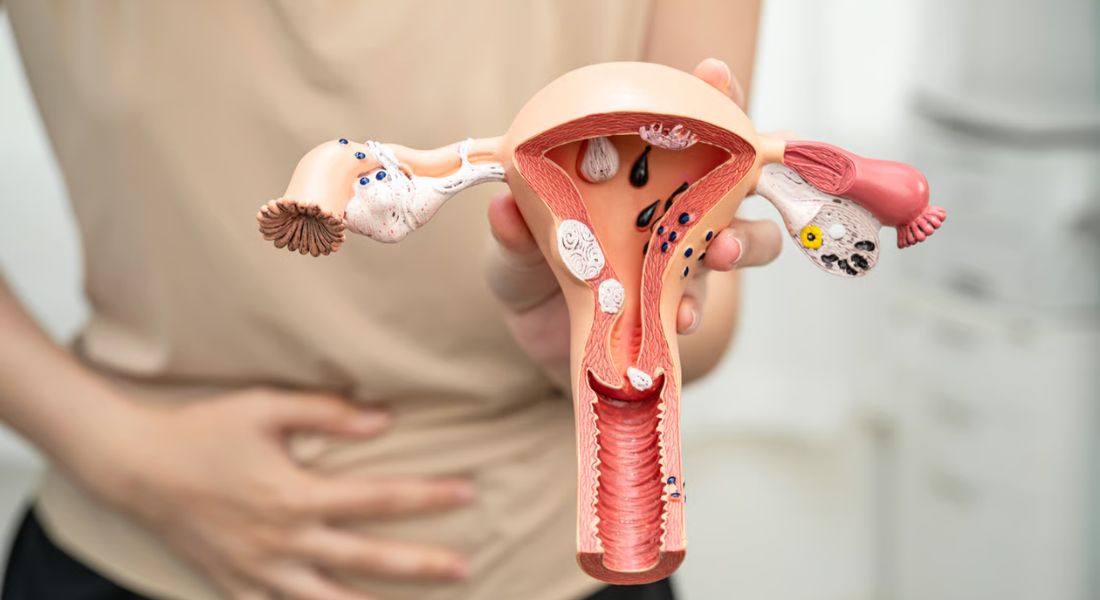
Polyendocrine metabolic ovarian syndrome, previously called polycystic ovary syndrome or PCOS, is a hormonal, metabolic and reproductive condition that may affect your periods, ovulation, fertility, skin, hair growth and long-term health. While some symptoms may remain mild, others may persist, change over time or be associated with additional health concerns when they are not assessed appropriately.
Treatment does not always involve medication. Your care may include regular health checks, lifestyle support, symptom monitoring or treatments such as hormonal contraception, metformin or fertility support when needed. The important step is ensuring that your symptoms and individual health risks are assessed so that you can receive appropriate monitoring or treatment when needed.
PCOS Does Not Affect Everyone in the Same Way
PCOS can affect you in different ways, and you may not experience every recognised symptom. You might mainly notice irregular periods and acne, while another person may be more affected by unwanted hair growth, metabolic concerns or difficulty becoming pregnant.
Your symptoms can also change throughout your life. The concerns affecting you during adolescence may differ from those that become relevant later, such as fertility, pregnancy planning, metabolic health or menopause-related changes. Because PCOS varies widely, your risks and treatment needs should be assessed individually rather than assuming the condition will affect you in the same way as someone else.
What Does Untreated PCOS Mean?
Leaving PCOS untreated does not necessarily mean choosing not to take medication. Some people need prescribed treatment, while others may mainly need regular health checks, lifestyle support, symptom monitoring or help with specific concerns such as irregular periods, acne or fertility.
The greater concern is allowing important symptoms or health risks to remain unassessed. For example, long gaps between periods may require womb-lining protection, while changes in blood glucose, blood pressure, sleep or emotional wellbeing may need appropriate monitoring and support.
Health Checks That May Be Recommended for PCOS
| Health check or assessment | Why it may be recommended | When to discuss it |
| Period and bleeding review | To identify long gaps between periods and assess whether the womb lining needs protection | If periods are very irregular, absent, unusually heavy or unpredictable |
| Blood glucose testing | To assess impaired glucose regulation or type 2 diabetes; routine insulin measurements are not recommended for monitoring PCOS | At diagnosis and usually every one to three years afterwards, depending on your individual risk factors |
| Blood pressure check | To identify high blood pressure that may not cause noticeable symptoms | At least annually and when planning pregnancy or fertility treatment |
| Cholesterol and triglyceride testing | To assess blood-fat changes linked with metabolic and cardiovascular health | At diagnosis, with later testing based on the results and your wider cardiovascular risk |
| Fertility assessment | To investigate irregular ovulation and other factors that may affect conception | When you are planning pregnancy or experiencing difficulty conceiving |
| Sleep assessment | To assess symptoms that may suggest obstructive sleep apnoea at any body size | If you experience loud snoring, breathing pauses, morning headaches or daytime tiredness |
| Emotional wellbeing review | To recognise anxiety, depression, body-image concerns or eating difficulties | Whenever symptoms affect your mood, relationships, work or daily life |
| Pregnancy planning review | To discuss medication safety, folic acid, metabolic health and pregnancy monitoring | Before conception; consider blood pressure and an OGTT. If the OGTT was not done, it may be offered at the first antenatal visit and again at 24–28 weeks. |
Irregular Periods May Continue

PCOS commonly affects ovulation, which means that an egg may not be released regularly. This can lead to longer cycles, unpredictable bleeding, very infrequent periods or missing periods for several months.
Without appropriate support, this pattern may continue and affect your ability to predict your periods. After a long gap, bleeding may sometimes be heavier because the womb lining has had more time to build up. A clinician can help you understand whether PCOS is causing your symptoms and whether your periods need treatment or monitoring.
The Womb Lining May Become Too Thick
When you ovulate regularly, progesterone helps control the growth of the lining inside your womb. With PCOS, irregular ovulation may mean that the womb lining is exposed to oestrogen for longer without regular progesterone exposure, allowing it to build up over time.
- Long gaps between periods: Missing periods for several months can mean that your womb lining is not being shed regularly.
- Endometrial hyperplasia: Over time, the lining may become unusually thick, which is known as endometrial hyperplasia.
- Possible treatment: Your clinician may recommend hormonal contraception or prescribed progestogen to protect your womb lining.
- Medical assessment: You should seek advice if you have very infrequent periods, unexpected bleeding or unusually heavy bleeding.
Long gaps between periods should not be ignored, even if they are not causing discomfort. Reviewing long gaps between periods and using prescribed cycle regulation or progestogen treatment where appropriate may help protect the womb lining.
The Risk of Womb Cancer May Increase
Some forms of untreated endometrial hyperplasia can progress to endometrial cancer, although the level of risk depends on the type of hyperplasia present. PCOS is associated with an increased risk of endometrial cancer, particularly when your periods remain very infrequent for a long time and the womb lining is not regularly shed.
This does not mean that you will develop cancer if you have PCOS. The overall likelihood remains low, and appropriate cycle regulation or prescribed progestogen treatment may reduce an important modifiable risk. You should seek medical advice if you experience bleeding between periods, bleeding after sex, very heavy bleeding or unexpected bleeding after menopause, as these symptoms should always be assessed.
Evidence Note
PCOS is associated with a higher risk of endometrial hyperplasia and endometrial cancer before menopause, particularly when long-standing absent periods or persistent thickening of the womb lining are present. However, the overall likelihood remains low, and routine screening for endometrial cancer is not recommended solely because you have PCOS. Preventive strategies may include cycle regulation and prescribed progestogen treatment.
Ovulation May Remain Irregular
PCOS can affect the way your ovaries develop and release eggs, meaning you may ovulate during some cycles but not others. This can make your periods unpredictable and make it harder to know when you are most fertile.
Irregular ovulation may affect fertility and reduce the regular progesterone exposure that helps regulate the womb lining, but it does not mean you cannot become pregnant. You may still ovulate unexpectedly before your next period, so you should use contraception if you do not want to become pregnant.
PCOS May Make Conception More Difficult
When ovulation occurs less frequently or unpredictably, there may be fewer opportunities for conception during a given period. This can make it take longer for you to become pregnant and make it more difficult to identify your fertile days.
PCOS is a common cause of ovulation-related fertility difficulties, but it does not mean that you are permanently infertile. Many people with PCOS conceive naturally, while others may benefit from treatments that help you ovulate. If your periods are very irregular or absent and you want to become pregnant, consider seeking advice early so that your ovulation and other fertility factors can be assessed.
Fertility Concerns May Become More Time-Sensitive
Delaying fertility assessment does not necessarily make your PCOS worse, but ovarian reserve and egg quality naturally change with age. Having PCOS does not protect you from the natural changes in fertility that occur as you get older.
If irregular ovulation is identified early, you have more time to discuss options such as lifestyle support, ovulation-induction medicines and other fertility treatments. You do not need to begin treatment simply because you have PCOS, but understanding your reproductive health can help you make informed choices when planning a pregnancy.
Insulin Resistance May Remain Unrecognised or Progress
Insulin helps move glucose from your bloodstream into your cells so it can be used for energy. Insulin resistance is common in PCOS, although it is not present to the same degree in everyone. It occurs when the body’s cells respond less effectively to insulin.
Your body may produce more insulin to compensate, and higher insulin levels may contribute to increased androgen activity, irregular ovulation and impaired glucose regulation. Insulin resistance may develop without obvious symptoms, so regular health checks can help identify concerns early and support appropriate management.
Your Risk of Type 2 Diabetes May Increase
PCOS is linked with a higher likelihood of insulin-related problems, impaired glucose regulation and type 2 diabetes. The risk is increased across the PCOS population, including at lower body weights, although factors such as family history, higher weight, previous gestational diabetes and lower activity levels may add to your individual risk.
Type 2 diabetes can develop slowly, and you may not notice symptoms at first. Regular blood glucose checks can help identify changes early, allowing you and your clinician to discuss lifestyle support or treatment that can improve your long-term health.
Cholesterol and Blood Pressure May Be Affected
PCOS may be associated with less favourable blood-fat levels, including changes in cholesterol and triglycerides, as well as higher blood pressure. These changes may not cause noticeable symptoms, which means they can remain undetected without regular health checks.
Your cardiovascular risk depends on several factors, including your age, smoking status, activity levels, diet, body weight, diabetes risk and family history. Monitoring blood pressure and blood-fat levels may help identify concerns before they cause noticeable symptoms.
Cardiovascular Risk Factors Need Ongoing Review
PCOS is associated with several factors that can affect your cardiovascular health, including insulin resistance, type 2 diabetes, high blood pressure and unhealthy cholesterol levels. If these concerns are not monitored, they may contribute to a higher risk of future heart and blood-vessel problems.
Having PCOS does not mean that you will definitely develop heart disease, a heart attack or a stroke. Your individual risk depends on factors such as your age, family history, smoking, blood pressure, glucose levels and cholesterol. Regular health checks and supportive changes to your diet, activity, sleep and overall wellbeing can help you manage these risks.
Fatty Liver Disease May Be Overlooked
Insulin resistance and metabolic changes linked with PCOS may increase the likelihood of fat building up in your liver. This is often known as metabolic dysfunction-associated steatotic liver disease or fatty liver disease.
The condition often causes no symptoms, although some people may experience tiredness or discomfort in the upper-right side of the abdomen. You do not automatically need extensive liver testing because you have PCOS, but your clinician may recommend further assessment if you have diabetes, metabolic risk factors or abnormal liver test results.
Acne and Unwanted Hair May Persist
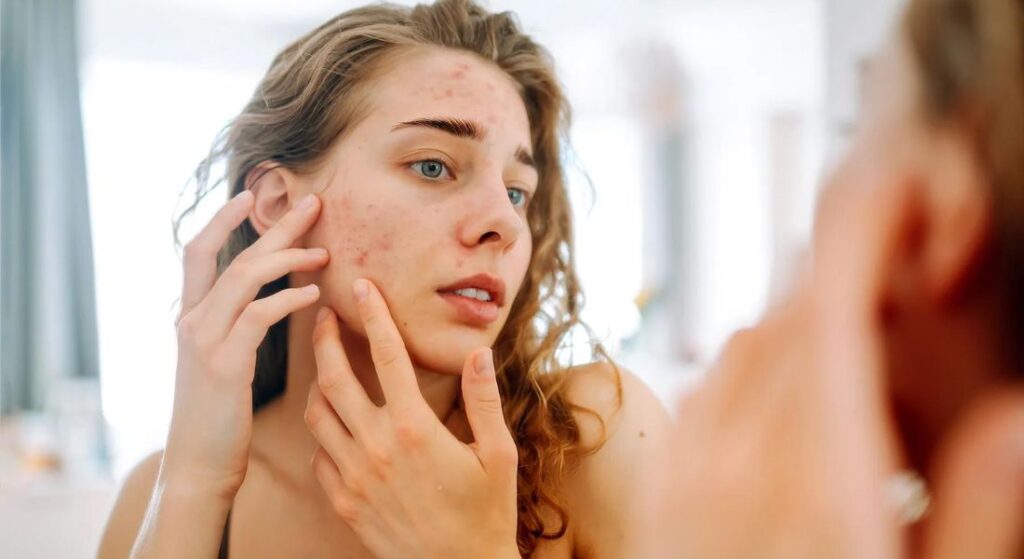
Higher androgen activity in PCOS can cause persistent acne, oily skin, coarse facial or body hair and thinning hair on your scalp. Without treatment, these symptoms may continue or become more noticeable, which can affect how you feel about yourself and your confidence.
These changes are not medically dangerous in themselves, but they can affect your emotional wellbeing and quality of life. Discuss hormonal treatment, dermatological care or hair-removal methods with your clinician. Anti-androgens require effective contraception when pregnancy is possible, and improvements usually take time.
Sleep Apnoea May Remain Undiagnosed
Signs can include loud snoring, gasping or choking during sleep, morning headaches and severe daytime tiredness. If you notice these symptoms, you should speak to your GP because untreated sleep apnoea can affect your blood pressure, heart health, mood and overall quality of life.
Obstructive sleep apnoea causes breathing to repeatedly stop and restart during sleep. PCOS is associated with a higher prevalence of sleep apnoea independently of body mass index, although higher weight may add to the risk for some people.
Weight-Related Difficulties May Become Harder to Manage
PCOS does not affect your weight in the same way for everyone, but insulin resistance, tiredness, poor sleep and emotional stress can make weight management more difficult. Repeated restrictive diets may also create cycles of weight loss and regain that are difficult to maintain.
Weight changes can increase your risk of metabolic concerns such as diabetes, high blood pressure and sleep apnoea, but your care should not depend only on weight loss. You can benefit from support with balanced eating, regular activity, sleep and emotional wellbeing, while medical weight-management options may be considered when appropriate.
Anxiety and Depression May Go Unrecognised
PCOS is associated with a higher likelihood of anxiety and depression. Symptoms such as irregular periods, fertility concerns, visible changes like acne or unwanted hair, weight stigma and worries about your future health can affect your emotional wellbeing.
Without support, anxiety or low mood may affect your sleep, relationships, work and ability to manage your health. You should speak to your GP or specialist if you feel persistently overwhelmed, low or anxious, as support options such as talking therapy, psychological support or medication may help.
Body-Image and Eating Problems Can Develop
Acne, hair changes, weight concerns and repeated pressure to diet can affect how you feel about your body. Some people with PCOS may experience binge eating, severe food restriction, compulsive exercise or an unhealthy focus on weight.
These concerns can be missed when conversations focus only on weight loss. You should seek support if you struggle with food, feel intense fear around eating, deliberately vomit, fast for long periods or use exercise in a harmful way, as your emotional wellbeing is an important part of PCOS care.
Pregnancy Risks May Need Additional Monitoring
Many people with PCOS have healthy pregnancies, but the condition can be linked with a higher likelihood of gestational diabetes, high blood pressure and pre-eclampsia. Your individual risk depends on factors such as your age, weight, glucose levels and overall health.
Before pregnancy, you can discuss medication safety, folic acid, nutrition and any health checks that may be helpful with your clinician. If you become pregnant, tell your maternity team that you have PCOS so they can consider appropriate monitoring throughout your pregnancy.
Regular Care Can Reduce Many Risks
Having PCOS does not mean that you need every available treatment. Your care may involve regular checks of your periods, blood pressure, blood glucose, cholesterol, emotional wellbeing and future pregnancy plans to identify any changes early.
Your treatment can then be tailored to your needs. Hormonal contraception or progestogen may help protect your womb lining, metformin may support metabolic health and fertility treatments may help when irregular ovulation affects your ability to conceive. Regular follow-up allows you and your clinician to adjust your care as your symptoms and priorities change.
Myth vs Fact
| Myth | Fact |
| Everyone with untreated PCOS will develop diabetes. | Risk is increased, but diabetes is not inevitable. |
| PCOS always causes infertility. | Irregular ovulation can make conception harder, but many people become pregnant naturally or with treatment. |
| Missing periods is harmless. | Long gaps may increase the risk of womb-lining changes. |
| Everyone with PCOS needs medication. | Some people need monitoring, lifestyle support or symptom-specific care instead. |
| PCOS only matters when planning pregnancy. | It can also affect metabolic, emotional, sleep and womb health. |
Key Takeaways
- The NHS now uses PMOS, and NICE’s draft guideline uses the same name.
- Leaving PCOS untreated does not mean that complications are inevitable.
- Long gaps between periods may increase the likelihood of womb-lining changes.
- Irregular ovulation may make conception more difficult, but pregnancy is often possible naturally or with treatment.
- Glycaemic status should be assessed at diagnosis and repeated according to individual risk.
- Blood pressure and blood-fat levels may need regular monitoring.
- Sleep-apnoea symptoms should be assessed at any body size.
- Anxiety, depression, body-image distress and disordered eating are important parts of PCOS care.
- Treatment does not always mean medication and should reflect your symptoms, risks and goals.
- Regular assessment may help identify concerns before they become more difficult to manage.
Frequently Asked Questions
1. What happens if PCOS is left untreated?
If PCOS is not managed, symptoms such as irregular periods, acne, unwanted hair growth and difficulty with ovulation may continue. Over time, some people may have a higher risk of problems such as insulin resistance, type 2 diabetes, womb lining changes and fertility difficulties.
2. Can untreated PCOS cause infertility?
Untreated PCOS does not mean that you will be unable to become pregnant. However, irregular ovulation can make conception more difficult because you may release an egg less often. Many people with PCOS conceive naturally or with suitable fertility treatment.
3. Does PCOS increase the risk of diabetes?
Yes. PCOS is linked with a higher risk of insulin resistance and type 2 diabetes, especially when other risk factors are present. Regular health checks, including blood glucose monitoring, can help identify changes early.
4. Can untreated PCOS affect your periods?
Yes. Without appropriate management, PCOS-related irregular periods may continue. Long gaps between periods can allow the womb lining to become thicker, so treatment may be recommended to protect your womb health.
5. Can PCOS affect your mental health?
Yes. PCOS can be associated with anxiety, depression, body-image concerns and emotional distress. Symptoms such as fertility worries, acne, hair changes and weight-related challenges can affect your wellbeing, so emotional support is an important part of PCOS care.
Final Thoughts: Why Managing PCOS Early Matters
Leaving PCOS untreated does not mean that you will definitely experience serious complications, but ignoring ongoing symptoms may allow certain health risks to develop over time. Irregular periods, difficulties with ovulation, insulin resistance, changes to the womb lining and emotional challenges can all affect your long-term wellbeing if they are not assessed and managed appropriately.
If you’re considering Polycystic Ovary Syndrome treatment in London, you can contact Gynaecology Clinic London to arrange a consultation with a consultant gynaecologist.
References:
- Pililis, S. et al. (2024) ‘The cardiometabolic risk in women with polycystic ovarian syndrome (PCOS): from pathophysiology to diagnosis and treatment’, Medicina, 60(10), article 1656. Available at: https://www.mdpi.com/1648-9144/60/10/1656
- Góral, A. et al. (2025) ‘Polycystic ovary syndrome and eating disorders—a literature review’, Journal of Clinical Medicine, 14(1), article 27. Available at: https://www.mdpi.com/2077-0383/14/1/27
- Wekker, V. et al. (2020) ‘Long-term cardiometabolic disease risk in women with PCOS: a systematic review and meta-analysis’, Human Reproduction Update, 26(6), pp. 942–960. Available at: https://pmc.ncbi.nlm.nih.gov/articles/PMC7600286/
- Barry, J.A., Azizia, M.M. and Hardiman, P.J. (2014) ‘Risk of endometrial, ovarian and breast cancer in women with polycystic ovary syndrome: a systematic review and meta-analysis’, Human Reproduction Update, 20(5), pp. 748–758. Available at: https://pmc.ncbi.nlm.nih.gov/articles/PMC4326303/
- Teede, H.J. et al. (2023) ‘Recommendations from the 2023 international evidence-based guideline for the assessment and management of polycystic ovary syndrome’, The Journal of Clinical Endocrinology & Metabolism, 108(10), pp. 2447–2469. Available at: https://academic.oup.com/jcem/article/108/10/2447/7242360
- NHS (2026) ‘Polyendocrine metabolic ovarian syndrome (PMOS)’. Page last reviewed 30 June 2026. Available at: https://www.nhs.uk/conditions/polyendocrine-metabolic-ovarian-syndrome-pmos/
- National Institute for Health and Care Excellence (2026) ‘Polyendocrine Metabolic Ovarian Syndrome (PMOS)’. NICE guideline in development GID-NG10436. Draft guidance published 1 July 2026; consultation closes 11 August 2026; expected publication 9 December 2026. Available at: https://www.nice.org.uk/guidance/indevelopment/gid-ng10436