




Pelvic organ prolapse surgery may be considered when prolapse symptoms significantly affect your quality of life and non-surgical treatment has not provided sufficient benefit, or when you have considered and declined non-surgical options. The aim is to improve vaginal support and reduce the symptoms the operation is intended to treat.
There is no single operation for every type of prolapse. Your procedure will depend on which organs are affected, whether you want to preserve your womb, whether penetrative vaginal sex is important to you and whether you may want a future pregnancy. Surgery can improve symptoms, but it does not guarantee that prolapse will never return.
When Is Pelvic Organ Prolapse Surgery Considered?
Pelvic organ prolapse surgery is usually considered when your symptoms significantly affect your comfort, daily activities or quality of life. You may experience a troublesome vaginal bulge, pelvic heaviness, bladder problems, bowel-emptying difficulties or symptoms that interfere with work, exercise, sexual activity or everyday comfort.
Before surgery, you should be offered the opportunity to discuss no immediate treatment, pelvic-floor physiotherapy, a vaginal pessary and the surgical alternatives relevant to your type of prolapse. The decision is based on how the prolapse affects you rather than its stage alone, as even a smaller prolapse may need treatment if it causes significant symptoms.
How Is the Operation Chosen?
Your surgeon should explain which operations are appropriate for the area of prolapse identified during examination and discuss the advantages, limitations and risks of each. This may involve the front vaginal wall and bladder, the back vaginal wall and rectum, or the womb or top of the vagina after a hysterectomy.
More than one area may need treatment during the same procedure, so your surgeon will assess the whole vaginal support system rather than focusing only on the most visible bulge. Your health, previous operations, sexual activity and future pregnancy plans will also be considered when making a shared decision about the available options.
What Is an Anterior Vaginal Repair?
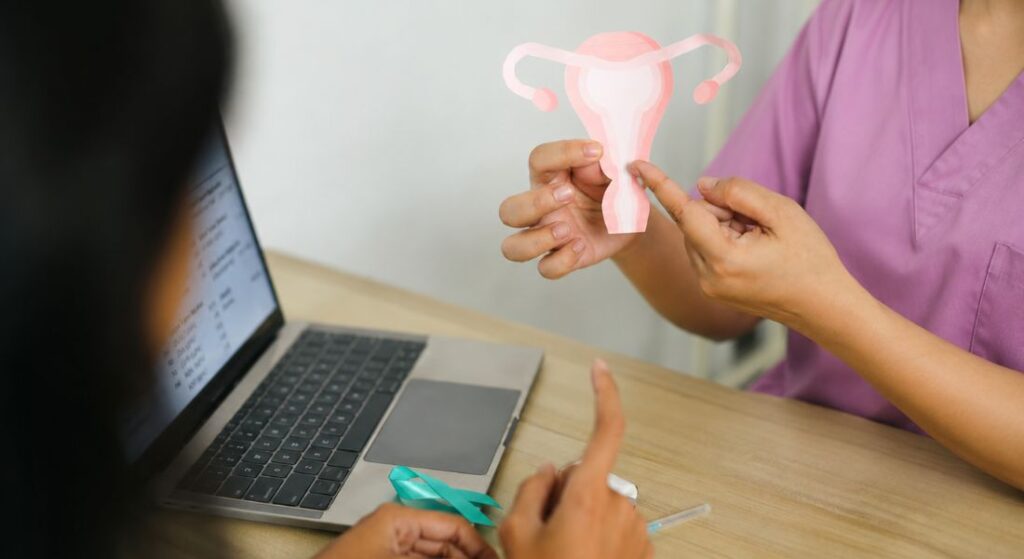
An anterior vaginal repair is a procedure used when the front wall of your vagina has prolapsed, with the bladder behind the front vaginal wall contributing to the bulge. During the operation, the surgeon repairs and reinforces the front vaginal wall using your own tissues and sutures.
You may notice improvement in pressure or discomfort after the repair, but bladder symptoms such as leakage, urgency or incomplete emptying may not fully disappear. Your surgeon will discuss what you can realistically expect, as these symptoms can also be caused by other factors.
What Is a Posterior Vaginal Repair?
A posterior vaginal repair may be offered when the back wall of your vagina has weakened and your rectum is bulging forwards, a condition often called a rectocele. This type of prolapse can contribute to pelvic pressure, a vaginal bulge or difficulty emptying your bowel.
During the operation, your surgeon strengthens the tissues between your vagina and rectum using your own tissues and sutures through a vaginal approach. The aim is to improve support and comfort, although bowel symptoms may still need separate treatment if constipation or other factors are contributing.
What Surgery Is Available for Uterine Prolapse?
If you have a uterine prolapse, surgery does not always mean that your womb needs to be removed. You may be offered a hysterectomy or a womb-preserving procedure, depending on your symptoms, health, future pregnancy plans and personal preferences.
A vaginal hysterectomy removes the womb through the vagina. An apical-support procedure may also be performed to support the top of the vagina and reduce the risk of future vault prolapse. If you want to keep your womb, options such as sacrospinous hysteropexy or sacrohysteropexy may be considered, and your surgeon will discuss which approach is most suitable for you.
Evidence Note
Womb-preserving surgery can be an appropriate alternative to hysterectomy for selected patients with uterine prolapse. In the SAVE U multicentre randomised trial, women undergoing sacrospinous hysteropexy or vaginal hysterectomy with uterosacral ligament suspension had broadly comparable functional and quality-of-life outcomes during follow-up.
At five years, bothersome recurrent apical prolapse or repeat apical surgery occurred in 1% of women in the hysteropexy group and 7.8% in the hysterectomy group in the study’s primary analysis. These results apply to the specific patients and operations studied and do not mean that hysteropexy is automatically the better operation for every patient.
What Is Sacrospinous Hysteropexy?
Sacrospinous hysteropexy is a womb-preserving operation used to treat uterine prolapse. During the procedure, your surgeon uses sutures to attach the cervix or supporting tissues to the sacrospinous ligament inside the pelvis.
This operation may be suitable if keeping your womb is important to you and your prolapse pattern makes it an appropriate option. You may have temporary buttock or pelvic discomfort after surgery, and your surgeon will discuss possible risks such as recurrence, bleeding, infection and changes in bladder or sexual function.
What Is Sacrohysteropexy?
Sacrohysteropexy is a womb-preserving operation that is usually performed through the abdomen, often using keyhole surgery. During the procedure, a mesh support is attached to your cervix or womb and secured to a strong ligament near the lower spine to help restore support.
Because this operation involves permanent mesh inside your abdomen, your surgeon should explain the benefits, risks and possible complications, including mesh-related problems, infection, pain or injury to nearby organs. You should also be informed about alternative procedures so you can decide which option is most suitable for you.
What Is Surgery for Vaginal Vault Prolapse?
Vaginal vault prolapse can happen after a hysterectomy when the top of your vagina loses support and moves downwards. Surgery aims to restore support by lifting and securing the vaginal vault in a more stable position.
Vaginal sacrospinous fixation uses stitches to attach the top of your vagina to a strong ligament inside your pelvis, while sacrocolpopexy supports the vault from the abdomen using mesh. Your surgeon will discuss the most suitable option based on your symptoms, health, previous surgery and the potential benefits and risks of each approach.
What Is Sacrocolpopexy?
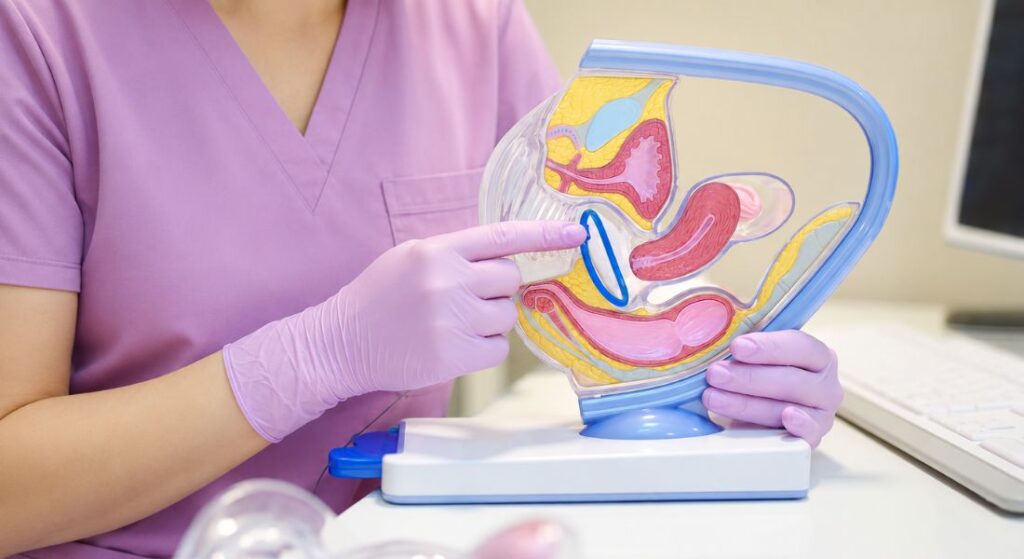
Sacrocolpopexy is an operation mainly used to treat vaginal vault prolapse after a hysterectomy. During the procedure, your surgeon attaches synthetic mesh to the vagina and secures it to a strong ligament near the base of your spine to restore support.
The operation can be performed using keyhole surgery or an open abdominal approach, and your recovery may vary depending on the technique and whether other procedures are performed at the same time. Your surgeon should explain the possible benefits and risks, including the chance of mesh erosion or exposure, before you decide if it is right for you.
How Do the Main Pelvic Organ Prolapse Operations Compare?
Different operations repair different areas of pelvic support. The most appropriate procedure depends on the type of prolapse, whether you wish to preserve your womb, previous surgery, general health and your preferences.
| Operation | Mainly used for | Approach/support used | Important considerations |
| Anterior vaginal repair | Anterior vaginal wall/bladder prolapse | Vaginal repair using your own tissues | Bladder symptoms may not all resolve |
| Posterior vaginal repair | Posterior vaginal wall/rectocele | Vaginal repair using your own tissues | Bowel symptoms may also require constipation management |
| Vaginal hysterectomy with apical support | Uterine prolapse | Womb removed vaginally with support to the vaginal apex | Does not preserve the womb |
| Sacrospinous hysteropexy | Uterine prolapse | Vaginal surgery using sutures | Preserves the womb; temporary buttock pain can occur |
| Manchester repair | Selected uterine prolapse | Vaginal surgery with cervical shortening and uterine support | Uterus preserved; future pregnancy plans are important |
| Sacrohysteropexy | Uterine prolapse | Abdominal/keyhole surgery using mesh | Preserves the womb; permanent mesh-related risks need discussion |
| Sacrospinous fixation | Vaginal vault prolapse | Vaginal surgery using sutures | Avoids mesh; temporary buttock pain can occur |
| Sacrocolpopexy | Vaginal vault prolapse | Abdominal or keyhole surgery using mesh | Mesh complications and recurrence should be discussed |
| Colpocleisis | Selected uterine or vault prolapse in patients at higher operative risk | Vaginal closure procedure | Penetrative vaginal intercourse is no longer possible afterwards |
NICE specifically recommends native-tissue anterior and posterior repairs without mesh and recognises the uterine and vault procedures described above.
Is Vaginal Mesh Still Used for Prolapse Surgery?
Transvaginal mesh repair of anterior or posterior vaginal wall prolapse is not a routine treatment. NICE states that it should only be used in the context of research because there are serious, well-recognised safety concerns and inadequate evidence about long-term efficacy.
This does not mean that all mesh procedures are avoided. Some abdominal or laparoscopic operations, such as sacrocolpopexy and sacrohysteropexy, may still involve mesh when a specialist considers it appropriate. You should ask where the mesh will be placed, whether it is permanent and which alternative treatments may be available before deciding what is right for you.
UK Guidance Note
NICE recommends shared decision-making before pelvic organ prolapse surgery. You should be able to discuss continued non-surgical treatment, the benefits and risks of the different operations, the possibility of changes in bladder, bowel or sexual function, the chance of prolapse returning and differences in recovery between procedures.
For anterior and posterior vaginal wall prolapse, NICE recommends repair without mesh. For uterine prolapse, both hysterectomy and womb-preserving procedures should be discussed. Vaginal sacrospinous fixation or mesh sacrocolpopexy may be offered for vaginal vault prolapse, while specific safeguards apply whenever permanent mesh is used.
What Happens Before Your Operation?
Before pelvic organ prolapse surgery, you will usually have a pre-operative assessment to make sure you are medically prepared for the procedure. Your surgical team will review your health, medicines and practical arrangements so you understand what to expect before admission.
- Health Assessment: You may have blood tests, blood-pressure checks or other investigations depending on your health and the operation planned.
- Medication Review: Tell your surgical team about prescription medicines, supplements and treatments that may affect bleeding or anaesthesia.
- Eating and Drinking Instructions: Follow the guidance you receive about when to stop eating and drinking before your operation.
- Preparing for Recovery: Arrange practical help at home if needed and make sure you understand any activity restrictions that may apply after surgery.
Preparing carefully before your operation can help your surgical team manage potential risks and support a smoother recovery. You should use this time to ask questions about your procedure, anaesthetic and what you will need once you return home.
What Happens on the Day of Surgery?
On the day of your surgery, your surgeon and anaesthetic team will confirm the planned procedure, review any final questions and check that you understand the consent process. You will also discuss the type of anaesthetic being used and any important steps before the operation begins.
Most prolapse operations are performed under general or regional anaesthesia, depending on your procedure and health. You may receive measures to reduce the risk of blood clots, and the length of surgery will depend on whether you need a simple repair or a more complex procedure involving several areas of support.
What Should You Expect Immediately Afterwards?
After your surgery, you may feel tired, sore or slightly nauseated as the effects of the anaesthetic wear off. Your healthcare team will monitor your recovery, provide pain relief and offer treatment if you feel sick.
You may have a temporary urinary catheter and, after some vaginal procedures, a soft vaginal pack to help reduce bleeding. You will usually be encouraged to drink, eat and move around gently when it is safe, as early movement supports recovery and helps reduce the risk of complications such as blood clots.
Bladder and Bowel Function After Surgery
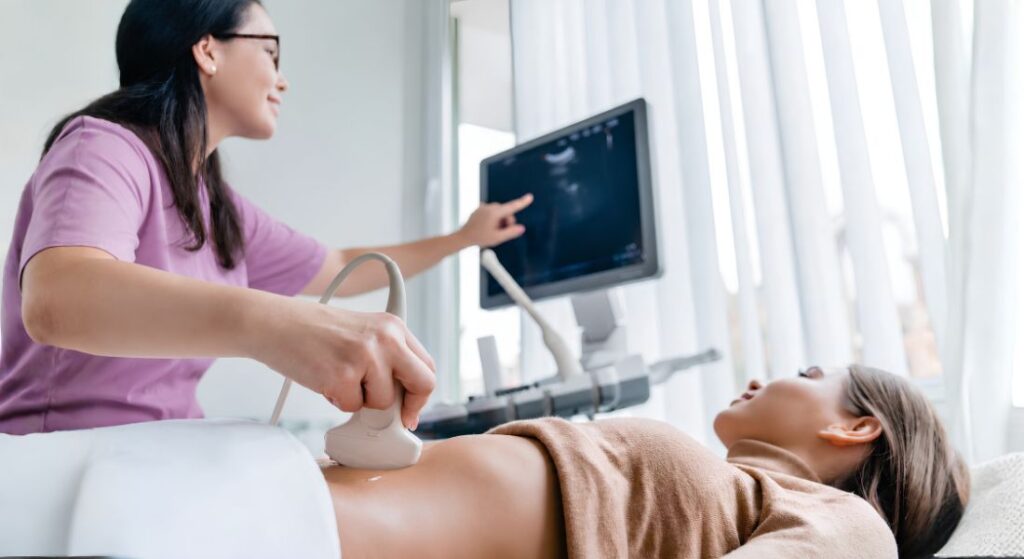
After prolapse surgery, you may temporarily find it difficult to empty your bladder because swelling, discomfort and the effects of anaesthesia can affect normal bladder function. Your healthcare team may check how much urine remains in your bladder after you pass urine before deciding whether the catheter can be removed.
If your bladder is not emptying properly, the catheter may need to stay in place for longer or be reinserted for a short time. Constipation is also common after surgery, so you should drink enough fluid, eat fibre-rich foods and use any recommended laxatives to avoid straining while your tissues heal.
How Long Will You Stay in Hospital?
Your hospital stay after prolapse surgery depends on the type of operation, your general health and how well you recover after the procedure. Some simpler repairs may allow you to go home sooner, while more complex operations may require a longer stay for monitoring and support.
Before you leave hospital, you will usually need to walk safely, manage your pain with medication, eat and drink comfortably and have your bladder function checked. You should also receive advice on when to seek help, so you know what symptoms to look out for during your recovery at home.
What Is Recovery at Home Like?
You may feel tired during the first few weeks after prolapse surgery, even if your external wounds are small or your operation was performed through the vagina. Your internal tissues need time to heal, so gradual recovery is expected and tiredness does not always mean there is a problem.
You may notice light vaginal bleeding or discharge while the stitches dissolve and healing takes place. You should use sanitary pads instead of tampons, stay gently active with regular walking and avoid heavy lifting or straining until your tissues have had enough time to recover.
When Can You Drive, Work, Exercise and Have Sex?
Your return to normal activities after prolapse surgery depends on the type of operation you have had and how your recovery progresses. You should only drive when you feel comfortable, are no longer affected by sedating medication and can react safely in an emergency, while also checking any requirements from your insurer.
You may need several weeks away from work, particularly if your job involves lifting or physical effort. You can gradually increase exercise with walking first, and you should usually avoid penetrative sex until your vaginal tissues have healed and your surgeon confirms it is safe for you.
What Are the Possible Risks of Prolapse Surgery?
Like any operation, prolapse surgery carries some risks, although serious complications are uncommon. Possible risks include bleeding, infection, blood clots, difficulty emptying your bladder and injury to nearby organs such as the bladder, bowel, ureters or blood vessels.
You may also experience ongoing pelvic pain, constipation, discomfort during sex or changes in vaginal sensation after surgery. Some people develop urinary leakage or need further treatment, and if permanent mesh is used, your surgeon should explain the specific risks, including mesh exposure or erosion.
How Successful Is Pelvic Organ Prolapse Surgery?

Many people experience significant improvement in symptoms such as vaginal bulging, pressure and heaviness after prolapse surgery. The success of the operation should be measured by how much it improves the symptoms affecting you and your quality of life rather than only by how the prolapse looks during an examination.
Prolapse can sometimes return in the same area or develop in another part of the vagina because surgery restores support but cannot remove every underlying risk factor. If symptoms recur, further management options may include pelvic-floor physiotherapy, a pessary or another discussion about surgery, depending on your situation.
Myth vs Fact
| Myth | Fact |
| Prolapse surgery always means having a hysterectomy. | Several womb-preserving operations are available for selected patients with uterine prolapse. |
| All prolapse surgery uses mesh. | Many procedures use your own tissues and sutures without mesh, including anterior and posterior vaginal repairs. |
| All mesh for prolapse surgery has been banned. | Transvaginal mesh repair of anterior or posterior prolapse should only be used in the context of research, while mesh may still be used in selected abdominal or laparoscopic procedures such as sacrocolpopexy or sacrohysteropexy. |
| Surgery permanently cures pelvic organ prolapse. | Surgery can provide long-lasting symptom improvement, but prolapse can return in the same or another part of the vagina. |
| Bladder and bowel symptoms always disappear after surgery. | Some symptoms improve, but others may persist or occasionally develop after surgery because they can have more than one cause. |
| You should stay in bed throughout recovery. | Gentle movement and walking are usually encouraged early after surgery because gradual activity supports recovery and helps reduce the risk of blood clots. |
Key Takeaways
- Prolapse surgery is selected according to the prolapse site, symptoms, health, previous surgery and personal preferences.
- Surgery is generally considered after non-surgical options have been discussed, but those options do not have to be unsuccessful in every patient before surgery can be chosen.
- Uterine prolapse does not automatically require hysterectomy.
- Sacrospinous hysteropexy, Manchester repair and sacrohysteropexy are uterus-preserving options for selected patients.
- Future pregnancy plans can materially affect surgical choice and require specialist review.
- Anterior and posterior vaginal repairs are performed without mesh under NICE guidance.
- Transvaginal anterior/posterior mesh repair is restricted to research, while selected abdominal prolapse operations can still use permanent mesh.
- Bladder, bowel or sexual symptoms may persist or occasionally change after surgery.
- Recurrence is possible, and NICE recommends postoperative follow-up including a six-month review.
Frequently Asked Questions
1. When is pelvic organ prolapse surgery recommended?
Pelvic organ prolapse surgery may be considered when symptoms such as vaginal bulging, pelvic pressure, bladder problems or bowel difficulties significantly affect your daily life. It is usually discussed after non-surgical options such as pelvic floor physiotherapy or a vaginal pessary have been considered and either have not provided enough relief or have been declined.
2. What types of surgery are available for pelvic organ prolapse?
The type of surgery depends on which area of support has weakened. Options may include anterior vaginal repair, posterior vaginal repair, uterine prolapse surgery, vaginal vault suspension or procedures that support the womb or vagina using different surgical techniques.
3. How long does it take to recover from pelvic organ prolapse surgery?
Recovery varies depending on the procedure, but most people need several weeks for healing. Light activities such as walking are encouraged, while heavy lifting, strenuous exercise and penetrative sex are usually avoided until your surgeon confirms that healing is progressing well.
4. Can pelvic organ prolapse come back after surgery?
Yes, prolapse can return after surgery because the operation repairs weakened support but cannot remove all factors that contribute to prolapse. However, many people experience long-lasting improvement in symptoms such as pressure, bulging and discomfort.
5. Is pelvic organ prolapse surgery always successful?
Many people experience significant improvement after surgery, especially when the procedure is chosen based on their symptoms and type of prolapse. However, surgery cannot guarantee that all symptoms will disappear or that prolapse will never recur.
Final Thoughts: Preparing for Pelvic Organ Prolapse Surgery
Pelvic organ prolapse surgery can help improve troublesome symptoms and restore pelvic support when surgery is appropriate for your symptoms, health and preferences. The right procedure depends on your individual situation, including the type of prolapse you have, your health, your lifestyle and your personal preferences.
If you’re considering pelvic prolapse treatment in London, you can contact Gynaecology Clinic London to arrange a consultation with a consultant gynaecologist.
References:
- National Institute for Health and Care Excellence (2019) ‘Urinary incontinence and pelvic organ prolapse in women: management’. NICE guideline NG123. Published 2 April 2019; last updated 24 June 2019. Available at: https://www.nice.org.uk/guidance/ng123
- Royal College of Obstetricians and Gynaecologists (2013, updated 2022) ‘Pelvic organ prolapse’. Published March 2013; updated May 2022. Available at: https://www.rcog.org.uk/for-the-public/browse-our-patient-information/pelvic-organ-prolapse/
- Schulten, S.F.M. et al. (2019) ‘Sacrospinous hysteropexy versus vaginal hysterectomy with uterosacral ligament suspension in women with uterine prolapse stage 2 or higher: observational follow-up of a multicentre randomised trial’, BMJ, 366, article l5149. Available at: https://www.bmj.com/content/366/bmj.l5149
- National Institute for Health and Care Excellence (2017) ‘Transvaginal mesh repair of anterior or posterior vaginal wall prolapse’. NICE HealthTech guidance HTG456. Published 15 December 2017. Available at: https://www.nice.org.uk/guidance/htg456
- Royal College of Obstetricians and Gynaecologists (2025) ‘Pelvic floor repair operation – recovering well’. Page last reviewed 27 June 2025. Available at: https://www.rcog.org.uk/for-the-public/browse-our-patient-information/pelvic-floor-repair-operation-recovering-well/
- National Institute for Health and Care Excellence (2017) ‘Sacrocolpopexy using mesh to repair vaginal vault prolapse’. NICE HealthTech guidance HTG444. Published 28 June 2017. Available at: https://www.nice.org.uk/guidance/htg444
- National Institute for Health and Care Excellence (2017) ‘Uterine suspension using mesh (including sacrohysteropexy) to repair uterine prolapse’. NICE HealthTech guidance HTG445. Published 28 June 2017. Available at: https://www.nice.org.uk/guidance/htg445