



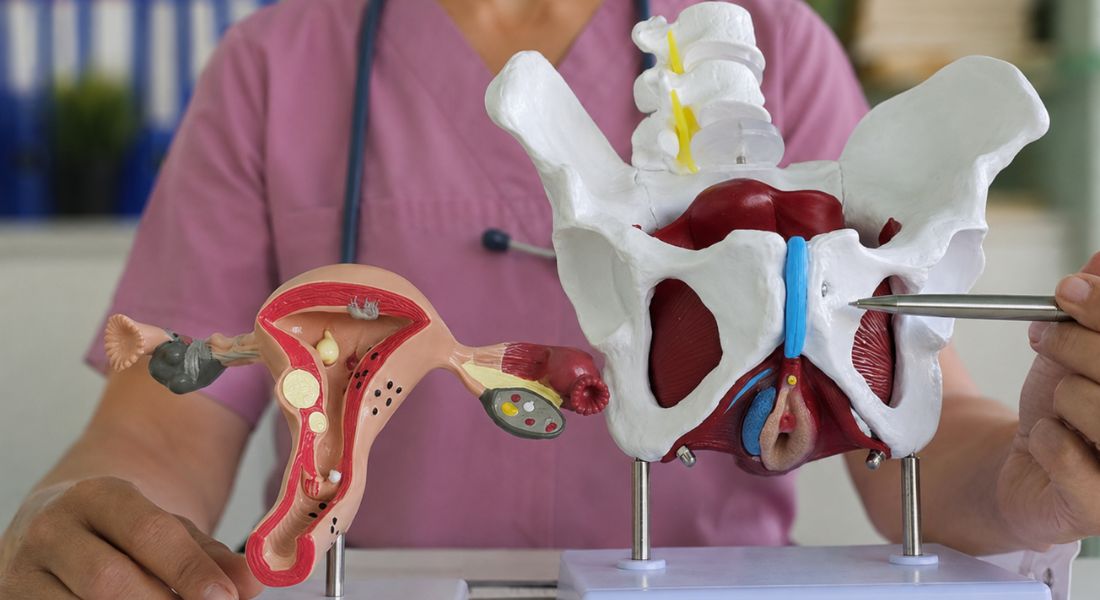
Pelvic organ prolapse occurs when the muscles, ligaments and connective tissues supporting the pelvic organs become weakened or stretched, allowing the vaginal walls, womb or top of the vagina to descend. You may notice heaviness, pressure, a vaginal bulge or changes to your bladder or bowel function, although some people have few or no symptoms.
There are several types of pelvic organ prolapse, and you may have more than one type at the same time. Identifying which areas have lost support helps your clinician explain which management options may be appropriate for your symptoms.
What Does Pelvic Organ Prolapse Mean?
Your bladder, womb, bowel and vagina are supported by your pelvic floor muscles, ligaments and connective tissues. When these supporting structures become weakened, stretched or damaged, one or more pelvic organs can move downwards and press into the vaginal walls.
You may hear terms such as anterior vaginal wall prolapse, posterior vaginal wall prolapse, uterine prolapse or vaginal vault prolapse, depending on which organ is affected. You may have a prolapse that remains inside your vagina or one that extends beyond the vaginal opening, but the severity of your symptoms does not always match how far the prolapse has descended.
What Is an Anterior Vaginal Wall Prolapse?
An anterior vaginal wall prolapse occurs when the tissues supporting your bladder and the front wall of your vagina become weakened. As the front vaginal wall descends, the bladder behind it may bulge towards the vagina. This is commonly called a cystocele.
A mild anterior prolapse may not cause any noticeable symptoms. As it becomes more pronounced, you may experience vaginal pressure, a feeling of bulging or changes in the way your bladder stores or empties urine.
What Symptoms Can a Bladder Prolapse Cause?
A bladder prolapse can make you feel as though your bladder has not emptied completely after passing urine. You may also need to change position, lean forwards or return to the toilet shortly afterwards because you still feel that urine remains.
You may experience urinary leakage, urgency, increased frequency or difficulty emptying your bladder, although these symptoms may have causes other than the prolapse. Your clinician may recommend tests such as a urine test, bladder diary or bladder scan to identify the cause and decide on the most appropriate treatment.
What Is a Urethrocele or Cystourethrocele?
The urethra is the tube that carries urine from your bladder out of your body. When the tissues supporting it become weakened, the urethra may descend towards the front wall of the vagina, which is known as a urethrocele. When the bladder and urethra descend together, this may be called a cystourethrocele.
You may experience urinary leakage, difficulty controlling your urine or changes in the way your bladder empties, although some people have no noticeable symptoms. Your clinician will assess the entire front vaginal wall to identify which structures are affected and recommend the most appropriate treatment.
What Is a Posterior Vaginal Wall Prolapse?

A posterior vaginal wall prolapse occurs when the tissues supporting your rectum and the back wall of your vagina become weakened. As the back vaginal wall loses support, the rectum behind it may bulge forwards towards the vagina. This is commonly called a rectocele.
You may experience a feeling of pressure or fullness in your vagina, especially after standing for long periods, during physical activity or when straining with constipation. A posterior prolapse can occur alongside other types of prolapse, so your clinician will examine you to determine the exact cause of your symptoms.
How Can a Rectocele Affect Your Bowel?
A rectocele can make it more difficult to empty your bowel completely. You may need to strain for longer, feel that stool remains after a bowel movement or find yourself returning to the toilet shortly afterwards.
Some people gently support the back wall of the vagina or the area between the vagina and anus to help pass stool, a technique known as splinting. Managing constipation with adequate fibre, enough fluid for your individual health needs and appropriate toileting habits may reduce repeated straining.
What Is an Enterocele?
An enterocele occurs when part of your small bowel pushes down into the upper part of the back wall of your vagina. Unlike a rectocele, which involves the rectum, an enterocele affects the small bowel and may develop when the tissues supporting the top of the vagina become weakened.
You may notice pelvic heaviness, vaginal pressure or a dragging sensation that becomes more noticeable as the day goes on. Because these symptoms can be similar to other types of prolapse, your clinician will usually need to examine you to identify the affected structure and recommend the most appropriate treatment.
What Is Uterine Prolapse?
Uterine prolapse occurs when the muscles and ligaments supporting your womb become weakened, allowing your womb and cervix to move down towards the vaginal opening. You may experience pelvic heaviness, a dragging sensation or notice a lump inside or around your vagina, particularly after standing, lifting or exercising.
Having a uterine prolapse does not automatically mean you need a hysterectomy. Depending on your symptoms, general health and future plans, treatment may include pelvic floor physiotherapy, a vaginal pessary or uterus-preserving surgery in selected patients.
What Is Vaginal Vault Prolapse?
A vaginal vault prolapse can develop after a hysterectomy when the top of your vagina loses its normal support and begins to descend towards the vaginal opening. You may experience symptoms similar to a uterine prolapse, including pelvic heaviness, pressure or the feeling of a vaginal bulge.
A vaginal vault prolapse can occur on its own or alongside a bladder or bowel prolapse. Your clinician will assess all areas of vaginal support, along with your previous surgery and symptoms, and discuss management options based on your symptoms and examination findings.
Can the Womb Protrude Outside the Vagina?

Yes, in a more advanced uterine prolapse, the cervix or part of the womb may descend through the vaginal opening and become visible outside your body. When the uterus has completely descended outside the vagina, this is called a complete prolapse or procidentia. The exposed tissues may become dry, irritated or sore and can cause discomfort during everyday activities.
Although an advanced prolapse can be distressing, it is not usually a life-threatening emergency. You should arrange a specialist assessment, as treatment may include a vaginal pessary or surgery depending on your symptoms, general health and whether you wish to preserve your womb.
What Is Apical Prolapse?
Apical prolapse affects the top of your vagina and includes both uterine prolapse and vaginal vault prolapse after a hysterectomy. When the upper part of the vagina loses support, it can descend and contribute to feelings of pelvic heaviness or a vaginal bulge.
The top of your vagina also helps support the front and back vaginal walls, so an apical prolapse can occur alongside a bladder or bowel prolapse. Your clinician will assess all areas of support to recommend the most suitable treatment for your symptoms.
How Do the Different Types of Pelvic Organ Prolapse Compare?
The different types of pelvic organ prolapse are classified according to the part of the pelvic support system that is affected. This table summarises the main types, the structures involved and the symptoms you may experience.
| Type of prolapse | Structure affected | Symptoms that may occur |
| Anterior vaginal wall prolapse | Bladder and/or urethral support | Vaginal bulge, incomplete bladder emptying and urinary symptoms |
| Posterior vaginal wall prolapse | Rectum | Difficulty emptying the bowel, straining and vaginal pressure |
| Enterocele | Small bowel and upper posterior vaginal support | Pelvic pressure, heaviness or vaginal bulging |
| Uterine prolapse | Womb and cervix | Dragging sensation, heaviness or a vaginal bulge |
| Vaginal vault prolapse | Top of the vagina after hysterectomy | Vaginal pressure, heaviness or bulging |
| Apical prolapse | Upper vaginal support; includes uterine or vaginal vault prolapse | Heaviness or bulging, sometimes with involvement of other vaginal compartments |
RCOG recognises anterior, posterior, enterocele, uterine and vault prolapse as established prolapse categories and notes that several types may occur together.
Can You Have Several Types of Prolapse Together?
Yes, it is common to have more than one type of pelvic organ prolapse at the same time. For example, you may have a bladder prolapse together with a uterine prolapse or a combination involving the front, back and top of your vagina.
When several areas are affected, you may experience a mixture of symptoms such as a vaginal bulge, urinary leakage, bowel-emptying difficulties and pelvic heaviness. A thorough examination helps identify all the affected structures so your treatment can be tailored to the symptoms that have the greatest impact on your daily life.
Are There Different Stages of Pelvic Organ Prolapse?
Yes, pelvic organ prolapse is often described in stages or grades based on how far the affected organ has descended. Your clinician may also use the Pelvic Organ Prolapse Quantification (POP-Q) system, which provides a standard way of measuring and describing the extent of the prolapse.
The stage of your prolapse does not always reflect how severe your symptoms are or whether you need treatment. Your bladder and bowel function, sexual activity, general health and personal preferences are usually more important than the stage alone when deciding on the most appropriate management.
What Causes Different Types of Prolapse?

Pelvic organ prolapse develops when the muscles, ligaments and connective tissues supporting your pelvic organs become weakened or stretched. Several factors can contribute over time, so your prolapse may result from a combination of changes rather than one single cause.
- Pregnancy and Childbirth: Pregnancy and vaginal birth can stretch or weaken the muscles and tissues that support your pelvic organs.
- Constipation and Coughing: Repeated straining or a persistent cough can increase pressure on your pelvic floor and contribute to prolapse.
- Heavy Lifting and Body Weight: Frequent heavy lifting or carrying excess body weight may place additional pressure on your pelvic support structures.
- Connective Tissue Changes: Ageing, menopause and naturally weaker connective tissues can make your pelvic organs more likely to lose support.
Having one or more risk factors does not mean that you will definitely develop pelvic organ prolapse. Your clinician can consider your medical history, symptoms and lifestyle factors to help you understand what may be contributing to your condition.
Do Different Types Cause Different Symptoms?
The type of prolapse you have can influence the symptoms you experience. An anterior prolapse is more commonly linked with bladder difficulties, while a posterior prolapse may contribute to constipation, straining or a feeling that your bowel has not emptied completely.
Uterine and vaginal vault prolapse may cause pelvic heaviness or a feeling of something coming down through the vagina, although symptoms can overlap between different types. You cannot always identify the type of prolapse yourself, so a pelvic examination is important to understand which areas need support.
How Are the Different Types Diagnosed?
Your clinician will ask about your symptoms, childbirth history, previous surgery and any bladder, bowel or sexual difficulties you may be experiencing. They will also discuss when you notice the prolapse symptoms, such as whether heaviness or bulging becomes worse with standing, lifting or exercise.
A vaginal examination is usually needed to identify the type and extent of prolapse. You may be asked to cough or gently bear down so your clinician can assess how the vaginal walls, cervix or vaginal vault move, and additional tests are usually only recommended when your symptoms suggest they are needed.
Can Different Types Be Treated Without Surgery?
Many types of pelvic organ prolapse can be managed without surgery, especially when symptoms are mild or moderate. Pelvic floor muscle training with guidance from a specialist physiotherapist may help you improve support, muscle coordination and control, although it may not completely reverse an established prolapse.
A vaginal pessary can provide support for different types of prolapse, including anterior, uterine, apical and some combined prolapses. Lifestyle changes, such as managing constipation, treating a persistent cough, adapting heavy lifting and maintaining a healthy weight where appropriate, may also help reduce pressure on your pelvic floor and improve your symptoms.
UK Guidance Note
NICE recommends discussing no treatment, non-surgical management and surgical options with people who have pelvic organ prolapse, taking account of symptoms, the site of the prolapse, general health, lifestyle, previous surgery, future pregnancy plans and personal preferences. For symptomatic stage 1 or 2 prolapse, NICE recommends considering supervised pelvic floor muscle training for at least 16 weeks, while a vaginal pessary can be considered for symptomatic prolapse either alone or alongside pelvic floor muscle training.
Does the Type of Prolapse Affect Surgery?
Yes, the type of prolapse you have influences which surgical approach may be recommended. An anterior repair may be considered when the front vaginal wall and bladder are affected, while a posterior repair may be used when the back vaginal wall and rectum are contributing to your symptoms.
Uterine prolapse may be treated with a womb-preserving procedure or a hysterectomy with additional support, depending on your circumstances. If you have vaginal vault prolapse after a hysterectomy, surgery focuses on restoring support to the top of the vagina, and your surgeon will consider whether more than one area needs treatment.
How Is the Best Treatment Chosen?

The best treatment for your prolapse depends on the type and extent of the prolapse, but your symptoms and how they affect your daily life are just as important. A smaller prolapse that causes significant bladder, bowel or sexual difficulties may need more active treatment than a larger prolapse that causes little discomfort.
Your clinician will consider factors such as your general health, previous surgery, sexual activity and future pregnancy plans when discussing your options. You should be able to compare approaches such as monitoring, pelvic floor physiotherapy, pessary treatment and surgery before choosing the option that feels right for you.
Myth vs Fact
| Myth | Fact |
| Every pelvic organ prolapse eventually needs surgery. | Many people can manage their symptoms without an operation using pelvic floor physiotherapy, lifestyle changes or a vaginal pessary. |
| A more advanced prolapse always causes worse symptoms. | The stage of prolapse does not always match how much it affects your daily life. Some smaller prolapses can still cause troublesome symptoms. |
| Pelvic floor exercises always put the organs back in place. | Pelvic floor muscle training can improve symptoms and pelvic floor function, but it may not completely reverse an established prolapse. |
| Pessaries are only suitable for older people. | A vaginal pessary may be considered at different ages and can be useful when surgery is not preferred, needs to be delayed or future pregnancy is planned. |
| A pessary permanently fixes the prolapse. | A pessary provides mechanical support while it is in place and does not permanently repair weakened pelvic support tissues. |
| You must stop exercising if you have pelvic organ prolapse. | Many people can remain physically active, although exercises may need to be adapted if certain movements increase pressure, heaviness or bulging symptoms. |
Key Takeaways
- Pelvic organ prolapse can affect the front, back or top of the vagina, and more than one type can occur at the same time.
- An anterior vaginal wall prolapse commonly involves bladder and sometimes urethral support, while a posterior prolapse involves the rectum.
- An enterocele involves the small bowel, while uterine and vaginal vault prolapse affect the upper or apical support of the vagina.
- The stage of a prolapse does not always reflect how much it affects your everyday life.
- Not everyone with pelvic organ prolapse needs surgery. Physiotherapy, lifestyle measures and vaginal pessaries may help manage symptoms.
- A specialist assessment can identify which areas are affected and help you choose treatment according to your symptoms, health and preferences.
Frequently Asked Questions
1. What are the main types of pelvic organ prolapse?
The main types are anterior vaginal wall prolapse (bladder prolapse), posterior vaginal wall prolapse (rectocele), uterine prolapse and vaginal vault prolapse after a hysterectomy. Some people also develop an enterocele, where part of the small bowel bulges into the vagina.
2. Can you have more than one type of pelvic organ prolapse?
Yes. It is common to have more than one type of prolapse at the same time. For example, you may have both a bladder prolapse and a uterine prolapse, which can cause a combination of bladder, bowel and vaginal symptoms.
3. How do doctors identify the type of pelvic organ prolapse?
A clinician will discuss your symptoms and perform a pelvic examination to determine which organs are affected. Additional tests, such as bladder or bowel investigations, may be recommended if needed to guide treatment.
4. Do all types of pelvic organ prolapse require surgery?
No. Many people can manage their symptoms with pelvic floor physiotherapy, a vaginal pessary and lifestyle changes. Surgery is usually considered only when symptoms are significant and non-surgical treatments have not provided enough relief.
5. Which type of pelvic organ prolapse is most common?
Anterior vaginal wall prolapse, also known as a bladder prolapse or cystocele, is one of the most common types. It occurs when the bladder bulges into the front wall of the vagina because the supporting tissues have weakened.
Final Thoughts: Finding the Right Approach to Pelvic Organ Prolapse
Pelvic organ prolapse can affect your comfort, confidence and everyday routine, but it does not always require surgery. Many people find that pelvic floor physiotherapy, lifestyle changes or a vaginal pessary provide meaningful relief, while others may benefit from surgical treatment when symptoms remain troublesome or significantly affect their quality of life. The most appropriate approach depends on your symptoms, general health and personal preferences.
If you’re considering pelvic prolapse treatment in London, you can contact Gynaecology Clinic London to arrange a consultation with a consultant gynaecologist.
References:
- NHS (2025) ‘Pelvic organ prolapse’. Page last reviewed 3 July 2025. Available at: https://www.nhs.uk/conditions/pelvic-organ-prolapse/
- National Institute for Health and Care Excellence (2019) ‘Urinary incontinence and pelvic organ prolapse in women: management’. NICE guideline NG123. Published 2 April 2019; last updated 24 June 2019. Available at: https://www.nice.org.uk/guidance/ng123
- National Institute for Health and Care Excellence (2021) ‘Pelvic floor dysfunction: prevention and non-surgical management’. NICE guideline NG210. Published 9 December 2021. Available at: https://www.nice.org.uk/guidance/ng210
- Royal College of Obstetricians and Gynaecologists (2013, updated 2022) ‘Pelvic organ prolapse’. Published March 2013; updated May 2022. Available at: https://www.rcog.org.uk/for-the-public/browse-our-patient-information/pelvic-organ-prolapse/
- Robinson, M.O. and Linder, B.J. (2023) ‘Evaluation and treatment of pelvic organ prolapse’, Minerva Medica, 114(4), pp. 516–528. Available at: https://pubmed.ncbi.nlm.nih.gov/36786749/