



You can experience vulval burning, stinging or soreness even when infection tests are negative. Conditions such as vulvodynia, vulval skin disorders, hormonal changes, nerve-related pain or pelvic-floor problems can cause persistent discomfort.
Sometimes your pain may continue after an earlier infection or inflammation has settled because your nerves or pelvic-floor muscles remain sensitive. If your symptoms keep returning without evidence of infection, you should seek assessment rather than repeatedly using antifungal or other treatments.
What Does Vulval Burning Without an Infection Feel Like?
You may experience vulval burning without an infection as stinging, soreness, rawness, throbbing or sharp discomfort. You may feel as though your skin is irritated even when there are few or no visible changes.
Your symptoms may affect a small area around the vaginal opening or a wider part of your vulva. You may feel comfortable at rest but develop burning after sitting, walking, wearing tight clothing, having sex or touching the area.
Why Can Infection Tests Be Negative When You Still Have Pain?
A negative infection test does not mean that your pain is not real. Tests look for specific infections, so a negative Candida test can make active thrush less likely, although the significance of the result depends on the type of test, when the sample was taken and your symptoms. A negative test also does not identify non-infectious causes of vulval burning.
Your vulva contains sensitive skin, muscles and nerves that can all contribute to pain. If infection tests are negative, your clinician can look for other causes rather than repeatedly treating an infection that has not been confirmed.
What Are the Main Non-Infectious Causes of Vulval Burning?
| Possible cause | Common clues | What may help distinguish it |
| Vulvodynia | Burning, stinging or soreness for ≥3 months | Often normal-looking skin; provoked or spontaneous pain |
| Vestibulodynia | Pain mainly at vaginal entrance | Pain triggered by touch, sex or tampon insertion |
| Pelvic-floor dysfunction | Burning with penetration, sitting or examination | Tight/tender muscles or difficulty relaxing |
| Dermatitis/eczema | Burning, itching, irritation | Product exposure, redness or dry/inflamed skin |
| Lichen sclerosus | Itching, soreness, burning | Pale/white fragile skin or structural changes |
| Lichen planus | Rawness, burning, pain | Red or eroded areas; vagina may also be involved |
| GSM/low oestrogen | Dryness, burning, painful sex | Menopause, breastfeeding or another low-oestrogen state. |
| Pudendal neuralgia | Burning, shooting or tingling pain | Often worse while sitting |
| Previous inflammation | Symptoms persist after an earlier painful or inflammatory episode | Infection or active inflammation may no longer explain the ongoing pain. |
Could Vulvodynia Be the Cause?
Vulvodynia may be considered when you have vulval pain lasting at least three months without another clear cause. Your vulval skin may look normal even when the burning or soreness feels severe.
You may experience pain without an obvious trigger or when the area is touched during sex, tampon insertion, cycling or sitting. Vulvodynia is not an infection or a hygiene problem. It is a recognised chronic pain condition, and altered nerve sensitivity and pain processing may contribute in some people.
What Is Vestibulodynia?
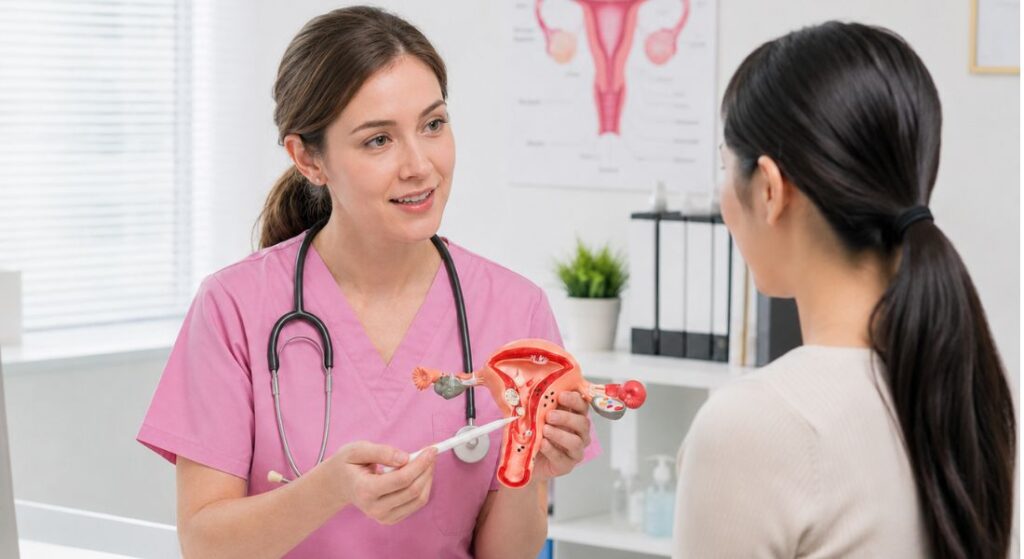
Vestibulodynia is pain around the vestibule, the sensitive area surrounding the entrance to your vagina. You may experience burning or stinging when you have sex, insert a tampon or undergo a vaginal examination.
Even gentle touch can sometimes cause significant discomfort. Your symptoms may resemble vaginal dryness or vaginismus, so your clinician can assess where the pain occurs and whether pelvic-floor muscle tightening is also contributing.
Can Your Nerves Become Oversensitive?
Changes in nerve sensitivity may contribute to persistent vulval burning in some people, causing normally non-painful touch or pressure to feel uncomfortable or painful. This may sometimes develop after an infection, inflammation, injury or other painful episode has settled.
You may continue to experience genuine pain even when there is no ongoing infection or tissue damage. This can happen because your nerves and nervous system remain sensitised and continue sending stronger pain signals.
Can Previous Thrush Trigger Ongoing Burning?
Some people report persistent vulval burning after previous episodes of thrush or other inflammation, but the relationship is complex and previous Candida infection does not prove that it caused the ongoing pain. Your previously inflamed tissues and nerves may remain sensitive, causing continued soreness or irritation.
You may mistake each flare-up for another infection and repeatedly use antifungal treatments, even when tests do not detect Candida. If treatment is not helping, your clinician should consider other causes such as vulvodynia, dermatitis or another non-infectious condition.
Can Pelvic-Floor Muscles Cause Vulval Burning?
Yes, your pelvic-floor muscles can contribute to vulval and vaginal burning when they become overly tight or difficult to relax. Persistent or anticipated pain can be associated with pelvic-floor muscle overactivity or difficulty relaxing, which may then contribute to discomfort during touch, penetration or examination.
A specialist pelvic-health physiotherapist can assess whether your muscles are tense, weak or poorly coordinated. You may benefit from relaxation techniques and reducing muscle tension rather than simply doing more strengthening exercises.
Research Insight
A multicentre randomised trial involving 212 women with provoked vestibulodynia compared multimodal pelvic-floor physiotherapy with topical lidocaine. Multimodal pelvic-floor physiotherapy produced greater improvements than overnight topical lidocaine in pain during intercourse, sexual function and sexual distress, with benefits maintained at six-month follow-up.
The programme combined education, pelvic-floor exercises with biofeedback, manual therapy and dilation rather than relying on strengthening alone. This supports an individual pelvic-floor assessment when muscle tension or painful penetration accompanies vulval burning.
Could Vaginismus Be Contributing?
Vaginismus involves involuntary tightening of the muscles around your vagina when penetration is attempted. You may find tampons, penetrative sex or examinations uncomfortable or difficult, particularly if you have experienced pain before.
Vaginismus can occur alongside vulvodynia, with your pelvic floor tightening in anticipation of pain. Treatment may include pelvic-health physiotherapy, relaxation techniques, gradual use of vaginal trainers and psychosexual support where appropriate.
Could Dermatitis or Eczema Cause Burning?
Yes, vulval dermatitis or eczema can cause burning, itching, soreness, dryness and sensitivity. You may develop these symptoms from eczema-prone skin or irritation caused by products such as soaps, wipes, sanitary products or fragranced creams.
Your skin may look red or inflamed, although changes can sometimes be subtle. Management may involve avoiding potential irritants, using suitable bland emollients and applying prescribed anti-inflammatory treatment when clinically appropriate.
Could Lichen Sclerosus Cause Pain or Burning?
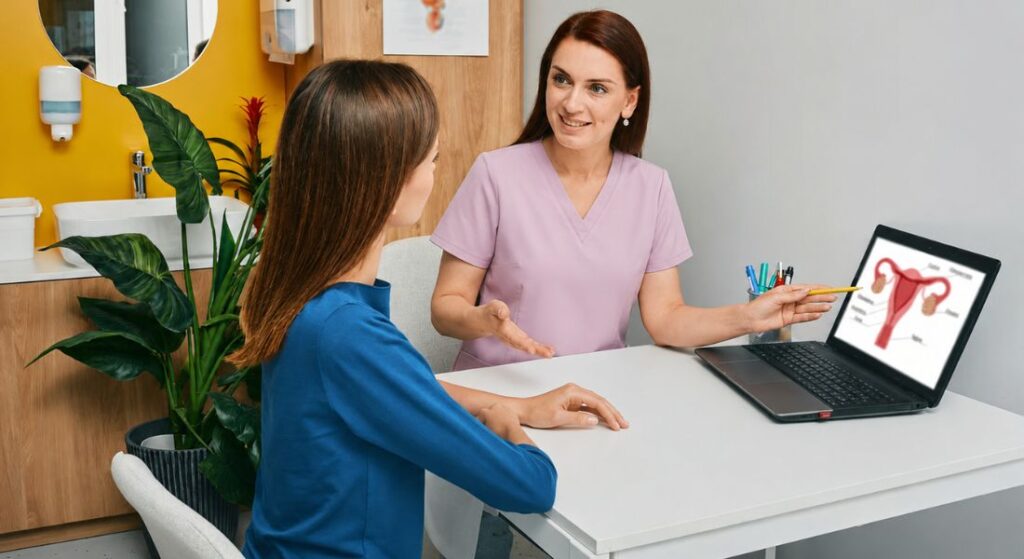
Yes, lichen sclerosus can cause vulval burning, soreness, itching and discomfort during sex. You may also notice pale or white patches, fragile skin or changes in the structure of your vulva, although symptoms and appearance can vary.
Your clinician can diagnose the condition through an appropriate examination and may recommend a biopsy if needed. Treatment commonly involves a potent prescription corticosteroid ointment, together with appropriate follow-up.
Can Lichen Planus Cause a Raw or Burning Feeling?
Yes, vulval lichen planus can cause burning, pain and a raw sensation, and it may affect your vagina as well as the external vulval tissues. You may notice redness or sore, eroded areas, with sex or passing urine becoming uncomfortable.
Persistent symptoms should be assessed because ongoing inflammation can sometimes lead to scarring. Treatment focuses on controlling the inflammation rather than using antifungal or antibiotic medication unless an infection is also present.
Can Menopause Cause Vulval Burning?
Yes, lower oestrogen levels during and after menopause can make your vulval and vaginal tissues thinner, drier and more sensitive. You may experience burning, soreness, itching or pain during sex, along with vaginal dryness or urinary discomfort.
These symptoms can resemble thrush, so you may use antifungal treatments without getting relief. If low oestrogen is contributing to your symptoms, your clinician may recommend options such as vaginal moisturisers, lubricants or local vaginal oestrogen after assessment.
Can Breastfeeding Cause Similar Symptoms?
Breastfeeding can temporarily lower your oestrogen levels, which may make your vulval and vaginal tissues drier, thinner and more sensitive. These hormonal changes can cause burning, tenderness or discomfort during sex even when no infection is present.
- Lower Oestrogen Levels: Breastfeeding can reduce oestrogen temporarily and contribute to vulval or vaginal dryness.
- Increased Sensitivity: Drier tissues may feel more tender, irritated or uncomfortable during everyday activities or sexual contact.
- Pelvic-Floor Changes: Pregnancy and childbirth can also affect your pelvic-floor muscles and contribute to ongoing vulval discomfort.
- Assessment Is Important: You should tell your clinician that you are breastfeeding so they can consider hormonal, muscular and infectious causes of your symptoms.
Breastfeeding-related changes do not automatically mean that vulvodynia or another chronic condition is present. Identifying whether low oestrogen, pelvic-floor dysfunction or another cause is contributing can help your clinician recommend more appropriate treatment.
Could Pudendal or Other Nerve Pain Be Responsible?
Yes, nerve-related pain can sometimes cause vulval burning, tingling, electric or shooting sensations. Irritation of the pudendal nerve, which supplies parts of your genital and pelvic region, may also cause pain that extends towards the perineum or anus.
Pudendal neuralgia commonly causes pain that is worse when sitting, although the exact pattern varies between people. Because nerve pain can overlap with vulvodynia and pelvic-floor problems, your clinician may recommend specialist assessment to identify the most likely cause.
Can Vulval Products Make Burning Worse?
Yes, fragranced or strongly cleansing products can irritate your sensitive vulval skin and make burning worse. Intimate washes, deodorants, wipes, bubble baths and antiseptics may all contribute to irritation.
You should avoid washing the area excessively, as this can increase dryness and sensitivity. Gentle daily washing is usually enough, and you should avoid adding multiple new creams when symptoms flare because they may further irritate your skin.
Can Stress Make Vulval Pain Worse?
Yes, stress can make your vulval pain feel more intense, although this does not mean that your symptoms are psychological or imagined. When you feel anxious, exhausted or under prolonged pressure, your nervous system may become more alert, which can make your vulval discomfort feel worse.
You may also notice that you tense your pelvic-floor muscles when you expect pain, particularly during sex, examinations or prolonged sitting. You can benefit from relaxation techniques, cognitive behavioural therapy or other support to help you manage your symptoms while your physical treatment continues.
How Is Vulval Burning Without Infection Investigated?
Your clinician will ask you where the discomfort occurs, how long you have had it and what makes your symptoms better or worse. You may also be asked about previous infections, skin problems, medicines, hormonal changes, periods and sexual or urinary symptoms.
Your clinician will examine your vulva for inflammation, skin changes, ulcers or other abnormalities and may gently use a cotton bud to identify sensitive areas. Swabs may be taken if infection still needs to be excluded, while a biopsy may be recommended if your skin looks unusual or another vulval condition needs further investigation.
UK Guidance Note
NHS guidance recommends medical assessment when vulval pain or discomfort does not go away, keeps returning or makes activities such as sex or tampon insertion difficult. Examination and selective testing are used to look for other explanations before vulvodynia is diagnosed.
Persistent burning should also not automatically be assumed to be vulvodynia if you develop a new lump, persistent ulcer or sore, unexplained vulval bleeding or a new red, white, dark, thickened or raised area of skin. These symptoms frequently have non-cancerous causes, but NHS guidance recommends that they are examined.
How Can Vulval Pain Without Infection Be Treated?
Treatment depends on the underlying cause rather than the burning itself. If you have dermatitis, your clinician may recommend gentle skin care and anti-inflammatory treatment, while low oestrogen may be managed with moisturisers, lubricants or local hormonal treatment.
If you have vulvodynia, you may benefit from a combination of local anaesthetic, nerve-pain medication, pelvic-health physiotherapy or vaginal trainers where appropriate. You may also find psychological or psychosexual support helpful, particularly if pain affects sex, relationships or your confidence around penetration.
Evidence Note
Vulval burning without infection can arise from very different conditions, so treatment needs to address the underlying cause rather than using one approach for every patient. Vulvodynia itself also has no single treatment that works reliably for everyone, and NHS guidance describes multidisciplinary management involving gynaecology, physiotherapy, psychology and pain services where appropriate.
Evidence for individual treatments also varies. Multimodal pelvic-floor physiotherapy has shown meaningful benefit in a randomised trial of provoked vestibulodynia, whereas a randomised gabapentin trial did not demonstrate superior pain reduction compared with placebo.
When Should You Seek Specialist Assessment?

You should see your GP if your vulval burning does not go away, keeps returning or makes sex, tampon use, sitting or everyday activities difficult. If you have had repeated negative infection tests but your symptoms continue, you may need assessment for other possible causes.
You may benefit from specialist assessment if your symptoms have lasted for several months, you have signs of a vulval skin condition or initial treatment has not helped. Your care may involve gynaecology, dermatology, pelvic-health physiotherapy, pain medicine or psychosexual support, depending on your symptoms.
Myth vs Fact
| Myth | Fact |
| Negative infection tests mean nothing is wrong. | Skin, hormonal, muscular, nerve and chronic-pain conditions can cause genuine symptoms without infection. |
| Every burning vulval symptom is thrush. | Burning has many possible infectious and non-infectious causes. |
| Recurrent thrush always causes vulvodynia. | Previous infection may contribute in some people, but a direct causal relationship is not established. |
| Vulvodynia always causes visible redness. | Vulval skin can look normal despite significant pain. |
| Vestibulodynia and vaginismus are exactly the same. | Vestibulodynia is pain at the vestibule; vaginismus involves involuntary pelvic-floor tightening with attempted penetration. |
| Pelvic-floor treatment means more strengthening exercises. | Pain-related pelvic-floor dysfunction may require relaxation, coordination and desensitisation. |
| Menopause-related burning is always recurrent thrush. | GSM can cause dryness, burning and painful sex without infection. |
| Pain that worsens when sitting automatically means pudendal neuralgia. | Sitting-related pain is a clue but is not diagnostic by itself. |
| Stress means the pain is psychological. | Stress can influence chronic pain intensity without making the pain imaginary. |
| Gabapentin is proven to relieve vulvodynia pain for everyone. | Evidence is mixed, and one RCT did not show superior pain reduction over placebo. |
Key Takeaways
- Vulval burning can occur even when infection tests are negative.
- A negative test makes some infections less likely but does not automatically identify the cause of your symptoms.
- Vulvodynia is vulval pain lasting at least three months without another condition adequately explaining it.
- Pelvic-floor muscle overactivity can contribute to burning and painful penetration.
- Dermatitis, lichen sclerosus, lichen planus and low-oestrogen changes can all cause non-infectious vulval discomfort.
- Breastfeeding and menopause can contribute to dryness or soreness through hormonal changes.
- Pudendal neuralgia can cause burning, shooting or tingling genital pain that is commonly worse when sitting.
- Controlled trial evidence supports multimodal pelvic-floor physiotherapy for provoked vestibulodynia, while evidence for some medicines is less consistent.
- A persistent lump, ulcer, unexplained bleeding or changing vulval skin needs medical assessment.
Frequently Asked Questions
1. What is vulvodynia?
Vulvodynia is persistent or recurrent vulval pain that lasts for at least three months without another condition fully explaining the symptoms. You may experience burning, stinging, soreness, rawness or sharp pain even when your vulval skin looks normal.
2. What does vulvodynia feel like?
You may notice burning, stinging, aching, throbbing or stabbing pain around your vulva. The discomfort may occur spontaneously or be triggered by sex, tampon insertion, sitting, exercise or touch.
3. Can vulvodynia be mistaken for thrush?
Yes, vulvodynia can cause burning and soreness that feel similar to recurrent thrush. If your symptoms continue despite antifungal treatment or repeated tests do not show Candida, your clinician may consider vulvodynia or another cause.
4. How is vulvodynia diagnosed?
There is no single test that confirms vulvodynia. Your clinician will
assess your symptoms, examine the vulval area and may use swabs or other investigations to rule out infections, skin conditions and other causes of pain.
5. Can vulvodynia be treated?
Yes, although treatment usually needs to be tailored to your symptoms rather than relying on one approach. You may benefit from vulval self-care, pelvic-floor physiotherapy, pain-relieving medicines, psychological or psychosexual support and, in selected cases, specialist procedures.
Final Thoughts: Understanding Vulval Burning Without an Infection
Persistent vulval burning can be frustrating, particularly when infection tests continue to come back negative. Conditions such as vulvodynia, skin disorders, hormonal changes, nerve sensitivity and pelvic-floor problems can all cause genuine discomfort, so identifying the underlying cause is an important part of finding the right treatment.
If you are considering vulvodynia treatment in London, you can get in touch with our team at Gynaecology Clinic London for an assessment and personalised guidance based on your individual needs.
References:
- Schlaeger, J.M. et al. (2023) ‘Evaluation and treatment of vulvodynia: State of the science’, Journal of Midwifery & Women’s Health, 68(1), pp. 9–34. Available at: https://pmc.ncbi.nlm.nih.gov/articles/PMC10107324/
- Lountzi, A.Z., Abhyankar, P. and Durand, H. (2025) ‘A scoping review of vulvodynia research: Diagnosis, treatment, and care experiences’, Women’s Health, 21, article 17455057251345946. Available at: https://pmc.ncbi.nlm.nih.gov/articles/PMC12174717/
- Bornstein, J. et al. (2016) ‘2015 ISSVD, ISSWSH, and IPPS consensus terminology and classification of persistent vulvar pain and vulvodynia’, The Journal of Sexual Medicine, 13(4), pp. 607–612. Available at: https://pubmed.ncbi.nlm.nih.gov/27045260/
- Brown, C.S. et al. (2018) ‘Gabapentin for the treatment of vulvodynia: A randomized controlled trial’, Obstetrics & Gynecology, 131(6), pp. 1000–1007. Available at: https://pubmed.ncbi.nlm.nih.gov/29742655/
- Morin, M. et al. (2021) ‘Multimodal physical therapy versus topical lidocaine for provoked vestibulodynia: A multicenter, randomized trial’, American Journal of Obstetrics and Gynecology, 224(2), pp. 189.e1–189.e12. Available at: https://www.sciencedirect.com/science/article/abs/pii/S0002937820308668
- Edwards, S.K., Lewis, F., Fernando, I., Haddon, L. and Grover, D. (2025) ‘2024 British Association for Sexual Health and HIV (BASHH) UK national guideline on the management of vulval conditions’, International Journal of STD & AIDS, 36(5), pp. 346–371. Available at: https://pubmed.ncbi.nlm.nih.gov/39837649/
- Phillips, N.A. and Bachmann, G.A. (2021) ‘The genitourinary syndrome of menopause’, Menopause, 28(5), pp. 579–588. Available at: https://pubmed.ncbi.nlm.nih.gov/33534428/
- Conic, R.R.Z., Kaur, P. and Kohan, L.R. (2025) ‘Pudendal neuralgia: A review of the current literature’, Current Pain and Headache Reports, 29(1), article 38. Available at: https://pubmed.ncbi.nlm.nih.gov/39873912/
- NHS (2024) ‘Vulvodynia (vulval pain)’, NHS. Available at: https://www.nhs.uk/conditions/vulvodynia/
- NHS (2025) ‘Symptoms of vulval cancer’, NHS. Available at: https://www.nhs.uk/conditions/vulval-cancer/symptoms/