




Vulvodynia is persistent or recurring pain in your vulva without a specific condition fully explaining the symptoms. You may experience burning, stinging, soreness, rawness or stabbing pain, even when your vulval skin looks normal.
Your pain may occur when the area is touched, such as during sex, tampon insertion or an examination, or it may happen without contact. Vulvodynia can affect your daily activities, sleep and sexual wellbeing, but a combination of treatments can often help you manage the pain.
What Exactly Does Vulvodynia Mean?
Vulvodynia refers to persistent or recurring pain in your vulva that has lasted for at least three months without another clear cause being identified. You may experience pain even when your vulval skin appears completely normal.
This does not mean that your pain has no physical cause. Changes in nerve sensitivity and pain-processing pathways may contribute to vulvodynia, meaning that sensations that would not normally be painful can sometimes become uncomfortable or painful.
What Does Vulvodynia Feel Like?
You may experience vulvodynia as burning, stinging, soreness, rawness, throbbing, aching or sharp pain. The intensity can vary, from mild discomfort during certain activities to pain that makes sitting, exercising, having sex or wearing certain clothes difficult.
Your symptoms may also change over time, with periods when the pain improves followed by flare-ups. A temporary increase in pain does not necessarily mean that you have developed a new condition.
Where Can Vulvodynia Pain Occur?
You may feel vulvodynia in one specific area of your vulva or across a wider region. Pain around the vaginal opening is often called vestibulodynia and may become more noticeable with pressure or friction.
Pain may affect a wider vulval area and can sometimes be felt towards the inner thighs, around the anus or near the urethral area. Your clinician can use the location and pattern of your pain to guide assessment and treatment.
What Is Provoked Vulvodynia?
Provoked vulvodynia means you experience pain when your vulva is touched or pressure is applied. You may feel comfortable when nothing is touching the area but develop burning or soreness during sex, tampon insertion, an examination or prolonged sitting.
You may also find tight clothing, cycling or other activities that put pressure on your vulva uncomfortable. Even gentle contact can sometimes cause significant pain when the nerves and pain-processing pathways have become unusually sensitive.
What Is Spontaneous Vulvodynia?
Spontaneous vulvodynia causes vulval pain without direct touch, pressure or another obvious trigger. You may experience discomfort while sitting, standing, resting or lying down, and the symptoms can vary in intensity throughout the day.
- Pain Without Contact: You may experience burning, aching, throbbing or soreness even when nothing is touching your vulva.
- Symptoms Can Fluctuate: Your discomfort may remain for long periods or come and go without a predictable trigger.
- Daily Activities May Be Affected: Persistent pain can interfere with sitting, sleeping, concentrating or carrying out normal everyday activities.
- Mixed Pain Can Occur: You may experience spontaneous pain alongside discomfort triggered by touch, pressure or sexual activity.
Understanding whether your pain is spontaneous, provoked or a combination of both can help guide your assessment. Your clinician can use this pattern alongside your examination and other symptoms to choose a more suitable treatment approach.
What Causes Vulvodynia?
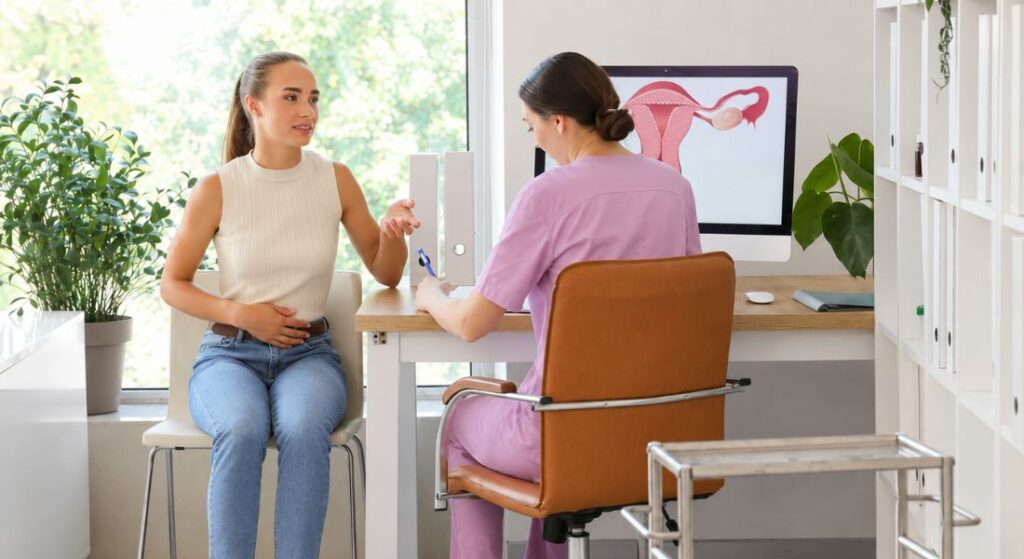
The exact cause of vulvodynia is not fully understood, and there may be several factors involved. Changes in the sensitivity of the nerves supplying your vulva can play a role, while previous inflammation, infections, hormonal changes or pelvic-floor muscle problems may also contribute.
Stress is not considered the sole cause of vulvodynia, but stress, anxiety, poor sleep and the wider effects of living with persistent pain can influence how strongly pain is experienced. Your symptoms are therefore better understood as part of a chronic pain condition rather than an infection that needs repeated antimicrobial treatment.
Can Thrush Lead to Vulvodynia?
Some people report persistent vulval pain following previous vaginal infections or periods of inflammation, but the relationship is complex and does not mean that recurrent thrush directly causes vulvodynia. Your nerves can sometimes remain sensitive after the original infection has cleared, causing ongoing burning or soreness.
If you continue to experience “thrush-like” symptoms despite negative swabs or unsuccessful antifungal treatment, you should have the diagnosis reviewed. Repeated antifungal treatment without confirming Candida may delay assessment for vulvodynia or another cause of persistent vulval symptoms and may also irritate already sensitive skin in some people.
Can Pelvic-Floor Muscles Contribute to the Pain?
Yes, your pelvic-floor muscles can contribute to vulval pain, particularly when touch or penetration triggers your symptoms. Pelvic-floor muscles can become overactive or difficult to relax in response to persistent or anticipated pain, which may contribute to discomfort during penetration or examination.
You may find it difficult to relax these muscles consciously, even when you try. A specialist pelvic-health physiotherapist can assess your muscles and recommend techniques such as relaxation, coordination exercises or gradual desensitisation rather than simply strengthening them.
Can Hormonal Changes Affect Vulval Pain?
Yes, hormonal changes may influence your vulval sensitivity in some situations. Lower oestrogen levels, such as during menopause or breastfeeding, can also cause dryness and tissue sensitivity that may lead to discomfort or pain during sex.
Your clinician may therefore ask about your contraceptive and hormonal history when assessing your symptoms. However, hormones are not always the cause of vulval pain, so changing contraception or hormone treatment is not automatically necessary.
How Is Vulvodynia Diagnosed?
There is no single blood test, scan or biopsy that confirms vulvodynia. Your diagnosis is based on your symptoms, how long they have been present, examination findings and ruling out other possible causes of vulval pain.
Your clinician may ask where you feel pain, what triggers it and how it affects your daily life. You may also be asked about previous infections, skin conditions, sex, periods, contraception, urinary or bowel symptoms and treatments you have already tried.
UK Guidance Note
NHS guidance recommends assessment when vulval pain does not go away, repeatedly returns or makes activities such as tampon insertion or sex difficult. Assessment commonly includes discussion of your symptoms and previous infections or skin conditions, followed by examination of the vulva; a cotton bud may be used to map painful areas and a swab may be taken when infection needs to be excluded.
If no specific cause adequately explains the pain, referral to a specialist may be appropriate. NHS treatment information also emphasises that vulvodynia often needs input from more than one professional, potentially including a gynaecologist, pelvic-health physiotherapist, psychologist and pain specialist.
What Happens During a Vulval Examination?
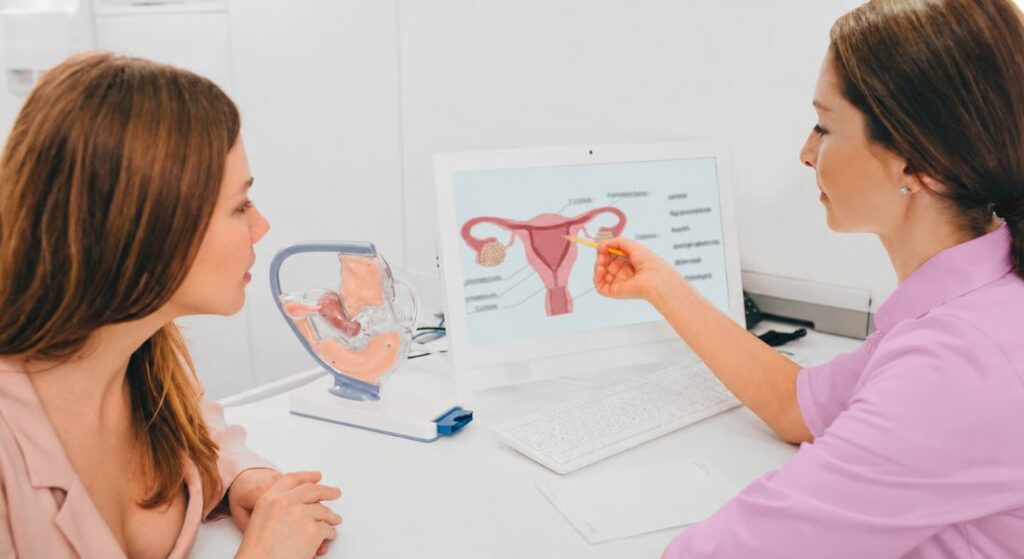
Your clinician will carefully examine your vulval skin to look for signs of another condition. You may have vulvodynia even when your skin looks normal, while redness, ulcers, cracks or other changes may suggest an additional or different cause.
Your clinician may gently touch different areas with a cotton bud to identify where contact causes pain. You should tell them if anything feels too painful or if you are uncomfortable, as you can ask for the examination to pause or stop.
What Other Conditions Need to Be Ruled Out?
You may have symptoms similar to vulvodynia with thrush, genital herpes, other infections or sexually transmitted infections. Your clinician may also consider skin conditions such as eczema, dermatitis, lichen sclerosus and lichen planus, as well as hormonal changes, nerve problems or pelvic-floor dysfunction.
You may need swabs or other tests depending on your symptoms. A biopsy is not usually needed to diagnose vulvodynia, but your clinician may recommend one if your skin looks unusual or another vulval condition needs to be investigated.
Can Vulvodynia Affect Sex?
Vulvodynia can make penetrative sex painful or difficult, particularly when your vaginal entrance is sensitive to touch. You may experience burning during penetration, soreness afterwards or anxiety because you expect sexual activity to hurt.
Repeated pain can also affect your desire and relationship, but this does not mean that your symptoms are psychological. You may benefit from approaches such as lubricants, pelvic-floor physiotherapy, gradual desensitisation or psychosexual therapy alongside treatment for the physical pain.
How Can Vulvodynia Affect Mental Wellbeing?
Living with persistent vulval pain can leave you feeling frustrated, anxious or low, particularly when your skin looks normal or previous tests have not found a clear cause. You may also find that pain affects your sleep, concentration, exercise and relationships.
Psychological support does not mean that your pain is imagined or “all in your head”. You may find approaches such as cognitive behavioural therapy helpful for managing chronic pain, reducing fear around painful activities and supporting your physical treatment.
What Vulval Self-Care Can Help?
You can reduce irritation by avoiding fragranced soaps, shower gels, wipes, deodorants and vaginal douching. Loose clothing and breathable underwear may also feel more comfortable if pressure or friction aggravates your symptoms.
You may find it helpful to change position regularly if sitting increases your pain or adapt your seating to reduce pressure. The aim is to make practical changes that help you manage symptoms without unnecessarily restricting your daily life.
How Do the Main Vulvodynia Treatments Compare?
| Treatment | When it may help | Important limitation |
| Vulval self-care | Irritation or friction worsens symptoms | Helps reduce triggers but is not a cure |
| Pelvic-floor physiotherapy | Muscle tension, provoked pain or penetration difficulty | Needs specialist assessment; not simply strengthening |
| Lubricants/moisturisers | Friction or dryness contributes | Does not directly treat nerve pain |
| Topical lidocaine | Temporary relief in selected patients | Can sting or irritate |
| Amitriptyline/nortriptyline | Selected chronic/neuropathic pain presentations | Often off-label; side effects and evidence limitations |
| Gabapentin/pregabalin | Sometimes considered for neuropathic-type pain | Evidence in vulvodynia is inconsistent |
| CBT/psychological therapy | Chronic pain coping, fear and distress | Used alongside physical treatment, not because pain is imaginary |
| Psychosexual therapy | Pain affects intimacy and relationships | Usually part of multimodal care |
| Injections/nerve blocks | Selected difficult cases | Evidence is limited and suitability varies |
| Surgery | Carefully selected localised provoked vestibulodynia | Not routine and only considered after other treatments |
How Can Pelvic-Floor Physiotherapy Help?
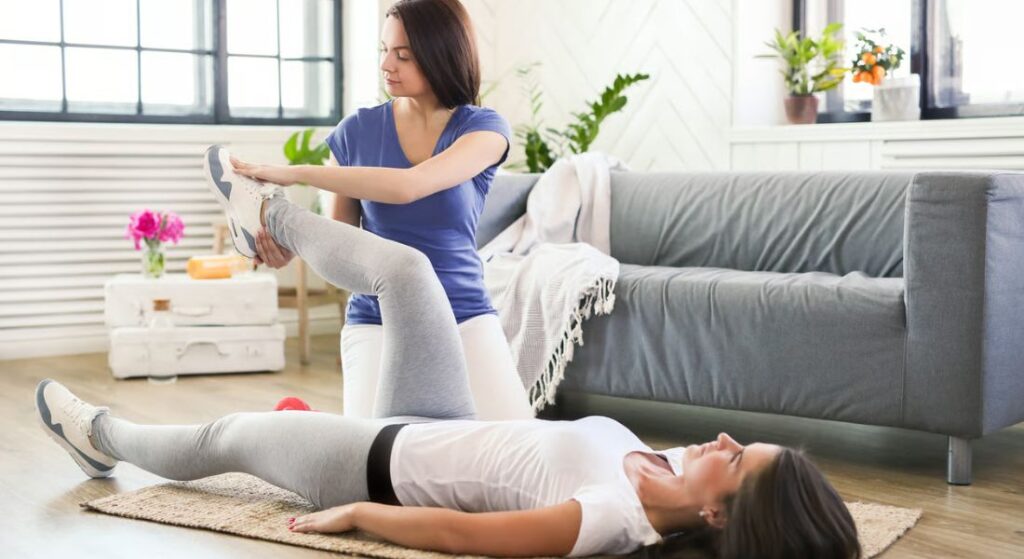
Pelvic-health physiotherapy can help if your pelvic-floor muscles have become tense, painful or difficult to relax. Your physiotherapist can assess your muscles and may use relaxation techniques, breathing exercises, gentle stretches or manual therapy rather than simply focusing on strengthening.
You may also be guided through gradual desensitisation or vaginal trainers if penetration has become difficult. Progress is usually gradual, with the aim of helping your muscles and nervous system respond more comfortably to touch and movement.
What Medicines Can Be Used for Vulvodynia?
Medication may be considered as part of your treatment depending on your symptoms and how you respond to other approaches. Local anaesthetic such as lidocaine can sometimes provide temporary relief, particularly before activities that trigger your symptoms.
Your clinician may also consider medicines used to manage nerve pain, such as amitriptyline, nortriptyline, gabapentin or pregabalin. These medicines can cause side effects such as drowsiness, dizziness or dry mouth, so your treatment should be adjusted and reviewed according to how you respond.
Are Injections or Surgery Ever Needed?
You will not usually need injections or surgery as a first treatment for vulvodynia. Your clinician may first recommend approaches such as vulval care, physiotherapy, medication and psychological or psychosexual support.
In difficult cases, specialist services may consider injections or nerve blocks, although these are not suitable for everyone. Surgery is only occasionally considered for carefully selected cases of localised provoked vestibulodynia when other treatments have not helped.
When Should You Seek Specialist Assessment?
You should speak to your GP if your vulval pain persists, keeps returning or makes sex or tampon insertion difficult. You should also seek assessment if you have repeatedly been treated for infections but your symptoms continue despite negative tests or appropriate treatment.
Specialist assessment may be helpful when your pain has lasted several months, pelvic-floor problems are suspected or initial treatment has not provided enough relief. You may benefit from a combination of gynaecology, dermatology, pelvic-health physiotherapy, pain management or psychosexual support.
Can Vulvodynia Improve Over Time?

Vulvodynia can improve with appropriate treatment, although the time this takes varies from person to person. You may notice gradual changes rather than an immediate disappearance of pain, and treatment sometimes needs to be adjusted as your symptoms and triggers become clearer. Improvement can take several weeks or months, particularly when pelvic-floor muscle tension, nerve sensitivity or persistent pain patterns have developed over time.
Your symptoms may also fluctuate during recovery, with better periods followed by temporary flare-ups. A flare-up does not necessarily mean that your treatment has stopped working or that the condition is permanently worsening. Keeping track of possible triggers and discussing persistent changes with your healthcare team can help them review your treatment plan and decide whether physiotherapy, medication, psychological support or another approach should be adjusted.
Myth vs Fact
| Myth | Fact |
| Vulvodynia means nothing physically is wrong because the skin looks normal. | Vulvodynia is a recognised chronic pain condition and nerve/pain-processing changes may be involved. |
| Vulvodynia is diagnosed after a few days of unexplained pain. | The accepted definition requires pain lasting at least three months. |
| Every burning vulval symptom is thrush. | Infection is only one possible cause and should be confirmed when symptoms keep returning. |
| Recurrent thrush always causes vulvodynia. | Previous infection may be associated with vulvodynia in some people, but a direct causal relationship is not established. |
| Menopause-related vulval pain is automatically vulvodynia. | Low-oestrogen changes may themselves explain pain and need appropriate assessment and treatment. |
| A normal-looking vulva means the pain is psychological. | Vulvodynia commonly occurs without obvious visible skin changes. |
| Pelvic-floor physiotherapy means doing more strengthening exercises. | Treatment may focus on relaxation, coordination, desensitisation and reducing muscle overactivity. |
| Psychological therapy means the clinician thinks the pain is imagined. | CBT or psychosexual support can help manage the effects of chronic pain alongside physical treatment. |
| Gabapentin is proven to work for everyone with vulvodynia. | Evidence is mixed, and controlled research has not shown consistent pain benefit over placebo. |
| Surgery is a standard treatment for vulvodynia. | Surgery is only occasionally considered for carefully selected localised provoked cases. |
Key Takeaways
- Vulvodynia is vulval pain lasting at least three months without another identifiable condition adequately explaining it.
- Pain may be spontaneous, triggered by touch or pressure, or both.
- The vulva can look normal despite significant pain.
- Diagnosis usually involves your history, vulval examination, pain mapping and selective tests to exclude other causes.
- Low-oestrogen conditions, infections and vulval skin disorders should be considered before symptoms are attributed to vulvodynia.
- Controlled trial evidence supports multimodal pelvic-floor physiotherapy for provoked vestibulodynia.
- Psychological or psychosexual therapy can support pain management and sexual wellbeing as part of multimodal care.
- Medication may be considered, but evidence varies and no single medicine works for everyone.
- Surgery is reserved for carefully selected cases rather than being a routine treatment.
Frequently Asked Questions
1. What is vulvodynia?
Vulvodynia is persistent or recurrent vulval pain that lasts for at least three months without another condition fully explaining the symptoms. You may experience burning, stinging, soreness, rawness or sharp pain even when your vulval skin looks normal.
2. What does vulvodynia feel like?
You may notice burning, stinging, aching, throbbing or stabbing pain around your vulva. The discomfort may occur spontaneously or be triggered by sex, tampon insertion, sitting, exercise or touch.
3. Can vulvodynia be mistaken for thrush?
Yes, vulvodynia can cause burning and soreness that feel similar to recurrent thrush. If your symptoms continue despite antifungal treatment or repeated tests do not show Candida, your clinician may consider vulvodynia or another cause.
4. How is vulvodynia diagnosed?
There is no single test that confirms vulvodynia. Your clinician will assess your symptoms, examine the vulval area and may use swabs or other investigations to rule out infections, skin conditions and other causes of pain.
5. Can vulvodynia be treated?
Yes, although treatment usually needs to be tailored to your symptoms rather than relying on one approach. You may benefit from vulval self-care, pelvic-floor physiotherapy, pain-relieving medicines, psychological or psychosexual support and, in selected cases, specialist procedures.
Final Thoughts: Understanding and Managing Vulvodynia
Vulvodynia can have a significant effect on your comfort, relationships and everyday activities, but persistent vulval pain does not mean you simply have to live with it. Getting the right diagnosis can help you understand what is causing your symptoms and identify treatments that may reduce your pain and improve your quality of life.
If you are considering vulvodynia treatment in London, you can contact our team at Gynaecology Clinic London to discuss your symptoms and the treatment options that may be appropriate for you.
References:
- Merlino, L. et al. (2022) ‘Vulvodynia: Pain management strategies’, Pharmaceuticals, 15(12), article 1514. Available at: https://www.mdpi.com/1424-8247/15/12/1514
- Callirgos Escajadillo, M.F. et al. (2026) ‘Impact of vulvodynia on the quality of life of women: A rapid review’, Journal of Clinical Medicine, 15(1), article 70. Available at: https://www.mdpi.com/2077-0383/15/1/70
- Schlaeger, J.M. et al. (2023) ‘Evaluation and treatment of vulvodynia: State of the science’, Journal of Midwifery & Women’s Health, 68(1), pp. 9–34. Available at: https://pmc.ncbi.nlm.nih.gov/articles/PMC10107324/
- Lountzi, A.Z., Abhyankar, P. and Durand, H. (2025) ‘A scoping review of vulvodynia research: Diagnosis, treatment, and care experiences’, Women’s Health, 21, article 17455057251345946. Available at: https://pmc.ncbi.nlm.nih.gov/articles/PMC12174717/
- Bornstein, J. et al. (2016) ‘2015 ISSVD, ISSWSH, and IPPS consensus terminology and classification of persistent vulvar pain and vulvodynia’, The Journal of Sexual Medicine, 13(4), pp. 607–612. Available at: https://pubmed.ncbi.nlm.nih.gov/27045260/
- Brown, C.S. et al. (2018) ‘Gabapentin for the treatment of vulvodynia: A randomized controlled trial’, Obstetrics & Gynecology, 131(6), pp. 1000–1007. Available at: https://pubmed.ncbi.nlm.nih.gov/29742655/
- Morin, M. et al. (2021) ‘Multimodal physical therapy versus topical lidocaine for provoked vestibulodynia: A multicenter, randomized trial’, American Journal of Obstetrics and Gynecology, 224(2), pp. 189.e1–189.e12. Available at: https://www.sciencedirect.com/science/article/abs/pii/S0002937820308668
- Bohm-Starke, N. et al. (2022) ‘Treatment of provoked vulvodynia: A systematic review’, The Journal of Sexual Medicine, 19(5), pp. 789–808. Available at: https://www.sciencedirect.com/science/article/pii/S1743609522005847
- NHS (2024) ‘Vulvodynia (vulval pain)’, NHS. Available at: https://www.nhs.uk/conditions/vulvodynia/