



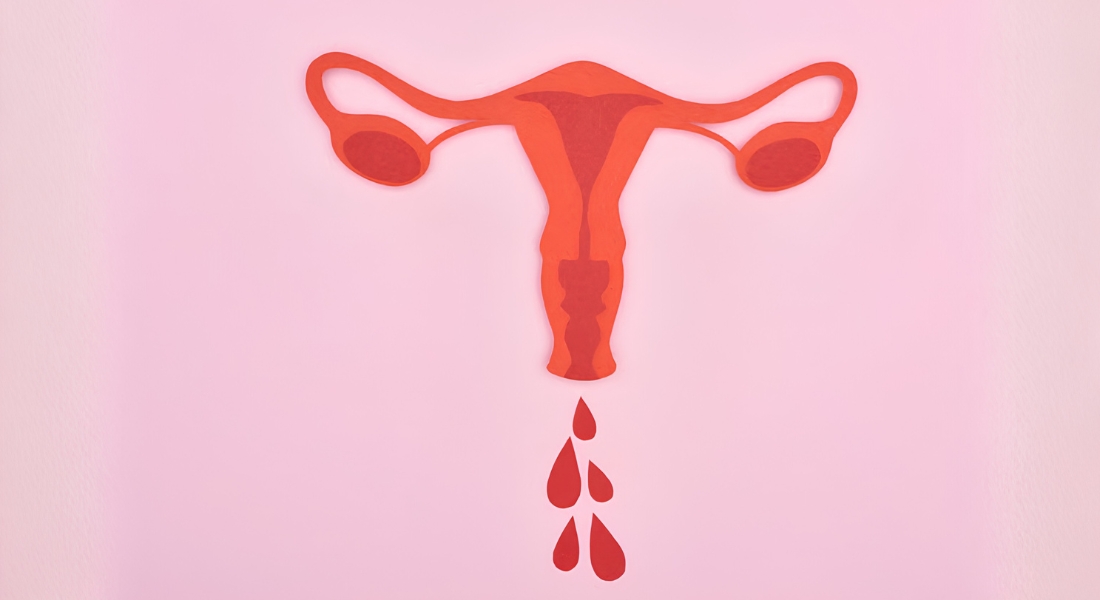
Period pain is common, but severe pain should not automatically be considered a normal part of menstruation. If your cramps regularly interfere with your work, education, sleep or everyday activities, it is important to seek medical advice rather than struggling through the symptoms each month.
You may feel pain in your lower abdomen, back, hips or thighs, and it can range from a dull ache to intense cramping. You may also experience symptoms such as nausea, diarrhoea, headaches, dizziness or tiredness, which can make your period even more difficult to manage.
The medical term for painful periods is dysmenorrhoea. Primary dysmenorrhoea is period pain that occurs without an identifiable pelvic condition and is linked mainly to prostaglandin-driven uterine contractions. Secondary dysmenorrhoea is pain associated with an underlying condition such as endometriosis, adenomyosis, fibroids or pelvic inflammatory disease.
What Happens in Your Body During a Period?
During your menstrual cycle, the lining of your womb gradually thickens in preparation for a possible pregnancy. If pregnancy does not occur, your hormone levels change and the lining breaks down, leaving your body as menstrual blood.
As this happens, your womb contracts to help expel the lining through your cervix and vagina. You may experience mild cramping during these contractions, but higher prostaglandin activity can cause stronger uterine contractions and temporarily reduce blood flow within the womb muscle, contributing to cramping pain.
Understanding Primary Dysmenorrhoea
Primary dysmenorrhoea is the medical term for painful periods that are not caused by an underlying disease or structural problem in your pelvis. It commonly begins during adolescence, often after ovulation has become established within the first few years after periods start.
You will usually notice the pain shortly before your period begins or during the first day of bleeding. The pain is often strongest during the first day of bleeding and usually improves over the following two or three days, although the severity can vary from one cycle to another.
How Prostaglandins Contribute to Period Pain
Prostaglandins are natural hormone-like substances that help your womb contract during your period so the lining can be shed. Higher levels of prostaglandins released from the womb lining can cause stronger and more frequent uterine contractions, which can lead to more intense cramping.
You may also experience symptoms such as nausea, diarrhoea or vomiting because prostaglandins can affect your digestive system as well as your womb. As the levels of these substances fall during your period, the pain often begins to improve over the following couple of days.
How Primary Period Pain Usually Feels
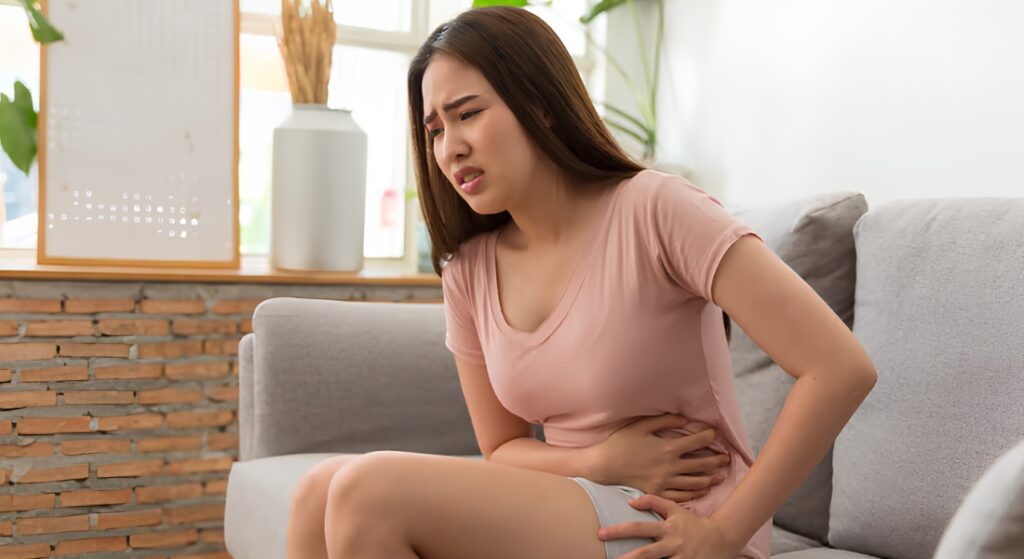
Primary dysmenorrhoea usually causes cramping pain in the lower abdomen that may spread to your lower back or thighs. You may also experience headaches, tiredness, dizziness, sweating or digestive symptoms such as nausea or diarrhoea during the first few days of your period.
What Is Secondary Dysmenorrhoea?
Secondary dysmenorrhoea is period pain caused by an underlying gynaecological or pelvic condition rather than the normal menstrual process. Secondary dysmenorrhoea may develop after years of manageable periods, although conditions such as endometriosis can also cause significant pain from adolescence.
The pain may begin several days before your period starts, continue after your bleeding has ended or occur at other times during your menstrual cycle. You may also notice heavy bleeding, irregular periods, painful sex, unusual discharge or bowel and bladder symptoms, which should be assessed by a healthcare professional.
Endometriosis
Endometriosis is a condition in which tissue similar to the lining of the womb is found elsewhere in the body, commonly within the pelvis. This tissue can cause inflammation, scarring and pain that often changes throughout your menstrual cycle.
You may experience severe period pain, ongoing pelvic pain, pain during or after sex, or pain when passing urine or opening your bowels, particularly when these symptoms follow a cyclical pattern. Some people also have heavy periods, fatigue or difficulty becoming pregnant, while others may have only a few symptoms, so it is important to seek medical advice if your symptoms are affecting your daily life.
Recognising Period Pain Linked to Endometriosis
Endometriosis-related pain often begins before your period starts and may continue for several days after it begins. You may notice that the pain becomes more severe over time, no longer responds to treatments that once helped or starts to occur at other times during your menstrual cycle.
Because the symptoms can be similar to those of other conditions, such as irritable bowel syndrome, pelvic inflammatory disease or primary dysmenorrhoea, it is important to seek medical advice if your period pain is affecting your daily activities or quality of life. Timely assessment can help clarify the possible causes and guide decisions about symptom management, imaging or specialist referral.
Why Endometriosis Can Be Difficult to Diagnose
Endometriosis can be difficult to diagnose because superficial disease may not be visible on an ultrasound or MRI scan. Ultrasound can identify ovarian endometriomas and some forms of deep endometriosis, while specialist MRI may be useful in selected cases. This means you can still have endometriosis even if your scan results are normal.
Your description of your symptoms plays an important role in reaching a diagnosis. Keeping a record of when your pain starts, how long it lasts, whether it affects your bowel or bladder and how it impacts your daily life can help your clinician identify patterns and decide whether you need specialist assessment.
UK Guidance Note
Current NICE guidance recommends offering a transvaginal ultrasound to people with suspected endometriosis, even when the abdominal or pelvic examination is normal. A transabdominal ultrasound should be considered if a transvaginal scan is declined or unsuitable. A normal examination or ultrasound does not exclude endometriosis, and specialist referral may still be appropriate when symptoms persist, recur or significantly affect daily life.
Adenomyosis
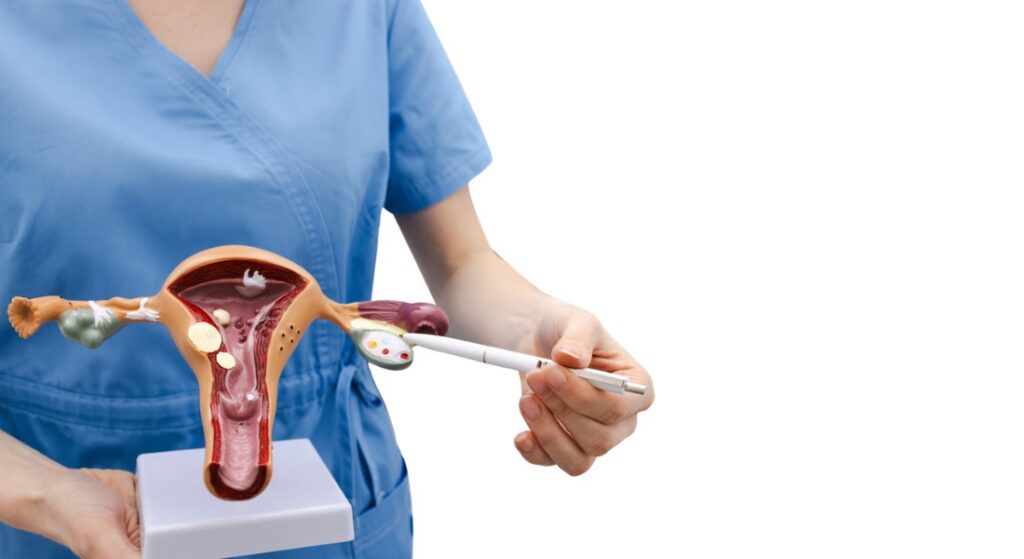
Adenomyosis is a condition in which endometrial glands and supporting tissue are found within the muscular wall of the womb. Adenomyosis may cause painful periods, heavy bleeding, pelvic pain, bloating or a feeling of pressure or fullness, although some people have no symptoms.
The pain is often described as deep cramping, aching or a heavy sensation rather than mild menstrual discomfort. You may also notice bloating, pain during sex or pelvic pain at other times during your menstrual cycle, so it is important to seek medical advice if these symptoms are affecting your daily life.
Adenomyosis and Endometriosis: What Is the Difference?
| Feature | Adenomyosis | Endometriosis |
| Main location | Endometrial glands and supporting tissue are found within the uterine muscle | Tissue similar to the womb lining is found outside the womb |
| Common symptoms | Painful periods, heavy bleeding, pelvic pressure or fullness | Painful periods, pelvic pain, pain during sex and cyclical bowel or bladder pain |
| Imaging | Transvaginal ultrasound is generally the first imaging test when adenomyosis is suspected; MRI may be considered in selected cases | Ultrasound may identify endometriomas or deep disease, but superficial disease may not appear |
| Can both occur together? | Yes | Yes |
| Does a normal scan exclude it? | Not always | No |
Fibroids
Fibroids are benign growths made from muscle and fibrous tissue that develop within or around the womb, and many people have them without experiencing any symptoms. If fibroids do cause problems, you may notice heavy or painful periods, pelvic pressure, lower back pain, abdominal swelling or discomfort during sex.
Depending on their size and location, fibroids can also press on your bladder or bowel, leading to frequent urination or constipation. If you are experiencing these symptoms, it is important to seek medical advice so the cause can be assessed and the most appropriate treatment can be discussed.
Why the Position of a Fibroid Matters
The position of a fibroid can influence the symptoms you experience. Fibroids that distort or project into the womb cavity are more likely to contribute to heavy menstrual bleeding, while larger intramural or outer-wall fibroids may cause pressure symptoms.
Finding a fibroid on an ultrasound does not always mean it is the cause of your symptoms. Your clinician will consider the size and location of the fibroid alongside your symptoms before recommending whether you need monitoring, medication or another form of treatment.
Pelvic Inflammatory Disease
Pelvic inflammatory disease is an infection of the upper female reproductive tract, which may involve the womb, fallopian tubes, ovaries and surrounding tissues. It is often associated with sexually transmitted infections such as chlamydia or gonorrhoea, although other bacteria can also be involved.
You may experience lower abdominal or pelvic pain, pain during sex, unusually heavy or painful periods, bleeding between periods or after sex, and unusual vaginal discharge. Ask for an urgent GP appointment, contact a sexual health clinic or use NHS 111 if you think you may have PID. Call 999 or attend A&E if the pain is severe, sudden or worsening, or if it is accompanied by heavy bleeding, fainting, a very high temperature, vomiting or feeling very unwell.
Why Prompt Treatment for PID Is Important

Pelvic inflammatory disease (PID) is usually treated with antibiotics, and starting treatment promptly is important to reduce the risk of complications. If left untreated, the infection can damage your fallopian tubes and increase the risk of long-term pelvic pain, fertility problems and ectopic pregnancy.
Ovarian Cysts
An ovarian cyst is a fluid-filled sac that develops on or inside an ovary. Many ovarian cysts are benign functional cysts that develop as part of the menstrual cycle and resolve without treatment, so you may never realise you have one.
Sometimes, however, you may experience one-sided pelvic pain, painful periods, bloating, discomfort during sex or changes in your bladder or bowel habits. Because these symptoms can have several different causes, your clinician may recommend an ultrasound scan to check for an ovarian cyst and assess its size, appearance and location. Finding a cyst does not always mean that it is responsible for your symptoms.
Ask for an urgent GP appointment or contact NHS 111 if pelvic pain is severe, worse than usual or not helped by pain relief. Sudden severe one-sided pain, especially with nausea or vomiting, needs urgent assessment because it may indicate a ruptured cyst, ovarian torsion or another acute abdominal condition. If pregnancy is possible, one-sided pain, vaginal bleeding or shoulder-tip pain also requires urgent assessment, even without a positive pregnancy test. Call 999 or go to A&E for intense pain with severe dizziness, fainting or collapse.
Can Contraception Affect Period Pain?
Some hormonal contraceptive methods can reduce period pain or bleeding, although their effects vary between individuals and methods. Your clinician may suggest one of these methods to manage period pain, even when preventing pregnancy is not your main reason for using contraception.
- Hormonal Options: The combined pill and hormonal intrauterine system may reduce period pain and bleeding for many people. The implant or injection may also help some people, but irregular or unpredictable bleeding can occur.
- Individual Results: The effect can vary, so your clinician can help you choose an option that suits your symptoms and health needs.
- Copper IUD Effects: A copper intrauterine device can make periods heavier, longer or more painful, particularly during the first few months, although this may improve with time.
- Seek Medical Advice: If you have a coil, seek medical advice for new or persistent pelvic pain, fever, unusual discharge, very heavy bleeding or possible pregnancy with pain.
Contraception can affect period pain differently depending on the method you use. Discussing your symptoms with a clinician can help you choose a suitable option and identify any pain that may need further assessment.
When Painful Periods Begin During Adolescence
Painful periods often begin during the teenage years, but severe symptoms should not be dismissed simply because you are young. Conditions such as endometriosis can also develop during adolescence and may affect your education, sleep, exercise and everyday activities.
An internal vaginal examination should only be considered when clinically appropriate. The clinician should explain why, obtain valid consent, confirm that it can be stopped at any time and offer a trained chaperone.
Seek medical advice if period pain regularly causes you to miss school, prevents you from taking part in normal activities or is becoming difficult to manage. Assessment will usually begin with a discussion about your symptoms and their effect on education, sleep and everyday life.
Symptoms That Should Be Medically Assessed
Seek medical advice if your periods are becoming more painful, heavier or irregular, if usual treatments no longer help, or if the pain disrupts your daily activities. Pain during sex, bleeding between periods, unusual vaginal discharge, or pain when passing urine or opening your bowels should also be assessed.
Persistent bloating or abdominal swelling, feeling full unusually quickly or unexplained weight loss should be discussed with a clinician, particularly when these symptoms are new or worsening.
How the Cause of Painful Periods Is Investigated
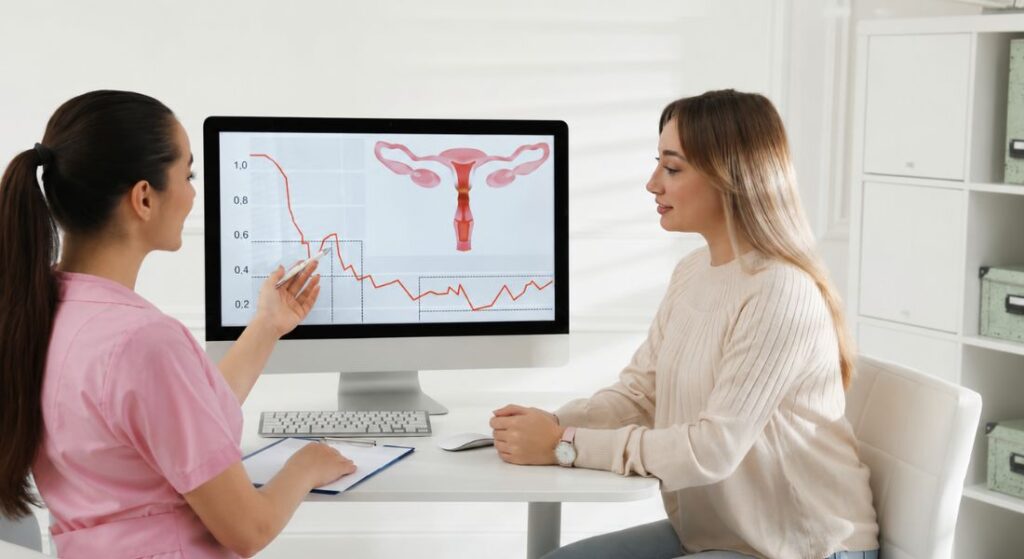
Your clinician will ask when your period pain started, how it relates to your menstrual cycle and whether it has changed over time. You may also be asked about your bleeding pattern, contraception, sexual health, pregnancies, previous infections, surgery and any cyclical bowel or bladder symptoms that could help identify the underlying cause.
Depending on your symptoms, assessment may include an abdominal or pelvic examination, a pregnancy test when clinically relevant, urine or infection testing, blood tests or a pelvic ultrasound. A full blood count should be arranged when heavy menstrual bleeding is being assessed. Other investigations should be selected according to your symptoms and individual circumstances, and your clinician should explain why each test is being recommended.
Myth vs Fact
| Myth | Fact |
| Severe period pain is always normal. | Mild cramps are common, but pain that repeatedly disrupts work, education, sleep or everyday activities should be assessed. |
| Painful periods always mean endometriosis. | Primary dysmenorrhoea is common, but endometriosis and other conditions may be considered when symptoms are severe, worsening or atypical. |
| A normal ultrasound rules out endometriosis. | Ultrasound can identify some endometriosis and other pelvic conditions, but a normal result does not completely exclude endometriosis. |
| Fibroids found on a scan must be causing the pain. | Many fibroids cause no symptoms. Their size and location must be considered alongside the symptom pattern. |
| PID pain only occurs during a period. | PID may cause pelvic pain at any time and can also cause discharge, bleeding after sex, fever or pain during sex. |
| Every ovarian cyst needs treatment. | Many cysts resolve without treatment, but sudden severe pain requires urgent assessment. |
| Hormonal contraception is only used to prevent pregnancy. | Some hormonal methods are also used to reduce period pain or bleeding. |
| Pain relief is safe for everyone. | Suitability depends on medical conditions, allergies, other medicines and possible pregnancy. |
Key Takeaways
- Mild menstrual cramps are common, but disabling pain needs assessment.
- Primary dysmenorrhoea occurs without an identified pelvic condition.
- Secondary dysmenorrhoea may be linked to endometriosis, adenomyosis, fibroids, PID or another cause.
- A normal ultrasound does not completely exclude endometriosis.
- Finding a fibroid or cyst does not automatically prove it is causing the pain.
- PID pain may occur outside menstruation and requires prompt treatment.
- Sudden severe one-sided pain with nausea or vomiting needs urgent assessment.
- Pregnancy-related causes should be considered when pregnancy is possible.
- Pain-relieving medicines and hormonal treatments are not suitable for everyone.
- The cause may not always be confirmed during the first appointment.
Frequently Asked Questions
1. Are painful periods normal?
Mild to moderate period pain is common, especially during the first day or two of your period. However, severe pain that regularly affects your work, education, sleep or daily activities should not be ignored. If your symptoms are worsening or becoming difficult to manage, you should arrange a medical assessment.
2. What conditions can cause severe period pain?
Severe period pain may be caused by conditions such as endometriosis, adenomyosis, fibroids, pelvic inflammatory disease or ovarian cysts. These conditions may also cause symptoms, including heavy bleeding, pain during sex, pelvic pain outside your period or changes in your bowel or bladder habits. A medical assessment can help identify the underlying cause.
3. When should you see a doctor about painful periods?
You should seek medical advice if your periods become increasingly painful, your pain does not improve with usual treatments, or it interferes with your everyday life. It is also important to be assessed if you experience heavy bleeding, bleeding between periods, pain during sex, unusual vaginal discharge or persistent pelvic pain.
4. Can endometriosis cause painful periods?
Yes. Endometriosis is a common cause of secondary dysmenorrhoea and can lead to severe period pain that may begin before your period and continue after it ends. You may also notice pelvic pain, pain during or after sex, bowel or bladder symptoms, or difficulty becoming pregnant.
5. Can hormonal contraception help reduce period pain?
Yes. Some hormonal contraceptive methods can reduce period pain or bleeding. The combined pill and hormonal intrauterine system may help many people. The implant or injection may also help, although irregular or unpredictable bleeding can occur. The most suitable option depends on your symptoms, medical history and personal preferences.
Final Thoughts: Understanding the Cause of Your Period Pain
Although period pain is common, severe or worsening symptoms should never be accepted as something you simply have to live with. Identifying whether your pain is caused by primary dysmenorrhoea or an underlying condition such as endometriosis, adenomyosis, fibroids or pelvic inflammatory disease is an important step towards effective management and improving your quality of life. If your symptoms affect daily life or are becoming harder to control, arrange an initial medical assessment. Where appropriate, specialist painful periods treatment in London can support further investigation and a personalised management plan.
References:
- Becker, C.M., Bokor, A., Heikinheimo, O., Horne, A., Jansen, F., Kiesel, L., King, K., Kvaskoff, M., Nap, A., Petersen, K., Saridogan, E., Tomassetti, C., van Hanegem, N., Vulliemoz, N. and Vermeulen, N. (2022) ‘ESHRE guideline: Endometriosis’, Human Reproduction Open, 2022(2), hoac009. Available at: https://academic.oup.com/hropen/article/2022/2/hoac009/6537540
- Bernardi, M., Lazzeri, L., Perelli, F., Reis, F.M. and Petraglia, F. (2017) ‘Dysmenorrhea and related disorders’, F1000Research, 6, 1645. Available at: https://pmc.ncbi.nlm.nih.gov/articles/PMC5585876/
- General Medical Council (2024) Intimate examinations and chaperones. Guidance effective from 30 January 2024 and updated 13 December 2024. Available at: https://www.gmc-uk.org/professional-standards/the-professional-standards/intimate-examinations-and-chaperones
- Itani, R., Soubra, L., Karout, S., Rahme, D., Karout, L. and Khojah, H.M.J. (2022) ‘Primary dysmenorrhea: Pathophysiology, diagnosis, and treatment updates’, Korean Journal of Family Medicine, 43(2), pp. 101–108. Available at: https://pmc.ncbi.nlm.nih.gov/articles/PMC8943241/
- National Institute for Health and Care Excellence (2023) Dysmenorrhoea. NICE Clinical Knowledge Summary. Last revised October 2023. Available at: https://cks.nice.org.uk/topics/dysmenorrhoea/
- National Institute for Health and Care Excellence (2019, updated 2026) Ectopic pregnancy and miscarriage: Diagnosis and initial management. NICE guideline NG126. Last updated 17 June 2026. Available at: https://www.nice.org.uk/guidance/ng126
- National Institute for Health and Care Excellence (2017, updated 2024) Endometriosis: Diagnosis and management. NICE guideline NG73. Last updated 11 November 2024. Available at: https://www.nice.org.uk/guidance/ng73
- National Institute for Health and Care Excellence (2018, updated 2026) Heavy menstrual bleeding: assessment and management. NICE guideline NG88. Last updated 7 July 2026. Available at: https://www.nice.org.uk/guidance/ng88
- NHS (2023) Adenomyosis. Page last reviewed 17 July 2023. Available at: https://www.nhs.uk/conditions/adenomyosis/
- NHS (2024) Endometriosis. Page last reviewed 27 August 2024. Available at: https://www.nhs.uk/conditions/endometriosis/
- NHS (2026) Fibroids. Page last reviewed 17 March 2026. Available at: https://www.nhs.uk/conditions/fibroids/
- NHS (2024) How contraception affects periods. Page last reviewed 31 January 2024. Available at: https://www.nhs.uk/contraception/choosing-contraception/effects-on-periods/
- NHS (2023) Ovarian cyst. Page last reviewed 21 June 2023. Available at: https://www.nhs.uk/conditions/ovarian-cyst/
- NHS (2025) Pelvic inflammatory disease. Page last reviewed 17 December 2025. Available at: https://www.nhs.uk/conditions/pelvic-inflammatory-disease-pid/
- NHS (2026) Period pain. Page last reviewed 18 March 2026. Available at: https://www.nhs.uk/symptoms/period-pain/
- Royal College of Obstetricians and Gynaecologists (2017) Ectopic pregnancy. Published November 2017; review currently in progress. Available at: https://www.rcog.org.uk/for-the-public/browse-our-patient-information/ectopic-pregnancy/