



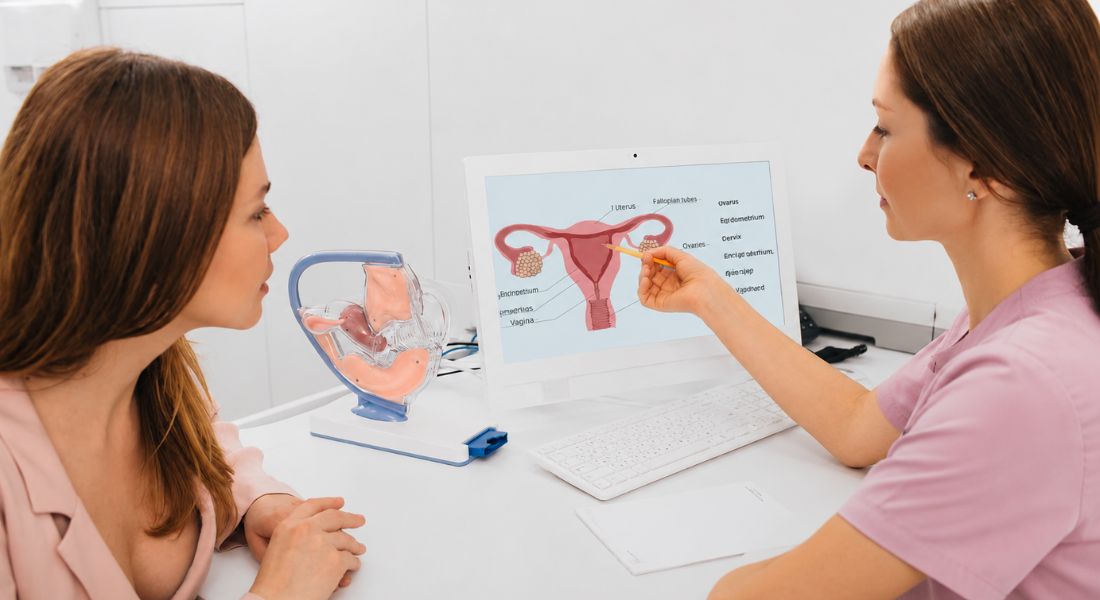
Pelvic pain is discomfort felt in the lowest part of your abdomen, below your belly button and between your hips. You may notice cramping, pressure, heaviness, burning, throbbing or a sharp pain that comes on suddenly, and it may occur during your period, at other times in your menstrual cycle or throughout the month.
Pelvic pain does not always come from your reproductive organs. Your bladder, bowel, pelvic floor muscles, joints and nerves can all cause similar symptoms. Many causes can be treated or managed, but severe, persistent or worsening pain should be medically assessed. The timing of your symptoms and any changes in your bleeding, bowel or bladder habits can help your clinician investigate the possible cause.
Understanding Pelvic Pain
Pelvic pain is a symptom rather than a diagnosis. It may arise from your womb, ovaries, fallopian tubes, cervix or surrounding pelvic tissues, but it can also be linked to your bladder, bowel, pelvic floor muscles, abdominal wall, joints, nerves or lower back. You may feel pain in one area or notice that it spreads across your lower abdomen, hips, back or thighs.
Pelvic pain can affect people in different ways. You may experience a constant dull ache, occasional severe flare-ups or pain only during certain activities. If your pain repeatedly disrupts your work, sleep, exercise, relationships or daily life, you should arrange a medical assessment, even if you feel able to cope with it.
Acute and Long-Term Pelvic Pain
Acute pelvic pain begins suddenly or develops over a short period and may become severe. It may be caused by conditions such as a ruptured ovarian cyst, ovarian torsion, a pelvic infection, appendicitis or an ectopic pregnancy, and you may need urgent medical assessment to identify the cause.
Chronic pelvic pain generally lasts for six months or longer or keeps returning over an extended period. It may be linked with conditions such as endometriosis, adenomyosis, pelvic floor dysfunction, bladder pain syndrome or bowel disorders. Even if you have ongoing pelvic pain, you should seek urgent medical advice if your pain suddenly becomes much worse or is accompanied by fainting, fever, vomiting or heavy bleeding.
Can Pelvic Pain Have More Than One Cause?
Long-term pelvic pain can have more than one contributing cause. Endometriosis, bladder pain syndrome, bowel conditions, pelvic floor dysfunction and musculoskeletal pain may overlap, and some people have persistent pain even when no single cause is found. This does not mean that the pain is not real.
Your clinician may therefore assess menstrual, bladder, bowel, sexual and movement-related symptoms rather than looking for only one diagnosis. Treatment may involve more than one approach, such as medical treatment for a gynaecological condition, pelvic health physiotherapy, bladder or bowel management and support for persistent pain. The plan should reflect your symptoms, examination findings, treatment preferences and the effect of pain on your daily life.
What Can the Pattern of Pelvic Pain Suggest?
| Pain pattern or accompanying symptom | Possible causes to consider |
| Pain mainly during periods | Primary period pain, endometriosis or adenomyosis |
| Sudden one-sided pain with nausea or vomiting | Ovarian torsion or a cyst complication |
| Pelvic pain when pregnancy is possible, particularly with bleeding, dizziness or shoulder-tip pain | Ectopic pregnancy or pregnancy complication |
| Pelvic pain with unusual discharge, fever, bleeding between periods or bleeding after sex | Pelvic inflammatory disease |
| Pain linked to bladder filling or urination | UTI or bladder pain syndrome |
| Pain linked to bowel movements or eating | IBS, constipation, bowel disease or endometriosis |
| Pain affected by sitting, movement or exercise | Pelvic-floor, joint, muscular or nerve-related pain |
| Persistent or frequent pelvic pain with ongoing bloating, feeling full quickly, appetite loss or unexplained weight loss | Requires assessment to exclude a serious cause |
Menstrual Cramps
Your womb naturally contracts during your period to help shed its lining, and these contractions can cause cramping in your lower abdomen, back or thighs. This type of pain, known as primary dysmenorrhoea, often starts shortly before or around the beginning of your period and usually improves as the period progresses.
Although menstrual cramps can be painful, you should seek medical advice if your pain starts several days before your period, continues after it ends, becomes progressively worse or occurs at other times in your cycle. These features may indicate secondary period pain associated with a condition such as endometriosis, adenomyosis, fibroids or pelvic inflammatory disease.
Endometriosis
Endometriosis is a long-term condition in which tissue similar to the lining of your womb grows outside the womb, often affecting your ovaries, the pelvic lining or areas behind the womb. You may experience painful periods, ongoing pelvic pain, deep pain during or after sex, or discomfort when opening your bowels or passing urine, especially around your period.
The severity of your pain does not always reflect how extensive the condition is. You can have significant symptoms even if your examination or ultrasound appears normal, so you should discuss persistent or worsening pelvic pain with your clinician if it is affecting your daily life.
Evidence Note
NICE recommends offering a transvaginal ultrasound scan when endometriosis is suspected, even if the abdominal or pelvic examination is normal. If a transvaginal scan is declined or unsuitable, a transabdominal pelvic ultrasound may be considered. A normal examination or scan does not rule out endometriosis, and persistent, recurrent or life-disrupting symptoms may still require referral, specialist imaging or consideration of laparoscopy.
Adenomyosis
Adenomyosis occurs when tissue similar to the womb lining is found within the muscular wall of the womb. This can make your womb feel enlarged or tender, and you may experience deep pelvic pain, pressure, heavier periods or cramps that become more painful over time.
The symptoms can overlap with those of endometriosis and fibroids, and you may have more than one condition at the same time. Your clinician may recommend a pelvic ultrasound and, in selected cases, an MRI scan to look for features of adenomyosis, but your treatment will also depend on your symptoms, your overall health and whether you are planning a pregnancy.
Ovarian Cysts
An ovarian cyst is a fluid-filled sac that develops on an ovary. Many cysts are a normal part of the menstrual cycle, cause no symptoms and disappear on their own within a few months without treatment.
If a cyst does cause symptoms, you may notice a dull ache, pressure or pain on one side of your pelvis, along with bloating, discomfort during sex or changes in your bowel or bladder habits. The vast majority of ovarian cysts are non-cancerous, although the likelihood of a concerning cyst is higher after menopause.
What Happens if a Cyst Ruptures or an Ovary Twists?
An ovarian cyst can rupture and cause sudden pelvic pain when fluid or blood irritates the surrounding tissues. The severity varies, and some ruptures require urgent assessment. In some cases, your ovary can also twist on its supporting tissues, a condition called ovarian torsion, which reduces the blood supply and is a medical emergency.
Contact NHS 111 urgently if you develop sudden severe pelvic pain or pelvic pain with nausea or vomiting. Call 999 or attend A&E if the pain is rapidly worsening or is accompanied by fainting, collapse, heavy bleeding or difficulty breathing.
Fibroids
Fibroids are non-cancerous growths that develop in or around your womb. Many fibroids do not cause symptoms, but you may experience heavy periods, pelvic pain, pressure or lower back discomfort depending on their size and location.
A fibroid can also press on your bladder or bowel, causing symptoms such as frequent urination or constipation. Finding a fibroid on an ultrasound does not always explain your pain, so your clinician will consider whether it matches your symptoms before discussing the most appropriate treatment options with you.
Pelvic Inflammatory Disease
Pelvic inflammatory disease is an infection affecting the upper reproductive tract, which may include the womb, fallopian tubes and ovaries. You may experience lower abdominal pain, unusual vaginal discharge, bleeding between periods, bleeding after sex or deep pain during intercourse, and some people also develop fever, nausea or pain when passing urine.
PID is usually treated with antibiotics. Prompt treatment is important because untreated or severe infection may lead to complications such as long-term pelvic pain, fertility problems, abscesses or an increased likelihood of ectopic pregnancy. Ask for an urgent GP appointment or contact NHS 111 if you think you have symptoms of PID, or if you have pelvic pain and pregnancy is possible. Call 999 or attend A&E if the pain is severe or worsening, or if you have heavy bleeding, a high temperature, fainting, vomiting or feel very unwell.
Pregnancy-Related Causes
Pelvic pain during early pregnancy can have several causes. Mild discomfort may occur, but pain should not automatically be assumed to be normal. It may also be associated with miscarriage or ectopic pregnancy, which occurs when a fertilised egg implants outside the womb, most commonly in a fallopian tube.
Contact NHS 111 urgently if you have pelvic pain and may be pregnant, particularly if you also have vaginal bleeding. Call 999 or attend A&E immediately if the pain is severe or worsening, or if you have shoulder-tip pain, fainting, severe dizziness, heavy bleeding or difficulty breathing. Do not drive yourself.
Ovulation Pain
You may experience one-sided pelvic pain around the middle of your menstrual cycle when your ovary releases an egg. This is known as mittelschmerz, or ovulation pain, and it may feel like a brief sharp pain or a dull ache that lasts for a few hours or, occasionally, up to a couple of days.
Ovulation pain is usually mild and settles on its own. However, you should not assume that severe, persistent or worsening one-sided pain is caused by ovulation, as you may need assessment to rule out conditions such as an ovarian cyst or ovarian torsion.
Pelvic Adhesions
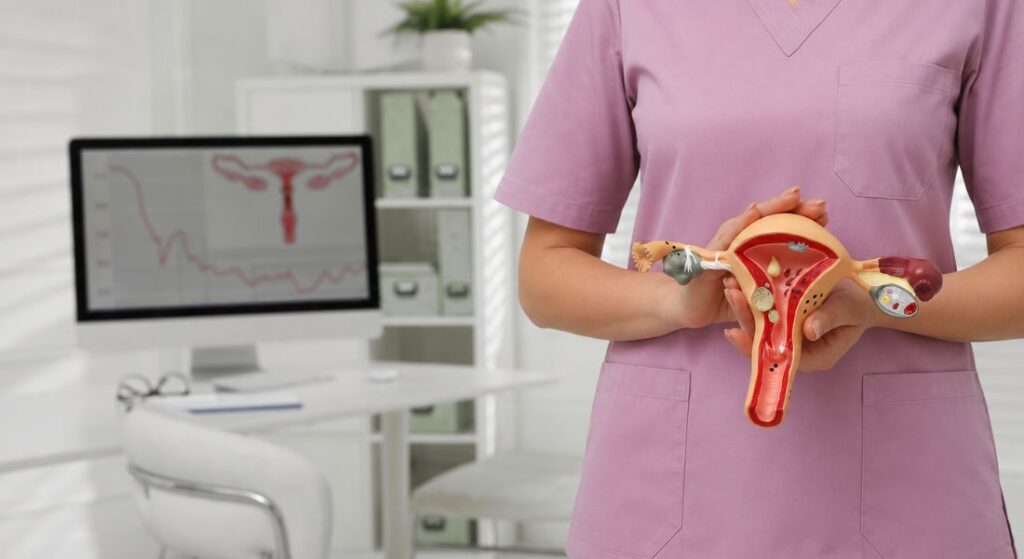
Pelvic adhesions are bands of scar tissue that can develop after surgery, infection, inflammation or endometriosis. They may restrict movement between nearby organs, but the relationship between adhesions and chronic pelvic pain is not always clear, and many adhesions cause no symptoms.
Adhesions involving the fallopian tubes or ovaries may affect fertility. They are not usually visible on standard ultrasound scans, and even when they are found during surgery, they may not fully explain the pain. Your clinician should consider other possible causes before assuming that adhesions are responsible.
Pelvic Floor Muscle Dysfunction
Your pelvic floor muscles support your bladder, womb and bowel, but they can become tense, painful or poorly coordinated. This may happen after childbirth, surgery, injury, prolonged pain or stress and can cause symptoms that overlap with gynaecological, bladder or bowel conditions.
- Pelvic Discomfort: You may experience deep aching, pressure or pain that becomes worse after sitting, exercise or certain movements.
- Pain During Sex: Tight or tender pelvic floor muscles can cause discomfort during or after sexual activity.
- Bladder and Bowel Symptoms: You may notice urinary urgency, difficulty emptying your bladder or problems opening your bowels.
- Specialist Physiotherapy: A pelvic health physiotherapist may recommend breathing exercises, relaxation techniques, manual therapy and a personalised rehabilitation plan.
Pelvic floor muscle dysfunction can occur alone or alongside another cause of pelvic pain. A specialist assessment can help identify which muscles are affected and guide a personalised treatment plan to improve your comfort and daily function.
Bladder and Urinary Conditions
A urinary tract infection (UTI) can cause lower abdominal pain, burning when you pass urine, urgency and frequent urination. You may also notice cloudy or strong-smelling urine, while fever or pain in your back or side may suggest a more serious infection.
Not all bladder-related pain is caused by an infection. You may have bladder pain syndrome, which can cause ongoing discomfort that worsens as your bladder fills and improves after you pass urine. If your urine tests are negative but your symptoms continue, you may need further assessment to identify the underlying cause.
Bowel Conditions
Constipation can cause pressure, aching and discomfort across your lower abdomen and pelvis. You may also experience hard stools, straining or a feeling that your bowel has not emptied completely, while irritable bowel syndrome (IBS) can lead to cramping, bloating, diarrhoea or constipation.
Bowel symptoms can sometimes become more noticeable around your period, making them difficult to distinguish from gynaecological conditions. You should tell your clinician whether your pain is linked to eating, bowel movements or menstruation so they can consider both digestive and pelvic causes.
Pelvic Organ Prolapse
Pelvic organ prolapse occurs when one or more pelvic organs move downwards and bulge into the vagina. It is more common after childbirth and with age, particularly after menopause, and is also associated with long-term constipation and straining, persistent coughing, higher body weight or previous pelvic surgery. You may notice heaviness, dragging or pressure in your pelvis rather than sharp pain.
You may also feel a bulge in your vagina or experience bladder or bowel symptoms that become worse after standing for long periods. Your treatment will depend on the type and severity of the prolapse, and you may benefit from pelvic floor physiotherapy, lifestyle changes, a vaginal pessary or surgery, depending on your symptoms and preferences.
Nerve, Joint and Muscular Pain
Pelvic pain does not always come from your reproductive organs. Pain from your lower back, hips, abdominal muscles, pelvic joints or surrounding nerves can be felt in your pelvis, and you may notice burning, tingling, aching or pain that spreads to your groin, buttocks or upper thighs.
These problems can occur on their own or alongside a gynaecological condition. You should tell your clinician how your pain changes with movement, sitting or certain positions, as you may benefit from a physical examination and a pelvic health assessment to identify the underlying cause.
Less Common but Serious Causes
Pelvic pain is occasionally linked to cancers affecting your ovaries, womb, cervix, bowel or bladder, although these are much less common than non-cancerous causes. Pelvic pain on its own does not mean you have cancer, but you should not ignore symptoms that are new, persistent or getting worse.
You should arrange a medical assessment if your pelvic pain occurs with persistent bloating, abdominal swelling, feeling full quickly, unexplained weight loss, changes in your bowel habits or unexpected vaginal bleeding. Your clinician will consider your age, family history and symptoms to decide whether further investigations are needed.
How Pelvic Pain Is Investigated and Treated
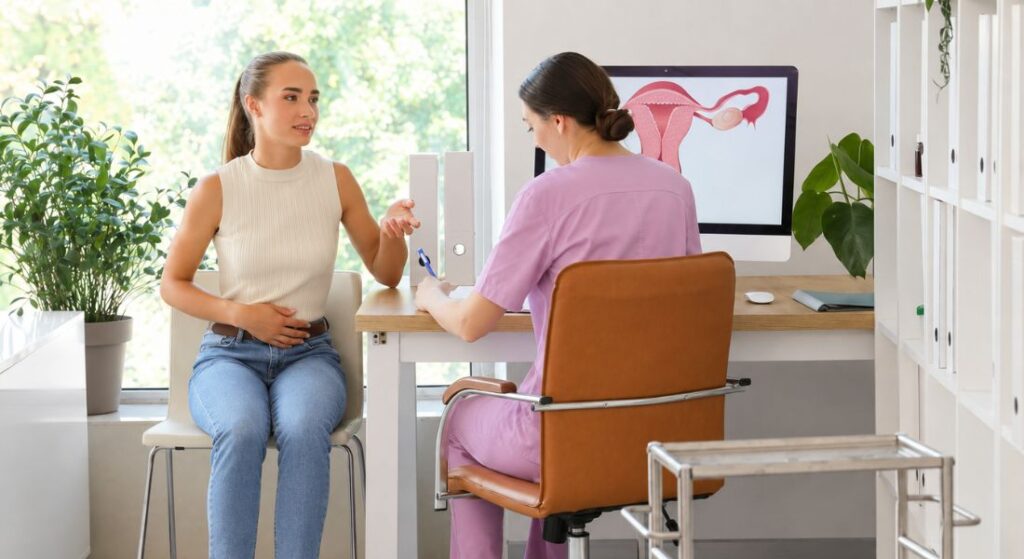
Your clinician will ask when your pain started, where you feel it and whether it is linked to your periods, sex, urination, bowel movements or physical activity. You may also be asked about your bleeding, vaginal discharge, contraception, pregnancies, previous infections, surgery and how your symptoms affect your daily life.
Your assessment may include an examination, urine or blood tests, swabs and imaging such as an ultrasound or MRI, depending on your symptoms. Your treatment will be based on the underlying cause and may involve medication, physiotherapy, lifestyle advice, hormonal treatment or surgery, so you receive care that is appropriate for your needs.
Myth vs Fact
| Myth | Fact |
| Pelvic pain always comes from the womb or ovaries. | It can also arise from the bladder, bowel, pelvic floor, joints, muscles or nerves. |
| Severe pain always means severe endometriosis. | The intensity of pain does not reliably show the extent of endometriosis. |
| A normal ultrasound rules out endometriosis. | Superficial endometriosis may not be visible on ultrasound. |
| Every ovarian cyst requires treatment. | Many functional cysts disappear without treatment. |
| Long-term pelvic pain always has one cause. | Several conditions or pain mechanisms may contribute at the same time. |
Key Takeaways
- Pelvic pain is a symptom, not a diagnosis.
- It may arise from gynaecological, urinary, bowel, muscular, joint or nerve-related conditions.
- Sudden severe pain may require emergency assessment.
- Pregnancy-related causes must be considered whenever pregnancy is possible.
- A normal ultrasound does not rule out endometriosis.
- Many ovarian cysts are harmless, but torsion and some ruptures require urgent care.
- Persistent pelvic pain may have several overlapping causes.
- Normal investigations do not mean that the pain is not real.
- Treatment should address the underlying cause and the effect of pain on daily life.
- Pelvic-floor physiotherapy or multidisciplinary support may be appropriate for selected patients.
Frequently Asked Questions
1. Can pelvic pain be normal during your period?
Mild to moderate cramping during your period is common because your womb contracts to shed its lining. However, severe pain that prevents you from carrying out your normal activities, becomes worse over time or continues outside your period should be assessed by a clinician.
2. When should I seek urgent medical help for pelvic pain?
Contact NHS 111 if pelvic pain occurs with fever, vomiting, unusual discharge, difficulty passing urine or stool, or possible pregnancy. Call 999 or attend A&E if the pain is severe or worsening, or if you faint, have shoulder-tip pain, heavy bleeding or difficulty breathing.
3. Can pelvic pain affect fertility?
Some causes of pelvic pain, including endometriosis and pelvic inflammatory disease, may be associated with fertility problems. Prompt treatment of pelvic inflammatory disease can reduce the risk of complications, while fertility assessment for endometriosis depends on your symptoms and individual circumstances.
4. How is the cause of pelvic pain diagnosed?
Your clinician will ask about your symptoms, menstrual cycle, medical history and any bladder or bowel changes. Depending on your symptoms, investigations may include a pelvic examination, urine and blood tests, infection screening or an ultrasound scan.
5. Can pelvic pain come from the bladder or bowel instead of the reproductive organs?
Yes. Pelvic pain is not always caused by a gynaecological condition, as bladder infections, bowel disorders, pelvic floor muscle problems and some musculoskeletal conditions can produce similar symptoms. A thorough assessment helps determine the underlying cause and guide the most appropriate treatment.
Final Thoughts: Getting the Right Support for Pelvic Pain
Pelvic pain can have many different causes, ranging from temporary conditions to long-term gynaecological or urinary problems. Although some episodes settle on their own, persistent, severe or recurring pain should never be ignored, particularly if it begins to affect your daily activities, work or quality of life. Seeking an assessment early can help identify the underlying cause and prevent unnecessary delays in treatment.
If you’re seeking pelvic pain treatment in London, you can contact Gynaecology Clinic London to arrange a consultation with a consultant gynaecologist.
References:
- NHS (2025) ‘Pelvic pain’. Page last reviewed 24 November 2025. Available at: https://www.nhs.uk/symptoms/pelvic-pain/
- National Institute for Health and Care Excellence (2017, updated 2024) ‘Endometriosis: diagnosis and management’. NICE guideline NG73. Published 6 September 2017; last updated 11 November 2024. Available at: https://www.nice.org.uk/guidance/ng73
- NHS (2023) ‘Ovarian cyst’. Page last reviewed 21 June 2023. Available at: https://www.nhs.uk/conditions/ovarian-cyst/
- NHS (2025) ‘Pelvic inflammatory disease’. Page last reviewed 17 December 2025. Available at: https://www.nhs.uk/conditions/pelvic-inflammatory-disease-pid/
- National Institute for Health and Care Excellence (2015, updated 2026) ‘Suspected cancer: recognition and referral’. NICE guideline NG12. Published 23 June 2015; last updated 15 April 2026. Available at: https://www.nice.org.uk/guidance/ng12
- National Institute for Health and Care Excellence (2019, updated 2026) ‘Ectopic pregnancy and miscarriage: diagnosis and initial management’. NICE guideline NG126. Published 17 April 2019; last updated 17 June 2026. Available at: https://www.nice.org.uk/guidance/ng126
- Royal College of Obstetricians and Gynaecologists (2015) ‘Long-term pelvic pain’. Available at: https://www.rcog.org.uk/for-the-public/browse-our-patient-information/long-term-pelvic-pain/
- NHS (2026) ‘Period pain’. Available at: https://www.nhs.uk/symptoms/period-pain/
- NHS (2023) ‘Adenomyosis’. Available at: https://www.nhs.uk/conditions/adenomyosis/
- NHS (2026) ‘Fibroids’. Available at: https://www.nhs.uk/conditions/fibroids/
- NHS (2025) ‘Bladder pain syndrome (BPS)’. Available at: https://www.nhs.uk/conditions/bladder-pain-syndrome/
- NHS (2025) ‘Pelvic organ prolapse’. Available at: https://www.nhs.uk/conditions/pelvic-organ-prolapse/