



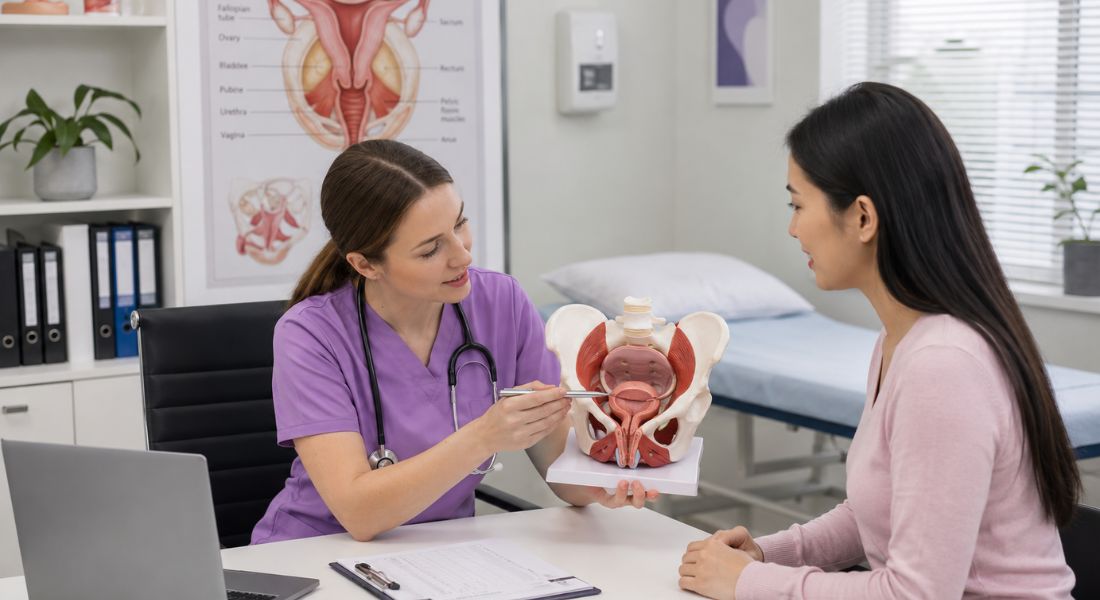
Pelvic organ prolapse occurs when one or more pelvic organs lose support and descend, causing a bulge into or sometimes beyond the vagina. You may notice vaginal heaviness, dragging or a lump sensation, as well as bladder, bowel or sexual symptoms.
A prolapse is not usually life-threatening, and some people have no symptoms. Management may involve monitoring, lifestyle changes, supervised pelvic-floor muscle training, a vaginal pessary or surgery, depending on your symptoms, examination findings, health, pregnancy plans and preferences.
What Does Pelvic Organ Prolapse Mean?
Your bladder, womb, rectum and vagina are supported by pelvic-floor muscles, ligaments and connective tissues. Pelvic organ prolapse happens when these supporting structures become weak, stretched or damaged, allowing the womb, vaginal walls or top of the vagina to descend and create a bulge within or beyond the vaginal opening.
You may notice a feeling of pressure, heaviness or a bulge in your vagina, although symptoms can vary depending on which organ is affected. The most appropriate management depends on the type and extent of the prolapse, the symptoms affecting you and your treatment preferences.
How Does Your Pelvic Floor Support Your Organs?
Your pelvic floor is a group of muscles that supports your bladder, womb, vagina and bowel while helping you control urination, bowel movements and wind. These muscles contribute to pelvic-organ support and continence but must also relax appropriately during urination, bowel movements and childbirth.
Pelvic-floor support may change following pregnancy and childbirth and with ageing, long-term constipation, persistent coughing or other repeated increases in abdominal pressure. Your supporting ligaments and connective tissues also matter, so treatment may involve more than pelvic floor exercises alone.
What Are the Different Types of Prolapse?
There are different types of pelvic organ prolapse depending on which organ moves downwards. An anterior vaginal-wall prolapse occurs when the front vaginal wall descends, with the bladder and sometimes the urethra behind it. A posterior vaginal-wall prolapse occurs when the back wall descends, with the rectum behind it.
Uterine prolapse occurs when the womb descends towards or into the vagina. Vaginal-vault prolapse occurs when the top of the vagina loses support after a hysterectomy. The symptoms you experience depend on the type of prolapse and how much it affects the surrounding tissues.
Types of Pelvic Organ Prolapse
| Type | What is affected | Possible symptoms |
| Anterior vaginal-wall prolapse | Front vaginal wall descends, with the bladder and sometimes the urethra behind it | Vaginal bulge, incomplete bladder emptying, urgency or leakage |
| Posterior vaginal-wall prolapse | Back vaginal wall descends, with the rectum behind it | Constipation, incomplete emptying or the need to splint |
| Enterocele | Small bowel may descend into the upper part of the posterior vaginal wall | Pressure, dragging or a high vaginal bulge |
| Uterine prolapse | Womb descends into the vagina | Heaviness, dragging or a visible bulge |
| Vaginal-vault prolapse | Top of the vagina descends after hysterectomy | Vaginal pressure, bulging or bladder and bowel symptoms |
More than one type may occur at the same time, and the visible prolapse may not explain every bladder, bowel or sexual symptom.
Can More Than One Type Occur Together?
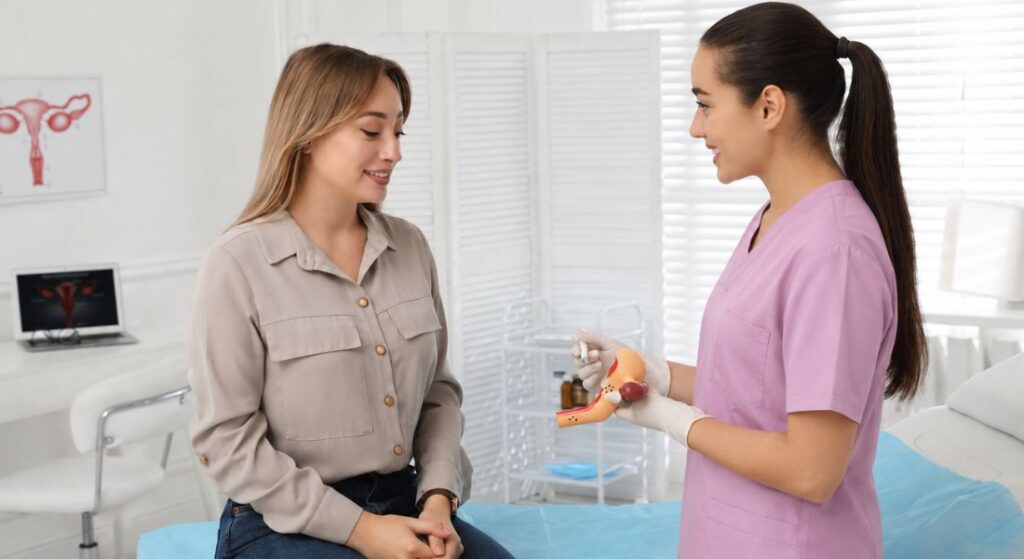
You can have more than one type of pelvic organ prolapse at the same time, such as changes affecting the front vaginal wall, womb and back vaginal wall. The symptoms you notice may come from the combined effect of reduced support in different areas rather than just one organ.
You should have a thorough assessment before choosing treatment, as focusing only on the most visible bulge may not fully address your symptoms. Your clinician will consider how your bladder and bowel function, comfort and sexual wellbeing are affected when discussing the management options that may be appropriate for you.
How Is the Severity of Prolapse Described?
Your clinician may describe the severity of your prolapse using a stage or grade based on how far the affected organ has moved downwards. A lower stage usually means the prolapse remains higher inside the vagina, while a more advanced prolapse may reach or extend beyond the vaginal opening.
The stage of your prolapse does not always reflect how much it affects you. Your symptoms, bladder and bowel function, sexual wellbeing, overall health and personal preferences are all important when deciding whether treatment is needed.
What Are the Most Common Symptoms?
You may notice a feeling of heaviness, pressure or dragging in your vagina or lower pelvis if you have a pelvic organ prolapse. The sensation may become more noticeable after standing, walking, lifting or exercising, and you may feel as though something is coming down.
You may also see or feel a soft bulge at the vaginal opening, which can become more noticeable later in the day and improve when you rest. Some people experience pelvic discomfort, backache or a feeling that a tampon does not stay in place, while others have no symptoms at all.
How Can Prolapse Affect Your Bowel?
A posterior vaginal wall prolapse can affect how easily you empty your bowel. You may experience constipation, straining, a feeling that your bowel has not emptied completely or the need to return to the toilet shortly after opening your bowels.
You may sometimes need to press gently against your vaginal wall or perineum to help stool pass, which is known as splinting. You should also manage constipation because repeated straining can increase pressure on your pelvic floor and may make your prolapse symptoms more noticeable.
Can Prolapse Affect Sex?
A pelvic organ prolapse can make sex feel different for you, both physically and emotionally. You may experience discomfort, pressure, dryness or a change in sensation during sex. Concern about the bulge being noticed may also affect confidence or intimacy.
Stop penetration if it causes pain. Sexual activity does not generally damage a prolapse, but comfort varies according to the type and extent of the prolapse, vaginal dryness and whether a pessary is in place. You may find that different positions, extra lubricant, treatment for dryness or changes to a pessary help improve comfort, and your sexual wellbeing should be considered when discussing treatment options.
How Can Prolapse Affect Your Bladder?
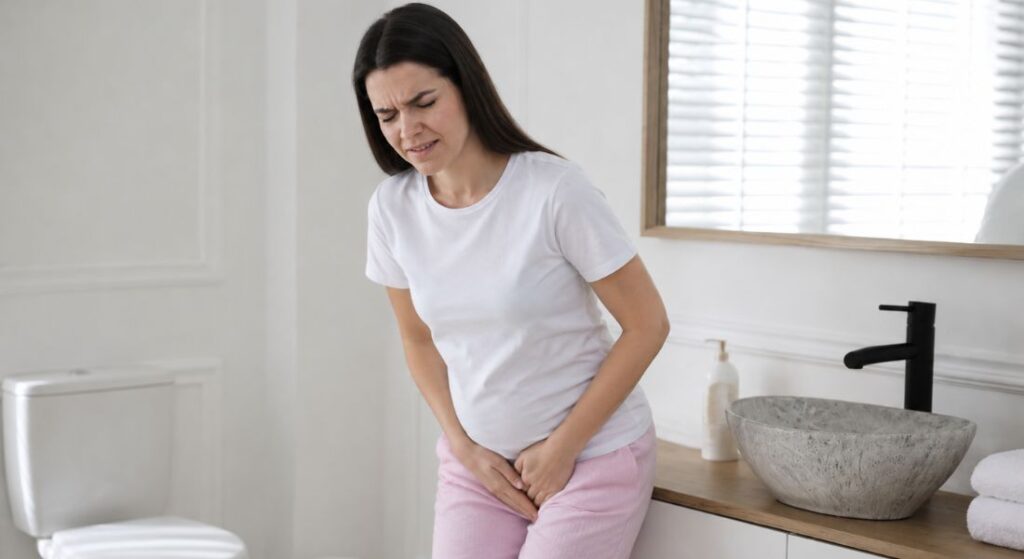
A pelvic organ prolapse can affect how your bladder and urethra work, especially when the front vaginal wall is involved. You may feel that your bladder has not emptied fully, need to pass urine more often, find it difficult to start urinating or leak urine when you cough, sneeze, laugh, exercise or lift something.
You may also experience urinary urgency or recurrent urinary infections. If incomplete emptying is suspected, your clinician may measure how much urine remains in the bladder after you have passed urine. Your clinician may assess how your bladder fills and empties because bladder symptoms are not always caused entirely by the prolapse.
Why Can Pregnancy and Childbirth Cause Prolapse?
Pregnancy can place extra pressure on your pelvic floor as your baby grows, while hormonal changes can make your ligaments and connective tissues more flexible. During vaginal birth, your pelvic floor muscles, nerves and supporting tissues may stretch or become injured, which can increase your risk of prolapse.
You may be more likely to develop prolapse after several pregnancies, multiple vaginal births, a prolonged pushing stage, an assisted vaginal birth or delivery of a larger baby. However, giving birth does not mean you will definitely experience prolapse, as factors such as ageing, genetics and repeated pressure on the pelvic floor can also contribute.
How Do Ageing and Menopause Affect Prolapse?
Pelvic organ prolapse becomes more common as you get older, particularly after menopause, because your muscles and supporting tissues may naturally become weaker over time. Lower oestrogen levels can also make your vaginal tissues thinner, drier and less flexible, which may increase discomfort or irritation.
Your age alone does not decide which treatment is suitable for you. Your symptoms, general health, activity levels, sexual preferences and personal goals are more important when discussing the best options for managing your prolapse.
What Other Factors Increase the Risk?
Several factors can increase your risk of developing pelvic organ prolapse, including carrying excess body weight, chronic coughing, constipation, frequent heavy lifting or activities that place repeated pressure on your pelvic floor. Previous pelvic surgery, such as a hysterectomy, may also affect the support around your vagina.
You may also be more likely to experience prolapse if you have naturally weaker connective tissues or conditions that affect tissue flexibility. However, prolapse usually develops because of a combination of factors rather than one single cause.
What Happens During the Examination?
Your clinician will ask about your symptoms, including when you first noticed the bulge, what makes it more noticeable and how it affects your daily life. You may also be asked about childbirth, previous surgery, bladder and bowel changes, sexual symptoms and your future pregnancy plans.
You will usually need an internal vaginal examination so your clinician can assess which organs are affected and how far the prolapse has descended. Your clinician should explain why the examination is needed and what it will involve. It should only proceed with your consent, and you can ask for it to stop at any time. You should also be offered a chaperone and may ask for a female clinician where available.
When Should You Arrange a Medical Assessment?

You should arrange a medical assessment if you notice a lump or bulge in or around your vagina, or if you have ongoing heaviness, bladder problems, difficulty emptying your bowel or discomfort during sex. Your GP or a gynaecology specialist can assess your symptoms and discuss suitable treatment options.
You should seek urgent medical advice if you suddenly cannot pass urine, develop significant bleeding or have severe pelvic pain, as these symptoms may need further investigation. You should not feel embarrassed about asking for help, as prolapse is common and regularly assessed by healthcare professionals.
Will You Need Additional Tests?
Many pelvic organ prolapses can be diagnosed through your symptoms and a physical examination, so you may not need complex tests. Your clinician may recommend a urine test if you have bladder discomfort, repeated infections or changes in your urinary habits.
You may need a bladder scan if you feel unable to empty your bladder fully, and further bladder tests may be considered in certain situations. Imaging tests such as ultrasound are not always required and are usually arranged when your symptoms suggest that additional investigation would be helpful.
Can Lifestyle Changes Improve Your Symptoms?
Lifestyle changes may help reduce pressure on your pelvic floor and make prolapse symptoms more manageable. Although they may not completely reverse an established prolapse, simple adjustments can support your comfort and complement other treatments.
- Prevent Constipation: Eating enough fibre, drinking plenty of fluids and avoiding repeated straining can reduce pressure on your pelvic floor.
- Manage Coughing: Seeking treatment for a persistent cough and stopping smoking can help prevent repeated strain on your supporting tissues.
- Lift More Safely: Using suitable lifting techniques and breathing normally rather than holding your breath can reduce downward pressure.
- Stay Gently Active: Regular, suitable activity and personalised weight-management support may improve your overall pelvic health when appropriate.
These changes can help prevent your symptoms from becoming more noticeable and support treatments such as pelvic floor physiotherapy or a pessary. Your clinician or physiotherapist can suggest adjustments that suit your health, activities and daily routine.
How Can Pelvic Floor Physiotherapy Help?
Pelvic floor physiotherapy can help improve prolapse symptoms, especially when your prolapse is mild or moderate. A pelvic health physiotherapist can check whether you are using the correct muscles and create a personalised exercise plan to improve your strength and coordination.
You usually need regular practice over several months to see improvement, and these exercises may not completely move a prolapsed organ back into its original position. You may also receive guidance on breathing, lifting, exercise, constipation and bladder habits to support your overall pelvic health.
Evidence Note
NICE recommends considering at least four months of supervised pelvic-floor muscle training for selected symptomatic prolapse. Training may reduce bulging, heaviness and related symptoms, although it does not necessarily restore the organs completely to their previous position.
What Is a Vaginal Pessary?
A vaginal pessary is a removable plastic or silicone device placed inside your vagina to support your prolapsed organs. Different shapes and sizes are available, and ring pessaries are among the most commonly used options, depending on the type and severity of your prolapse.
You may choose a pessary if you want to avoid or delay surgery, are planning another pregnancy or have a health condition that makes surgery less suitable. Finding the right fit may take more than one appointment. Your clinician should discuss possible discharge, bleeding, expulsion, difficulty removing the pessary and its effect on sex. The pessary should be removed at least once every six months, either by you or a healthcare professional, to reduce the risk of serious complications.
When Are Vaginal Oestrogen and Surgery Considered?
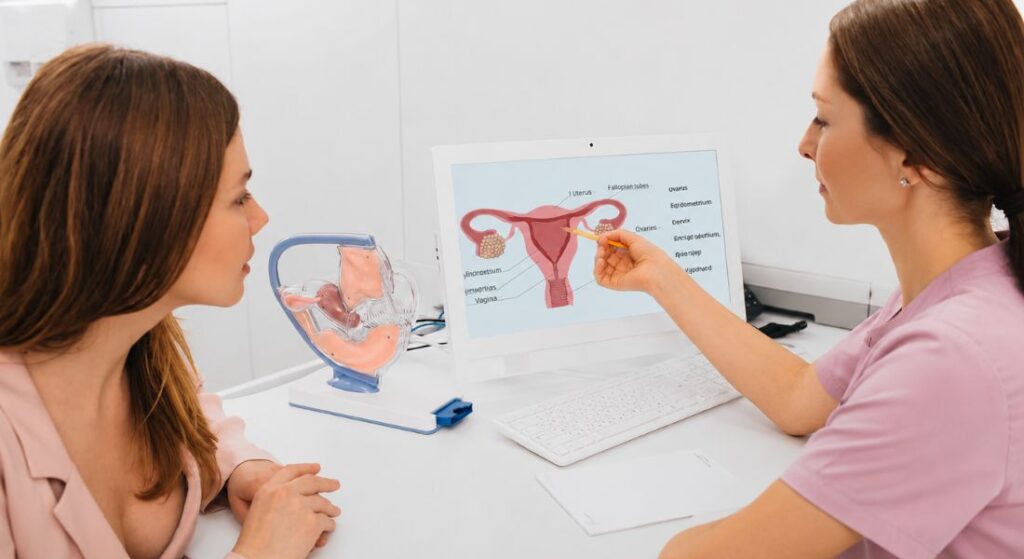
After menopause, vaginal oestrogen may help improve dryness, soreness and the condition of your vaginal tissues. It may be available as a cream, tablet or ring, and can sometimes make pessary use and examinations more comfortable.
You may consider surgery if your prolapse symptoms are significantly affecting your quality of life and non-surgical treatments have not provided enough relief. The type of procedure depends on your symptoms and may involve repairing the vaginal walls, supporting the womb or vaginal vault, or a hysterectomy in selected cases.
Myth vs Fact
| Myth | Fact |
| Every prolapse requires surgery. | Mild or symptom-free prolapse may need no treatment. |
| The prolapse stage shows how severe your symptoms will be. | Symptoms and examination findings do not always match. |
| Pelvic-floor exercises always put the organs back in place. | They may improve symptoms without completely reversing the prolapse. |
| A pessary is only for older people. | It can be considered at different ages, including before future pregnancy or while delaying surgery. |
| A hysterectomy is always needed for womb prolapse. | Uterus-preserving operations may be available. |
| All prolapse mesh surgery is the same. | Transvaginal mesh and abdominally placed mesh are different procedures with different restrictions and risks. |
Key Takeaways
- Pelvic organ prolapse may involve the vaginal walls, womb or vaginal vault.
- More than one area can lose support at the same time.
- Examination stage does not always reflect symptom severity.
- Not everyone with prolapse needs active treatment.
- Supervised pelvic-floor muscle training may improve symptoms but may not reverse the prolapse.
- A pessary can provide non-surgical support and requires appropriate follow-up.
- Vaginal oestrogen treats menopause-related vaginal symptoms rather than the prolapse itself.
- Surgery is considered according to symptom impact, health, pregnancy plans and preferences.
- Transvaginal mesh and abdominal mesh procedures are not the same.
- Prolapse symptoms may persist or recur after non-surgical or surgical treatment.
Frequently Asked Questions
1. What are the first signs of pelvic organ prolapse?
Common signs include a feeling of heaviness, pressure or dragging in your pelvis, a bulge in or around your vagina, bladder changes or difficulty emptying your bowel. Some people have mild symptoms, while others notice discomfort during daily activities or sex.
2. Can pelvic organ prolapse get better without surgery?
Yes. Mild or moderate prolapse symptoms may improve with pelvic floor physiotherapy, lifestyle changes and a vaginal pessary. The best option depends on your symptoms, the type of prolapse and how much it affects your quality of life.
3. Does having a prolapse mean you need an operation?
No. Surgery is not required for everyone with pelvic organ prolapse. Many people manage their symptoms successfully with non-surgical treatments, while surgery may be considered when symptoms are significantly affecting daily life.
4. Can pelvic organ prolapse affect bladder or bowel function?
Yes. A prolapse can affect how your bladder or bowel works, causing symptoms such as difficulty emptying your bladder, urine leakage, constipation or needing to press against the vaginal wall to empty your bowel.
5. When should you see a doctor about pelvic organ prolapse?
You should arrange an assessment if you notice a vaginal bulge, persistent pelvic pressure, bladder problems, bowel-emptying difficulties or discomfort during sex. Seek urgent advice if you develop severe pelvic pain, significant bleeding or sudden difficulty passing urine.
Final Thoughts: Understanding Your Options for Pelvic Organ Prolapse
Pelvic organ prolapse can affect your comfort, confidence and everyday activities, but understanding what is happening inside your body can help you make informed decisions. Whether you are experiencing mild pressure, bladder changes, bowel difficulties or a noticeable bulge, you have several treatment options that can be tailored to your symptoms and lifestyle. If you’re seeking pelvic prolapse treatment in London, you can contact Gynaecology Clinic London to arrange a consultation with one of our experienced consultant gynaecologists.
References:
- NHS (2025) ‘Pelvic organ prolapse’. Page last reviewed 3 July 2025. Available at: https://www.nhs.uk/conditions/pelvic-organ-prolapse/
- National Institute for Health and Care Excellence (2019) ‘Urinary incontinence and pelvic organ prolapse in women: management’. NICE guideline NG123. Published 2 April 2019. Available at: https://www.nice.org.uk/guidance/ng123
- National Institute for Health and Care Excellence (2021) ‘Pelvic floor dysfunction: prevention and non-surgical management’. NICE guideline NG210. Published 9 December 2021. Available at: https://www.nice.org.uk/guidance/ng210
- Royal College of Obstetricians and Gynaecologists (2013, updated 2022) ‘Pelvic organ prolapse’. Published March 2013; updated May 2022. Available at: https://www.rcog.org.uk/for-the-public/browse-our-patient-information/pelvic-organ-prolapse/
- National Institute for Health and Care Excellence (2017) ‘Transvaginal mesh repair of anterior or posterior vaginal wall prolapse’. NICE HealthTech guidance HTG456. Published 15 December 2017. Available at: https://www.nice.org.uk/guidance/htg456
- National Institute for Health and Care Excellence (2017) ‘Sacrocolpopexy using mesh to repair vaginal vault prolapse’. NICE HealthTech guidance HTG444. Published 28 June 2017. Available at: https://www.nice.org.uk/guidance/htg444
- General Medical Council (2024) ‘Intimate examinations and chaperones’. Updated 13 December 2024. Available at: https://www.gmc-uk.org/professional-standards/the-professional-standards/intimate-examinations-and-chaperones/intimate-examinations-and-chaperones