




Yes, pelvic organ prolapse can often be treated without surgery, and you may achieve good symptom relief through pelvic floor physiotherapy, a vaginal pessary, lifestyle changes and treatment for related bladder, bowel or vaginal symptoms. Non-surgical management may be considered if your symptoms are suitable for conservative treatment, you want to avoid or delay an operation, you are planning another pr egnancy or surgery is less suitable for your circumstances. The options available depend on the type and extent of the prolapse.
You should know that non-surgical treatments do not always return your pelvic organs to their original position, but they can reduce heaviness, pressure, bulging and bladder or bowel symptoms. Your treatment plan should be based on how much your prolapse affects your daily life rather than its stage alone, because management should reflect your individual symptoms, examination findings, health, future pregnancy plans and preferences.
What Does Non-Surgical Prolapse Treatment Involve?
Non-surgical treatment aims to manage your symptoms without an operation. You may be advised to have regular monitoring, pelvic floor muscle training, a vaginal pessary, lifestyle changes or vaginal oestrogen when you have genitourinary symptoms associated with menopause, depending on your symptoms and the type of prolapse you have.
You may benefit from using more than one treatment at the same time, such as wearing a pessary while working with a pelvic health physiotherapist. Your management plan should take account of the prolapse, bladder and bowel function, general health, future pregnancy plans and personal preferences.
When Is No Immediate Treatment Needed?
You may not need active treatment if the prolapse is not causing symptoms or does not significantly bother you. You may choose monitoring, with further assessment if the bulge or associated bladder, bowel, sexual or comfort symptoms change.
You should still pay attention to signs such as increasing heaviness, a vaginal bulge, bladder or bowel changes, or discomfort during sex. You may also be offered advice about pelvic-floor muscle training, constipation prevention and reducing activities that repeatedly worsen your symptoms.
Non-Surgical Options for Pelvic Organ Prolapse
| Option | Main purpose | Important limitation |
| Monitoring | May be reasonable when symptoms are absent or not troublesome | Review is needed if symptoms change |
| Pelvic-floor physiotherapy | May improve symptoms in selected people, particularly with stage 1–2 prolapse | Does not necessarily reverse the prolapse |
| Vaginal pessary | Mechanically supports the prolapsed organs | Works while in place and requires ongoing care |
| Vaginal oestrogen | Improves menopause-related dryness and vaginal discomfort | Does not lift the prolapsed organs |
| Constipation management | Reduces repeated straining | Does not directly repair the prolapse |
| Cough management | Reduces repeated abdominal pressure | Underlying cough still needs appropriate diagnosis |
| Activity modification | Helps you remain active while controlling symptoms | Complete avoidance of exercise is usually unnecessary |
| Weight management | May be discussed when BMI is above 30, although evidence for directly improving prolapse symptoms is limited | Does not reverse established prolapse |
More than one option may be used together, and treatment should be based on your symptoms and priorities rather than the prolapse stage alone.
Why an Assessment Is Important Before Treatment

Pelvic organ prolapse may involve the front or back vaginal wall, the womb or the top of the vagina after hysterectomy, and more than one area can be affected at the same time. Your clinician will examine you to understand which organs are involved, how far the prolapse has descended and what type of support you need.
You should also discuss the symptoms that affect you most, whether that is a vaginal bulge, bladder leakage, bowel difficulties or pain during sex. A thorough assessment helps ensure that other conditions, such as infections, constipation, overactive bladder or pelvic floor tension, are not overlooked.
Pelvic Floor Muscle Training
Supervised pelvic-floor muscle training may improve prolapse symptoms in selected people, particularly when the prolapse is less advanced. You may notice reduced feelings of heaviness, pressure or dragging when these muscles become stronger and work more effectively.
Your physiotherapist can teach you how to contract and fully relax the pelvic-floor muscles correctly. The programme should be adapted to your starting strength, endurance, coordination and symptoms rather than using the same exercise routine for everyone. You should avoid holding your breath or tightening other muscles, and regular practice over several months is usually needed to see improvement, although exercises may not completely reverse an established prolapse.
Why Specialist Pelvic Health Physiotherapy Helps
You may not always know whether you are using your pelvic floor muscles correctly, and a specialist pelvic health physiotherapist can assess your strength, endurance, coordination and ability to relax these muscles. This allows the programme to be adapted for your specific needs rather than following a general programme.
Your physiotherapist can create a personalised plan that may include different types of contractions, breathing techniques and strategies for activities such as coughing or lifting. You may also receive advice on posture, movement, abdominal pressure and safe exercise and symptom-guided activity modification to support your overall pelvic-floor management.
What Results Can You Expect from Physiotherapy?
Pelvic floor physiotherapy aims to improve your symptoms rather than guarantee that the prolapse will completely disappear. Some people notice less heaviness or bulging and improvements in pelvic-floor function or confidence with activity, although individual results vary.
You should expect gradual progress because your muscles need time and regular practice to become stronger. Continuing pelvic-floor muscle training may be advised when it has been beneficial, including while you consider other management options.
Evidence Note
NICE recommends considering a supervised pelvic-floor muscle-training programme for at least 16 weeks as a first option for symptomatic POP-Q stage 1 or stage 2 pelvic organ prolapse. If the programme is beneficial, continuing pelvic-floor muscle training afterwards may be advised. The aim is primarily to improve symptoms and pelvic-floor function rather than guarantee anatomical correction.
What Is a Vaginal Pessary?
A vaginal pessary is a removable device placed inside your vagina to support the vaginal walls, womb or vaginal vault affected by prolapse. It is usually made from medical-grade silicone or plastic and comes in different shapes and sizes to suit your anatomy and the type of support you need.
A ring pessary is one of the most commonly used options, although other designs may provide additional support for some prolapses. You may choose a pessary as a short-term or long-term treatment if you want to avoid surgery, are waiting for an operation, plan another pregnancy or have health factors that make surgery less suitable.
Finding the Right Pessary
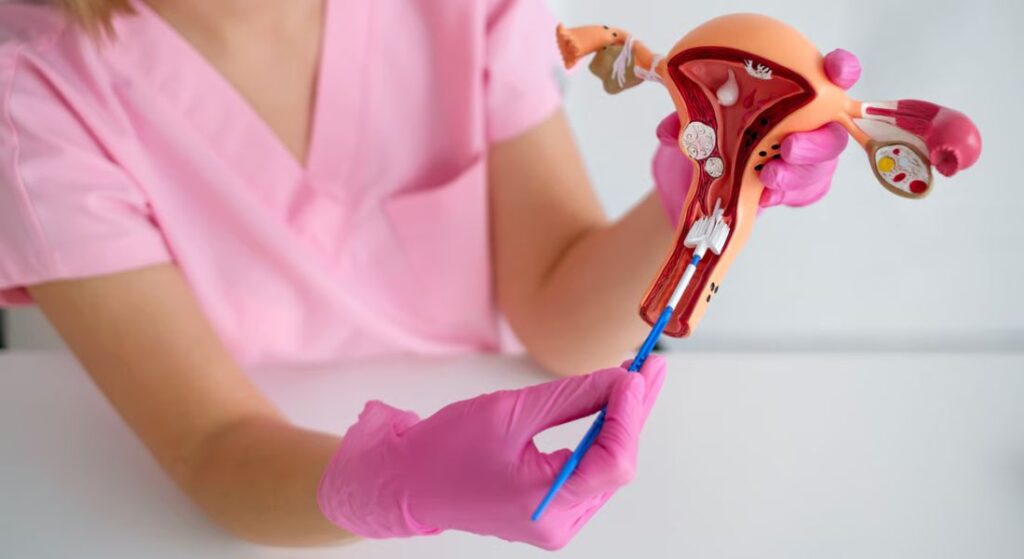
Finding the correct pessary may take more than one appointment because your clinician needs to choose a device that gives enough support while remaining comfortable. The pessary should not cause pain, repeatedly fall out or make it harder for you to empty your bladder or bowel.
After fitting, you may be asked to walk, cough, use the toilet or gently bear down to check whether the pessary stays in place during your usual activities. More than one size or design may need to be tried before an appropriate fit is found.
Looking After a Pessary Safely
A vaginal pessary needs appropriate care and regular review to make sure it remains comfortable and does not damage your vaginal tissues. Depending on the type of pessary and your circumstances, you may be able to remove and clean it yourself or have this done by a healthcare professional.
- Attend Regular Reviews: Follow the review schedule provided by your clinician so they can check the pessary and your vaginal tissues.
- Keep the Pessary Clean: Clean and remove the pessary as advised, whether you manage it yourself or have support from your healthcare team.
- Watch for Side Effects: Contact your clinician if you develop pain, unusual discharge, bleeding, irritation or soreness while using the pessary.
- Report Functional Problems: Seek advice if the pessary repeatedly falls out or makes it difficult for you to pass urine or open your bowels.
Regular pessary care is important for checking the vaginal tissues, identifying complications and confirming that the device remains appropriate for you. If the device becomes uncomfortable or stops working well for you, your clinician can reassess the fit and consider a different size or design.
Possible Pessary Side Effects
You may notice increased vaginal discharge when using a pessary, and this is not always a sign of infection. However, you should seek medical advice if you experience offensive or noticeably changed discharge, itching, soreness, bleeding or pelvic pain, as these symptoms may need assessment.
A poorly fitting pessary can sometimes cause irritation, rubbing or small ulcers on the vaginal wall. You may need a different size, temporary removal of the device or vaginal oestrogen if suitable, and regular reviews help reduce the risk of complications.
Can You Have Sex While Using a Pessary?
Whether you can have penetrative sex while using a pessary depends on the type of device you have. Some ring pessaries may allow intercourse, although you or your partner may sometimes notice the device.
You may need to remove other types of pessaries before sex because they take up more space inside your vagina. Speak to your clinician if sex becomes uncomfortable, as pain may be related to the pessary, vaginal dryness, pelvic-floor muscle tension or the prolapse itself. You may need a different pessary, treatment for vaginal dryness or pelvic-floor physiotherapy.
Vaginal Oestrogen After Menopause
After menopause, lower oestrogen levels can make your vaginal tissues thinner, drier and more sensitive. This may increase soreness linked to prolapse or make vaginal examinations and pessary use less comfortable for you.
Vaginal oestrogen is available in preparations including creams, gels, tablets, pessaries and rings and may improve menopause-associated dryness, discomfort or irritation. It does not lift the prolapsed organs, and your clinician will consider your symptoms, medical history, any unexplained bleeding and other health factors before recommending it.
Lifting and Everyday Physical Activity

You do not usually need to avoid all lifting or physical activity after being diagnosed with prolapse. Some people notice increased heaviness or bulging during repeated heavy lifting or strenuous effort. Activities that consistently trigger symptoms may need to be adapted rather than automatically avoided.
If lifting repeatedly triggers prolapse symptoms, a pelvic health physiotherapist can assess your lifting technique, breathing and load management, and help you adapt your daily activities so you can stay active while managing your symptoms.
Choosing Suitable Exercise
Exercise can support your strength, cardiovascular health, bone health and emotional wellbeing, and having a prolapse does not mean you need to stop being active. You may need to adjust certain activities if you notice increased pressure, heaviness or bulging during or after exercise.
High-impact activities such as running, jumping or trampolining may worsen symptoms for some people, while lower-impact options like swimming, cycling, resistance training or modified classes may feel more comfortable. Your symptoms should guide your choices, and a pelvic health physiotherapist can help you return to activities you enjoy safely.
Weight Management and Prolapse Symptoms
NICE recommends discussing weight management when BMI is above 30 as part of wider pelvic-floor health advice. However, current evidence has not clearly shown that weight loss itself improves pelvic organ prolapse symptoms, so it should not be presented as a treatment that will reduce or reverse the prolapse.
Weight loss does not always make an established prolapse disappear, and it should be considered as one part of managing your symptoms rather than a condition for receiving treatment. If weight management is relevant to your wider health, your GP or another appropriate healthcare professional can support you with realistic and sustainable changes.
Preventing Constipation and Straining
Constipation can place repeated pressure on your pelvic floor and may make prolapse symptoms more noticeable. Hard stools and prolonged straining can be particularly troublesome if you have a posterior vaginal wall prolapse, as they may make bowel emptying more difficult.
You can help reduce strain by eating fibre-rich foods, drinking enough fluid for your individual health needs and staying gently active. You should avoid holding your breath when opening your bowels, and you can ask your GP or pharmacist for advice if constipation continues despite these changes.
Managing a Persistent Cough
Repeated coughing can increase pressure inside your abdomen and place extra strain on your pelvic floor. If you have a long-term cough, you may notice that heaviness or a vaginal bulge becomes more noticeable.
You should speak to your GP if you have an unexplained cough, asthma symptoms or a respiratory condition that is not well controlled. Treating the cause of your cough can support your overall health, and stopping smoking may also help reduce coughing while improving your general wellbeing.
Treating Bladder and Bowel Symptoms Separately

A pessary or pelvic floor programme may improve some bladder and bowel symptoms, but you should know that prolapse treatment does not always resolve every problem. Urinary leakage, urgency, incomplete emptying or bowel difficulties may have other causes that need separate assessment and treatment.
Your clinician may recommend tests such as a urine test, bladder scan or bladder diary to understand your symptoms better. You should explain which problems affect you most, so your treatment plan focuses on your priorities and addresses the symptoms that matter most to you.
When Might Surgery Be Considered?
Surgery may be offered when prolapse symptoms continue to affect your quality of life after non-surgical management has not provided sufficient benefit, or when you have considered and declined non-surgical options. It may also be an option if a pessary does not fit comfortably, does not provide enough support or causes ongoing problems.
Your clinician will consider your general health, the type of prolapse, sexual preferences and future pregnancy plans when discussing surgery with you. Surgery can improve support and symptoms, but it also has potential risks and does not guarantee that prolapse will not return in the future.
UK Guidance Note
NICE recommends discussing no treatment, non-surgical treatment and surgery according to symptoms and individual preferences. Supervised pelvic-floor muscle training can be considered for selected less extensive prolapse, while a vaginal pessary can be used alone or alongside physiotherapy. Pessaries should be removed at least every six months.
Myth vs Fact
| Myth | Fact |
| Every prolapse eventually needs surgery. | Many people manage their symptoms without an operation. |
| Pelvic-floor exercises always put the organs back in place. | They can improve symptoms without completely reversing the prolapse. |
| Pessaries are only for older people. | They may be considered at different ages, including when pregnancy is planned or surgery is being delayed. |
| A pessary permanently fixes the prolapse. | It provides support while it is in place. |
| Vaginal oestrogen repairs the prolapse. | It treats menopause-related vaginal symptoms rather than restoring pelvic support. |
| You must stop exercising if you have prolapse. | Activity can usually continue, although some exercises may need adapting if they trigger symptoms. |
Key Takeaways
- Pelvic organ prolapse does not automatically require surgery.
- No active treatment may be reasonable when symptoms are absent or not troublesome.
- NICE recommends considering at least 16 weeks of supervised pelvic-floor muscle training for symptomatic stage 1–2 prolapse.
- Pelvic-floor training may improve symptoms without completely reversing the prolapse.
- A vaginal pessary may be used alone or alongside physiotherapy.
- More than one pessary fitting may be needed, and the device should be removed at least once every six months.
- A pessary may not improve every bladder or bowel symptom and can occasionally reveal stress urinary leakage.
- Vaginal oestrogen treats menopause-related genitourinary symptoms rather than the anatomical prolapse.
- Exercise usually does not need to stop completely, but symptom-triggering activities may need modification.
- Surgery remains an option if symptoms remain troublesome or non-surgical treatment is declined.
Frequently Asked Questions
1. Can pelvic organ prolapse improve without surgery?
Yes, mild to moderate pelvic organ prolapse can often be managed without surgery. Pelvic floor physiotherapy, a vaginal pessary and lifestyle changes may reduce symptoms such as heaviness, pressure and vaginal bulging, although they do not always return the organs to their original position.
2. Is a vaginal pessary a good alternative to surgery?
A vaginal pessary can be an effective option for many people. It supports the prolapsed organs, helps relieve symptoms and may be suitable if you wish to avoid surgery, are planning a pregnancy or are not currently fit for an operation.
3. Can pelvic floor exercises fix a prolapse?
Pelvic floor exercises can strengthen the muscles supporting your pelvic organs and often improve symptoms, particularly in mild or moderate prolapse. However, they are unlikely to completely reverse a more advanced prolapse.
4. Can I exercise if I have pelvic organ prolapse?
Yes, staying active is usually encouraged. Lower-impact activities such as walking, swimming and cycling are often well tolerated, while heavy lifting and high-impact exercise may worsen symptoms in some people. A pelvic health physiotherapist can advise you on suitable activities.
5. When should surgery be considered for pelvic organ prolapse?
Surgery may be considered if your prolapse significantly affects your daily life and non-surgical treatments have not provided enough relief. Your clinician will discuss the benefits, risks and whether surgery is the most appropriate option for your individual circumstances.
Final Thoughts: Managing Pelvic Organ Prolapse Without Surgery
Learning that you have pelvic organ prolapse does not automatically mean you will need an operation. Many people successfully manage their symptoms with pelvic floor physiotherapy, lifestyle changes, a vaginal pessary and other supportive treatments, allowing them to stay active and enjoy a better quality of life.
If you’re considering pelvic prolapse treatment in London, you can contact Gynaecology Clinic London to arrange a consultation with a consultant gynaecologist.
References:
- NHS (2025) ‘Pelvic organ prolapse’. Page last reviewed 3 July 2025. Available at: https://www.nhs.uk/conditions/pelvic-organ-prolapse/
- National Institute for Health and Care Excellence (2019) ‘Urinary incontinence and pelvic organ prolapse in women: management’. NICE guideline NG123. Published 2 April 2019; last updated 24 June 2019. Available at: https://www.nice.org.uk/guidance/ng123
- National Institute for Health and Care Excellence (2021) ‘Pelvic floor dysfunction: prevention and non-surgical management’. NICE guideline NG210. Published 9 December 2021. Available at: https://www.nice.org.uk/guidance/ng210
- Royal College of Obstetricians and Gynaecologists (2013, updated 2022) ‘Pelvic organ prolapse’. Published March 2013; updated May 2022. Available at: https://www.rcog.org.uk/for-the-public/browse-our-patient-information/pelvic-organ-prolapse/
- National Institute for Health and Care Excellence (2015, updated 2026) ‘Menopause: identification and management’. NICE guideline NG23. Published 12 November 2015; last updated 15 April 2026. Available at: https://www.nice.org.uk/guidance/ng23