



You may feel tender, sore or notice light bleeding for a few days after a vulval biopsy, with discomfort gradually improving as the area heals. Many people feel considerably more comfortable within a few days, although the biopsy site itself may take longer to heal fully.
Your recovery can depend on the biopsy size and location, whether you have stitches and how sensitive your skin was beforehand. You should follow your clinic’s advice about washing, exercise, swimming and sex, as these recommendations can vary depending on your biopsy and healing.
What Happens Immediately After a Vulval Biopsy?
Once your tissue sample has been removed, your clinician will check that any bleeding has stopped. You may have a small stitch, or your clinician may use another method such as silver nitrate to control minor bleeding at the biopsy site.
You may remain numb for a short time before noticing mild stinging, tenderness or aching as the anaesthetic wears off. You can usually go home after the procedure once the biopsy site has been checked. Your clinic may advise you to rest initially and avoid strenuous or heavy activity while the area is newly healing.
How Long Does the Biopsy Site Take to Heal?
You may notice tenderness, light bleeding or sensitivity for several days after your biopsy, but these symptoms should gradually improve. Tenderness and light bleeding often improve within days, but the time needed for the biopsy site to heal fully varies according to the wound, biopsy location and whether stitches were used.
Your recovery can vary depending on the size and depth of the biopsy, whether you have stitches and how sensitive your surrounding skin is. You may also take longer to heal if clothing, sitting or walking regularly puts pressure on the area.
What Does a Typical Vulval Biopsy Recovery Timeline Look Like?
| Stage | What you may notice | General approach |
| Day of biopsy | Numbness followed by mild soreness or stinging; small amount of bleeding | Rest initially and avoid heavy work |
| Days 1 to 3 | Tenderness, mild spotting, discomfort with sitting or urination | Gentle washing, simple pain relief if suitable |
| Days 4 to 7 | Soreness and bleeding should generally be reducing | Gradually increase light activities |
| Around 1 to 2 weeks | The wound may be well advanced in healing, although complete healing time varies. | Resume activities according to wound healing and clinic instructions |
| If stitches were used | Dissolvable stitches may loosen or disappear during healing | Do not pull loose sutures |
| Sex/exercise/swimming | Timing varies according to wound and clinic | Wait until sufficiently healed and follow individual advice |
| Any stage | Increasing pain, heavy bleeding, offensive discharge or fever | Seek medical advice |
How Long Will the Area Feel Sore?
You may have mild soreness for several days after the local anaesthetic wears off. You may notice it more when sitting, walking or when clothing presses against the biopsy site, but it should gradually improve.
If your pain becomes significantly worse instead of settling, you should contact your clinic or GP. Increasing pain can sometimes indicate an infection, wound irritation or another complication that needs assessment.
How Much Bleeding Is Normal?
You may notice a small amount of bleeding or spotting for a few days after your vulval biopsy. Light spotting can sometimes continue for up to a week, but the amount should gradually decrease as the wound heals.
Heavy or persistent bleeding is not expected. If bleeding does not settle after applying firm pressure as advised by your clinic, you should seek medical advice.
What If Silver Nitrate Was Used?
Your clinician may use silver nitrate to control minor bleeding from the biopsy site, which can sometimes avoid the need for a stitch. You may notice temporary grey, brown or dark-coloured discharge if silver nitrate has been used to control bleeding.
This change in colour can be caused by the silver nitrate and does not necessarily mean that you have an infection. Your clinician should tell you if it has been used so you know what to expect during recovery.
How Should You Wash After a Vulval Biopsy?
You should keep your vulval area gently clean while it heals, with plain water usually being sufficient. You should gently pat the area dry with a clean, soft towel and avoid prolonged soaking unless your clinic advises otherwise.
If you have stitches, follow the specific washing and bathing instructions provided by your clinic. Avoid rubbing, picking at or pulling the healing wound or any loose sutures. If a stitch becomes uncomfortable, the wound appears to open, or washing causes increasing pain or bleeding, contact your clinic for advice rather than trying to remove or adjust the stitch yourself.
How Long Do Vulval Biopsy Stitches Take to Dissolve?
If you need stitches after your vulval biopsy, dissolvable sutures are often used, so you usually will not need to have them removed. The time dissolvable stitches take to loosen or disappear varies according to the suture material and wound healing. Some vulval-biopsy services advise that stitches may dissolve within around seven to ten days, while other absorbable sutures can remain for longer.
Some stitches can take longer to disappear, so you should not pull at a loose thread. If a stitch becomes very uncomfortable or the wound appears to open, contact your clinic for advice.
Research Insight
Published research specifically examining patient experience after vulval punch biopsy is relatively limited. A study by Khumalo et al. found that 70% of participants considered the local anaesthetic injection the most painful part of the procedure. Minimal bleeding continued after the biopsy in around one-third of participants and stopped spontaneously within a few hours. The study provides useful context about short-term symptoms but does not define a universal recovery timeline.
This supports the general expectation that a small diagnostic vulval biopsy usually causes relatively limited short-term symptoms. However, individual recovery still depends on the location and depth of the biopsy and whether stitches or other wound-closure methods are required.
Which Products Should You Avoid During Healing?
You should avoid perfumed soaps, shower gels, bubble baths, intimate deodorants and fragranced wipes around the biopsy site while it heals. These products can irritate sensitive vulval skin and make soreness worse.
You usually do not need antiseptic solutions unless your healthcare professional recommends one. If you use a prescribed vulval cream, ask your clinician whether you should continue applying it near the biopsy site.
What Can Help If Passing Urine Stings?
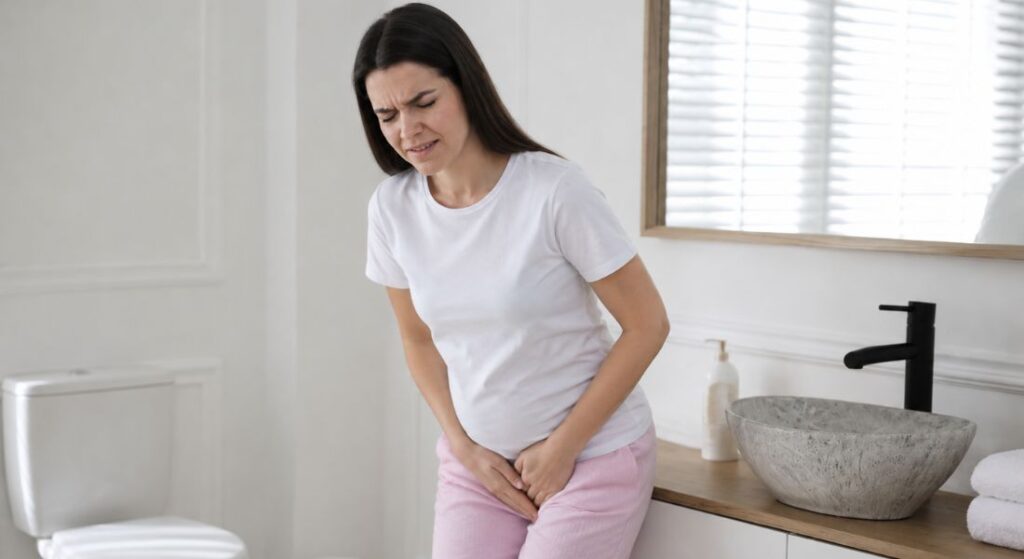
You may notice stinging when passing urine if your biopsy site is close to the vaginal or urethral opening. You can gently rinse the area with lukewarm water while or after passing urine to reduce the discomfort.
You should pat the area dry rather than rubbing it. If you also develop urinary urgency, frequent urination, fever or worsening bladder discomfort, you should contact your healthcare provider.
What Pain Relief Can You Take?
You can usually manage discomfort after a small vulval biopsy with simple pain relief such as paracetamol. Some services also recommend ibuprofen when it is suitable for you. If you have other health conditions, take regular medicines or could be pregnant, ask your pharmacist, GP or clinic which pain relief is appropriate.
You should follow the recommended dosage for any painkiller you take. If your pain continues to worsen or is not controlled by ordinary pain relief, you should contact your healthcare provider.
UK Guidance Note
Current NHS aftercare guidance describes some discomfort and light bleeding as expected after a vulval biopsy. Patients are generally advised to rest initially, continue light activity as tolerated, avoid heavy work or vigorous exercise during early healing, keep the area clean and avoid fragranced products.
Specific advice about bathing, swimming and sexual activity varies between services. For example, current North Tees guidance advises avoiding intercourse for at least two weeks and swimming until stitches have dissolved and the biopsy site has healed, while other NHS centres use different intervals. Your own clinic’s instructions should therefore take priority over a generic timetable.
How Much Rest Do You Need?
You usually do not need prolonged bed rest after a vulval biopsy, but you may benefit from taking it easy for the rest of the day. You should avoid heavy work and prolonged standing if your clinic recommends it, particularly while the area is tender.
You can usually return to light everyday activities as you feel comfortable. If walking or other activities increase soreness or bleeding, you should slow down and give the biopsy site more time to heal.
When Can You Return to Work?
You can often return to work relatively quickly if you have a desk-based job and only mild discomfort. You may need more time if your work involves heavy lifting, prolonged standing, cycling or repeated movement.
You can plan a lighter workload for the first day or two if possible. If your job is physically demanding or you have had a larger biopsy, you should follow your clinician’s individual advice.
When Can You Start Exercising Again?
You can usually continue gentle everyday movement after a vulval biopsy, but strenuous exercise may need to wait while the wound heals. Activities that create pressure, rubbing or stretching around the vulva can increase soreness or trigger fresh bleeding if you return too soon.
- Start With Gentle Activity: Light walking and normal everyday movement can usually be resumed gradually as long as they do not increase discomfort.
- Avoid Strenuous Exercise: Running, intense workouts and heavy physical activity may need to be avoided for several days while the biopsy site heals.
- Limit Direct Pressure: Cycling, horse riding and similar activities can place pressure on the vulval area and may need a longer break.
- Return Gradually: You can increase your activity as tenderness and bleeding settle, while following the specific advice provided by your clinic.
Your recovery time will depend on the size and location of your biopsy and whether stitches were used. If exercise causes renewed bleeding, increased soreness or wound discomfort, stop the activity and give the area more time to heal.
When Can You Swim or Take a Bath?
You should usually avoid swimming while the biopsy wound is still open or you have stitches. You may also be advised to have showers rather than baths during the early healing period, depending on your clinic’s guidance.
You should follow your own aftercare instructions, as advice about bathing can vary. Avoid fragranced bath products and gently dry the area afterwards to reduce irritation while your skin heals.
When Can You Have Sex Again?
You should usually wait until your biopsy site has healed and feels comfortable before having penetrative sex. Sex can create pressure and friction, which may cause pain or fresh bleeding if the wound has not fully recovered.
Your clinic may advise waiting around two weeks or until any stitches have dissolved, depending on your biopsy. You should follow your clinician’s specific advice and stop if you experience significant pain or bleeding when you resume sexual activity.
How Do You Know the Wound Is Healing Normally?
You should notice your biopsy site gradually becoming less painful, sensitive and prone to bleeding as it heals. Mild tenderness, light spotting and some discomfort when moving can be normal during the first few days.
If you have stitches, you may notice them becoming looser as the wound closes, and a small scar may remain. You should seek advice if the area becomes increasingly hot, swollen or painful instead of improving.
What Are the Signs of Infection?
Infection after a vulval biopsy is uncommon, but you should watch for increasing pain, swelling, heat or redness around the biopsy site. These symptoms are more concerning if they appear or worsen after the first few days.
You may also notice pus, an unpleasant-smelling discharge, fever or feeling generally unwell. You should contact your GP or biopsy clinic if you develop these symptoms, as you may need treatment for an infection.
When Should Bleeding or Pain Be Urgently Reviewed?
You should seek medical advice if bleeding becomes heavy, repeatedly soaks a pad or does not stop after applying firm pressure as advised by your clinic. Light spotting can be normal, but significant bleeding needs prompt assessment.
You should also seek advice if your pain suddenly becomes severe or is accompanied by swelling, fever or an unpleasant discharge. If you feel seriously unwell or cannot control heavy bleeding, seek urgent medical attention rather than waiting for your biopsy results.
When Will You Receive Your Biopsy Results?
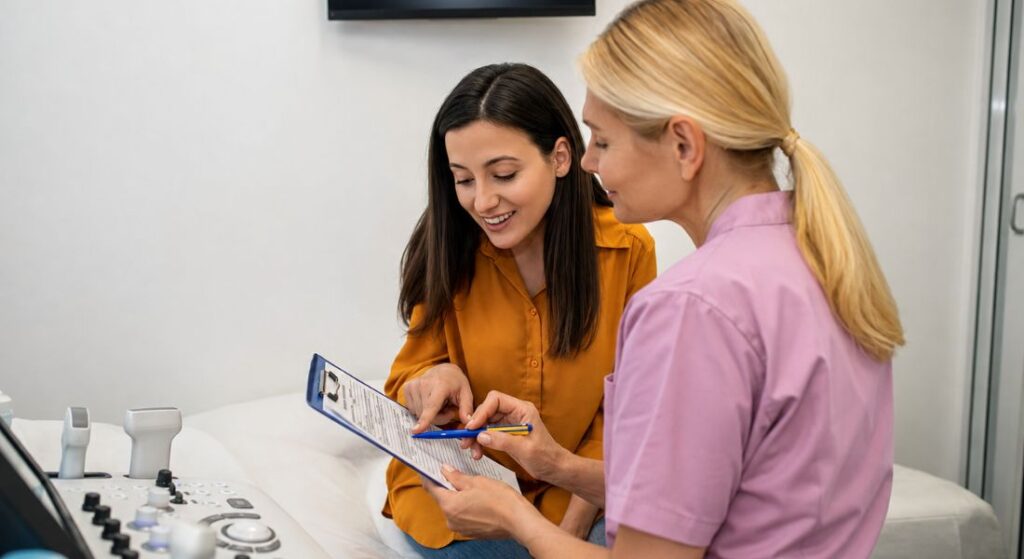
You may recover from the biopsy within days, but your results usually take longer because the tissue needs to be processed and examined by a pathologist. Many services provide results within a few weeks, although the exact timeframe can vary.
You should not assume that a longer wait means something serious has been found. Your clinic should explain when and how you will receive the results and discuss what they mean once the report is available.
Myth vs Fact
| Myth | Fact |
| You should be completely healed after a couple of days. | Soreness may improve quickly, but the biopsy site itself can take longer to heal. |
| Any bleeding means something is wrong. | Small amounts of spotting or bleeding can occur during normal early recovery. |
| Heavy bleeding is normal because the vulva has a good blood supply. | Heavy or persistent bleeding needs medical assessment. |
| Grey discharge always means infection. | Silver nitrate used to control bleeding can cause temporary grey or dark discharge. |
| Dissolvable stitches always disappear exactly after seven days. | Dissolution time varies according to the suture material and wound healing. |
| You need complete bed rest after a biopsy. | Light everyday movement is generally possible, while heavy work and strenuous exercise may need to be limited temporarily. |
| You can return to cycling as soon as pain settles. | Activities causing direct pressure or friction should wait until the wound is healing appropriately. |
| Everyone must wait exactly two weeks before sex. | Advice varies by wound and clinic, although some NHS services recommend at least two weeks. |
| You can swim if the biopsy is no longer painful. | The wound should be adequately healed; stitches may also need to have dissolved. |
| Increasing pain is just part of healing. | Pain should generally improve; worsening pain can indicate a complication. |
| Waiting longer for biopsy results means cancer has been found. | Result turnaround times depend on pathology services and do not indicate the diagnosis. |
Key Takeaways
- Mild soreness, tenderness and light bleeding can occur after a vulval biopsy.
- Short-term discomfort often improves within days, but complete wound-healing time varies.
- Dissolvable stitches may take different lengths of time to disappear depending on the suture and wound.
- Silver nitrate used to control bleeding can cause temporary grey or dark discharge.
- Plain-water cleansing and gentle drying are commonly advised while the site heals.
- Temporary stinging can occur when urine contacts the biopsy site.
- Heavy exercise, cycling and activities causing direct vulval pressure may need to be restricted temporarily.
- Advice about sex, bathing and swimming varies between clinics, so follow your own aftercare instructions.
- Increasing pain, heavy or persistent bleeding, swelling, offensive discharge, pus, fever or feeling unwell requires medical advice.
Frequently Asked Questions
1. How long does it take to recover from a vulval biopsy?
Most people find that soreness, tenderness and light bleeding improve within a few days. The biopsy wound may take around one to two weeks or longer to heal fully, depending on its size, location and whether stitches were used.
2. Can you return to work after a vulval biopsy?
You may be able to return to work quickly if your job is mostly sedentary and you feel comfortable. If your work involves prolonged standing, heavy lifting or physical activity, you may need additional time to recover.
3. When can you exercise after a vulval biopsy?
Gentle movement is usually possible as you begin to feel more comfortable, but strenuous exercise, cycling and activities that create pressure or friction around the vulva may need to wait. Follow your clinic’s advice and gradually return to exercise as the wound heals.
4. When can you have sex after a vulval biopsy?
You should usually wait until the biopsy site has healed and is no longer sore or bleeding before having penetrative sex. Your clinician may recommend waiting around two weeks or longer depending on the location and size of the biopsy.
5. When should you seek medical advice after a vulval biopsy?
Contact your healthcare provider if you develop worsening pain, heavy or persistent bleeding, increasing swelling, pus, offensive discharge or fever. These symptoms can indicate infection or another complication and should be assessed promptly.
Final Thoughts: Understanding Your Vulval Biopsy Recovery
Recovery from a vulval biopsy is usually straightforward, with soreness, light bleeding and tenderness gradually improving as the small wound heals. You can often return to everyday activities relatively quickly, but you should give your body time to recover and follow your clinic’s advice about exercise, swimming and sexual activity.
If you’re looking for a vulval biopsy in London, you can get in touch with us at Gynaecology Clinic London.
References:
- North Tees and Hartlepool NHS Foundation Trust (2026) ‘Biopsy of the vulva or vagina’. Available at: https://www.nth.nhs.uk/resources/biopsy-of-the-vulva-or-vagina/
- North Cumbria Integrated Care NHS Foundation Trust (2026) ‘Gynaecology: Vulval biopsy’. Available at: https://www.ncic.nhs.uk/patients-visitors/patient-information-leaflets/gynaecology-information-advice-following-vulval-biopsy
- Gateshead Health NHS Foundation Trust (2025) ‘Biopsy of the vulva – aftercare’. Available at: https://www.gatesheadhealth.nhs.uk/resources/biopsy-of-the-vulva-aftercare/
- Royal Berkshire NHS Foundation Trust (2024) ‘Having a vulval biopsy’. Available at: https://www.royalberkshire.nhs.uk/media/10wpyode/vulval-biopsy.pdf
- Bhide, D., Sadhwani, M. and Shah, A. (2025) ‘Vulvar biopsy: Modified punch and snip biopsy technique’, Indian Dermatology Online Journal, 16(6), pp. 967–968. Available at: https://pmc.ncbi.nlm.nih.gov/articles/PMC12622928/
- Panez, S. et al. (2021) ‘A survey of practices and perceptions of vulvar biopsies in academic dermatology’, International Journal of Women’s Dermatology, 7(5 Part B), pp. 763–765. Available at: https://pmc.ncbi.nlm.nih.gov/articles/PMC8714558/
- Khumalo, N.P., Booker, S. and Wojnarowska, F. (2001) ‘Vulval punch biopsies: What is the experience of patients and do they alter management?’, Journal of Obstetrics and Gynaecology, 21(2), pp. 181–183. Available at: https://pubmed.ncbi.nlm.nih.gov/12521894/
- Tuil, A. et al. (2023) ‘Vulvar biopsy: Punch biopsy or cervical forceps biopsy?’, Journal of Gynecology Obstetrics and Human Reproduction, 52(10), article 102667. Available at: https://pubmed.ncbi.nlm.nih.gov/37709202/