



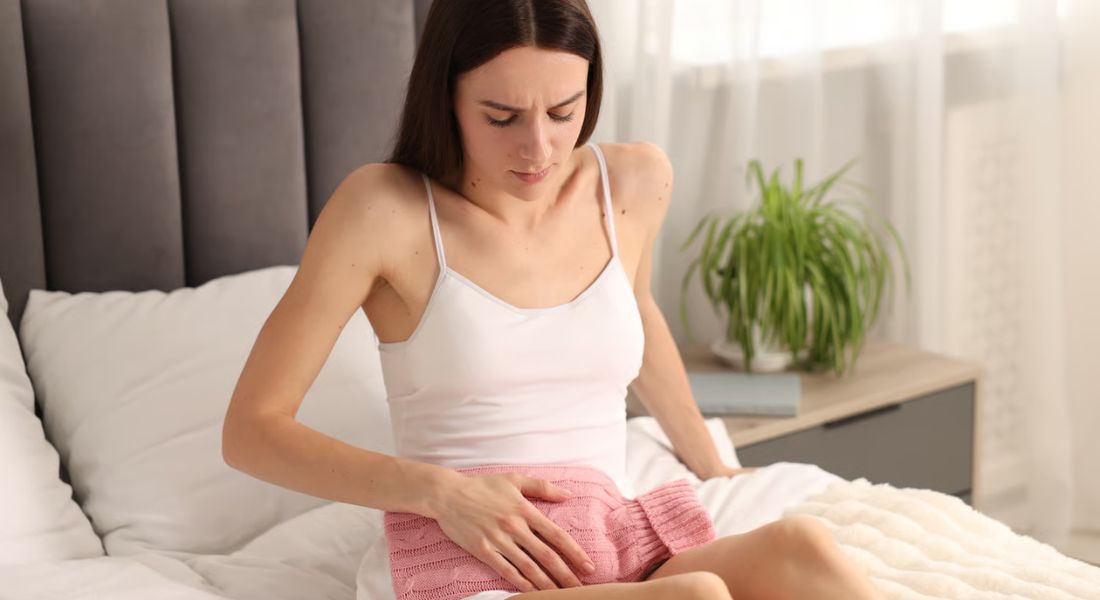
Period pain can be very uncomfortable, but it does not usually require treatment in A&E. However, you should seek urgent medical help if the pain is unusually severe or worsening, as conditions such as an ectopic pregnancy, ovarian cyst complication, pelvic infection or significant bleeding can sometimes feel similar to intense menstrual cramps.
Call 999 or go to A&E if pelvic pain is severe, rapidly worsening or painful when you move or touch the area, particularly if it occurs with fainting, heavy vaginal bleeding, shoulder-tip pain, breathing difficulty or sudden confusion. Call 999 rather than travelling independently if you have collapsed, may lose consciousness, cannot breathe normally or are too unwell to travel safely.
What A&E Is Designed to Treat
A&E is for serious or potentially life-threatening problems that need immediate hospital assessment. Go to A&E if pelvic pain is severe, getting worse, or hurts when you move or touch the area.
A&E is not usually the most appropriate place for familiar monthly cramps that follow your usual pattern and improve with treatment. If you are unsure whether your symptoms are an emergency, contact NHS 111, which can direct you to the most suitable urgent service.
Which Service Should You Use?
| Situation | Appropriate action |
| Collapse, loss of consciousness, breathing difficulty, reduced responsiveness, or very heavy vaginal bleeding with faintness or severe weakness | Call 999 |
| Severe or rapidly worsening pelvic pain, pain on movement or touch, heavy bleeding or shoulder-tip pain | Call 999 or attend A&E depending on whether you can travel safely |
| Possible pregnancy with one-sided pain, unusual bleeding, dizziness or shoulder-tip pain | Seek urgent assessment; call 999 for severe pain, fainting or collapse |
| Sudden severe one-sided pelvic pain, particularly with nausea or vomiting | Seek urgent same-day assessment through NHS 111; attend A&E if the pain is extreme, persistent, rapidly worsening or you are repeatedly vomiting |
| Severe period pain not helped by appropriate pain relief but no immediate red flags | Contact NHS 111 or request an urgent GP appointment |
| Significant or worsening pain, fever, unusual discharge, very heavy bleeding, possible pregnancy or missing or changed threads after coil insertion | Contact the fitting service, an urgent GP service or NHS 111 |
| Familiar recurring period pain without emergency symptoms | Arrange a routine GP or gynaecology appointment |
| Unsure which urgent service is appropriate and otherwise stable | Contact NHS 111 |
Severe or Rapidly Worsening Pelvic Pain

Go to A&E if your pelvic or lower abdominal pain is extremely severe, rapidly worsening, very different from your usual cramps, or hurts when you move, cough or touch the area. A sudden and dramatic change is more concerning than pain that follows your familiar monthly pattern.
Feeling Faint, Dizzy or Collapsing
You should seek emergency help if pelvic pain occurs alongside faintness, severe dizziness, light-headedness or loss of consciousness. These symptoms may indicate a serious reduction in circulation, significant bleeding or another acute medical problem and should not be attributed automatically to period pain.
Do not try to travel alone if you feel that you may collapse. Call 999 and do not attempt to drive. Sit or lie somewhere safe if you can do so without increasing the pain, and ask someone to remain with you until help arrives.
Heavy Vaginal Bleeding
Seek emergency care if severe pelvic pain occurs with very heavy vaginal bleeding, continuous flooding or bleeding that soaks through a period pad soon after it is put on. Call 999 if this occurs with faintness, dizziness, breathing difficulty, marked weakness, looking very pale or possible pregnancy. Large clots should be considered alongside the overall amount of bleeding, pain severity and how unwell you feel.
Period-Like Pain When Pregnancy Is Possible
Bleeding in early pregnancy can sometimes be mistaken for an unusual period, particularly if it happens around the time your period is due. You should consider the possibility of pregnancy if you have had sex that could result in pregnancy, even when contraception was used.
Ectopic pregnancy may cause one-sided pelvic pain with light bleeding or brown discharge. Do not delay emergency care while waiting for a pregnancy test if you develop sudden severe pain, faintness, pale skin or shoulder-tip pain.
Ectopic Pregnancy
An ectopic pregnancy occurs when a fertilised egg implants outside the main cavity of the womb, most commonly in a fallopian tube. You may experience one-sided lower abdominal pain, vaginal bleeding or brown discharge, shoulder-tip pain or discomfort when using the toilet, even if you have not had a positive pregnancy test.
As the pregnancy grows, it can rupture the fallopian tube and cause serious internal bleeding. Call 999 or go to A&E immediately if you develop sudden, intense abdominal pain with severe dizziness, fainting, nausea or marked paleness, as this combination may indicate a ruptured ectopic pregnancy.
Miscarriage and Severe Early-Pregnancy Symptoms
Cramping and bleeding in early pregnancy can have several possible causes, including miscarriage. You should seek immediate medical help if the pain is severe or the bleeding is heavy, particularly if you also feel faint or dizzy.
Call 999 if you are pregnant and bleeding with severe abdominal or shoulder pain, nausea, dizziness, fainting, loss of consciousness or bleeding that soaks through a period pad soon after it is put on. If your symptoms are milder and you remain stable, contact your early pregnancy unit, maternity unit, GP or NHS 111.
Fever, Shivering or Feeling Very Unwell

Painful periods do not usually cause a high temperature, uncontrollable shivering or a severe feeling of illness. You may have an infection if pelvic pain occurs alongside fever, vomiting, marked weakness or confusion.
Contact NHS 111 urgently if pelvic pain occurs with fever, shivering, vomiting or a possible infection. Call 999 or go to A&E if the pain is severe or worsening, hurts when you move or touch the area, or you feel faint, confused or extremely unwell.
Shoulder-Tip Pain
Shoulder-tip pain is discomfort where the top of your shoulder meets your arm. When it occurs with abdominal or pelvic pain, it may mean that internal bleeding is irritating your diaphragm.
You should take this symptom seriously if pregnancy is possible, especially when it occurs with bleeding, dizziness or faintness. Call 999 or go to A&E if shoulder-tip pain occurs with pelvic or abdominal pain, particularly when pregnancy is possible or you also have bleeding, dizziness or faintness.
Sudden One-Sided Pelvic Pain
Period cramps are often felt across the middle of your lower abdomen, although you may notice stronger discomfort on one side. However, sudden and severe pain that is clearly focused on one side may have another cause, such as an ovarian cyst that has ruptured, started bleeding or caused the ovary to twist.
Contact NHS 111 urgently for sudden severe pelvic pain, especially when it occurs with nausea or vomiting. Go directly to A&E if the pain is extreme, persistent, rapidly worsening, prevents normal movement or is accompanied by repeated vomiting, dizziness, fainting or collapse.
Ovarian Torsion
Ovarian torsion happens when an ovary twists around the tissues supporting it, reducing or cutting off its blood supply. You may develop sudden, severe one-sided pelvic or lower abdominal pain, often with nausea or vomiting, although the pain can sometimes come and go.
Ovarian torsion cannot be confirmed or excluded at home and may require urgent surgery. Go to A&E for sudden severe one-sided pain, especially if you are vomiting or have a known ovarian cyst.
Pelvic Inflammatory Disease
Pelvic inflammatory disease, or PID, is an infection of the upper reproductive tract that may involve the womb, fallopian tubes, ovaries and surrounding tissues. You may experience lower abdominal pain, unusual vaginal discharge, bleeding between periods, pain during sex or periods that become heavier or more painful.
PID needs prompt antibiotic treatment. Contact a GP or sexual health clinic promptly if you have possible symptoms. Go to A&E if the pain is severe or rapidly worsening, particularly with heavy bleeding, faintness, a very high temperature, vomiting or feeling extremely unwell.
Repeated Vomiting or Inability to Keep Fluids Down
Contact NHS 111 urgently if repeated vomiting prevents you from keeping fluids down, you are passing very little urine, feel increasingly weak or become dizzy when standing. Go to A&E if vomiting occurs with sudden, severe or worsening pelvic pain, fever, faintness or possible ovarian torsion, a cyst complication or infection.
Difficulty Breathing, Confusion or Reduced Responsiveness
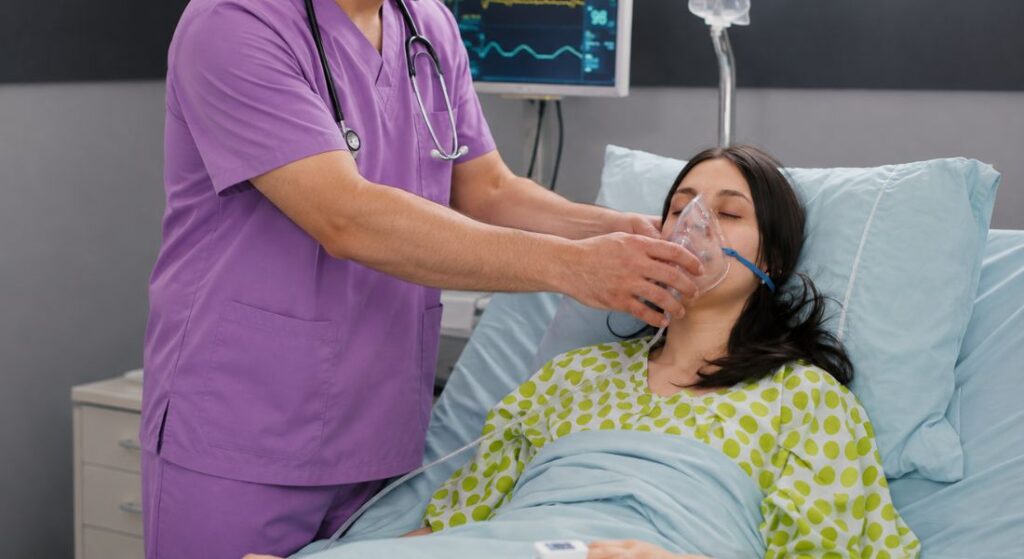
Call 999 if pelvic pain occurs alongside difficulty breathing, sudden confusion or collapse. These symptoms may mean that your condition is affecting more than your reproductive system and that you need immediate medical assessment.
Call 999 if your skin, lips or tongue appear blue, grey, pale or blotchy. On brown or black skin, these changes may be easier to see on the palms or soles.
Severe Pain After a Coil Has Been Fitted
Period-like cramping can occur for a few days after an intrauterine device (IUD) or intrauterine system (IUS) is fitted. A copper IUD may also make periods heavier, longer or more painful, particularly during the first few months. However, you should not assume that sudden, worsening or persistent pain is a normal side effect.
- Urgent Warning Signs: Contact NHS 111 or seek urgent medical advice if you have significant lower abdominal pain, fever, unusual discharge or very heavy bleeding.
- Missing Threads: If you cannot feel the threads or they feel different, use condoms or avoid sex until the device has been checked. Seek prompt advice because you may need emergency contraception, depending on when sex occurred.
- Possible Pregnancy: Seek urgent assessment if you may be pregnant, particularly if you also have pain, bleeding, dizziness or faintness.
- Emergency Symptoms: Go to A&E if the pain is extreme or occurs with heavy bleeding, faintness or feeling seriously unwell.
When to Call 999 Rather Than Travel to A&E
Call 999 if you are collapsing, losing consciousness, struggling to breathe or experiencing severe pain with heavy bleeding. You should also request an ambulance if you are too unwell to travel safely or your condition is worsening rapidly.
Do not drive yourself to A&E if you feel faint, dizzy, confused or seriously unwell. If your medicines are immediately available, take them or a current medicine list with you, but do not delay emergency help to collect belongings.
When NHS 111 or an Urgent GP Appointment Is More Appropriate
Contact NHS 111 or request an urgent GP appointment if your period pain is severe, worse than usual or not improving with pain relief, but you do not have emergency warning signs. You should also seek urgent advice for new one-sided pain, unusual bleeding, persistent vomiting or a sudden change in your usual symptoms when you otherwise feel stable.
NHS 111 can assess your symptoms and direct you to an appropriate local service, which may include an urgent treatment centre, out-of-hours GP service or hospital assessment. However, do not delay calling 999 if you are fainting, bleeding heavily or experiencing extreme, rapidly worsening pain.
When a Routine Gynaecology Appointment Is Better
A routine GP or gynaecology appointment is usually more appropriate if your pain returns every month but you do not have emergency warning signs. Ongoing painful periods may be linked to primary dysmenorrhoea, endometriosis, adenomyosis or fibroids.
You should arrange an appointment if the pain affects your work, education, exercise, sleep or relationships, even if you have learned to manage it. Pain during sex, heavy periods, cyclical bowel or bladder discomfort, or pain that continues beyond your period should also be assessed.
What May Happen When You Arrive at A&E
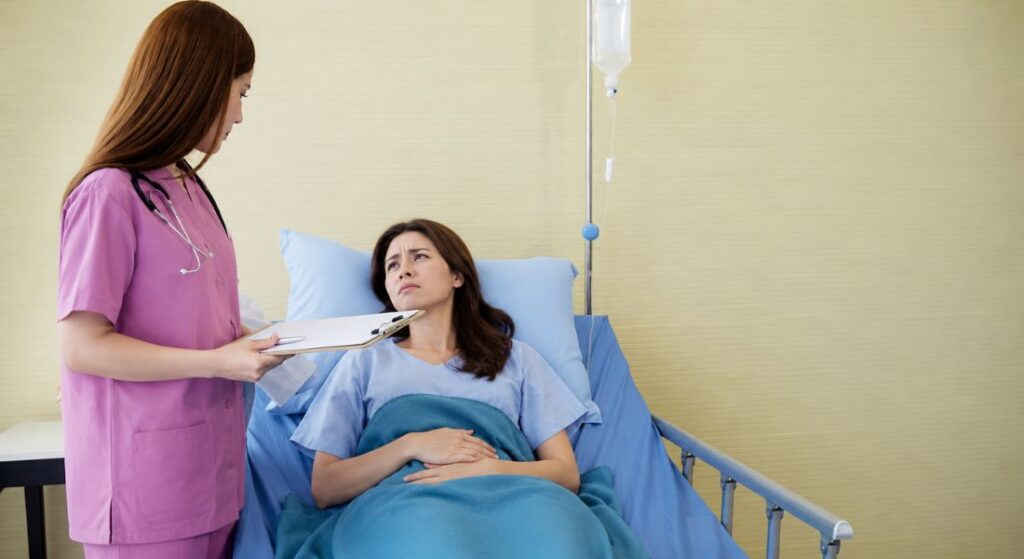
When you arrive at A&E, the team will assess how urgently you need treatment. They may check your pulse, blood pressure, temperature, oxygen levels and the location and severity of your pain.
Depending on your symptoms, assessment may include a pregnancy test, urine test, blood tests, pain relief, intravenous fluids or imaging. An ultrasound may be arranged when clinically indicated, but A&E may not complete the investigation of recurring period pain. You should be ready to explain when your last period began, whether pregnancy is possible, how much you are bleeding and any relevant medical conditions, procedures, contraception or medicines.
Myth vs Fact
| Myth | Fact |
| Severe period pain is never an emergency. | Sudden or unusually severe pelvic pain may be caused by ectopic pregnancy, ovarian torsion, infection or another urgent condition. |
| Any painful period should be treated in A&E. | Familiar recurring cramps without emergency warning signs are usually better assessed by a GP or gynaecologist. |
| Bleeding means pregnancy is impossible. | Early-pregnancy bleeding can be mistaken for a period, including with ectopic pregnancy or miscarriage. |
| A negative or unavailable pregnancy test rules out an emergency. | Urgent assessment may still be needed when pregnancy is possible and severe symptoms are present. |
| Large clots always require an ambulance. | Clots should be interpreted alongside the amount of bleeding, pain and the person’s general condition. |
| Missing coil threads mean you must call 999. | Missing threads need urgent contraceptive advice, but 999 is generally reserved for severe pain, collapse or other emergency symptoms. |
| A&E can diagnose the cause of recurring period pain completely. | A&E focuses on urgent causes and immediate treatment; planned gynaecology assessment may still be needed. |
| Pelvic pain always comes from the reproductive organs. | Appendicitis, urinary and bowel conditions can also cause severe lower abdominal or pelvic pain. |
Key Takeaways
- Most familiar menstrual cramps do not require A&E.
- Severe, rapidly worsening or unusually different pelvic pain may be an emergency.
- Call 999 for collapse, breathing difficulty, reduced responsiveness, or very heavy vaginal bleeding with faintness or severe weakness.
- Heavy bleeding becomes more concerning when it occurs with faintness, pallor, breathlessness or severe weakness.
- Bleeding around the expected date of a period does not exclude pregnancy.
- One-sided pain with shoulder-tip pain, dizziness or faintness may indicate ectopic pregnancy.
- Sudden one-sided pain with nausea or vomiting may indicate ovarian torsion or a cyst complication.
- Fever, discharge and severe illness may indicate pelvic infection.
- Missing coil threads require urgent advice but do not automatically require an ambulance.
- NHS 111 is appropriate when symptoms are urgent but not immediately life-threatening.
- Recurring painful periods without red flags should be assessed through planned GP or gynaecology care.
- A&E may exclude immediate emergencies without completing the investigation of long-term menstrual pain.
Frequently Asked Questions
1. When should you go to A&E for period pain?
Go to A&E if pelvic pain is sudden, severe, rapidly worsening, very different from your usual cramps or hurts when you move or touch the area. Call 999 when it occurs with collapse, breathing difficulty, heavy bleeding, shoulder-tip pain, confusion or when you are too unwell to travel safely.
2. Can severe one-sided pelvic pain be an emergency?
Sudden and severe pain on one side may be caused by ovarian torsion, an ovarian cyst complication or an ectopic pregnancy. Attend A&E if the pain is extreme, worsening or accompanied by vomiting, dizziness, faintness or vaginal bleeding.
3. When should you call 999 for period-like pain?
Call 999 if you collapse, lose consciousness, struggle to breathe or experience severe pelvic pain with very heavy bleeding. You should also request an ambulance if you feel too faint, confused or seriously unwell to travel safely.
4. When should you contact NHS 111?
Contact NHS 111 if your period pain is worse than usual or has not improved with pain relief, but you do not have emergency warning signs. The service can assess your symptoms and direct you to an urgent treatment centre, an out-of-hours doctor or hospital care.
5. When is a routine gynaecology appointment more appropriate?
A routine GP or gynaecology appointment is more appropriate when painful periods recur without emergency symptoms. Arrange an assessment if the pain affects your work, sleep or daily activities, or occurs with heavy bleeding, painful sex or bowel and bladder symptoms.
Final Thoughts: Knowing When Period Pain Needs Medical Attention
Most period pain does not require emergency care. However, seek urgent help if the pain is sudden or severe, or occurs with heavy bleeding, fainting, fever, vomiting, breathing difficulty or a possible pregnancy. If you are looking for specialist advice about painful periods treatment in London, you can contact Gynaecology Clinic London.
References:
- British Association for Sexual Health and HIV (2019) United Kingdom national guideline for the management of pelvic inflammatory disease: 2019 interim update. Available at: https://www.bashh.org/resources/6/guidelines_pid_2019/
- Faculty of Sexual & Reproductive Healthcare (2023, amended 2025) FSRH guideline: Intrauterine contraception. Available at: https://www.fsrh.org/Common/Uploaded%20files/documents/fsrh-clinical-guideline-intrauterine-contraception-mar-23-amended.pdf
- National Institute for Health and Care Excellence (2019, updated 2026) Ectopic pregnancy and miscarriage: Diagnosis and initial management. NICE guideline NG126. Available at: https://www.nice.org.uk/guidance/ng126
- NHS (2022) Ectopic pregnancy. Page last reviewed 23 August 2022. Available at: https://www.nhs.uk/conditions/ectopic-pregnancy/
- NHS (2023) Ovarian cyst. Page last reviewed 21 June 2023. Available at: https://www.nhs.uk/conditions/ovarian-cyst/
- NHS (2024) Heavy periods. Page last reviewed 19 September 2024. Available at: https://www.nhs.uk/conditions/heavy-periods/
- NHS (2024) Side effects of an IUD or copper coil. Page last reviewed 15 February 2024. Available at: https://www.nhs.uk/contraception/methods-of-contraception/iud-coil/side-effects/
- NHS (2024) Side effects and risks of an IUS or hormonal coil. Page last reviewed 22 February 2024. Available at: https://www.nhs.uk/contraception/methods-of-contraception/ius-hormonal-coil/side-effects-and-risks/
- NHS (2025) Pelvic inflammatory disease. Page last reviewed 17 December 2025. Available at: https://www.nhs.uk/conditions/pelvic-inflammatory-disease-pid/
- NHS (2025) Pelvic pain. Page last reviewed 24 November 2025. Available at: https://www.nhs.uk/symptoms/pelvic-pain/
- NHS (2026) Miscarriage. Page last reviewed 31 March 2026. Available at: https://www.nhs.uk/conditions/miscarriage/
- NHS (2026) Period pain. Page last reviewed 18 March 2026. Available at: https://www.nhs.uk/symptoms/period-pain/
- NHS (2026) Sepsis. Page last reviewed 14 May 2026. Available at: https://www.nhs.uk/conditions/sepsis/
- Royal College of Obstetricians and Gynaecologists (2017) Ectopic pregnancy. Published November 2017. Available at: https://www.rcog.org.uk/for-the-public/browse-our-patient-information/ectopic-pregnancy/