




Having an endometrial polyp removed can bring relief, but it can feel worrying if your symptoms return or another polyp develops. This does not usually mean your previous treatment was unsuccessful, as hysteroscopy removes the existing polyp but cannot always prevent new ones from forming.
Endometrial polyps may come back because of hormonal changes, the condition of your womb lining or other individual factors such as age and medication. Whether you need another hysteroscopy or ongoing monitoring will depend on your symptoms, fertility plans and the results of your previous polyp.
What Is a Recurrent Endometrial Polyp?
An endometrial polyp is a growth that develops from the lining of your womb, known as the endometrium. You may have a single polyp or several, and they can be attached by either a narrow stalk or a broader base.
A recurrent endometrial polyp is a new or regrown polyp that develops after a previous one has been removed or has resolved. It may cause abnormal bleeding, although some polyps are only discovered during an ultrasound or hysteroscopy, and further assessment is needed to confirm the cause.
Why Can a Polyp Return After Complete Removal?
Hysteroscopic polypectomy removes the polyp that is present during the procedure, but it does not remove the entire lining of your womb. As your endometrium continues to respond to hormones and naturally renew itself, a new polyp can develop over time.
A recurrent polyp is not usually caused by anything you did after your procedure. Instead, it is thought to result from ongoing hormonal influences and changes within the endometrium, meaning some women remain more likely to develop new polyps even after successful treatment.
Does Incomplete Removal Increase Recurrence?

Incomplete removal can leave part of the polyp attached to the lining of your womb, which may continue to grow and appear as a recurrence. This is why hysteroscopic removal is usually preferred, as it allows your gynaecologist to see the polyp clearly and remove it under direct vision.
Some polyps are more difficult to remove completely because of their size, shape or location within the womb. If your specialist believes some tissue may have remained, they may recommend a planned repeat hysteroscopy rather than waiting for symptoms to return.
How Common Is Endometrial Polyp Recurrence?
The chance of an endometrial polyp returning varies from person to person, so there is no single recurrence rate that applies to everyone. Research has reported recurrence rates ranging from around 5% to 15% after hysteroscopic removal, although some studies have found higher rates depending on the length of follow-up and the groups studied.
Your individual risk depends on factors such as the number of polyps you had, the method used to remove them and your overall health. For this reason, your specialist will assess your own circumstances rather than relying on a single percentage to predict whether a polyp will return.
Research Insight:
A systematic review has shown that recurrence rates vary considerably between studies because of differences in patient characteristics, follow-up duration and surgical technique. Women with multiple polyps, chronic endometritis or prolonged follow-up generally have higher reported recurrence rates. This means your own recurrence risk is best assessed individually rather than relying on a single published percentage.
Does Longer Follow-Up Make Recurrence More Likely?
The longer you are followed after treatment, the more likely it is that a new polyp will be detected if one develops. This does not mean your risk suddenly increases after a certain time, but simply that there is a longer period during which recurrence can occur.
A new polyp may appear months or even years after removal, so any unexpected bleeding should be assessed, even if your previous polyp was benign. If you have no symptoms, however, routine repeat hysteroscopy is not usually needed unless your specialist recommends it based on your individual risk factors.
Are Multiple Polyps More Likely to Return?
Having several endometrial polyps at the time of your hysteroscopy may increase the chance of recurrence. Multiple polyps can suggest that a larger area of your womb lining has a tendency to develop these growths, even after successful treatment.
This does not mean that your polyps will definitely return, but your specialist may recommend closer follow-up if you develop new symptoms. They may also explain whether all visible polyps were removed and whether the surrounding womb lining appeared healthy.
Does Polyp Size Affect Recurrence?
If you have a larger endometrial polyp, you may have a slightly higher chance of recurrence, particularly if it has a broad base that makes complete removal more difficult. However, research findings are mixed, so the size of your polyp alone cannot predict whether it will return.
Your specialist will consider the size of your polyp alongside how completely it was removed and the results of your laboratory tests. A larger polyp is not automatically more serious, and you can still have a small polyp that needs further assessment if it causes symptoms or shows abnormal changes.
Can Hormonal Activity Contribute to Recurrence?
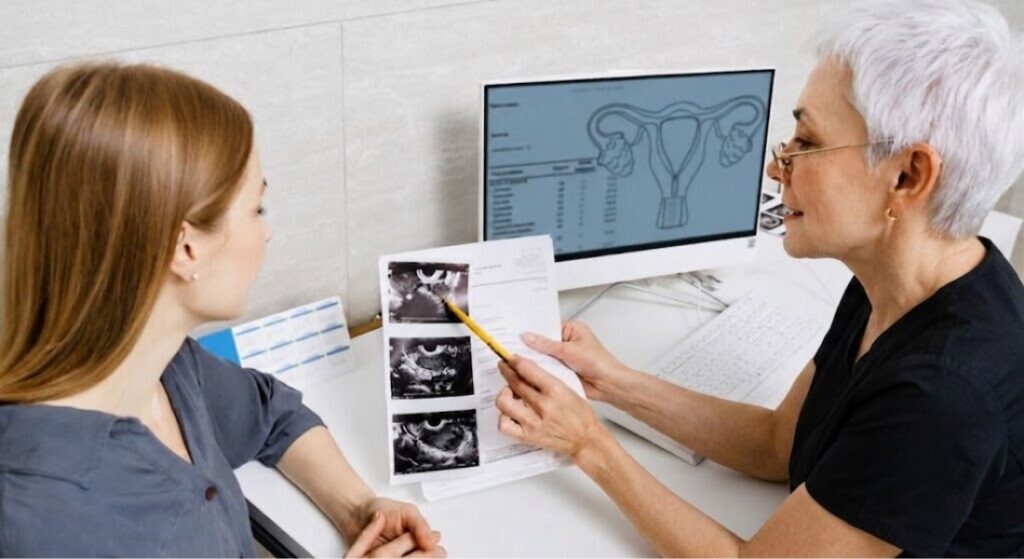
Your womb lining responds to the hormones oestrogen and progesterone, which help regulate its normal growth. If this hormonal balance changes, or if your endometrium is more sensitive to these hormones, you may be more likely to develop new endometrial polyps over time.
Your hormone levels may still be within the normal range, as local changes within the womb can also play a role in polyp formation. You should not start hormone treatments or supplements without medical advice, as the most appropriate treatment depends on your individual circumstances.
Can PCOS and Irregular Ovulation Play a Role?
If you have polycystic ovary syndrome (PCOS) or irregular ovulation, your womb lining may be exposed to oestrogen for longer without the usual balancing effect of progesterone. This can encourage changes in the endometrium that may increase the likelihood of developing polyps.
PCOS does not necessarily mean your polyps will return, but your gynaecologist may consider it alongside your menstrual pattern, symptoms and overall health. If you have persistent abnormal bleeding, you may need further assessment to identify the underlying cause.
Does Body Weight Affect the Risk?
Your body weight may influence your risk of developing endometrial polyps because fat tissue can produce oestrogen, particularly after menopause. Some studies have found that people with a higher body mass index (BMI) may have a greater chance of polyp recurrence, although weight is only one of several factors involved.
Having a higher BMI does not mean your polyps will definitely return, and you should always have new or persistent bleeding properly assessed. If you choose to lose weight, gradual and sustainable changes may support your overall health, but they cannot guarantee that another polyp will not develop.
Can Chronic Endometritis Cause Recurrent Polyps?
Chronic endometritis is long-term inflammation of the lining of your womb, and it may increase your risk of developing recurrent endometrial polyps. Some studies have found an association between this condition and polyp recurrence, particularly in premenopausal women, although it is not thought to be the cause in every case.
If your polyps keep returning, your gynaecologist may consider whether chronic endometritis could be contributing, especially if you also have fertility problems or persistent abnormal bleeding. You should only receive treatment if the diagnosis is confirmed or strongly suspected, rather than taking antibiotics routinely.
Can Tamoxifen Increase Recurrence?
If you take tamoxifen, you may have a higher risk of developing endometrial polyps because the medicine can have oestrogen-like effects on the lining of your womb. Research suggests that tamoxifen use may also increase the likelihood of polyp recurrence in some people.
You should not stop taking tamoxifen without speaking to your oncology team, as it plays an important role in treating certain breast cancers. If you develop vaginal bleeding while taking tamoxifen, you should tell your gynaecologist promptly so that you can be assessed appropriately.
Do HRT or Other Hormonal Medicines Matter?
If you use hormone replacement therapy (HRT) or other hormonal medicines, they can affect the lining of your womb depending on the type and dose you take. This does not mean your treatment will cause endometrial polyps, but it may influence your individual risk in some cases.
If you develop unexpected bleeding while using HRT, you should arrange a medical assessment rather than assuming it is a normal side effect. Your specialist will review your medication, symptoms and test results before deciding whether any changes to your treatment are needed.
What Symptoms Suggest That a Polyp May Have Returned?

Recurrent endometrial polyps can cause symptoms similar to those you experienced before, although the pattern may vary depending on whether you still have periods. You may notice:
- Irregular bleeding: Spotting between periods, heavier or longer periods, or bleeding after sex.
- Postmenopausal bleeding: Any bleeding or blood-stained discharge after menopause should always be assessed.
- Bleeding after polyp removal: Bleeding that returns after initially improving following a polypectomy may require further investigation.
- Fertility concerns: In some cases, recurrent polyps may contribute to difficulties with implantation or becoming pregnant.
These symptoms do not necessarily mean that a polyp has returned, as other conditions can cause similar bleeding patterns. However, if your symptoms persist, recur, or you develop very heavy bleeding, severe pelvic pain, fever, or feel faint or dizzy, you should seek prompt medical assessment.
How Is a Recurrent Polyp Investigated?
If your symptoms return, your gynaecologist will review your previous hysteroscopy and laboratory results, ask about your bleeding pattern and discuss any medicines you take, such as tamoxifen or HRT. You will usually have a transvaginal ultrasound to look for changes in the lining of your womb, although it cannot always confirm whether a growth is a polyp.
If further assessment is needed, you may be offered a hysteroscopy so your specialist can examine the inside of your womb and remove or biopsy any suspicious tissue. Bringing copies of your previous scan, operation and pathology reports can help your gynaecologist compare the findings and plan the most appropriate treatment.
UK Guidance:
In the UK, postmenopausal bleeding should always be assessed promptly because it requires investigation to exclude endometrial disease. Depending on your symptoms and ultrasound findings, your specialist may recommend hysteroscopy with biopsy to obtain an accurate diagnosis.
Does a Recurrent Polyp Mean You Have Cancer?
No. If your endometrial polyp returns, it does not automatically mean you have cancer, as most recurrent polyps are benign. Research has shown that recurrence alone is not linked to a higher risk of malignancy.
Your specialist will assess your age, symptoms, menopausal status and previous laboratory results to decide whether the polyp should be removed and examined. If your recurrent polyp is removed, it is usually sent for testing to confirm that it is benign and to guide any further care.
Can Hormonal Treatment Reduce Recurrence?
If you have recurrent endometrial polyps, your specialist may discuss hormonal treatment that may reduce the risk of recurrence in selected patients. A hormonal coil (levonorgestrel-releasing intrauterine system) is one option that may help by slowing the growth of your womb lining, although it is not suitable for everyone.
Whether hormonal treatment is right for you will depend on your age, symptoms, fertility plans and the results of your previous polyp. Your gynaecologist will explain the potential benefits and limitations before recommending the most appropriate approach.
Can Surgery Be Modified to Lower Recurrence?

Your surgeon will aim to remove the entire endometrial polyp, including its attachment, while preserving as much healthy womb lining as possible. Different hysteroscopic techniques are available, and some studies suggest that certain methods may reduce the risk of recurrence, although no single approach is suitable for everyone.
If you have completed your family and your polyps keep returning, your gynaecologist may discuss more extensive procedures in selected cases. However, if you hope to become pregnant in the future, these treatments are generally not recommended because they can affect your fertility.
What Can You Do to Reduce Your Future Risk?
Although you cannot completely prevent another endometrial polyp from developing, there are steps you can take to support your womb health and reduce the likelihood of delayed diagnosis. The table below outlines practical measures that may help, together with their limitations.
| Strategy | How it may help | Important limitation |
| Complete hysteroscopic removal | Removes the visible polyp and its attachment under direct vision | Cannot prevent a new polyp forming elsewhere |
| Histological examination | Confirms whether the polyp is benign or needs further treatment | Does not prevent recurrence |
| Reviewing HRT or tamoxifen | Helps assess whether your medication may affect your womb lining | You should not stop medication without specialist advice |
| Hormonal coil after polypectomy | May reduce recurrence in selected patients | Not suitable if you are planning a pregnancy |
| Investigating chronic endometritis | May identify an underlying inflammatory condition | Not recommended routinely for everyone |
| Managing irregular menstrual cycles | May help protect your womb lining if you do not ovulate regularly | Does not guarantee polyps will not return |
| Supporting your metabolic health | May improve your overall endometrial health | Is not a direct cure for recurrent polyps |
| Reporting recurrent bleeding promptly | Allows earlier assessment and treatment if needed | Helps detect recurrence rather than prevent it |
You should attend any follow-up appointments recommended by your specialist and keep a record of any changes in your bleeding pattern. Avoid unproven supplements that claim to prevent or dissolve polyps, and seek medical advice if your symptoms return so that the cause can be properly investigated.
Clinical Tip:
Keeping copies of your previous hysteroscopy report and pathology results can be helpful if you require assessment elsewhere in the future. Comparing previous findings may assist your specialist in deciding whether a new growth represents recurrence or a separate condition.
Myth vs Fact
| Myth | Fact |
| If an endometrial polyp comes back, it means the first operation failed. | Not necessarily. Hysteroscopic polypectomy removes the existing polyp, but a new polyp can develop later because your womb lining continues to respond to hormonal changes. |
| A recurrent endometrial polyp usually means cancer. | No. Most recurrent endometrial polyps are benign. However, any new or recurrent polyp should be assessed, particularly if you have abnormal bleeding or are postmenopausal. |
| Removing one polyp prevents future polyps from developing. | No treatment can completely prevent new endometrial polyps from forming. Your individual risk depends on several factors, including hormonal influences and your underlying endometrial health. |
| Only large polyps return after treatment. | Not necessarily. Both small and large polyps can recur, and size alone does not reliably predict whether another polyp will develop. |
| You should stop tamoxifen or HRT if another polyp develops. | No. You should never stop prescribed medication without discussing it with your healthcare professional. Your specialist will review whether any changes to your treatment are appropriate. |
Key Takeaways
- Most recurrent endometrial polyps are benign, and recurrence does not usually mean your previous treatment was unsuccessful.
- Your individual risk of recurrence depends on factors such as the number of previous polyps, hormonal influences, chronic endometritis, certain medications and your overall endometrial health.
- Hysteroscopic polypectomy removes the existing polyp effectively but cannot completely prevent new polyps from developing in the future.
- Any new, persistent or postmenopausal bleeding should be assessed promptly, even if your previous polyp was benign.
- Your gynaecologist may recommend further investigations, such as a transvaginal ultrasound or hysteroscopy, if symptoms return.
- Keeping copies of your previous hysteroscopy and pathology reports may help guide future assessment if another polyp develops.
- Attending follow-up appointments and reporting changes in your bleeding pattern promptly may help ensure any recurrence is identified and managed appropriately.
FAQs:
1. Can an Endometrial Polyp Come Back After Successful Removal?
Yes, you can develop another endometrial polyp even after the original one has been completely removed. A new polyp may form because your womb lining continues to respond to hormonal changes over time. A recurrence does not necessarily mean your previous procedure was unsuccessful.
2. What Symptoms Could Suggest That a Polyp Has Returned?
You may notice heavier periods, bleeding between periods, irregular menstrual bleeding or bleeding after menopause if another polyp develops. Some people have no symptoms and only discover a recurrent polyp during an ultrasound or hysteroscopy. Because these symptoms can have several causes, you should arrange a medical assessment for an accurate diagnosis.
3. Does a Recurrent Endometrial Polyp Mean You Have Cancer?
No, most recurrent endometrial polyps are benign, and recurrence alone does not mean cancer is present. However, you should have any new polyp assessed and, if removed, sent for laboratory examination to confirm the diagnosis. Your age, symptoms and previous pathology results will help guide any further investigations.
4. Can You Prevent Endometrial Polyps from Returning?
You cannot completely prevent endometrial polyps from returning because many of the underlying causes are beyond your control. Attending follow-up appointments, reporting new bleeding promptly and discussing appropriate treatment options with your specialist may help reduce your future risk. Maintaining your overall health may also support normal endometrial function.
5. When Should You See a Doctor After Polyp Removal?
You should seek medical advice if your abnormal bleeding returns, becomes heavier or changes after initially improving following treatment. Bleeding after menopause, severe pelvic pain, fever or very heavy bleeding should also be assessed promptly. Early review allows your specialist to investigate the cause and recommend the most appropriate management.
Final Thoughts: Understanding Recurring Endometrial Polyps
Although endometrial polyps can recur after removal, this does not usually mean that your previous treatment was unsuccessful or that there is a more serious underlying problem. The likelihood of recurrence varies from person to person and depends on factors such as the number and size of your original polyps, hormonal influences, your medical history and the characteristics of your endometrium. If abnormal bleeding returns, it is important to seek reassessment rather than assuming it is simply another benign polyp, as each new episode should be investigated on its own merits.
If you are looking for expert endometrial polyps treatment in London, our specialist team can provide a thorough assessment, explain your individual risk of recurrence and recommend the most appropriate investigations or treatment options. At Gynaecology Clinic London, we tailor care to your symptoms, fertility plans and overall health, helping you make informed decisions with confidence while aiming to protect your long-term gynaecological wellbeing.
References:
- Vitale, S.G. et al. (2021) ‘Endometrial polyps: pathogenesis, sequelae and treatment’, Medicina, 57(11), article 1207. Available at: https://www.mdpi.com/1648-9144/57/11/1207
- Di Spiezio Sardo, A. et al. (2021) ‘Hysteroscopic management of endometrial polyps’, Medicina, 57(10), article 1041. Available at: https://www.mdpi.com/1648-9144/57/10/1041
- Yang, J.H., Chen, C.D., Chen, S.U., Yang, Y.S. and Chen, M.J. (2015) ‘Factors influencing the recurrence potential of benign endometrial polyps after hysteroscopic polypectomy’, PLOS ONE, 10(12), article e0144857. Available at: https://pmc.ncbi.nlm.nih.gov/articles/PMC4676604/
- National Institute for Health and Care Excellence (NICE) (2018, last updated 2021) Heavy menstrual bleeding: assessment and management. NICE guideline NG88. Available at: https://www.nice.org.uk/guidance/ng88
- National Institute for Health and Care Excellence (NICE) (2015, last updated 2026) Suspected cancer: recognition and referral. NICE guideline NG12. Available at: https://www.nice.org.uk/guidance/ng12
- NHS (no date) Postmenopausal bleeding. Available at: https://www.nhs.uk/conditions/post-menopausal-bleeding/