



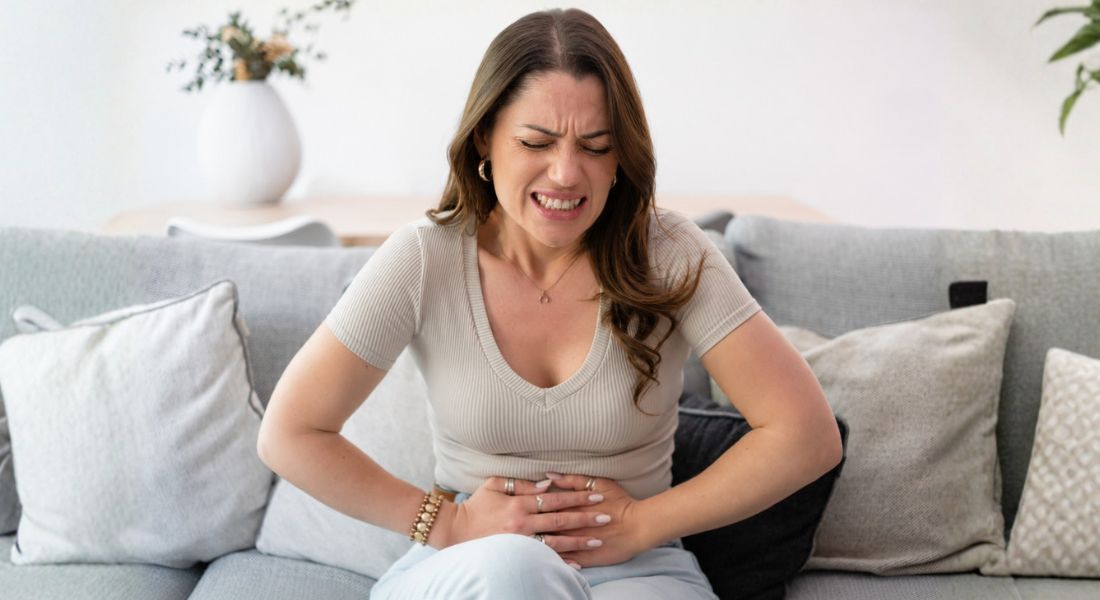
Chronic pelvic pain can be exhausting when it continues for months or keeps returning without a clear explanation. You may feel pain below your belly button, around your hips, lower back, bladder, bowel or vagina, and it can affect your sleep, work, movement, relationships and emotional wellbeing.
Your pain may be constant, come and go or become worse during your period, sex, exercise or when using the toilet. Identifying the cause can take time because several pelvic organs, muscles and nerves have overlapping symptoms. Your clinician should therefore consider your complete symptom pattern rather than focusing immediately on one possible diagnosis.
What Is Chronic Pelvic Pain?
Chronic pelvic pain generally refers to pain in your lower abdomen or pelvis that has lasted for six months or longer, either continuously or in repeated episodes. It is a symptom you experience rather than a condition on its own, and you may describe it as aching, burning, pulling, stabbing or a feeling of heaviness.
You may feel the pain in one area or notice it spreading to your back, legs or other parts of your pelvis. Your symptoms may be constant or occur in flare-ups. Keeping a record of their timing, triggers and effect on daily activities may help your clinician identify useful patterns.
Why Chronic Pelvic Pain Can Be Difficult to Explain
Your pelvis contains many closely connected structures, including your womb, ovaries, bladder, bowel, muscles, joints and nerves. Because pelvic organs, muscles and nerves have overlapping sensory pathways, pain associated with one structure may sometimes be felt in another area.
You may also have more than one condition contributing to your symptoms, such as endometriosis, irritable bowel syndrome or pelvic floor muscle tension. Finding the cause can take time, and a normal test result does not mean your pain is not real or that you should not receive support.
How the Pattern of Your Pain Provides Clues
The timing and triggers of your pain can provide important clues about the possible cause. Pain that becomes worse before or during your period may be linked with conditions such as endometriosis or adenomyosis, while heavy bleeding, clots or increasing cramps may offer further information.
You can keep a symptom diary to track when your pain happens, where you feel it and what makes it better or worse. This can help your clinician understand patterns that may be difficult to remember during an appointment and consider how your symptoms affect your daily life.
What Can the Pattern of Pain Suggest?
| Pain pattern or trigger | Possible contributors |
| Worse before or during periods | Endometriosis, adenomyosis or primary dysmenorrhoea |
| Pain during or after sex | Endometriosis, pelvic-floor dysfunction, vulvodynia, vaginal or vulval conditions, or infection |
| Pain as the bladder fills | Bladder pain syndrome or pelvic-floor dysfunction |
| Pain linked to bowel movements | IBS, constipation, pelvic-floor dysfunction or endometriosis |
| Pain affected by sitting or movement | Muscular, joint, pelvic-floor or nerve-related pain |
| Burning, electric or tingling pain | Possible nerve-related pain or increased nervous-system sensitivity |
| Sudden severe one-sided pain | Ovarian cyst rupture, ovarian torsion, ectopic pregnancy if pregnancy is possible, or another acute condition requiring urgent assessment. |
Endometriosis
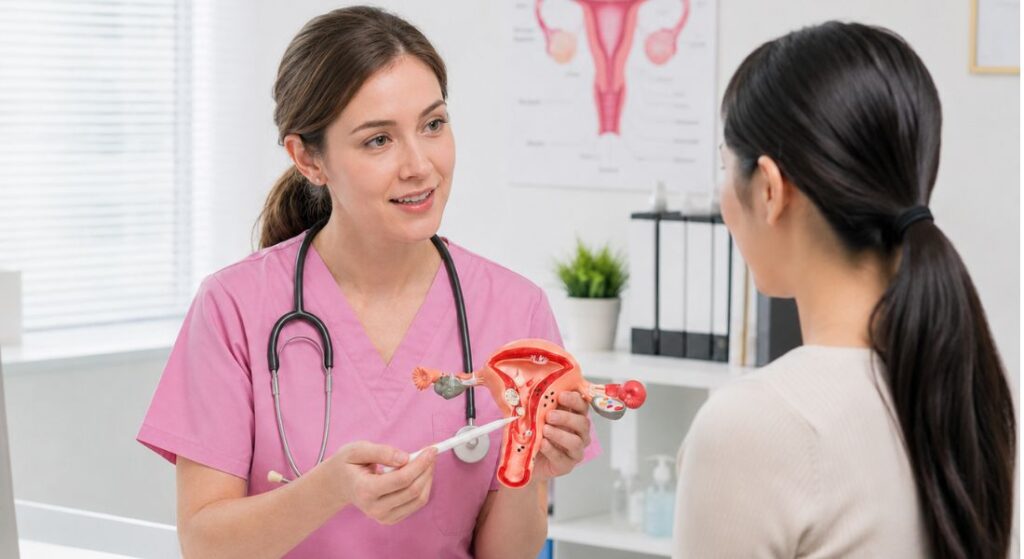
Endometriosis occurs when tissue similar to the lining of your womb grows outside the womb, often affecting your ovaries, pelvic lining or areas behind the womb. Endometriosis may be associated with inflammation, adhesions and persistent or cyclical pelvic pain.
You may experience painful periods, pain during or after sex, or discomfort when opening your bowels or passing urine, especially around your period. The intensity of your pain does not reliably indicate the location or extent of endometriosis, so your symptoms and medical history remain important even if an ultrasound does not show clear signs.
Adenomyosis and Fibroids
Adenomyosis occurs when tissue similar to the womb lining is found within the muscular wall of the womb, which may cause deep pelvic aching, heavy periods, strong cramps, pressure and pain during sex. Fibroids are non-cancerous growths in or around your womb that can sometimes cause heavy bleeding, pelvic pressure, lower back pain, constipation or frequent urination.
An ultrasound can help identify fibroids and may show signs of adenomyosis. Your clinician will consider whether any findings match your symptoms, as not every change seen on a scan is necessarily the reason for your pelvic pain.
Pelvic Inflammatory Disease and Previous Infections
Pelvic inflammatory disease is an infection of the upper reproductive tract, which may affect the womb, fallopian tubes, ovaries and surrounding tissues. You may experience lower abdominal pain, unusual discharge, bleeding between periods, pain during sex or discomfort when passing urine.
Seek prompt medical assessment if an active infection is suspected. PID is usually treated with antibiotics, and early treatment is important because untreated or severe infection may lead to complications. Previous pelvic infections may be associated with adhesions, tubal damage or persistent pelvic pain in some people, so tell your clinician about any past infections, treatments or symptoms such as discharge, fever or bleeding changes.
Pelvic Adhesions and Previous Surgery
Adhesions are bands of scar tissue that can develop after pelvic or abdominal surgery, infection, inflammation or endometriosis. They may cause tissues and organs that usually move freely to stick together, which can sometimes contribute to pulling sensations or pain with movement.
You may have adhesions without experiencing any symptoms, and their presence does not always mean they are the main cause of your chronic pelvic pain. Surgery for mild adhesions does not usually improve chronic pelvic pain. It may be considered in selected cases involving severe adhesions, but your specialist will weigh any possible benefit against the risk of further scar tissue forming.
Ovarian Cysts and Other Ovarian Conditions
Ovarian cysts are fluid-filled sacs that develop on or inside your ovary. Many form as part of your normal menstrual cycle, disappear without treatment and do not cause long-term pelvic pain.
You may experience one-sided aching, pressure, bloating or pain during sex if you have a larger cyst or an ovarian endometrioma. Sudden severe pain with nausea, vomiting, dizziness or fainting needs urgent medical attention because you may have a ruptured cyst or ovarian torsion.
Bladder Pain and Urinary Conditions

Bladder pain syndrome can cause pelvic pressure or discomfort that becomes worse as your bladder fills and may improve temporarily after you pass urine. You may also experience frequent or urgent urination without a confirmed infection.
You should not assume ongoing urinary symptoms are always caused by infection, especially when urine tests are negative. A bladder diary tracking your fluid intake, urination pattern, urgency and pain can help your clinician identify possible causes such as bladder pain syndrome, pelvic floor tension or nerve sensitivity.
Bowel Conditions and Digestive Symptoms
Irritable bowel syndrome (IBS) can cause lower abdominal or pelvic pain, bloating, constipation, diarrhoea and changes in your bowel habits. Some people notice that their bowel symptoms vary around the time of their period. Tell your clinician about any menstrual pattern, as endometriosis and other gynaecological conditions can also cause bowel-related symptoms.
You may also experience pelvic pressure from constipation or discomfort during sex and physical activity. Your clinician should consider both digestive and gynaecological causes, as conditions such as endometriosis can also cause bowel symptoms, particularly pain when opening your bowels during your period.
Pelvic Floor Muscle Dysfunction
Your pelvic floor is a group of muscles that support your bladder, bowel and reproductive organs. These muscles can become tight, painful or poorly coordinated after surgery, childbirth, injury, persistent pain or repeatedly tensing to protect against discomfort.
You may experience pain during penetration, difficulty emptying your bladder or bowel, or aching that becomes worse after sitting or exercise. Specialist pelvic health physiotherapy may help. If your pelvic-floor muscles are tight, painful or overactive, treatment may initially focus on relaxation, breathing, movement and coordination. Strengthening exercises may be introduced when appropriate following an individual assessment.
Musculoskeletal and Nerve-Related Pain
Pelvic pain can sometimes come from your hips, lower back, abdominal muscles, pelvic joints or surrounding tissues. You may notice that the pain becomes worse with walking, lifting, sitting, certain movements or repeated activities rather than following your menstrual cycle.
Nerve-related pain may feel burning, electric, shooting, tingling or numb and can sometimes spread to other areas. A physical examination can help identify muscle tension, movement problems or nerve sensitivity, allowing your clinician to consider options such as physiotherapy, pain management or specialist support.
Vulvodynia and Pain Around the Vaginal Opening
Vulvodynia is pain in the vulva that lasts for at least three months and does not have a specific identifiable cause. You may feel burning, stinging, rawness or soreness, and the discomfort may occur without touch or become worse during activities such as inserting a tampon, having sex, wearing tight clothing or sitting for long periods.
You may benefit from a combination of treatments, including gentle vulval care, pelvic health physiotherapy and medicines that help calm nerve-related pain. Support for your emotional and sexual wellbeing can also be helpful, as persistent pain can affect many areas of your life.
How Chronic Pain Can Change the Nervous System
When pelvic pain continues for a long time, your nervous system may become more sensitive to signals from the affected area. This can make ordinary sensations feel more painful or cause discomfort to spread beyond where it originally started.
- Increased Sensitivity: Your nerves may begin responding more strongly to pressure, movement or sensations that would not normally cause significant pain.
- Pain May Spread: You may notice discomfort affecting a wider area of your pelvis, lower back, hips or legs.
- The Pain Is Real: Increased nervous-system sensitivity does not mean that your symptoms are imagined or caused only by stress.
- Combined Treatment: Treatment may focus on improving sleep, restoring movement, relaxing tense muscles and reducing the nervous system’s sensitivity.
These changes can help explain why your pain may continue even when tests do not show a clear cause. A personalised treatment plan may help reduce flare-ups and improve your comfort and daily functioning over time.
Emotional Wellbeing and the Impact of Persistent Pain
Living with ongoing pelvic pain can affect your mood, confidence, relationships, work and sex life. You may experience anxiety or low mood because pain has disrupted your daily life, rather than because emotional distress caused your symptoms.
Stress and poor sleep can make your nervous system more sensitive and increase the impact of pain. Support such as counselling, cognitive behavioural therapy or pain psychology may help you manage flare-ups and return to activities as part of a wider treatment approach.
Warning Signs That Need Urgent Assessment
Seek urgent medical help if your pelvic pain is sudden, severe or worsening quickly. Contact NHS 111 if you are pregnant or may be pregnant and develop pelvic pain. Call 999 or go to A&E if the pain is severe or worsening, or if it is accompanied by fainting, marked dizziness, shoulder-tip pain, difficulty breathing, heavy vaginal bleeding or confusion. These symptoms may indicate an ectopic pregnancy, internal bleeding or another medical emergency.
You should also seek urgent advice if you develop a fever, repeated vomiting, unusual vaginal discharge or if you feel very unwell, as these symptoms may indicate an infection or another condition requiring prompt assessment. Even if you live with chronic pelvic pain, a sudden change in the pattern or intensity of your symptoms should not be ignored.
Arrange a GP appointment if your pelvic pain keeps returning or does not go away, particularly if you also have persistent bloating, unexplained weight loss, feel full quickly, have a reduced appetite or experience ongoing constipation or diarrhoea. If you are 20 weeks pregnant or more, contact your midwife or maternity unit for advice.
UK Guidance Note
Use NHS 111 for urgent pelvic pain associated with possible pregnancy, fever, vomiting, unusual discharge or bleeding, or urinary or bowel difficulty. Call 999 or attend A&E for severe or rapidly worsening pain, fainting, shoulder-tip pain, heavy bleeding, breathing difficulty, confusion or collapse.
What Happens During Your Initial Assessment?
Your clinician will ask when your pain started, where you feel it and whether it is constant or comes and goes. You may also be asked about your periods, sex, contraception, pregnancies, previous surgery, infections, bowel habits, urinary symptoms and any medicines you take.
Try to explain how the pain affects your everyday life rather than only rating it from one to ten. Your clinician may suggest an abdominal or pelvic examination if appropriate, and they should explain the process, ask for your consent, offer a chaperone and respect your decision if you want to stop.
Tests Used to Investigate Chronic Pelvic Pain
The tests you need will depend on your symptoms and medical history. Your clinician may recommend a pregnancy test, urine test, infection swabs, blood tests or a pelvic ultrasound to look for conditions affecting your womb and ovaries, such as fibroids, cysts, adenomyosis or some forms of endometriosis.
You may have an MRI scan if a more detailed assessment is needed, particularly when deep endometriosis or another complex condition is suspected. Laparoscopy allows a specialist to examine your pelvis directly, but it is not suitable or necessary for everyone, and a normal result does not mean that your pain is not real or that support is not needed.
Evidence Note
Chronic pelvic pain may involve endometriosis, bladder or bowel conditions, pelvic-floor dysfunction, musculoskeletal problems and increased nervous-system sensitivity. Normal imaging or laparoscopy does not mean that the pain is imagined, and further care should focus on the complete symptom pattern and its effect on daily life.
Treatment and Long-Term Management
Treatment for chronic pelvic pain should focus on any underlying condition while also helping you manage how ongoing pain affects your body and daily life. Your care may include pain relief, hormonal treatment, antibiotics for infections, bowel or bladder support, pelvic health physiotherapy or prescribed medicines that may be considered for specific types of nerve-related pain, depending on the diagnosis and your individual circumstances.
Surgery may be helpful for certain conditions, such as endometriosis, troublesome fibroids or some ovarian cysts, but it is not always the answer. You may need a combination of treatments because pain can continue when muscles, nerves or other health conditions are also contributing.
Myth vs Fact
| Myth | Fact |
| Chronic pelvic pain always has one clear cause. | Several physical and pain-processing factors may contribute together. |
| A normal ultrasound means nothing is wrong. | Some causes, including superficial endometriosis and pelvic-floor pain, may not appear on a routine scan. |
| Severe pain always means extensive disease. | The intensity of endometriosis-related pain does not reliably reflect the extent or location of the disease. |
| Surgery is always the best treatment. | Surgery helps selected conditions but may not resolve muscular, nerve-related or overlapping pain. |
| Psychological support means the pain is imagined. | It can help manage the genuine effects of persistent pain alongside physical treatment. |
Key Takeaways
- Chronic pelvic pain continues or repeatedly returns for at least six months.
- More than one condition or pain mechanism may contribute.
- A normal ultrasound does not rule out endometriosis or pelvic-floor pain.
- Vulvodynia is vulval pain lasting at least three months without a specific identified cause.
- Pelvic-floor tension may require relaxation and coordinated rehabilitation rather than strengthening alone.
- Central sensitisation can contribute to pain but does not mean the symptoms are imagined.
- Surgery is helpful only for selected underlying conditions.
- Treatment may combine medical, physical and psychological support.
- Sudden or rapidly worsening symptoms require urgent assessment.
- Progress can include better movement, sleep and daily functioning as well as reduced pain.
Frequently Asked Questions
1. What is considered chronic pelvic pain?
Chronic pelvic pain is pain in the lower abdomen or pelvis that lasts for six months or longer, either continuously or in repeated episodes. It is a symptom rather than a diagnosis and can have several possible causes.
2. Can chronic pelvic pain occur even if my scans are normal?
Yes. A normal ultrasound or other imaging test does not rule out conditions such as endometriosis, pelvic floor dysfunction or nerve-related pain. Your symptoms, medical history and examination are just as important as scan results.
3. How is chronic pelvic pain treated?
Treatment depends on the underlying cause and may include pain-relieving medicines, hormonal treatment, pelvic health physiotherapy, antibiotics, bladder or bowel management, or surgery in selected cases. Many people benefit from a combination of treatments rather than a single approach.
4. Can chronic pelvic pain affect fertility?
Some conditions associated with chronic pelvic pain, including endometriosis and previous pelvic inflammatory disease, can affect fertility. However, chronic pelvic pain does not automatically mean that you will have difficulty becoming pregnant. If you are concerned about fertility, discuss this with your clinician, as any investigation or treatment will depend on the underlying cause and your individual circumstances.
5. When should I seek urgent medical attention for pelvic pain?
Contact NHS 111 if you have pelvic pain with a fever, repeated vomiting, unusual vaginal discharge or when pregnancy is possible. Call 999 or go to A&E if the pain is severe or worsening, or if you experience fainting, heavy vaginal bleeding, shoulder-tip pain, difficulty breathing or confusion.
Final Thoughts: Finding the Cause of Chronic Pelvic Pain
Chronic pelvic pain is often complex and may have more than one contributing cause, which is why a thorough assessment is so important. Whether your symptoms are linked to endometriosis, adenomyosis, bladder or bowel conditions, pelvic floor dysfunction, nerve-related pain or another underlying problem, identifying the cause can help you access the most appropriate treatment and improve your quality of life. You should not feel that ongoing pelvic pain is something you simply have to live with. If you’re considering pelvic pain treatment in London, you can contact Gynaecology Clinic London to arrange a consultation with one of our experienced consultant gynaecologists.
References:
- NHS (2025) ‘Pelvic pain’. Page last reviewed 24 November 2025. Available at: https://www.nhs.uk/symptoms/pelvic-pain/
- National Institute for Health and Care Excellence (2017, updated 2024) ‘Endometriosis: diagnosis and management’. NICE guideline NG73. Published 6 September 2017; last updated 11 November 2024. Available at: https://www.nice.org.uk/guidance/ng73
- National Institute for Health and Care Excellence (2021) ‘Pelvic floor dysfunction: prevention and non-surgical management’. NICE guideline NG210. Published 9 December 2021. Available at: https://www.nice.org.uk/guidance/ng210
- Royal College of Obstetricians and Gynaecologists (2015) ‘Long-term pelvic pain’. Published July 2015; currently under review. Available at: https://www.rcog.org.uk/for-the-public/browse-our-patient-information/long-term-pelvic-pain/
- National Institute for Health and Care Excellence (2021) ‘Chronic pain (primary and secondary) in over 16s: assessment of all chronic pain and management of chronic primary pain’. NICE guideline NG193. Published 7 April 2021. Available at: https://www.nice.org.uk/guidance/ng193
- NHS (2024) ‘Vulvodynia (vulval pain)’. Page last reviewed 16 January 2024. Available at: https://www.nhs.uk/conditions/vulvodynia/
- NHS (2025) ‘Pelvic inflammatory disease’. Page last reviewed 17 December 2025. Available at: https://www.nhs.uk/conditions/pelvic-inflammatory-disease-pid/
- NHS (2025) ‘Bladder pain syndrome (BPS)’. Page last reviewed 17 October 2025. Available at: https://www.nhs.uk/conditions/bladder-pain-syndrome/
- NHS (2023) ‘Ovarian cyst’. Page last reviewed 21 June 2023. Available at: https://www.nhs.uk/conditions/ovarian-cyst/