



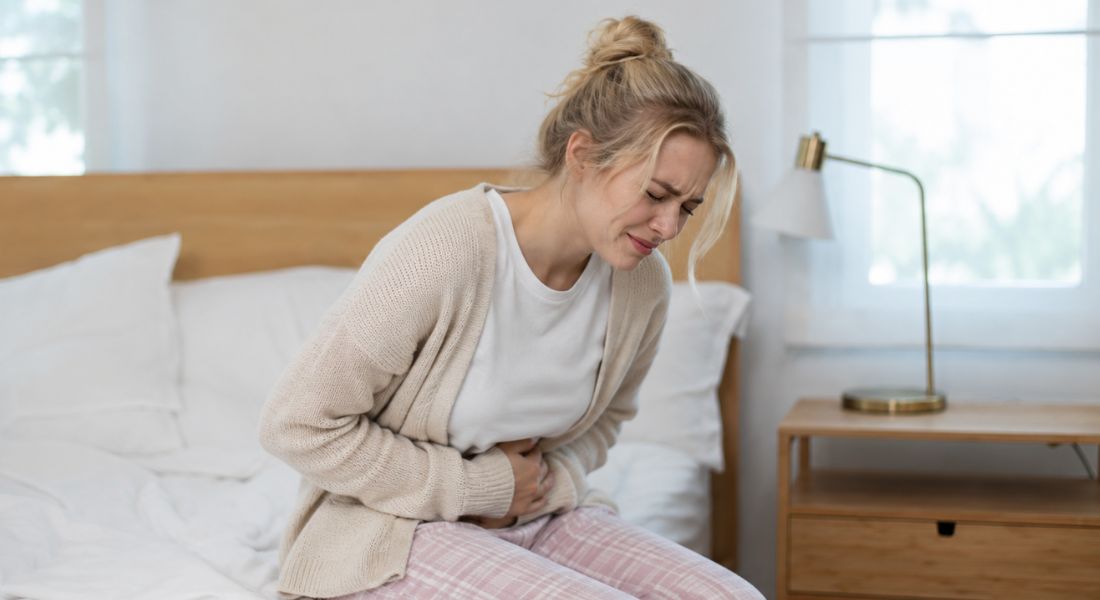
Pelvic pain during or after sex can be physically uncomfortable and emotionally difficult to talk about. You may feel pressure, aching, cramping or sharp pain deep inside your pelvis. Alternatively, you may notice burning, stinging or soreness around the vaginal opening during or after sexual activity.
Pain during or after sex is often described medically as dyspareunia. It is a symptom rather than a diagnosis and can have several possible causes, including vaginal dryness, pelvic floor muscle tension, endometriosis, ovarian cysts or infections. You do not have to continue any sexual activity that is painful. Stop if you experience pain, and arrange an assessment if it keeps returning, becomes more severe or affects your wellbeing.
What Does Pelvic Pain During Sex Feel Like?
You may feel pain at the entrance to your vagina or deeper inside your pelvis during sex. You might describe the discomfort as burning, stinging, tearing or soreness near the vaginal opening, while deeper pain may feel like pressure, cramping or a sharp sensation during certain movements or positions.
You may notice that the pain happens every time you have sex, only in certain positions or at particular times in your menstrual cycle, and it may continue for several hours afterwards. Where you feel the pain can help your clinician identify the cause, but you may have more than one condition contributing to your symptoms.
The Difference Between Superficial and Deep Pain
You may experience pain at the entrance to your vagina or deeper inside your pelvis, and the location can provide important clues about the cause. Pain near the vaginal opening is often linked to dryness, irritation, infection, vulval conditions or pelvic floor muscle tension, while deeper pain may be associated with conditions such as endometriosis, adenomyosis, ovarian cysts or fibroids.
You should tell your clinician when the pain starts, whether it changes with different positions and if it is affected by your period, bladder or bowel movements. These details can help your clinician decide which conditions are most likely and whether you need further assessment.
What Can the Pattern of Pain Suggest?
| Pain pattern or accompanying symptom | Possible contributors |
| Burning or soreness at the vaginal entrance | Dryness, irritation, vulvodynia, vulval or vaginal conditions, infection or pelvic-floor tension |
| Deep pain during penetration | Endometriosis, adenomyosis, PID, ovarian cysts, fibroids or pelvic-floor dysfunction |
| Pain that worsens around your period | Endometriosis or adenomyosis |
| Pain with unusual discharge or bleeding | Infection, PID, cervical or vaginal conditions; recurrent bleeding after sex requires assessment |
| Pain with urinary urgency or burning | UTI, bladder pain syndrome or pelvic-floor dysfunction |
| Pain linked to bowel movements or constipation | IBS, constipation, endometriosis or pelvic-floor dysfunction |
| Sudden severe one-sided pain | Urgent assessment for ovarian torsion, an ovarian cyst complication or, if pregnancy is possible, ectopic pregnancy |
| Pain following childbirth or surgery | Dryness, scar sensitivity, pelvic-floor injury or adhesions |
These patterns provide clues but cannot confirm a diagnosis. More than one condition may contribute to pelvic pain during sex.
Endometriosis
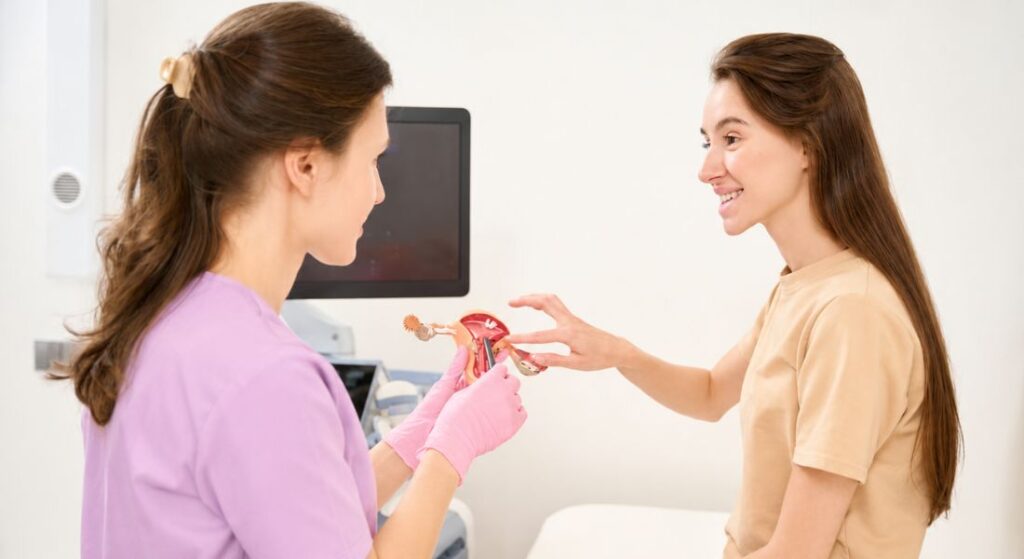
Endometriosis occurs when tissue similar to the lining of your womb grows outside the womb, often affecting your ovaries, pelvic lining, bowel or bladder. Deep pain during or after sex is a recognised symptom of endometriosis, although the type and severity of pain do not reliably indicate where the condition is located or how extensive it is.
You may also have painful periods, ongoing pelvic pain, fatigue or discomfort when passing urine or opening your bowels. You should discuss these symptoms with your clinician because a normal ultrasound does not always rule out endometriosis, and your symptom history remains an important part of your assessment.
Evidence Note
NICE recommends offering a transvaginal ultrasound scan when endometriosis is suspected, even if the abdominal or pelvic examination is normal. If a transvaginal scan is declined or unsuitable, a transabdominal pelvic ultrasound may be considered. A normal examination or ultrasound does not rule out endometriosis, and persistent, recurrent or life-disrupting symptoms may still require referral, specialist imaging or consideration of laparoscopy.
Adenomyosis
Adenomyosis occurs when tissue similar to the womb lining is found within the muscular wall of the womb. Adenomyosis may be associated with deep pain during sex, heavy periods, painful cramps, pelvic pressure or bloating.
You may find that your symptoms become worse around your period, although some people experience discomfort throughout the month. You should discuss your symptoms with your clinician because adenomyosis can occur alongside endometriosis or fibroids, and your treatment will be based on both your symptoms and any scan findings.
Pelvic Inflammatory Disease
Pelvic inflammatory disease is an infection of the upper reproductive tract, which may affect the womb, fallopian tubes, ovaries and surrounding tissues. You may experience deep pain during sex, lower abdominal discomfort, unusual vaginal discharge, bleeding between or after your periods, or pain when passing urine.
PID is usually treated with antibiotics. Prompt treatment is important because untreated or severe infection may lead to persistent pelvic pain, abscesses, tubal damage, fertility problems or an increased likelihood of ectopic pregnancy. Ask for an urgent GP appointment or contact NHS 111 if you think you have symptoms of PID, including pelvic pain, deep pain during sex, unusual discharge or bleeding between periods or after sex. Seek urgent advice if you have these symptoms and are pregnant or think you may be pregnant. Call 999 or attend A&E if the pain is severe or rapidly worsening, or if you develop heavy bleeding, fainting, repeated vomiting, a very high temperature or feel extremely unwell.
Ovarian Cysts
An ovarian cyst is a fluid-filled sac that develops on an ovary. Most cysts are harmless, cause no symptoms and disappear naturally, but you may experience one-sided pelvic aching, pressure, bloating or deep pain during sex if a cyst becomes larger.
You may find that certain sexual positions or different stages of your menstrual cycle make the discomfort more noticeable. Contact NHS 111 urgently if you develop sudden severe pelvic pain, particularly with nausea or vomiting. Call 999 or attend A&E if the pain is rapidly worsening or occurs with fainting, collapse, heavy bleeding or severe weakness.
Fibroids
Fibroids are non-cancerous growths that develop in or around your womb. Many do not cause symptoms, but you may experience pelvic pressure or discomfort during deeper penetration if a fibroid is large or located in a position that affects nearby tissues.
You may also notice heavy or prolonged periods, lower back pain, abdominal swelling or a frequent need to pass urine. You should discuss these symptoms with your clinician because not every fibroid causes pain, and treatment depends on whether its size and location match your symptoms.
Vaginal Dryness
Vaginal dryness can make penetration feel sore, burning or uncomfortable. Vaginal dryness may be associated with menopause, pregnancy or breastfeeding, certain medicines, hormonal contraception, inadequate arousal or the use of irritating fragranced products.
A lubricant designed for vaginal use and sufficient time for arousal may reduce friction-related discomfort. Check that the product is compatible with any condoms or sex toys you use. You should speak to your clinician if the dryness continues, as you may benefit from vaginal moisturisers, changes to your medication or other treatments depending on your age, health and pregnancy status.
Menopause and Lower Oestrogen Levels
During perimenopause and after menopause, lower oestrogen levels can make your vaginal tissues thinner, drier and less flexible. You may experience pain, burning, irritation, urinary discomfort or light bleeding during or after sex because of these changes.
Vaginal moisturisers and lubricants may help some people. NICE recommends offering vaginal oestrogen for genitourinary symptoms associated with menopause when it is appropriate after an individual discussion of benefits, preferences and medical history. You should always arrange a medical assessment if you have bleeding after sex or after menopause, as this should not be assumed to be caused by dryness alone.
Pelvic Floor Muscle Tension
Pelvic-floor muscles may become tense, tender, weak or poorly coordinated after childbirth, surgery, injury or persistent pain. Some people also tighten these muscles automatically when anticipating discomfort. This tension may cause discomfort at the vaginal entrance, deeper pelvic pain during sex or soreness that continues afterwards.
- Common Symptoms: You may experience pain during penetration, difficulty inserting a tampon or aching that becomes worse during or after sex.
- Possible Triggers: Childbirth, surgery, injury, stress and repeatedly tensing your muscles in response to pain can contribute to pelvic floor tension.
- Avoid Automatic Strengthening: Pelvic floor strengthening exercises may worsen your symptoms if the muscles are already tight or overactive.
- Specialist Physiotherapy: A specialist pelvic health physiotherapist may assess your ability to contract and relax the muscles and develop an individual plan that may include relaxation, breathing, movement, manual techniques or gradual rehabilitation.
Pelvic floor tension can occur on its own or alongside conditions such as endometriosis, vulvodynia or bladder pain syndrome. A specialist assessment can help identify the contributing factors and guide a treatment plan based on the findings and other possible contributors to your pain.
Vaginismus
Vaginismus describes an automatic tightening or guarding response around the vaginal entrance when penetration is attempted or anticipated. It may make penetration painful, difficult or impossible. You are not choosing to make the muscles contract, and you may find that sex, tampon insertion or a vaginal examination is painful or not possible.
You should never feel pressured to force penetration, as this can increase pain and muscle tension. You may benefit from pelvic health physiotherapy, psychosexual therapy, relaxation techniques and gradual use of vaginal trainers to help you work gradually towards greater control and comfort.
Vulvodynia and Vulval Pain
Vulvodynia is vulval pain lasting for at least three months without a clearly identifiable infection, skin condition or other disorder that fully explains it. You may experience burning, stinging, rawness or extreme sensitivity, and your symptoms may be triggered by sex, tampon use, tight clothing, cycling or sitting for long periods.
You should avoid repeatedly using thrush treatments unless a fungal infection has been confirmed, as this may make the irritation worse. Management may involve gentle vulval care, pelvic health physiotherapy, medicines used for persistent or nerve-related pain and psychosexual support. The treatment plan should follow an examination and assessment for other causes.
Vaginal and Sexually Transmitted Infections
Vaginal conditions such as thrush or bacterial vaginosis and sexually transmitted infections such as chlamydia, gonorrhoea or trichomoniasis may cause pain during sex. You may also notice itching, soreness, unusual discharge, an unpleasant smell or pain when passing urine, although some infections can cause very few symptoms.
You should arrange appropriate testing if your symptoms continue or if you think you may have been exposed to a sexually transmitted infection. You should also avoid repeatedly treating yourself with over-the-counter products without a confirmed diagnosis, as different infections require different treatments.
Bladder Pain and Urinary Conditions
A urinary tract infection can cause pelvic discomfort, burning when you pass urine and pain during sex. You may also notice that you need to urinate more often or urgently, or that your urine appears cloudy, bloody or has a stronger smell than usual.
You should not assume that ongoing bladder symptoms are always caused by an infection, especially if your urine tests are negative. A bladder diary may provide useful information about urination, urgency and pain, but it cannot diagnose the cause on its own.
Bowel Conditions and Constipation
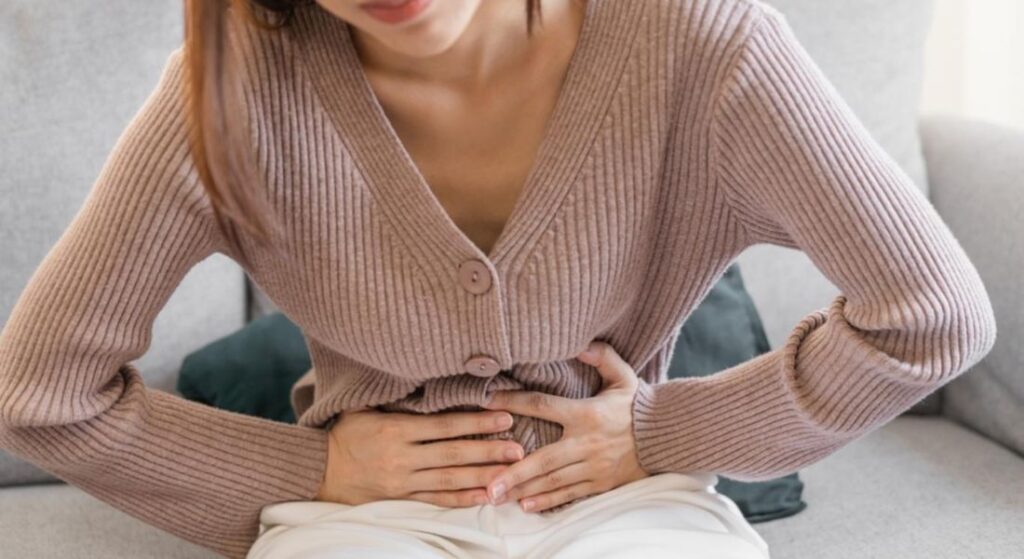
Constipation can create pressure in your pelvis and make deeper penetration uncomfortable. You may also experience bloating, abdominal cramps, constipation or diarrhoea if you have irritable bowel syndrome, and these symptoms can sometimes become worse around your period.
You should tell your clinician if you have pain when opening your bowels, blood in your stool or major changes in your bowel habits. You may need assessment for a bowel condition, a gynaecological problem or a combination of both, depending on your symptoms.
Scar Tissue, Surgery and Childbirth
Surgery may be followed by scar sensitivity, muscular tension or adhesions, although the presence of scar tissue does not necessarily prove that it is causing the pain. Previous procedures for conditions such as endometriosis, ovarian cysts, fibroids or caesarean birth may be important when your clinician assesses your symptoms.
You may also experience discomfort after childbirth due to tears, episiotomy scars or pelvic floor injuries, and breastfeeding-related hormonal changes can contribute to dryness and sensitivity. Depending on the cause, assessment may lead to pelvic health physiotherapy, scar-management advice, lubrication or treatment for vaginal dryness.
Emotional Factors and the Pain Cycle
Previous pain, anxiety about penetration, distressing experiences or fear of further pain may influence arousal, muscle guarding and how the nervous system responds during sex. This does not mean your pain is imagined, and you should still receive appropriate medical assessment to explore possible physical causes.
When sex has been painful repeatedly, your nervous system may begin to anticipate discomfort, which may contribute to muscle guarding, reduced arousal and greater sensitivity. You may benefit from trauma-informed counselling or psychosexual therapy alongside medical treatment and physiotherapy to help you feel more comfortable and rebuild intimacy at your own pace.
When Pelvic Pain During Sex Needs Urgent Care
You should seek urgent medical help if your pelvic pain during sex is sudden, severe or getting worse quickly, especially when it is mainly on one side. Severe pain with vomiting, dizziness or fainting may need immediate assessment for conditions such as ovarian torsion, a ruptured cyst or another urgent pelvic problem.
You should also seek medical advice if the pain occurs with heavy bleeding, fever, unusual discharge or feeling very unwell. If pregnancy is possible, contact a GP or NHS 111 urgently for one-sided pelvic pain with bleeding or shoulder-tip pain, even if you have not had a positive pregnancy test. Call 999 or attend A&E for sharp, sudden severe pain with marked dizziness, fainting, paleness or collapse.
UK Guidance Note
Ask for an urgent GP appointment or contact NHS 111 if pelvic pain occurs with fever, vomiting, unusual discharge, urinary symptoms, bleeding or suspected PID. Contact a sexual health clinic if an infection or STI may be involved.
Call 999 or attend A&E for severe or rapidly worsening pain, fainting, collapse, heavy bleeding or possible ectopic-pregnancy rupture. Do not drive yourself if you feel faint or seriously unwell.
How Is Pelvic Pain During Sex Assessed?

Your clinician will ask where you feel the pain, when it happens and whether it changes with your period, sexual position or other activities. You may also be asked about bleeding, discharge, contraception, pregnancy, previous surgery, childbirth, bowel symptoms, bladder changes and your sexual health.
If an intimate examination is suggested, your clinician should explain why it is needed and what it will involve. The examination should only proceed with your consent, and you can ask for it to stop at any time. You should also be offered a chaperone and given an opportunity to ask questions before the examination begins.
You may need tests such as an abdominal or pelvic examination, pregnancy test, urine test, infection swabs or an ultrasound depending on your symptoms. Your care may also involve further imaging, laparoscopy or support from pelvic health physiotherapy, urology, bowel specialists or psychosexual services when needed.
Myth vs Fact
| Myth | Fact |
| Pain is a normal part of sex. | Recurring or significant pain deserves assessment, and penetration should not be forced. |
| A normal ultrasound rules out endometriosis. | Endometriosis may still be present despite normal imaging. |
| Every pelvic-floor problem requires strengthening. | Tight muscles may initially need relaxation and coordination work. |
| Bleeding after sex is always caused by dryness. | It has several possible causes and recurrent bleeding should be assessed. |
| Vaginismus is deliberate. | It is an automatic muscular response that the person is not choosing. |
| Psychological support means the pain is imagined. | It can address the real interaction between pain, fear, arousal and muscle tension. |
Key Takeaways
- Pain during or after sex is a symptom rather than a diagnosis.
- Pain may occur at the vaginal entrance or deeper inside the pelvis.
- More than one physical or pain-related factor may contribute.
- A normal ultrasound does not rule out endometriosis.
- Tight pelvic-floor muscles may require relaxation and coordination rather than strengthening alone.
- Vulvodynia is vulval pain lasting at least three months without a clearly identifiable cause.
- Vaginismus is an automatic response, and penetration should never be forced.
- Bleeding after sex should be assessed, particularly if it recurs.
- Sudden severe pain, fainting, heavy bleeding or symptoms of a possible ectopic pregnancy require urgent help.
- An intimate examination should only proceed with your consent, and you can ask for it to stop at any time.
Frequently Asked Questions
1. Is pelvic pain during sex normal?
No. Occasional mild discomfort can happen, but ongoing or severe pain during or after sex is not considered normal. If it keeps returning or affects your wellbeing, you should arrange a medical assessment.
2. Can endometriosis cause pain during sex?
Yes. Endometriosis can cause deep pelvic pain during or after sex. You may also experience painful periods, ongoing pelvic pain or discomfort when opening your bowels or passing urine. The severity of your symptoms does not reliably indicate how extensive the condition is.
3. When should I seek urgent medical help for pelvic pain during sex?
Seek urgent medical advice if the pain is sudden, severe or accompanied by heavy bleeding, fever, vomiting, dizziness or fainting. If pregnancy is possible, one-sided pelvic pain with bleeding or shoulder-tip pain also requires immediate assessment.
4. Can vaginal dryness make sex painful?
Yes. Vaginal dryness can cause burning, soreness and irritation during penetration. Lubricants may help, but persistent dryness should be assessed as hormonal changes or other conditions may need treatment.
5. How is pelvic pain during sex diagnosed?
Your clinician will ask about your symptoms, menstrual cycle, sexual history and any bladder or bowel problems. Depending on your symptoms, they may recommend a pelvic examination, infection tests, an ultrasound or other investigations to identify the cause.
Final Thoughts: Getting Help for Pelvic Pain During Sex
Pelvic pain during or after sex can have several possible causes, including vaginal dryness, pelvic floor muscle tension, endometriosis, infection or another pelvic condition. Recurring pain should not be dismissed or treated as something you have to tolerate. Stop sexual activity if it hurts and arrange an assessment if the pain continues, becomes more severe or occurs with bleeding, unusual discharge, urinary symptoms or other concerns. Sudden severe pain, fainting, heavy bleeding or symptoms of a possible ectopic pregnancy require urgent medical help.
If you’re seeking pelvic pain treatment in London, you can contact Gynaecology Clinic London to arrange a consultation and discuss the possible cause of pain during or after sex.
References:
- National Institute for Health and Care Excellence (2017, updated 2024) ‘Endometriosis: diagnosis and management’. NICE guideline NG73. Published 6 September 2017; last updated 11 November 2024. Available at: https://www.nice.org.uk/guidance/ng73
- National Institute for Health and Care Excellence (2021) ‘Pelvic floor dysfunction: prevention and non-surgical management’. NICE guideline NG210. Published 9 December 2021. Available at: https://www.nice.org.uk/guidance/ng210
- NHS (2025) ‘Pelvic inflammatory disease’. Page last reviewed 17 December 2025. Available at: https://www.nhs.uk/conditions/pelvic-inflammatory-disease-pid/
- NHS (2023) ‘Ovarian cyst’. Page last reviewed 21 June 2023. Available at: https://www.nhs.uk/conditions/ovarian-cyst/
- NHS (2025) ‘Vaginal dryness’. Page last reviewed 24 July 2025. Available at: https://www.nhs.uk/symptoms/vaginal-dryness/
- NHS (2024) ‘Vulvodynia (vulval pain)’. Page last reviewed 16 January 2024. Available at: https://www.nhs.uk/conditions/vulvodynia/
- National Institute for Health and Care Excellence (2015, updated 2026) ‘Menopause: identification and management’. NICE guideline NG23. Published 12 November 2015; last updated 15 April 2026. Available at: https://www.nice.org.uk/guidance/ng23
- National Institute for Health and Care Excellence (2019, updated 2026) ‘Ectopic pregnancy and miscarriage: diagnosis and initial management’. NICE guideline NG126. Published 17 April 2019; last updated 17 June 2026. Available at: https://www.nice.org.uk/guidance/ng126
- NHS (2023) ‘Adenomyosis’. Available at: https://www.nhs.uk/conditions/adenomyosis/
- NHS (2026) ‘Fibroids’. Available at: https://www.nhs.uk/conditions/fibroids/
- NHS (2025) ‘Bladder pain syndrome (BPS)’. Available at: https://www.nhs.uk/conditions/bladder-pain-syndrome/
- Greater Manchester Mental Health NHS Foundation Trust (2025) ‘Tackling pain and difficulty with penetrative sex’. Available at: https://www.gmmh.nhs.uk/tackling-pain-and-difficulty-with-penetrative-sex-guide/
- General Medical Council (2024) ‘Intimate examinations and chaperones’. Available at: https://www.gmc-uk.org/professional-standards/the-professional-standards/intimate-examinations-and-chaperones/intimate-examinations-and-chaperones