



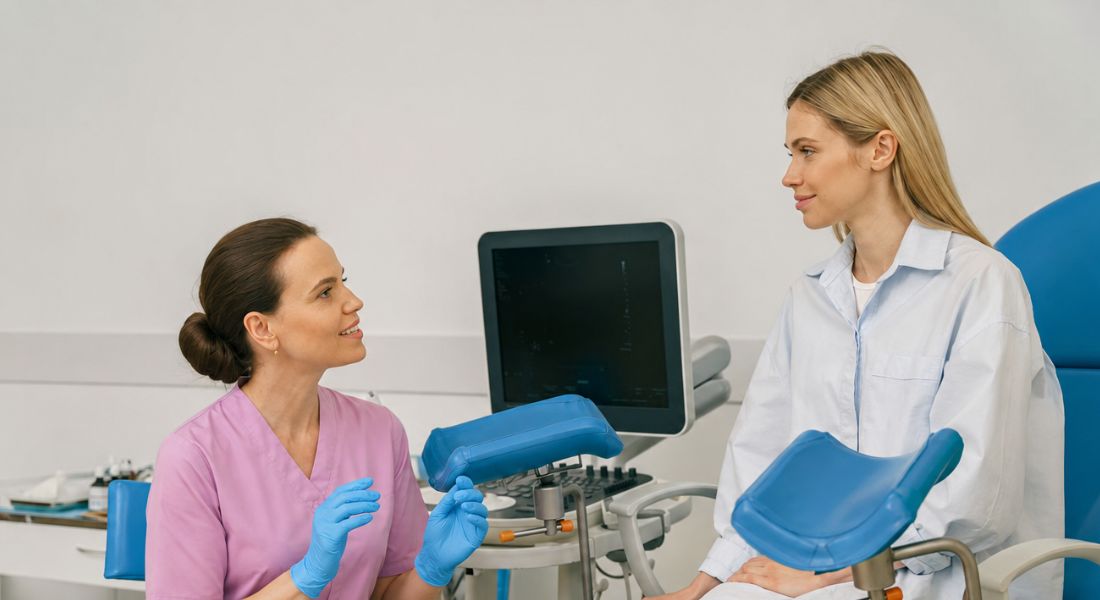
A vulval biopsy should not usually cause sharp pain while the tissue sample is being taken because the area is normally numbed with local anaesthetic first. You may feel a brief sting from the injection, followed by some pressure or movement during the biopsy.
You may notice soreness or tenderness once the anaesthetic wears off, particularly when you sit, walk or pass urine. You can usually manage this with simple pain relief and gentle aftercare, while telling your clinician if you have concerns about pain beforehand.
What Happens During a Vulval Biopsy?
A vulval biopsy involves removing a small sample of skin or tissue from an area of your vulva that needs closer examination. Your clinician may recommend it if you have persistent itching, soreness, an ulcer, a lump, unusual pigmentation or another skin change.
The sample is usually small, often only a few millimetres across, although the exact size depends on the abnormal area and biopsy technique. You can usually have the biopsy as an outpatient procedure with local anaesthetic, and the procedure itself is relatively brief.
Which Part of the Procedure Is Most Uncomfortable?
Many people notice the local anaesthetic injection more than the biopsy itself, although individual pain experiences vary. You can feel a brief sting or burning as the anaesthetic is injected into the sensitive vulval skin.
Once the area is numb, you should not normally feel sharp pain while the sample is taken. You may still feel pressure, touching or pulling, but you should tell your clinician if you feel significant or sharp pain.
Research Insight
Research examining patient experiences of vulval punch biopsy found that the local anaesthetic injection was the most painful part of the procedure for most participants, rather than removal of the biopsy sample itself. This supports the use of effective local anaesthesia and explaining the brief initial sting before the procedure begins.
More recent research has also explored ways of making anaesthetic administration more comfortable. In a randomised trial involving biopsies on non-hair-bearing vulval skin, topical lidocaine-prilocaine cream was associated with lower maximum pain scores and better patient-rated biopsy experiences than injected lidocaine. However, the most appropriate anaesthetic method still depends on the biopsy site, procedure and clinical setting.
How Does the Local Anaesthetic Work?
Local anaesthetic temporarily blocks pain signals from the area being biopsied, so you can remain awake without usually needing a general anaesthetic. Your clinician injects it around the biopsy site and waits for the area to become sufficiently numb.
You may still feel pressure or movement during the procedure, but you should not feel sharp pain. The numbness gradually wears off afterwards, and you may then notice some tenderness as normal sensation returns.
What If You Can Still Feel Pain After the Injection?
You should tell your clinician if you still feel sharp pain after the local anaesthetic has been given. You do not need to tolerate significant discomfort or stay quiet during the procedure.
Your clinician can pause and check whether the area is adequately numb before deciding whether additional local anaesthetic or another adjustment is needed. You may respond differently to the injection depending on how sensitive or inflamed your vulval skin is, so your comfort should be checked before continuing.
Does the Biopsy Itself Hurt?
Once the local anaesthetic is working properly, you should not normally feel sharp pain when the biopsy sample is taken. You may still feel some pressure, touching or slight pulling as the tissue is removed.
If you feel pain rather than pressure, you should tell your clinician straight away. Your clinician can check the area and give more local anaesthetic if needed, so you do not have to tolerate significant discomfort.
Does the Location of the Biopsy Affect Discomfort?
Yes, the location of your biopsy can affect how noticeable the procedure and recovery feel. You may experience more discomfort if the area is exposed to pressure, friction or urine, particularly when your skin is already inflamed or sore.
Your clinician will choose a representative site that is most likely to provide useful diagnostic tissue while taking only the amount needed for an adequate sample. You should tell your clinician if the area is particularly sensitive so they can consider your comfort throughout the procedure.
Will You Need Stitches After a Vulval Biopsy?
You may need stitches depending on the size, depth and location of your biopsy. Smaller biopsy sites can sometimes heal without stitches, while other sites may need one or more sutures, which are often dissolvable.
Your clinician may sometimes use silver nitrate or another method to control minor bleeding instead. You should be told what has been used and whether you need any specific aftercare.
How Does It Feel When the Anaesthetic Wears Off?
You may notice mild soreness, tenderness or aching as the local anaesthetic wears off. You can feel the area more when sitting, walking or changing position, particularly because a small wound has been created on sensitive skin.
Your discomfort should gradually improve as your biopsy site heals, although you may remain tender for several days. You may find it helpful to take things gently after the procedure, especially if your usual activities involve prolonged standing or physical exertion.
How Long Does Soreness Usually Last?
You may experience soreness for a few days after your vulval biopsy, although recovery varies from person to person. You may feel comfortable sooner if the biopsy is small, while a larger sample or a more sensitive location can take longer to settle.
Your discomfort should gradually improve as the wound heals. If your pain becomes increasingly severe instead of getting better, you should contact your healthcare provider for advice.
What Is Normal Pain After a Vulval Biopsy?
| What you notice | Usually expected | When to seek advice |
| Anaesthetic injection | Brief sting or burning | Tell your clinician if pain remains after the area should be numb |
| During biopsy | Pressure, touching or pulling | Sharp or significant pain |
| First few days | Mild soreness or tenderness | Pain that becomes progressively worse |
| Passing urine | Temporary external stinging | Persistent severe burning or urinary symptoms |
| Sitting/walking | Temporary tenderness or discomfort | Pain that is severe, progressively worsening or preventing normal movement. |
| Bleeding | Small amount of spotting | Heavy bleeding or bleeding that will not stop |
| Wound | Mild tenderness | Increasing heat, redness or swelling |
| Discharge | Minimal wound-related discharge may occur | Pus or offensive-smelling discharge |
| General health | Usually well | Fever or feeling increasingly unwell |
What Pain Relief Can You Use Afterwards?
You can usually manage mild discomfort after a vulval biopsy with simple pain relief such as paracetamol, if it is suitable for you. You should follow the dose and instructions provided by your clinician or on the medicine packaging.
Some services also recommend ibuprofen when it is suitable for you, but pain-relief advice can vary according to your health, medicines and the way the biopsy site was treated. Follow the advice given by your clinic or pharmacist. You can ask about the best pain-relief option before leaving your appointment.
UK Guidance Note
UK NHS aftercare guidance commonly recommends simple pain relief such as paracetamol, with ibuprofen also used by some services when it is suitable for the individual. Patients are also commonly advised to rest after the procedure and temporarily avoid activities that put pressure or friction on the healing biopsy site.
Aftercare instructions are not identical between clinics, particularly for bathing, exercise and sexual activity. You should therefore follow the instructions given by the team that performed your biopsy because the size, location and closure of the wound can affect what is appropriate for you.
Can Passing Urine Sting After the Biopsy?
Yes, you may notice some stinging when you pass urine if your biopsy site is near the urethral or vaginal opening. You can gently rinse the area with plain lukewarm water while or after passing urine to make the sensation more comfortable.
You should pat the area dry rather than rubbing it. If you develop persistent burning with urinary urgency, frequent urination or fever, you should contact your healthcare provider.
Can Sitting and Walking Be Uncomfortable?
Yes, you may find sitting uncomfortable because pressure can make the fresh biopsy site more noticeable. You may also feel some soreness when walking, particularly during the first few days.
Gentle everyday movement may be comfortable for you, but the biopsy site can remain fragile even when pain is mild. Follow your clinic’s advice about strenuous exercise and activities that put pressure or friction on the vulva. If an activity causes increased rubbing or pain, you should give the area more time to recover.
Will There Be Bleeding After the Biopsy?
You may notice a small amount of bleeding or spotting after your vulval biopsy, which is usually normal. Your clinician will control any bleeding before you leave, using pressure, a stitch or another method if needed.
You can use a sanitary pad or liner if you have light spotting, as long as it does not irritate your skin. If bleeding is heavy or does not stop despite firm, sustained pressure, contact your clinic urgently or attend A&E if you cannot get prompt medical advice.
How Should You Wash the Area?
Keeping the biopsy site clean can support healing and reduce unnecessary irritation while the vulval skin recovers. Your clinic’s specific aftercare instructions should take priority because advice can vary depending on the biopsy location and whether stitches were used.
- Wash Gently: You can usually clean the area carefully with plain water without rubbing or scrubbing the healing wound.
- Avoid Fragranced Products: Perfumed soaps, shower gels, wipes and intimate deodorants may irritate sensitive vulval skin during recovery.
- Dry Carefully: Gently pat the area dry with a clean, soft towel or allow it to air dry rather than rubbing it.
- Follow Individual Advice: Your clinician may give you specific instructions about bathing, wound care or stitches according to the biopsy you had.
You should avoid adding creams, antiseptics or other products unless your healthcare team has advised you to use them. If washing becomes increasingly painful or you notice worsening redness, swelling or discharge, contact your healthcare provider for advice.
When Can You Exercise Again?
You should avoid vigorous exercise, heavy work and prolonged standing immediately after your biopsy to reduce pressure and friction on the healing area. You can usually return to gentle activity when you feel comfortable.
You may need to wait longer before cycling, running or other activities that put direct pressure on your vulva. You should follow your clinic’s aftercare advice and gradually return to your normal routine as the wound heals.
When Can You Have Sex After a Vulval Biopsy?
Sex can create friction and stretch the healing biopsy site, which may cause pain or bleeding. Your clinic may advise waiting until the area has healed sufficiently before resuming sexual activity.
If stitches were used, you may need to wait until they have dissolved or the wound is fully comfortable. Follow your clinic’s advice rather than using a fixed number of days, as recommendations vary according to the wound and how it was closed.
What Signs Could Mean the Wound Is Infected?
You may have some tenderness after a vulval biopsy, but increasing pain, heat, redness or swelling can suggest an infection. You may also notice pus or an unpleasant discharge from the biopsy site.
You should contact your clinic or GP if the wound starts getting worse after initially improving. Early assessment can help determine whether the wound is infected and whether treatment is needed.
When Is Pain After a Biopsy Not Normal?
Your pain should usually be manageable and gradually improve as the biopsy site heals. You should seek medical advice if the pain becomes severe, keeps getting worse or does not improve with the pain relief recommended for you.
You should also contact your healthcare provider if pain occurs with persistent bleeding, swelling, pus, an unpleasant discharge or fever. If the biopsy has healed but the area remains painful or unusually sensitive, you should discuss this with your clinician.
Evidence Note
Some tenderness is expected after a vulval biopsy because the procedure creates a small healing wound. However, normal postoperative discomfort should generally become easier with time. NHS guidance advises assessment when the biopsy site becomes progressively more painful, hot or starts to ooze because these changes can indicate infection or another wound-healing problem.
Bleeding that continues despite sustained pressure also requires assessment. Distinguishing expected short-term soreness from pain that is increasing rather than improving is therefore an important part of monitoring recovery.
What If You Are Very Anxious About the Pain?

You should tell your clinician if you feel very anxious about pain, have sensitive vulval skin or have previously experienced a difficult intimate procedure. This gives you and your clinician an opportunity to discuss what may help you feel more comfortable and in control during the examination and biopsy.
You can ask what you are likely to feel at each stage and agree on a signal for pausing if needed. Knowing what to expect can help you feel more prepared and in control during the procedure.
Myth vs Fact
| Myth | Fact |
| A vulval biopsy is painful throughout. | Local anaesthetic numbs the site, so you should not normally feel sharp pain while tissue is removed. |
| The biopsy itself is always the most painful part of the procedure. | Research suggests that many patients notice the local anaesthetic injection more than removal of the biopsy sample itself |
| You have to tolerate pain if the first injection has not worked fully. | Tell your clinician if you still feel sharp pain so they can reassess the anaesthetic before continuing. |
| Every vulval biopsy removes the same size of tissue. | Sample size depends on the lesion, location and biopsy technique. |
| Every biopsy needs stitches. | Some wounds need stitches, while others can be managed with methods such as silver nitrate. |
| Pain should become worse before it gets better. | Mild soreness is expected, but pain should generally improve rather than progressively worsen. |
| Stinging when passing urine always means infection. | Temporary external stinging can occur when urine contacts the healing biopsy site. |
| You can exercise normally as soon as pain stops. | The biopsy site may remain fragile, so follow your clinic’s activity advice. |
| Everyone must avoid sex for exactly the same number of days. | Recommendations differ according to the wound and clinic, so individual aftercare advice is important. |
| Severe or worsening pain, increasing swelling or fever are normal parts of healing. | These symptoms need medical assessment. |
Key Takeaways
- Most outpatient vulval biopsies are performed under local anaesthetic.
- The local anaesthetic injection may cause brief stinging or burning.
- Research suggests the injection can be the most uncomfortable part of the procedure for many patients.
- Once the biopsy site is adequately numb, you should not normally feel sharp pain while the sample is taken.
- Tell your clinician if you still feel significant or sharp pain during the procedure.
- Mild soreness and temporary stinging when passing urine can occur during healing.
- Simple pain relief such as paracetamol may help when it is suitable for you.
- Activity and sexual-intercourse advice varies according to the wound, so follow your own clinic’s instructions.
- Severe or worsening pain, heavy bleeding, increasing swelling, pus, offensive discharge or fever requires medical assessment.
Frequently Asked Questions
1. Is a vulval biopsy painful?
A vulval biopsy should not normally be painful while the sample is being taken because your skin is numbed with local anaesthetic. You may feel a brief sting when the anaesthetic is injected, followed by some pressure or pulling during the procedure.
2. How long will you be sore after a vulval biopsy?
You may experience tenderness or mild aching for several days after the biopsy. Recovery varies depending on the size and location of the biopsy, but the discomfort should gradually improve as the wound heals.
3. What can you use for pain after a vulval biopsy?
Paracetamol is commonly recommended for mild discomfort after a vulval biopsy, provided it is suitable for you. Your clinician can advise you about the most appropriate pain relief based on your health, medicines and individual circumstances.
4. Can you pass urine normally after a vulval biopsy?
You can usually pass urine normally, although it may sting temporarily if the biopsy site is close to the vaginal or urethral opening. Gently rinsing the area with lukewarm water while or after passing urine may help reduce discomfort.
5. When should you seek help for pain after a vulval biopsy?
You should contact your healthcare provider if your pain becomes increasingly severe instead of gradually improving. Worsening swelling, redness, pus, offensive discharge, fever or persistent heavy bleeding can also indicate a complication and should be assessed.
Final Thoughts: Knowing What to Expect from a Vulval Biopsy
A vulval biopsy is usually a quick procedure, and the local anaesthetic means you should not normally feel sharp pain while the sample is being taken. You may notice a brief sting from the anaesthetic injection and some tenderness afterwards, but the discomfort should generally become easier as the biopsy site heals.
If you are considering a vulval biopsy in London, you can contact our team at Gynaecology Clinic London to discuss whether a biopsy may be appropriate for you and what to expect from the procedure.
References:
- Kesić, V., Vieira-Baptista, P. and Stockdale, C.K. (2022) ‘Early diagnostics of vulvar intraepithelial neoplasia’, Cancers, 14(7), article 1822. Available at: https://www.mdpi.com/2072-6694/14/7/1822
- North Cumbria Integrated Care NHS Foundation Trust (2026) ‘Gynaecology: Vulval biopsy’. Available at: https://www.ncic.nhs.uk/patients-visitors/patient-information-leaflets/gynaecology-information-advice-following-vulval-biopsy
- Bhide, D., Sadhwani, M. and Shah, A. (2025) ‘Vulvar biopsy: Modified punch and snip biopsy technique’, Indian Dermatology Online Journal, 16(6), pp. 967–968. Available at: https://pmc.ncbi.nlm.nih.gov/articles/PMC12622928/
- Panez, S. et al. (2021) ‘A survey of practices and perceptions of vulvar biopsies in academic dermatology’, International Journal of Women’s Dermatology, 7(5 Part B), pp. 763–765. Available at: https://pmc.ncbi.nlm.nih.gov/articles/PMC8714558/
- Khumalo, N.P., Booker, S. and Wojnarowska, F. (2001) ‘Vulval punch biopsies: What is the experience of patients and do they alter management?’, Journal of Obstetrics and Gynaecology, 21(2), pp. 181–183. Available at: https://pubmed.ncbi.nlm.nih.gov/12521894/
- Williams, L.K. et al. (2020) ‘Lidocaine-prilocaine cream compared with injected lidocaine for vulvar biopsy: A randomized controlled trial’, Obstetrics & Gynecology, 135(2), pp. 311–318. Available at: https://pubmed.ncbi.nlm.nih.gov/31923074/
- Tuil, A. et al. (2023) ‘Vulvar biopsy: Punch biopsy or cervical forceps biopsy?’, Journal of Gynecology Obstetrics and Human Reproduction, 52(10), article 102667. Available at: https://www.sciencedirect.com/science/article/abs/pii/S2468784723001344
- Simpson, R. and Nunns, D. (2017) ‘Skin diseases affecting the vulva’, Obstetrics, Gynaecology & Reproductive Medicine, 27(3), pp. 77–85. Available at: https://www.sciencedirect.com/science/article/abs/pii/S1751721416302512