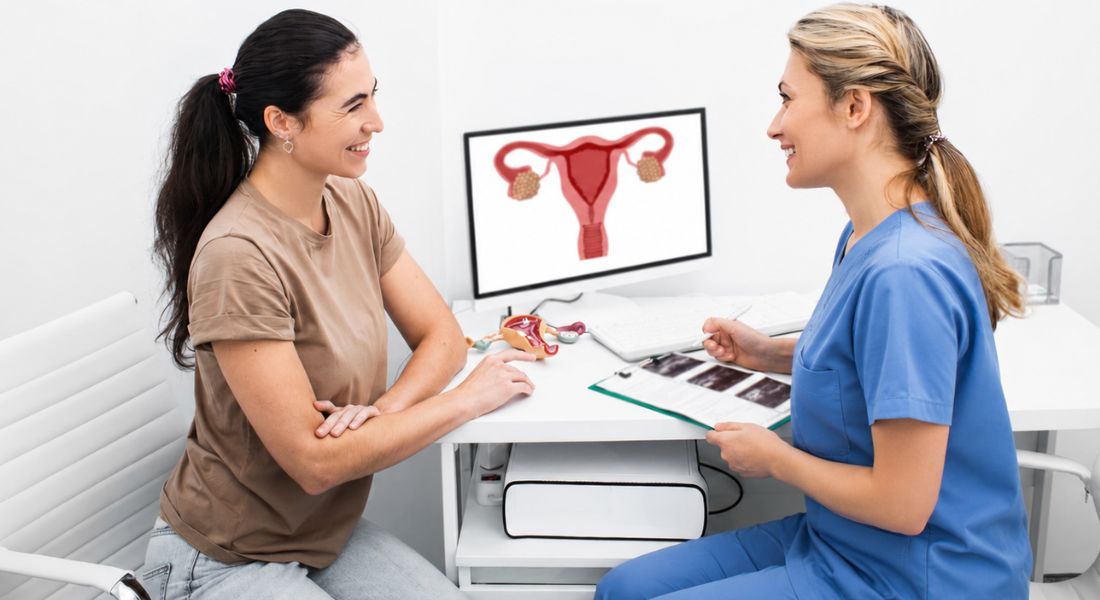

Gynaecology Clinic London

What Is a Bartholin Cyst?
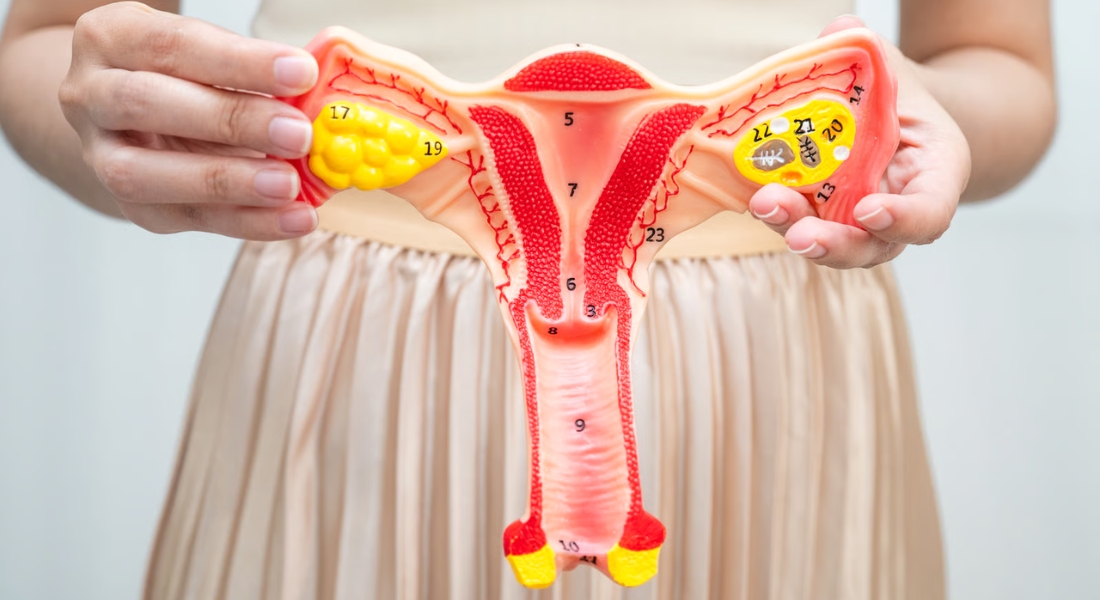
Finding a lump near the opening of your vagina can feel worrying, especially if it appears suddenly or becomes painful. A Bartholin cyst develops when the duct draining one of the Bartholin glands becomes blocked, causing mucus to collect and form a swelling near the vaginal opening. A small cyst may not cause symptoms and … Read more
New and Emerging Treatments for Adenomyosis

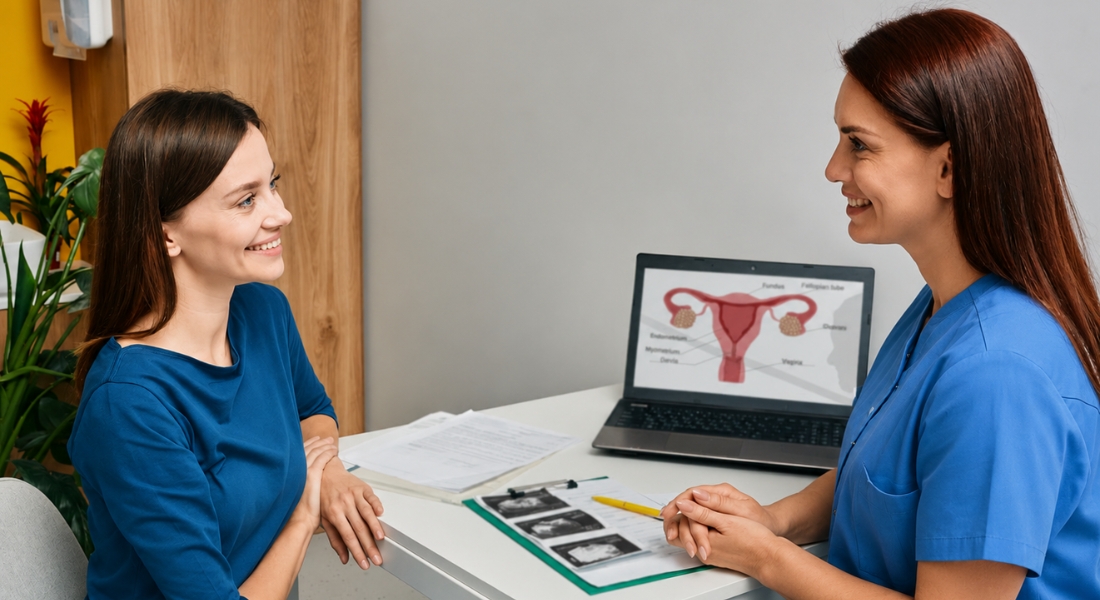
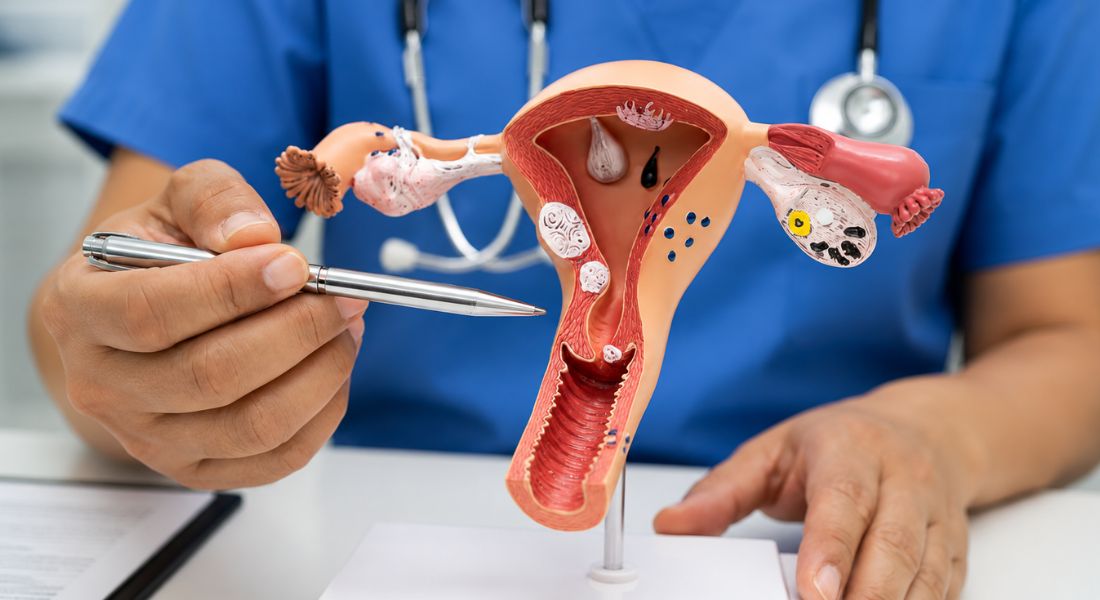
Treatment options for adenomyosis are continuing to develop, giving you more choices beyond traditional approaches such as pain relief, hormonal contraception or hysterectomy. Advances in imaging and research are helping specialists create more personalised treatment plans based on your symptoms, fertility goals and overall health. Newer approaches may include different hormonal medicines, oral hormone-suppressing treatments … Read more

Adenomyosis and Pregnancy: What You Need to Know

Finding out that you have adenomyosis can make pregnancy feel more uncertain. You may have concerns about miscarriage, your baby’s growth, whether you need additional monitoring or if the condition could affect your birth experience. It is completely understandable to have questions when you are trying to understand what adenomyosis may mean for your pregnancy. … Read more

Can Adenomyosis Affect Fertility?

Finding out that you have adenomyosis can leave you wondering whether it could affect your ability to become pregnant. You may already be trying to conceive, considering fertility treatment or simply thinking ahead about your future family plans. While many women with adenomyosis go on to have healthy pregnancies, it is understandable to have concerns … Read more

Adenomyosis vs Endometriosis: What’s the Difference?

Adenomyosis and endometriosis are separate gynaecological conditions, but they can cause similar symptoms such as painful periods, pelvic pain and heavy bleeding. The main difference is where the tissue similar to the womb lining is found: adenomyosis affects the muscular wall of your womb, whereas endometriosis occurs when similar tissue develops outside the womb. You … Read more

What Is Adenomyosis?

Adenomyosis is a gynaecological condition that can cause heavy periods, significant period pain and ongoing pelvic discomfort. It occurs when tissue similar to the lining of the womb grows into the muscular wall of the uterus, which can lead to inflammation, pain and changes in menstrual bleeding. Although awareness of the condition is increasing, many … Read more

Private Gynaecologist or GP: Who Should You See?

When you develop a gynaecological symptom, it can be difficult to know whether to book an appointment with your GP or see a private gynaecologist. Both can play an important role in your care, but they offer different levels of assessment, investigation and ongoing management. The most suitable option often depends on the nature of … Read more

How to Choose the Right Private Gynaecologist

Choosing a private gynaecologist can feel overwhelming when you are comparing qualifications, specialist interests, hospital locations, appointment availability and patient reviews. While practical considerations are important, finding the right specialist involves more than simply choosing the nearest clinic or the first available appointment. The best choice is often a gynaecologist with experience relevant to your … Read more

What Does a Gynaecologist Treat?

A gynaecologist treats a wide range of conditions affecting your reproductive and pelvic health. You may seek advice for heavy or painful periods, persistent pelvic pain, fertility concerns, menopause symptoms or changes affecting your vagina or vulva. They can also assess conditions such as fibroids, endometriosis, polycystic ovary syndrome, ovarian cysts and pelvic organ prolapse. … Read more

What Happens at Your First Gynaecologist Appointment?

If you have never seen a gynaecologist before, you may feel unsure about what to expect. You might have questions about whether you will need an examination, what information you should bring or how much detail you need to share about your symptoms. It is completely normal to feel nervous before your first appointment. Many … Read more